Kuala Lumpur Travel Guide: Essential Packing and Preparation

Key Takeaways
Prepare for your Kuala Lumpur trip with this expert guide on packing, seasonal weather, and local dining. Essential tips for a smooth Malaysian adventure.
Kuala Lumpur Travel Guide: Essential Packing and Preparation
I remember the time I first stepped out of Kuala Lumpur International Airport in late 2018. It was the tail end of the monsoon season, and the humidity hit me like a physical weight, instantly making me regret the heavy denim jacket I had worn for the flight. My partner and I stood there for a moment, watching the heavy rain bounce off the pavement, realizing that our carefully planned itinerary for the afternoon would need to be adjusted for the weather. This experience taught me that traveling to Malaysia's capital requires a specific kind of preparation that balances comfort, cultural respect, and the realities of a tropical climate.
Before you finalize your suitcase, consider these four essential pillars of preparation for a successful trip to Kuala Lumpur:
- Breathable, modest clothing tailored for high humidity and air-conditioned interiors
- Digital readiness, including essential local apps and entry documentation
- Health and climate protection items for sun, rain, and hydration
- Strategic footwear and accessories for navigating diverse urban terrains
What should you pack for Kuala Lumpur’s tropical climate?
The climate in Kuala Lumpur is consistently hot and humid, with temperatures typically ranging between 27 and 34 degrees Celsius throughout the year. Humidity levels often exceed 80%, which means that traditional heavy cotton or synthetic fabrics will likely feel uncomfortable within minutes of walking outside. When my partner and I travel here, we prioritize fabrics like linen, Tencel, or high-quality merino wool blends that wick moisture away from the skin.
For example, wearing a loose-fitting linen shirt instead of a tight polyester t-shirt can make a significant difference in your ability to enjoy a walking tour through the heritage areas of Kuala Lumpur. Furthermore, while the city is modern, it is also culturally conservative in many areas. When visiting religious sites like the Batu Caves or the National Mosque, you must ensure your shoulders and knees are covered. I always carry a lightweight sarong or a large scarf in my day bag. This serves a dual purpose: it acts as a modest covering for temple visits and provides a much-needed layer of warmth when entering shopping malls or cinemas where the air conditioning is notoriously cold.
Specifically, your packing list should include 3–4 lightweight tops, 2 pairs of breathable trousers or long skirts, and at least one versatile outer layer. Avoid packing heavy jeans, as they take a long time to dry if you get caught in a sudden downpour and are generally too warm for daytime exploration. Instead, opt for quick-dry trekking pants or cotton chinos that allow for better airflow.
Why is digital preparation essential for modern Malaysia travel?
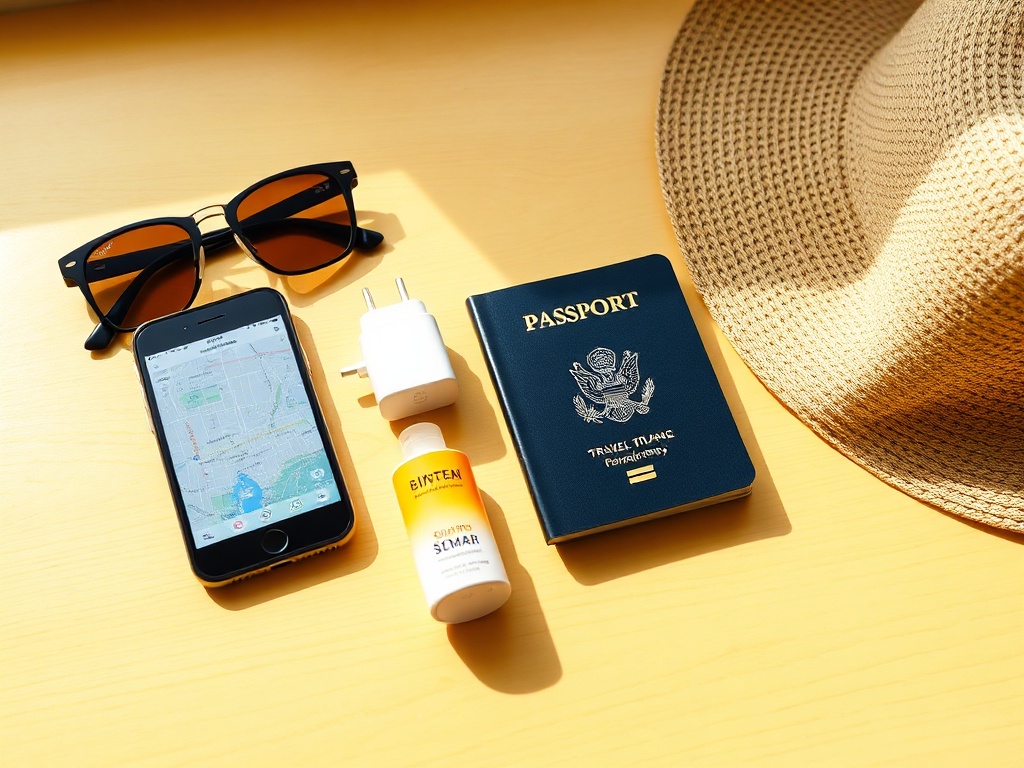
In recent years, Malaysia has streamlined its entry and transportation systems, making digital preparation just as important as physical packing. As of early 2024, nearly all foreign visitors are required to complete the Malaysia Digital Arrival Card (MDAC) within 3 days prior to arrival. This is a critical step; failing to do so can result in significant delays at the immigration counter. I recommend keeping a digital copy of the confirmation on your phone and a printed version as a backup.
Navigation and transport in Kuala Lumpur have also shifted toward app-based services. While the rail system is excellent, there are many times when a private car is more practical, especially when traveling as a couple in your 50s who may prefer door-to-door comfort. The Grab app is the undisputed leader in Southeast Asia for ride-hailing and food delivery. In practice, this means you should download the app and set up your payment method before you leave your home country. This avoids the stress of trying to receive an SMS verification code while standing in a busy airport terminal. Budgeting for Malaysia often depends on how effectively you use these local apps versus traditional taxis, which may occasionally refuse to use the meter.
Additionally, consider your connectivity. While many hotels offer Wi-Fi, having a local eSIM or physical SIM card is vital for using maps and translation apps on the go. You can find kiosks for major providers like Maxis or Celcom at the airport, but purchasing an eSIM beforehand is often more time-efficient. A 30-day data plan with 10–20GB of data typically costs less than $15, providing a reliable safety net for your daily travels.
How do seasonal weather patterns affect your packing list?
Kuala Lumpur does not have traditional seasons like spring or autumn, but it does experience two distinct monsoon periods. The Northeast Monsoon (typically November to March) and the Southwest Monsoon (May to September) dictate the frequency and intensity of rainfall. However, in my experience, rain can occur at any time of year. These are usually heavy, tropical thunderstorms that last for 1–2 hours in the afternoon rather than drizzling all day.
For instance, if you are visiting during the peak of the Northeast Monsoon, a sturdy, compact umbrella is more effective than a heavy raincoat. A raincoat often becomes a 'portable sauna' in 30-degree heat, trapping your body heat and making you just as wet from sweat as you would have been from the rain. I prefer a high-quality folding umbrella and a pair of water-resistant sandals with good grip. The sidewalks in Kuala Lumpur can become incredibly slippery when wet, and traditional flip-flops often lack the necessary traction for safe walking.
Furthermore, consider the timing of your activities. We usually plan our outdoor explorations for the early morning (7:00 AM to 10:00 AM) or the late afternoon (after 4:00 PM). This allows us to retreat to a museum, a café, or our hotel during the hottest part of the day or the peak of the afternoon rains. This slow-travel approach not only saves energy but also aligns with the local rhythm of life. Southeast Asia travel safety involves managing your physical well-being just as much as your belongings, and avoiding heat exhaustion is a major part of that.
Where to eat: Authentic local experiences
Kuala Lumpur is a culinary melting pot, and finding the best food often requires stepping away from the glamorous mall food courts. Here are three recommendations that offer a real taste of the city’s diversity:
Restoran Yusoof dan Zakhir
Located right next to the historic Central Market, this is a classic 'Mamak' style eatery. I highly recommend ordering the Garlic Naan and Tandoori Chicken, or a hearty Murtabak (stuffed pancake). The vibe is busy, unpretentious, and very local, with fans whirring overhead to keep the heat at bay. A full meal for two usually costs between 25 and 40 MYR ($6–$10), making it an excellent stop during a day of sightseeing in the old city center.
Merchant's Lane
For a more relaxed, 'hidden' atmosphere, this café is tucked away on the second floor of an old shophouse near Petaling Street. It retains the rustic charm of the original building with peeling paint and wooden beams but serves modern fusion dishes. Order the 'Better than Sex' pandan roti or their local-inspired pastas. It is a bit more expensive, with prices ranging from 30 to 50 MYR ($7–$12) per person, but the air-conditioned interior and quiet vibe make it a perfect place to recover after navigating the crowded markets.
Heun Kee Claypot Chicken Rice
Located in the Pudu district, this legendary spot is where you go for a truly traditional dinner. They still cook the rice in claypots over charcoal stoves, which gives the dish a unique smoky flavor. You must order the claypot chicken rice with added salted fish for the most authentic experience. The vibe is loud and energetic, reflecting the grit and spirit of old Kuala Lumpur. Expect to pay around 20–35 MYR ($5–$8) per dish. It is easily accessible via a 10-minute Grab ride from the Bukit Bintang area.
Critical caveats and when this advice may fail
While this guide aims to provide a comprehensive starting point, there are situations where these recommendations might not apply. For example, if your itinerary includes a side trip to the Genting Highlands or the Cameron Highlands, the packing list changes drastically. These areas are significantly cooler, often dropping to 15 degrees Celsius at night, requiring a proper fleece or light down jacket that would be entirely unnecessary in the city.
Moreover, the advice on walking and footwear may fail for those with limited mobility. Kuala Lumpur is a city of contrasts; while some areas like KLCC have pristine walkways, others have broken pavement, high curbs, and sudden dead ends. If you have knee or hip concerns, relying on the rail system or Grab is much safer than attempting to navigate the city on foot. You should also verify the current status of any visa requirements or health protocols, as these can change with little notice. This guide provides general information only and does not constitute legal, travel, or medical advice. Always consult official government websites for the most up-to-date entry regulations.
Decision criteria for your packing:
Mobility vs. Volume: If you plan on using public transport frequently, aim for a single carry-on or a lightweight spinner suitcase. Navigating train stations with multiple heavy bags is a recipe for exhaustion.
Digital Literacy: If you are not comfortable using apps for transport and payments, you will need to budget significantly more for traditional taxis and spend more time locating currency exchange booths.
Summary and Next Steps
To ensure a smooth transition into the vibrant life of Kuala Lumpur, keep these three points in mind: prioritize breathable fabrics and modest layers to handle both the heat and the air conditioning; complete all digital requirements like the MDAC and Grab setup before you arrive; and embrace the local dining scene by visiting authentic eateries in neighborhoods like Pudu and Chinatown.
Your specific action to take today: Check the expiration date of your passport (it must be valid for at least 6 months beyond your stay) and set a calendar reminder for 3 days before your departure to fill out your Malaysia Digital Arrival Card (MDAC).
- Proceed: If you have your flights booked and your documents ready, start selecting your lightweight, breathable clothing items.
- Pause: If you are traveling during a major holiday like Lunar New Year or Hari Raya, check for restaurant closures and increased transport prices.
- Verify: Always check the official Malaysian Immigration website for the latest updates on entry requirements for your specific nationality before you fly.
Previous
India Travel Prep: Essential Backpacking Checklist
Next
Kuala Lumpur Travel Guide: Essential Packing and Preparation
More in Travel

Slow Travel with Pets: A 4N5D Low-Walking Guide to Gangneung and Yangyang
Plan a relaxed 4-night, 5-day pet-friendly trip to Gangneung and Yangyang. Discover low-walking itineraries, budget tips, and safety checklists.
1N2D Couple's Travel: The Ultimate Food Allergy Survival Guide
Plan a safe 1-night, 2-day couple's trip abroad. Learn how to manage food allergies using public transit, prepare emergency cards, and build a backup plan.

Hanok Stays: Easy Transit Solo Travel Guide
Discover charming Korean Hanok stays accessible by public transit. Prioritize pace and ease on your solo or friends' weekend trip, avoiding car dependency.

Sick child during overseas travel: Managing care and costs
Learn how to manage a sick child during overseas travel when peak season bookings are full. Discover emergency alternatives, cost-saving tips, and next steps.