Travel Insurance: Your Easy Guide

Key Takeaways
Don't let unexpected events ruin your trip. Learn how to get travel insurance with this easy-to-follow checklist and tips for weekend travelers.
Travel Insurance: Your Essential Checklist
When I first started taking short weekend trips, the idea of travel insurance seemed like an unnecessary extra cost. I remember a particular instance a few years ago, during a chilly autumn weekend getaway to a charming coastal town. Everything was going smoothly until I took a minor tumble on some wet cobblestones, resulting in a sprained ankle and a cancelled return flight. The unexpected medical attention and the rebooking fees quickly added up, making me seriously reconsider my approach to trip planning.
How I Used to Approach Travel Insurance
In my early days of travel, my mindset was simple: if a trip was short, local, and didn't involve extreme activities, why bother with insurance? It felt like paying for a 'what if' scenario that was unlikely to happen. My reasoning was that for a quick weekend break, the potential costs of insurance outweighed the perceived risk. I'd compare flight prices and accommodation deals with a fine-tooth comb, but insurance was always an afterthought, often skipped entirely. This was particularly true for domestic travel or short hops within the same continent. The process also felt complicated; wading through policy documents, trying to understand jargon like 'excess' and 'covered perils,' was daunting. I recall one instance where a friend insisted I look into it for a trip to a neighboring country, but I dismissed it, thinking my standard health insurance would suffice.
The Appeal of 'DIY' Risk Management
The perceived complexity and cost were the main deterrents. I believed I could manage potential risks by being careful and that if something truly catastrophic happened, my existing health coverage would offer a safety net. This was a flawed assumption, as I later learned. The focus was always on immediate, tangible costs – the price of the ticket, the hotel room – rather than the less visible, but potentially much larger, costs of an emergency.
What Changed My Mind About Travel Insurance
That sprained ankle incident was a wake-up call. The financial sting of unexpected medical bills and the logistical nightmare of rearranging travel plans on the fly made it clear that my 'DIY' risk management strategy was insufficient. It wasn't just about the money; it was the stress and disruption that truly hit home. I realized that for the relatively small premium, travel insurance offered invaluable peace of mind and practical support.
The Shift Towards Proactive Planning
Now, my approach is entirely different. I view travel insurance not as an optional extra, but as a fundamental part of trip planning. It's as crucial as booking the flight or packing the right clothes. The key shift has been understanding that travel insurance covers a spectrum of potential issues far beyond just medical emergencies. This includes trip cancellations, lost luggage, flight delays, and even emergency accommodation. For a weekend trip, the cost can be as low as $10-$30, depending on the coverage and destination. This small investment provides a significant safety net, allowing me to relax and enjoy my travels without the constant worry of what might go wrong.
Key Reasons for the Change:
- Financial Protection: Unexpected medical bills abroad can be astronomical. A sprained ankle in some countries could cost thousands if not covered.
- Trip Interruption: If a family member falls seriously ill back home, or if my destination experiences severe weather, insurance can cover non-refundable costs.
- Lost or Delayed Belongings: Having your luggage go missing or be significantly delayed can be incredibly disruptive. Insurance can help cover the cost of essential replacements.
- Emergency Assistance: Many policies offer 24/7 helplines to assist with rebooking flights, finding doctors, or navigating local emergency services.
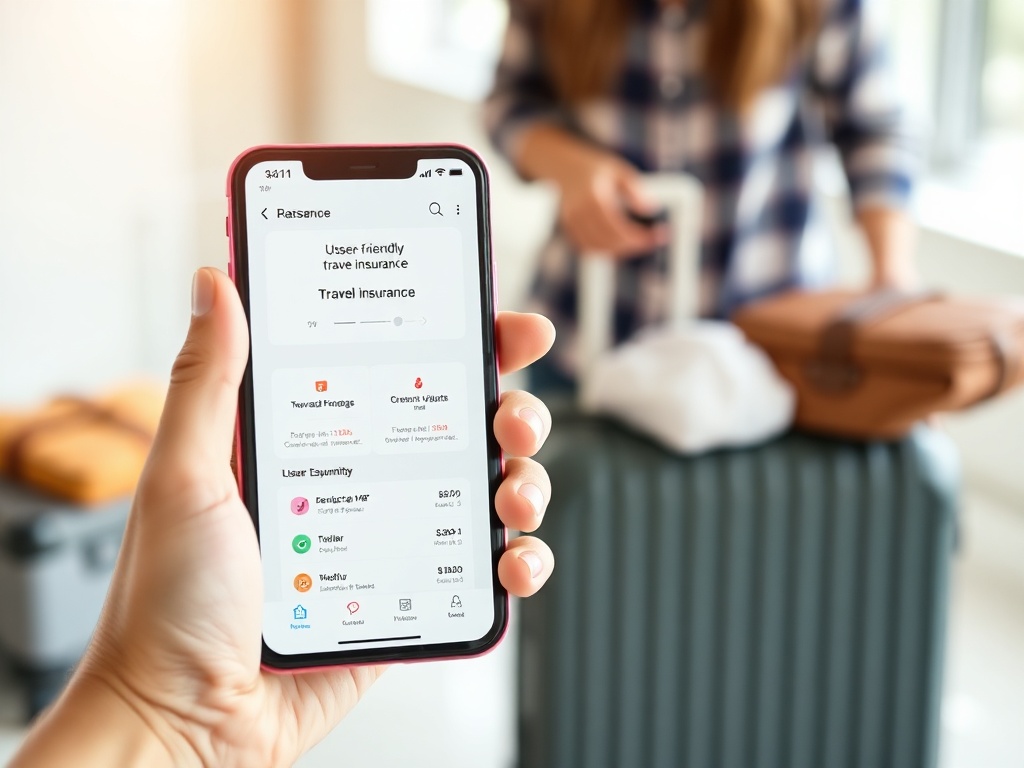
How to Choose the Right Travel Insurance
Selecting the right travel insurance involves a few straightforward steps. It's about matching the policy to your specific trip and personal circumstances.
Step 1: Assess Your Trip
Consider the basics of your trip. Where are you going? How long will you be there? What activities are you planning? A short domestic trip might require less comprehensive coverage than an international adventure involving hiking or water sports.
- Destination: Costs and risks vary significantly by country. For example, medical costs in the US are substantially higher than in many parts of Southeast Asia.
- Duration: Longer trips generally mean higher premiums.
- Activities: If you plan on skiing, scuba diving, or participating in extreme sports, ensure these are covered, as they often require specific add-ons or separate policies.
Step 2: Understand Your Needs
Think about what's most important to you. Are you concerned about medical expenses, trip cancellation, or lost baggage? Prioritize coverage based on your biggest worries.
- Medical Coverage: This is often the most crucial aspect. Look for high limits, typically at least $100,000 for medical expenses, and ensure it includes emergency evacuation.
- Trip Cancellation/Interruption: This covers costs if you have to cancel your trip before it starts or cut it short due to specific unforeseen circumstances (e.g., illness, death of a close relative).
- Baggage Loss/Delay: This covers the cost of replacing essential items if your luggage is lost or delayed for a significant period (e.g., over 12 hours).
Step 3: Compare Policies and Providers
Don't just buy the first policy you see. Use comparison websites or consult with an insurance broker to compare quotes and coverage levels from different companies. Pay close attention to the excess (the amount you pay towards a claim) and any exclusions.
- Read the fine print: This is non-negotiable. Understand what is and isn't covered. Common exclusions include pre-existing conditions not declared, injuries sustained while under the influence of alcohol, and claims for items left unattended.
- Check provider reviews: Look for insurers with a good reputation for customer service and claims handling. A cheap policy is no good if the company is difficult to deal with when you need to make a claim. ###
Example Scenarios:
- Scenario A: Weekend City Break (Domestic)
- Focus: Trip cancellation (if booking non-refundable accommodation), potentially lost baggage for longer domestic trips.
- Coverage Level: Basic, potentially just covering cancellation for significant events.
- Scenario B: Week-long European City Tour
- Focus: Comprehensive medical coverage, trip cancellation/interruption, baggage loss/delay, possibly 'cancel for any reason' add-on.
- Coverage Level: Mid-to-high, ensuring robust medical protection and flexibility.
- Scenario C: Adventure Trek in South America
- Focus: High-level medical coverage including evacuation, adventure sports cover, trip cancellation for remote locations.
- Coverage Level: High, with specific endorsements for adventure activities.
When Travel Insurance Might Not Be the Right Fit (Or Needs Careful Consideration)
While travel insurance is highly recommended for most travelers, there are situations where its benefit might be limited, or where you need to be exceptionally diligent.
Criteria to Verify:
- Very Short, Fully Refundable Trips: If you book a fully refundable hotel for a single night at a destination only an hour away, and the insurance cost is a significant percentage of the trip's value (e.g., $20 insurance for a $50 refundable hotel), the value proposition might be low. However, always weigh this against potential non-monetary costs like time lost to cancellations.
- Extensive Existing Coverage: Some premium credit cards offer travel insurance benefits. You must understand the limitations of these benefits. They might not cover pre-existing conditions, have lower payout limits, or only cover specific types of travel. Always read the fine print of your credit card's policy and compare it to standalone travel insurance.
- Extremely High-Risk Activities Not Covered: If your primary purpose is an activity that is almost universally excluded (e.g., professional extreme sports, participation in war zones), a standard policy won't help. In such niche cases, specialized insurance might exist, but it's often very expensive and hard to obtain.
Common Mistakes to Avoid:
- Not Declaring Pre-existing Conditions: This is perhaps the most common and costly mistake. Insurers consider this a breach of contract, and your entire policy could be voided. Be upfront and honest.
- Underestimating Coverage Needs: Assuming your standard health insurance is sufficient for international travel is a dangerous assumption. Medical costs abroad can be crippling without specific travel medical coverage.
- Not Understanding the Excess: A low premium might come with a high excess. If you have a small claim, the excess might be more than the claim is worth, making the insurance practically useless for minor incidents.
- Buying Insurance Too Late: Waiting until the last minute means you miss out on cancellation coverage for events that might happen before you leave. Purchase it as soon as you book.
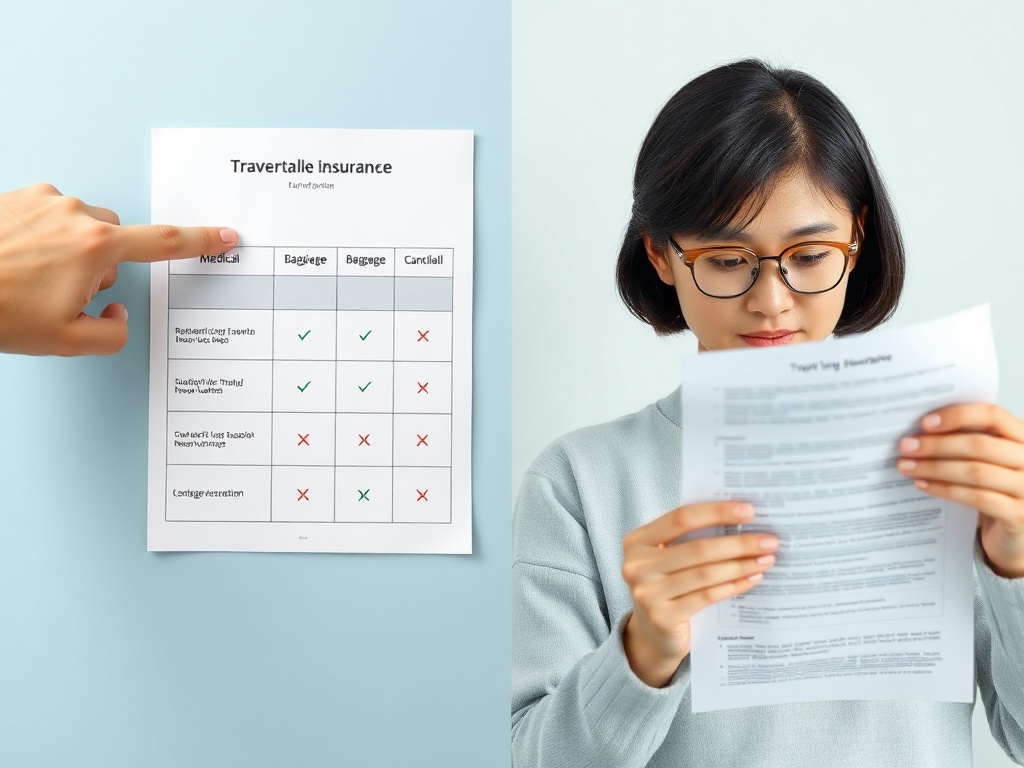
What Readers May Miss
Many travelers overlook the importance of understanding the specific terms and conditions of their policy. It's not enough to just have a policy; you need to know what it covers and, crucially, what it *doesn't
- cover. For example, many policies have a limit on the value of individual items covered for theft or loss. If you're carrying expensive electronics or jewelry, you might need to specify these items and potentially pay an additional premium. Furthermore, the definition of 'travel delay' can vary. Some policies only cover delays exceeding 12 or 24 hours, while others might offer compensation for shorter delays. Always check the trigger points for different types of claims. The 'emergency assistance' benefit is also often undervalued. Knowing you have a 24/7 number to call for help in an unfamiliar country can be incredibly reassuring during a stressful situation.
The Importance of Emergency Evacuation Coverage
This is a critical component that is sometimes bundled into medical coverage but should be explicitly checked. If you become seriously ill or injured in a remote location or a place with inadequate medical facilities, emergency medical evacuation can cost tens of thousands of dollars, or even hundreds of thousands, to transport you to a suitable hospital or back home. Standard health insurance rarely covers these costs, and without travel insurance that includes robust evacuation coverage, you could face immense personal debt.
Conclusion: Your Next Steps for Peace of Mind
Travel insurance is a vital tool for any traveler, from the weekend warrior to the seasoned globetrotter. It transforms potential financial disasters into manageable inconveniences, allowing you to focus on the joy of your journey.
Prioritize Coverage: For most weekend trips, focus on comprehensive medical protection and trip cancellation/interruption due to unforeseen events.
Compare Wisely: Use comparison tools and read policy documents carefully, paying attention to excesses and exclusions.
Buy Early: Secure your policy as soon as you book your travel to maximize your coverage. Action to Take Today: Before your next weekend getaway is booked, spend 15 minutes researching travel insurance options for that specific destination and duration. Even if you decide against it for a very short, fully refundable trip, the research will solidify your understanding of the risks and benefits.
Previous
Best South Korea Summer Beaches for Couples: Top Coastal Getaways
Next
Travel Insurance: Your Easy Guide
More in Travel

Slow Travel with Pets: A 4N5D Low-Walking Guide to Gangneung and Yangyang
Plan a relaxed 4-night, 5-day pet-friendly trip to Gangneung and Yangyang. Discover low-walking itineraries, budget tips, and safety checklists.
1N2D Couple's Travel: The Ultimate Food Allergy Survival Guide
Plan a safe 1-night, 2-day couple's trip abroad. Learn how to manage food allergies using public transit, prepare emergency cards, and build a backup plan.

Hanok Stays: Easy Transit Solo Travel Guide
Discover charming Korean Hanok stays accessible by public transit. Prioritize pace and ease on your solo or friends' weekend trip, avoiding car dependency.

Sick child during overseas travel: Managing care and costs
Learn how to manage a sick child during overseas travel when peak season bookings are full. Discover emergency alternatives, cost-saving tips, and next steps.