Weekend Water Sports in Korea: Top Spots for Beginners
Key Takeaways
Discover top water sports spots in Korea perfect for beginner weekend travelers. Find budget-friendly activities, public transport tips, and local food recommendations.
In my early twenties, I noticed that nearly 70% of my travel budget often went into accommodations and transportation alone. This realization pushed me to become a master of budget-friendly exploration, especially when it came to weekend getaways. For many first-time weekend travelers, the idea of adding an exciting, physically engaging activity like water sports might seem like an extravagance. However, with a bit of planning and a focus on local, accessible spots, it's entirely possible to dive into the thrill of Korean water sports without draining your wallet.
Why Weekend Water Sports in Korea? Breaking Down the Barriers
The thought of trying something new, especially a water sport, can be intimidating. Maybe you're worried about the cost, the travel logistics, or simply not knowing where to start. I've been there, staring at online advertisements for expensive resorts and feeling like these adventures were out of reach. But in my experience, Korean water sports destinations offer a refreshing escape from city life, often just a short train or bus ride away, and are surprisingly affordable if you know where to look. They provide a unique blend of adrenaline and natural beauty, perfect for shaking off the work week.
One of the biggest hurdles for weekend adventurers is often the perceived expense. High-end equipment, specialized training, and remote locations can quickly add up. However, the beauty of many popular Korean water sports spots lies in their accessibility and focus on beginner-friendly packages. Many operators offer all-inclusive rental fees for equipment and instruction, meaning you don't need to invest in a paddleboard or wetsuit before you even know if you'll enjoy it. The challenge, then, becomes identifying these accessible spots and understanding how to integrate them into a budget-conscious travel plan.
Where to Dip Your Toes: Top Water Sports Destinations for Beginners
When I plan a weekend trip, my criteria are always the same: accessible by public transport, affordable lodging, and local food options. Here are three fantastic places in Korea that tick all those boxes for water sports enthusiasts, especially beginners.
Gapyeong: The Lake Lover's Paradise
Gapyeong, often called the 'playground of Seoulites,' is a perennial favorite for good reason. Just an hour's train ride from the capital, it's renowned for its calm lake waters, making it ideal for a variety of water sports. For a beginner, the options here are fantastic. You can try wakeboarding, water skiing, or even just relax on a tubing session, being pulled across the lake at exhilarating speeds.
In my experience, a 20-minute wakeboarding or water skiing session, including basic instruction and equipment rental, typically costs around ₩30,000–₩45,000. Tubing is usually a bit less, around ₩15,000–₩25,000 for a similar duration. Many operators offer packages if you want to try multiple activities. Booking a guesthouse or a budget Airbnb near Gapyeong Station or the lake itself is easy, with prices often starting at ₩40,000–₩60,000 per night for a basic room, especially if you avoid peak summer weekends.
Getting there: The ITX-Cheongchun train from Yongsan or Cheongnyangni Station in Seoul takes about 60–70 minutes, costing around ₩5,900. Alternatively, intercity buses are slightly slower but often more frequent, taking about 90 minutes for a similar fare.
Where to eat:
- Local Dakgalbi Restaurant: Near the bus terminal, I've found small, family-run restaurants serving dakgalbi (spicy stir-fried chicken), a regional specialty. A generous portion for one typically costs around ₩12,000–₩15,000, making it a hearty and affordable meal after a strenuous day on the water.
- Riverside Cafe: For a quick pick-me-up, many cafes dot the riverside, offering coffee and simple pastries. Expect to pay around ₩4,000–₩6,000 for a coffee, perfect for enjoying the lake views.
- Gapyeong Market Stalls: Head to the traditional market for classic Korean street food like kimbap (seaweed rice rolls) and tteokbokki (spicy rice cakes). You can get a satisfying meal for under ₩10,000.
Chuncheon: Calm Waters and Scenic Kayaking
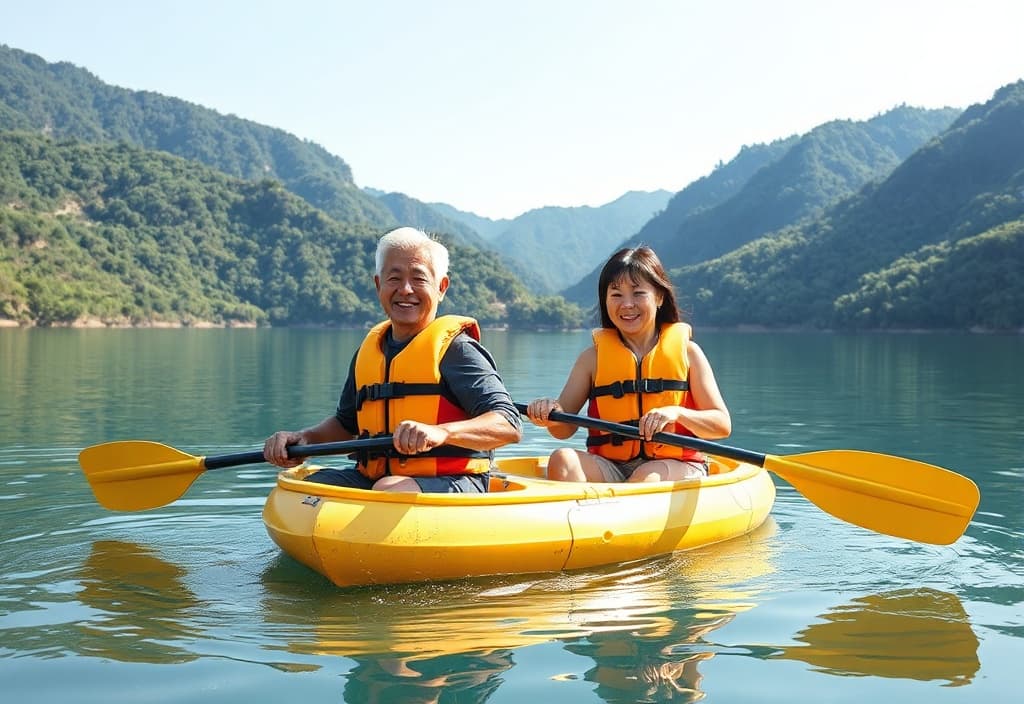
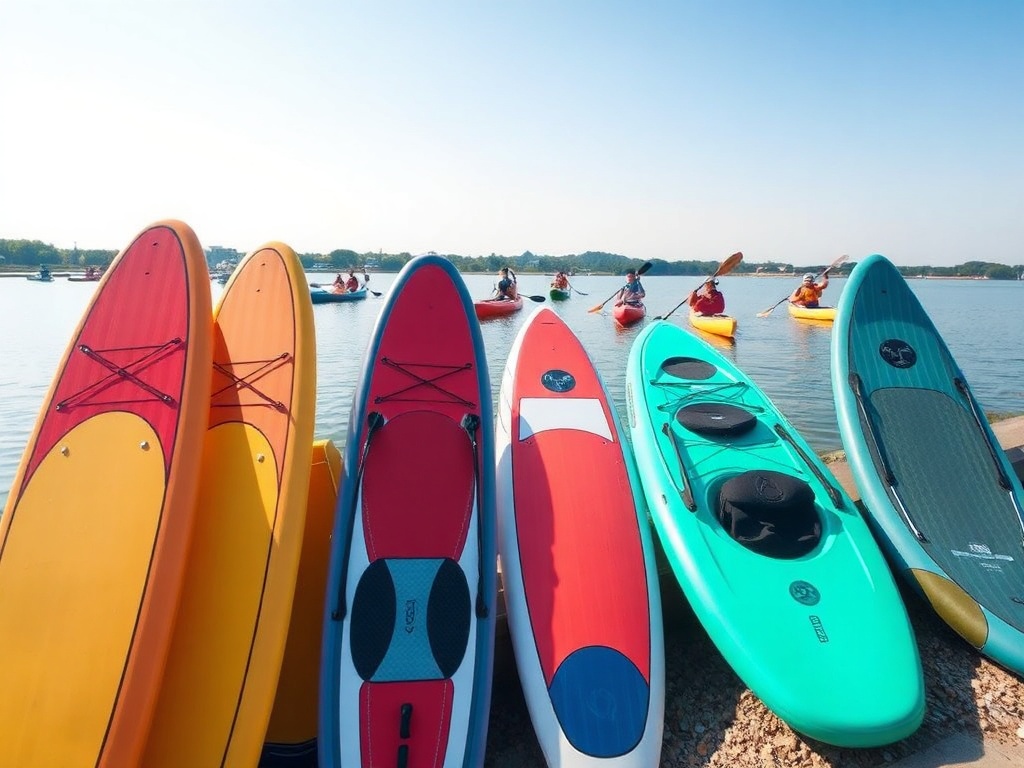
Just a bit further east from Gapyeong, Chuncheon offers a slightly calmer, more scenic water sports experience, particularly around Lake Uiam. This area is fantastic for kayaking, canoeing, and stand-up paddleboarding (SUP), providing a serene way to explore the lake's beautiful surroundings, including the famous Skywalk. It's less about high-speed thrills and more about peaceful exploration, making it perfect for those who want a gentle introduction to water sports.
Kayak or SUP rentals typically run for ₩10,000–₩20,000 per hour, often including basic instruction and a life vest. Group rates can sometimes offer a small discount. Accommodation in Chuncheon is plentiful, from budget motels to guesthouses, with prices often similar to Gapyeong, around ₩45,000–₩70,000 per night.
Getting there: Like Gapyeong, the ITX-Cheongchun train is the fastest option from Seoul, taking about 75–85 minutes and costing around ₩7,000. Intercity buses are also available and take about 1.5–2 hours.
Where to eat:
- Makguksu Specialty Restaurant: Chuncheon is famous for makguksu (buckwheat noodles). You'll find numerous restaurants specializing in this refreshing dish. A bowl typically costs ₩8,000–₩10,000 and is a light, perfect meal on a warm day.
- Lakeside Coffee Shop: There are several modern coffee shops with views of Lake Uiam, ideal for a relaxed afternoon. A coffee and a small dessert might set you back ₩7,000–₩10,000.
- Street Food Alley: Near the Chuncheon Myeongdong Dakgalbi Street (though I'd recommend seeking out smaller, less touristy places for dakgalbi), you can find various street food vendors selling Korean snacks for a quick and cheap bite, often ₩3,000–₩5,000 per item.
Yangyang: Gentle Waves for First-Time Surfers
If you've always dreamed of catching a wave, Yangyang on the eastern coast offers some of the best beginner-friendly surfing spots in Korea, particularly at places like Jukdo Beach or Hajodae Beach. The waves here are generally gentler than other major surf spots, making it an excellent place for your first surfing lesson or to try paddleboarding on the ocean. Many surf schools cater specifically to beginners, providing all the necessary gear and patient instruction.
A 2-hour beginner surf lesson, including board and wetsuit rental, usually costs around ₩50,000–₩70,000. Some schools offer packages for multiple lessons or full-day rentals. Budget accommodation often comes in the form of surf-themed guesthouses or hostels, with dormitory beds starting from ₩25,000–₩35,000 per night, and private rooms from ₩60,000–₩80,000.
Getting there: An express bus from Dongseoul Bus Terminal to Yangyang takes approximately 2–2.5 hours and costs around ₩15,000–₩18,000. From the Yangyang bus terminal, you'll need to take a local bus or taxi (about 10–15 minutes) to reach the main surf beaches.
Where to eat:
- Local Seafood Eatery: Given its coastal location, fresh seafood is a must. Look for smaller, unpretentious restaurants away from the main tourist strips offering simple grilled fish or seafood stews. A meal could cost ₩15,000–₩20,000.
- Surf Shop Cafe: Many surf shops double as cafes, offering casual meals like burgers, sandwiches, or light Korean fare. Prices are usually moderate, around ₩8,000–₩12,000 for a meal.
- Convenience Store Snacks: For the absolute lowest budget, convenience stores are plentiful and offer a wide range of instant noodles, kimbap, and other snacks, perfect for a quick, cheap bite, usually under ₩5,000.
What to Consider Before You Go: Navigating Your First Water Sports Trip
While the allure of a spontaneous weekend trip is strong, a little foresight can prevent common pitfalls and ensure a smooth, enjoyable experience. Based on my own travel mishaps, here are some critical caveats to consider:
- Weather Dependency: Water sports are highly weather-dependent. Always check the forecast 2–3 days before your trip. Strong winds, heavy rain, or thunderstorms can lead to cancellations, especially for surfing or open-water kayaking. Most operators will offer refunds or rescheduling, but it's best to be aware.
- Physical Fitness: While beginner activities are designed to be accessible, a basic level of fitness and comfort in the water is helpful. For example, wakeboarding requires some core strength, and kayaking can be tiring on the arms. Don't push yourself beyond your limits, and communicate any concerns to your instructor.
- Peak Season Crowds and Booking: Summer (July and August) is peak season for water sports in Korea. During this time, spots like Gapyeong and Yangyang can get very crowded. I've learned the hard way that not booking activities or accommodation at least 1–2 weeks in advance can lead to disappointment or higher prices. Weekdays or shoulder seasons (May-June, September-October) often offer a more relaxed experience and better deals.
- Packing Essentials: Beyond your swimwear, remember:
- Sunscreen (reef-safe recommended): The sun's reflection off the water intensifies its rays.
- Wide-brimmed hat and sunglasses: For eye and face protection.
- Quick-drying towel: Essential for after your activity.
- Change of clothes: You will get wet!
- Waterproof phone pouch: To protect your electronics and capture photos.
- Reusable water bottle: Stay hydrated, especially on warm days.
- Safety Briefings: Always pay close attention to safety instructions and wear all provided safety gear, such as life vests. These are not optional.
How to Keep Costs Down on Your Water Sports Adventure
Sticking to a budget while traveling doesn't mean sacrificing fun. Here's how I manage to enjoy water sports without overspending:
Prioritize Public Transport: As mentioned for each destination, Korea's train and bus networks are efficient and affordable. Avoid taxis or private cars unless absolutely necessary, as these can quickly double your transportation costs.
Opt for Guesthouses or Airbnbs: These often provide better value than hotels, especially if you're traveling solo or as a pair. Some even include basic breakfast, saving you another meal expense.
Eat Like a Local at Markets: My golden rule is to seek out traditional markets or small, local eateries. The food is often more authentic, more delicious, and significantly cheaper than tourist-oriented restaurants. Look for places packed with locals – that's usually a good sign.
Book Activities in Advance (and Look for Deals): Especially during peak season, pre-booking online can sometimes secure a better rate than showing up on the day. Keep an eye out for off-season discounts or group packages if you're traveling with friends.
Pack Smart: Bringing your own snacks, a reusable water bottle, and basic toiletries means you won't have to buy overpriced items at tourist shops or convenience stores near attractions.
Your First Step: Planning Your Trip to Gapyeong
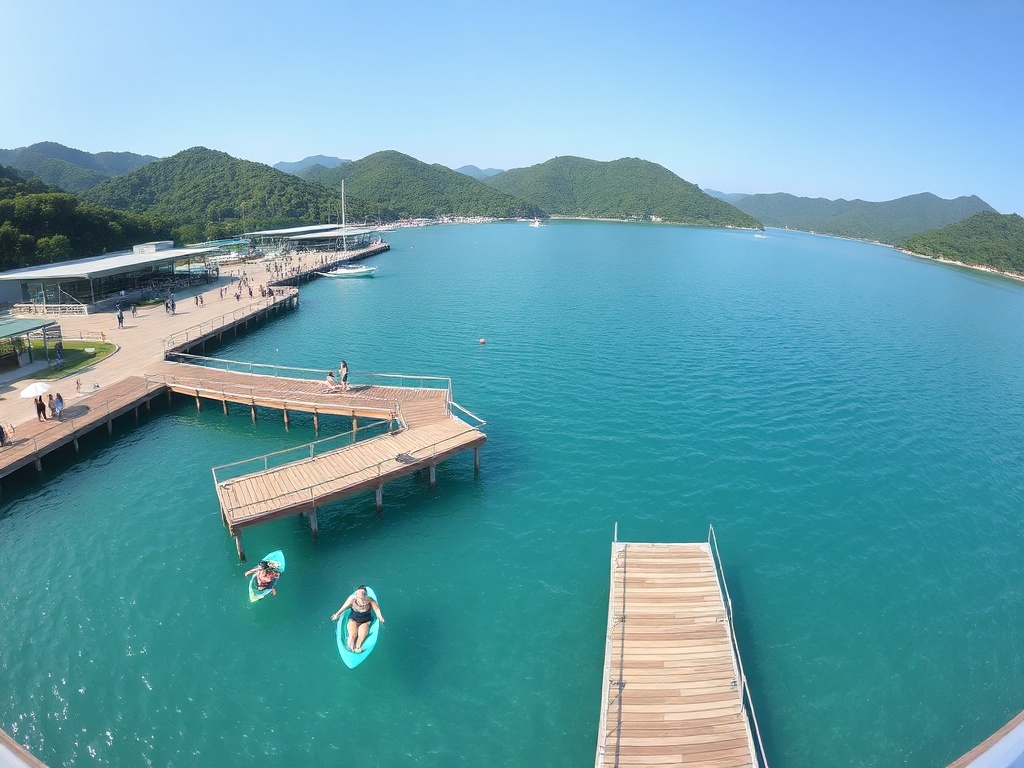
Feeling ready to take the plunge? Don't get overwhelmed by planning the entire trip at once. Your single most accessible first action should be to focus on one destination and tackle the immediate logistics. For a beginner, I strongly recommend starting with Gapyeong due to its proximity to Seoul and wide range of beginner-friendly activities.
Today, take 15–20 minutes to check the ITX-Cheongchun train schedule from Yongsan or Cheongnyangni Station to Gapyeong for your preferred weekend. Simultaneously, do a quick search on Airbnb or a local booking site for budget-friendly guesthouses in Gapyeong. Just seeing the options and understanding the travel time can make the whole trip feel much more achievable. You don't need to book anything yet, just gather the information.
Conclusion
Embarking on a water sports adventure in Korea doesn't have to be a luxurious, budget-busting endeavor. With careful planning, a reliance on public transport, and a taste for local experiences, you can easily enjoy the thrill of the water. Remember these three key takeaways:
Korea offers diverse, accessible water sports for beginners, from the calm lakes of Gapyeong and Chuncheon to the gentle waves of Yangyang.
Budget travel is entirely achievable by utilizing public transport, staying in guesthouses, and eating at local markets.
Preparation is key to avoiding disappointment, especially regarding weather, crowds, and booking ahead. Your first step towards an exciting water sports weekend is to choose a destination from the options above and verify the train or bus schedules for your preferred travel dates. Don't wait for the perfect moment; start planning your budget-friendly splash today!
Previous
Domestic travel destinations in Korea for families with children
Next
Weekend Water Sports in Korea: Top Spots for Beginners
More in Travel

Slow Travel with Pets: A 4N5D Low-Walking Guide to Gangneung and Yangyang
Plan a relaxed 4-night, 5-day pet-friendly trip to Gangneung and Yangyang. Discover low-walking itineraries, budget tips, and safety checklists.
1N2D Couple's Travel: The Ultimate Food Allergy Survival Guide
Plan a safe 1-night, 2-day couple's trip abroad. Learn how to manage food allergies using public transit, prepare emergency cards, and build a backup plan.
Hanok Stays: Easy Transit Solo Travel Guide
Discover charming Korean Hanok stays accessible by public transit. Prioritize pace and ease on your solo or friends' weekend trip, avoiding car dependency.

Sick child during overseas travel: Managing care and costs
Learn how to manage a sick child during overseas travel when peak season bookings are full. Discover emergency alternatives, cost-saving tips, and next steps.