2-Night, 3-Day Domestic Travel: Your Ultimate Office Worker Checklist

Key Takeaways
Optimize your 2-night, 3-day domestic travel with this checklist for office workers. Learn how to plan efficiently, avoid common pitfalls, and maximize your short getaway.
2-Night, 3-Day Domestic Travel: Your Ultimate Office Worker Checklist
A friend of mine once decided on a spontaneous 2-night, 3-day domestic trip, packing light and setting off with just a vague idea of where they wanted to go. They ended up spending half a day searching for accommodation, missed out on a few key attractions because they hadn't checked opening hours, and returned feeling more exhausted than refreshed. It was a classic example of good intentions meeting insufficient planning, especially for a short window of escape. As an office worker myself, I know all too well how precious those few days off are, and how easily a poorly planned trip can turn into another source of stress. Maximizing a 2-night, 3-day domestic travel course requires a strategic approach, focusing on efficiency, enjoyment, and genuine relaxation.
What Makes a Successful 2-Night, 3-Day Domestic Trip?
Before diving into specific itineraries, it's crucial to understand the underlying criteria that dictate a truly successful short getaway for a busy professional. My experience, both good and bad, has taught me that these elements are foundational:
1. Time Efficiency
For most office workers, weekends and public holidays are the only opportunities for these short trips. This means every hour, from Friday evening to Sunday night, is incredibly valuable. Minimizing travel time between your home and your destination, and then between attractions, is paramount. I always consider direct routes, express trains, or well-connected bus services that cut down transit significantly. For instance, opting for a destination that's a 1–2 hour train ride away rather than a 4-hour drive can save you half a day of travel, effectively adding an extra half-day to your vacation.
2. Realistic Budget Management
While a 2-night, 3-day trip is shorter, costs can still add up quickly. It's not just about accommodation and transport; food, activities, and souvenirs contribute significantly. I always set a rough budget before I start planning, typically breaking it down into categories like 'transport,' 'stay,' 'food,' and 'activities.' This helps me make informed choices, like whether to splurge on a nicer meal one night or save on accommodation to allow for a unique experience. Unexpected costs, such as parking fees or higher-than-anticipated entrance fees, can quickly derail a budget, so I factor in a 10–15% buffer for incidentals.
3. Balancing Relaxation and Exploration
This is a delicate act. Many of us want to see everything, but a packed schedule can lead to burnout. My personal preference leans towards a relaxed pace, allowing for spontaneous detours or simply enjoying the atmosphere. I aim for 2–3 main activities per full day, interspersed with ample downtime for coffee breaks, leisurely meals, or simply sitting by a window and watching the world go by. Remember, the goal isn't just to check off a list of sights, but to return feeling refreshed and invigorated. One common mistake I've seen, and made myself, is trying to fit 5+ major attractions into a single day, which inevitably leads to rushing and stress.
4. Seamless Logistics and Comfort
From booking accommodation to understanding local transportation, smooth logistics are key to a stress-free trip. I prioritize accommodation that is either centrally located or well-connected to public transport. Checking reviews for comfort, cleanliness, and quietness is also essential; a poor night's sleep can ruin the next day's plans. For packing, I opt for a small carry-on suitcase or a travel backpack to avoid the hassle of checked luggage and make moving between locations easier. My bag usually weighs around 7–8 kilograms for a 2N/3D trip, ensuring I have essentials without being weighed down.
5. Cultivating Flexibility
No matter how meticulously you plan, something unexpected might happen – a restaurant might be closed, weather could change, or a sudden detour might catch your eye. Having a degree of flexibility in your plans, or at least a relaxed attitude towards minor changes, can prevent small inconveniences from becoming major frustrations. I always have one or two 'optional' activities or dining spots in mind that I can swap in or out depending on how the day unfolds, rather than a rigid, minute-by-minute schedule. This loose structure allows for genuine exploration and discovery.
How to Structure Your 2-Night, 3-Day Getaway?
Once you understand the key criteria, you can choose the best approach for your trip. There are typically a few ways to structure a short domestic escape, each with its own benefits and drawbacks.
Option 1: Single Destination Deep Dive
This approach focuses on spending all three days in one city or region. It's my go-to for maximizing relaxation and minimizing travel stress.
- Pros: Significantly reduces travel time, allowing for more actual vacation time. You can immerse yourself more deeply in the local culture, explore hidden gems, and truly get a feel for the place. Logistics are simpler as you only unpack once. For instance, if you choose a coastal city, you can spend time on the beach, explore its historical district, enjoy local seafood, and even take a short hike in a nearby park without feeling rushed.
- Cons: Might feel limited if you crave variety or want to see multiple distinct landscapes. If the chosen destination doesn't quite meet expectations, there's less opportunity to pivot.
- Ideal For: Travelers who prioritize relaxation, cultural immersion, or specific activities within one locale. It's also excellent for first-time visitors to a particular region who want to explore it thoroughly.
Option 2: Multi-Destination Blitz (Adjacent Areas)
This involves visiting two closely located spots, usually spending one full day in the first location and transitioning to the second for the final day and a half.
- Pros: Offers a greater variety of experiences and scenery. You can combine, for example, a vibrant city experience with a serene natural escape. This is a good choice if you're torn between two nearby places and want a taste of both.
- Cons: Requires careful planning to ensure travel between destinations doesn't eat up too much precious time. You'll likely spend more time packing and unpacking, and potentially dealing with more transport changes. There's a higher risk of feeling rushed if the locations are not truly adjacent or the travel logistics are underestimated. I've found that even a 1-hour transit between two places can quickly turn into 2-3 hours with waiting, check-in, and transfer times.
- Ideal For: Those who enjoy a faster pace and want to experience different facets of a region. It's crucial to choose locations that are genuinely close, perhaps a 30–60 minute train or bus ride apart, to make this viable.
Option 3: Activity-Focused Retreat
This option centers your entire trip around a specific activity or interest, such as a wellness spa retreat, a hiking expedition, a cycling tour, or a culinary workshop.
- Pros: Provides a clear purpose for your trip and can be incredibly rewarding for those with specific hobbies. It often leads to a deep sense of accomplishment or profound relaxation, depending on the activity. The itinerary practically builds itself around the chosen focus.
- Cons: Less emphasis on general sightseeing, which might not appeal to everyone. If the activity doesn't pan out as expected (e.g., due to weather), the entire trip's enjoyment could be compromised.
- Ideal For: Travelers with a strong passion for a particular activity or those seeking a highly specialized experience. For example, a friend and I once did a 2-night, 3-day trip focused solely on exploring different regional craft breweries, which was a fantastic and unique experience.
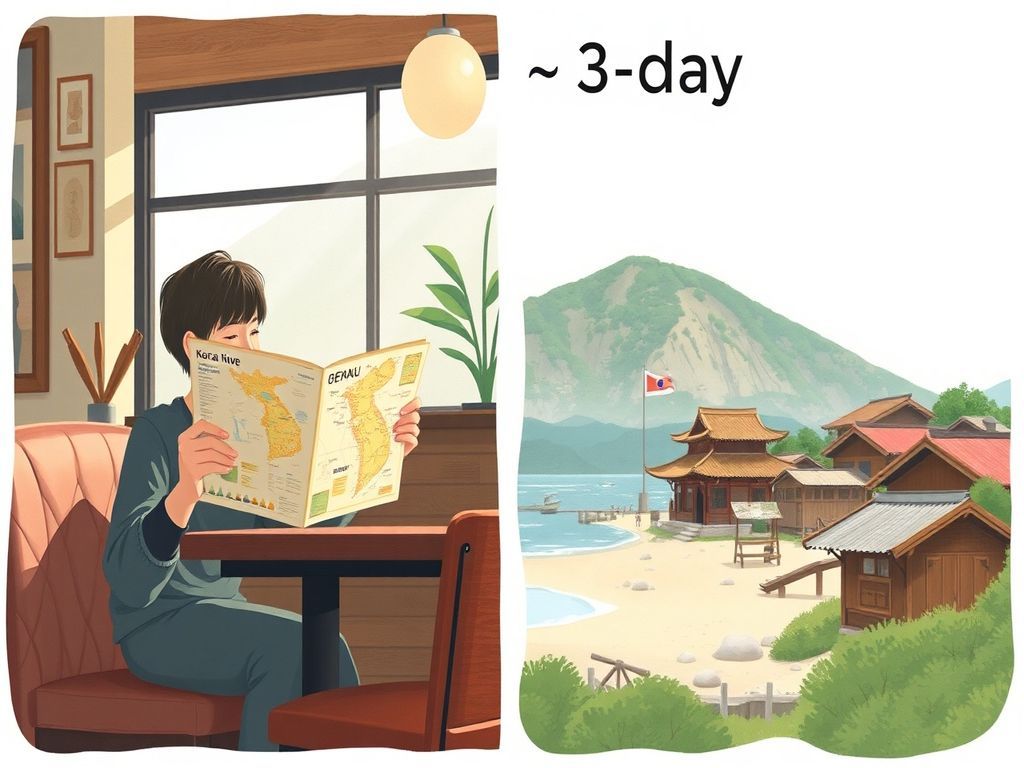
Crafting Your Ideal 2-Night, 3-Day Itinerary
Now that we've explored the different structural approaches, let's look at how to build a practical itinerary. My recommendation for office workers is generally to lean towards the "Single Destination Deep Dive" or a very carefully planned "Activity-Focused Retreat" to maximize rest and enjoyment.
General Flow for a Single Destination Trip:
- Day 1 (Friday Evening/Saturday Morning): Arrival and Immersion
- Travel to destination (aim for arrival before noon on Saturday if possible). I often leave directly from work on a Friday afternoon, taking an evening train or bus to get a head start.
- Check into accommodation. Secure your bags and freshen up.
- Explore the immediate vicinity: grab a casual lunch, take a walk around your neighborhood to get your bearings.
- Late afternoon/Evening: Enjoy a relaxing dinner. For a relaxed evening, I often look for local eateries or cafes with a cozy atmosphere rather than formal restaurants. Something like a traditional market stall or a small, family-run restaurant where the focus is on simple, well-prepared dishes and a comfortable vibe. These usually fall into the mid-range price band (around ₩15,000–₩30,000 per person) and are often conveniently located near main attractions or within walking distance of my accommodation. My preference is for places that allow for a leisurely meal without feeling rushed, perhaps a spot known for its regional specialties.
- Day 2 (Saturday/Full Day): Main Exploration and Experience
- Morning: Enjoy a leisurely breakfast. Head out for your primary chosen activity or attraction. This could be a museum, a scenic hike, a cultural village, or a specific shopping district.
- Lunch: Try a local specialty. My advice is to avoid overly touristy spots and seek out places favored by locals, often found a few streets away from the main thoroughfare. These spots are often excellent value and provide a more authentic experience.
- Afternoon: Engage in a secondary activity or simply relax at a local cafe. Perhaps a unique experience like a cooking class, a pottery workshop, or a boat tour if available.
- Evening: A special dinner. This is where you might choose a slightly nicer restaurant or one known for its specific cuisine. Afterwards, perhaps a visit to a local bar or simply an early night to recharge.
- Day 3 (Sunday): Leisurely Departure
- Morning: Enjoy a final local breakfast. Depending on your travel schedule, you might fit in some souvenir shopping or visit one last small attraction.
- Check out from accommodation (or arrange for late check-out/bag storage).
- Travel back home, aiming to arrive by late afternoon or early evening to allow for unpacking and preparation for the week ahead. I always make sure to schedule my return travel to give me at least 2–3 hours at home before bedtime, allowing for a smooth transition back to daily life. This structure offers a balance, ensuring you see enough to feel you've had a proper trip, but also allowing for genuine relaxation. It factors in travel time and doesn't over-schedule.
Common Pitfalls and How to Avoid Them
Even with the best intentions, short trips can go awry. Based on my own experiences and observations, here are some red flags and common mistakes office workers make when planning a 2-night, 3-day domestic trip:
1. Overpacking the Itinerary
Warning: The biggest trap for any short trip is trying to cram too much into too little time. You might feel obligated to visit every famous landmark, but this often leads to exhaustion and a superficial experience. For example, attempting to visit 5 major museums and historical sites in a single day is simply not feasible for enjoyment, even if they are geographically close. You'll spend more time commuting and waiting than truly appreciating what you're seeing.
How to Avoid: Be realistic. Select 2–3 key attractions or experiences per full day and allow ample time for each, including travel to and from, breaks, and unexpected delays. It's better to fully enjoy a few things than rush through many.
2. Underestimating Travel Time
Warning: Google Maps or navigation apps often give optimistic travel times, especially when factoring in public transport connections, waiting for taxis, or unexpected traffic. A stated 1-hour train ride might mean 30 minutes to get to the station, 15 minutes waiting, 1 hour on the train, and another 30 minutes to get from the destination station to your actual attraction. This can easily add 1–2 hours to each leg of travel.
How to Avoid: Always add a 30–45 minute buffer to any estimated travel time, especially if you have a scheduled booking or connection. For longer distances, consider leaving on Friday evening after work to maximize your Saturday and Sunday.
3. Ignoring Peak Season and Holiday Crowds
Warning: Popular domestic destinations can become incredibly crowded during school holidays, long weekends, or specific festival periods. This means longer queues, packed public transport, higher prices for accommodation, and a generally less peaceful experience. I once went to a popular mountain region during a public holiday, and the hiking trails felt more like a city street, which completely negated the feeling of being in nature.
How to Avoid: If your schedule allows, try to travel during off-peak times. If you must travel during a busy period, book accommodation and popular attractions at least 2–3 weeks in advance. Some popular spots might even require booking 1–2 months ahead, so always check. Be prepared for crowds and adjust your expectations accordingly, perhaps seeking out lesser-known spots.
4. Neglecting Pre-Bookings for Accommodation and Popular Activities
Warning: Forgetting to book accommodation, popular restaurants, or specific tours in advance, especially for a short trip, can lead to limited options, higher prices, or complete disappointment. Imagine arriving late on a Friday evening only to find all preferred hotels fully booked.
How to Avoid: Book your accommodation as soon as your dates are firm. For popular activities or restaurants you really want to try, make reservations at least a week prior. Booking accommodation at least 2 weeks in advance can often save around 15–20% on average prices compared to last-minute bookings, based on my observations.
5. Not Having a Backup Plan
Warning: Relying solely on outdoor activities without considering alternatives for bad weather, or not knowing what to do if a planned attraction is unexpectedly closed, can lead to wasted time and frustration. A friend once planned an entire day around a specific historical site, only to find it closed for maintenance, leaving them scrambling for an alternative.
How to Avoid: Have at least one indoor alternative activity in mind for each day, especially if your primary plans are weather-dependent. Check official websites for opening hours and any announcements about closures before your trip and even the morning of your visit.
6. Over-Reliance on Digital Tools
Warning: While smartphones are incredibly useful, an over-reliance on them can backfire if you lose signal, run out of battery, or face unexpected technical issues. I once found myself in a rural area with no data signal, unable to access my digital maps or booking confirmations.
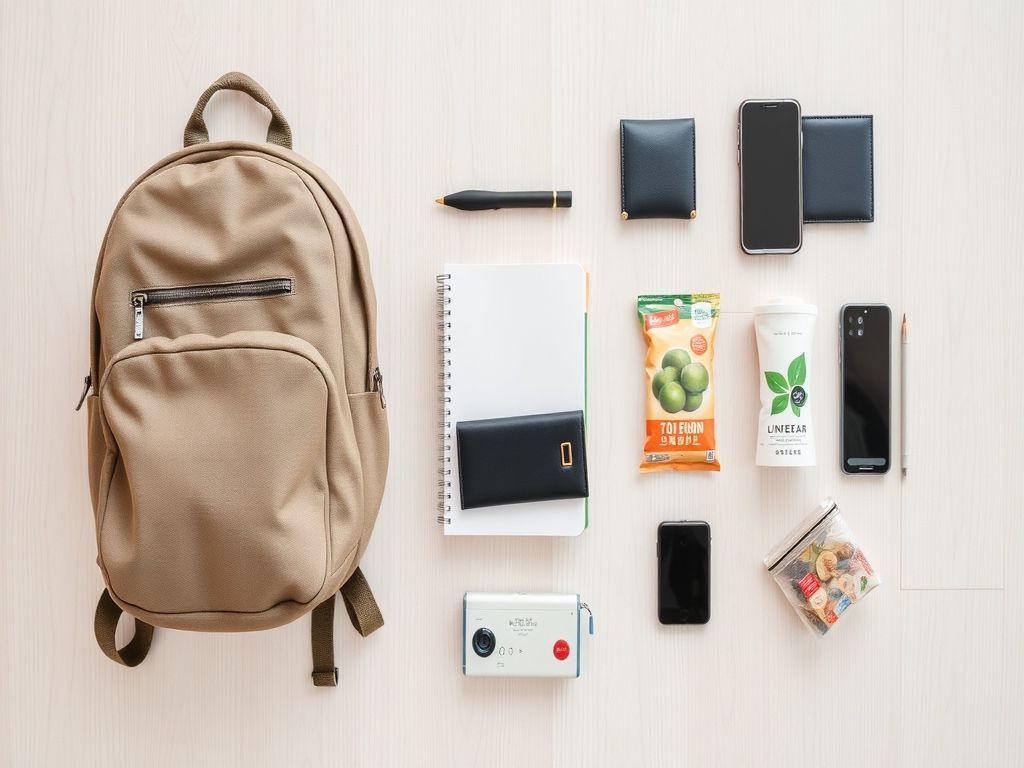
How to Avoid: Download offline maps of your destination. Keep screenshots of important booking confirmations, addresses, and contact numbers. Consider carrying a small, portable power bank to ensure your devices stay charged throughout the day. A printed copy of essential information can be a lifesaver.
Conclusion
A 2-night, 3-day domestic trip offers a wonderful opportunity to recharge and explore without needing extensive time off work. To make the most of these precious short getaways, remember three key principles: meticulous yet flexible planning is your best friend, balancing activity with genuine relaxation is paramount, and anticipating potential pitfalls will save you from unnecessary stress. Don't let the brevity of the trip lead to a rushed, unenjoyable experience. Instead, view it as a focused opportunity for rejuvenation and discovery. My advice is to start by deciding on ONE primary goal for your next 2-night, 3-day trip – whether it's pure relaxation, an adventure, or deep cultural immersion – and then plan everything else around that core objective to ensure a truly satisfying escape.
Previous
Jeju Island with a Baby & Pet: A Budget Traveler's Guide
Next
2-Night, 3-Day Domestic Travel: Your Ultimate Office Worker Checklist
More in Travel

Slow Travel with Pets: A 4N5D Low-Walking Guide to Gangneung and Yangyang
Plan a relaxed 4-night, 5-day pet-friendly trip to Gangneung and Yangyang. Discover low-walking itineraries, budget tips, and safety checklists.
1N2D Couple's Travel: The Ultimate Food Allergy Survival Guide
Plan a safe 1-night, 2-day couple's trip abroad. Learn how to manage food allergies using public transit, prepare emergency cards, and build a backup plan.
Hanok Stays: Easy Transit Solo Travel Guide
Discover charming Korean Hanok stays accessible by public transit. Prioritize pace and ease on your solo or friends' weekend trip, avoiding car dependency.

Sick child during overseas travel: Managing care and costs
Learn how to manage a sick child during overseas travel when peak season bookings are full. Discover emergency alternatives, cost-saving tips, and next steps.