Korean Beach Destinations for Summer and Essential Preparation Guide
Key Takeaways
Discover quiet Korean beach recommendations for summer and a detailed packing guide. Learn how to transition from crowded spots to peaceful coastal retreats.
Korean Beach Destinations for Summer and Essential Preparation Guide
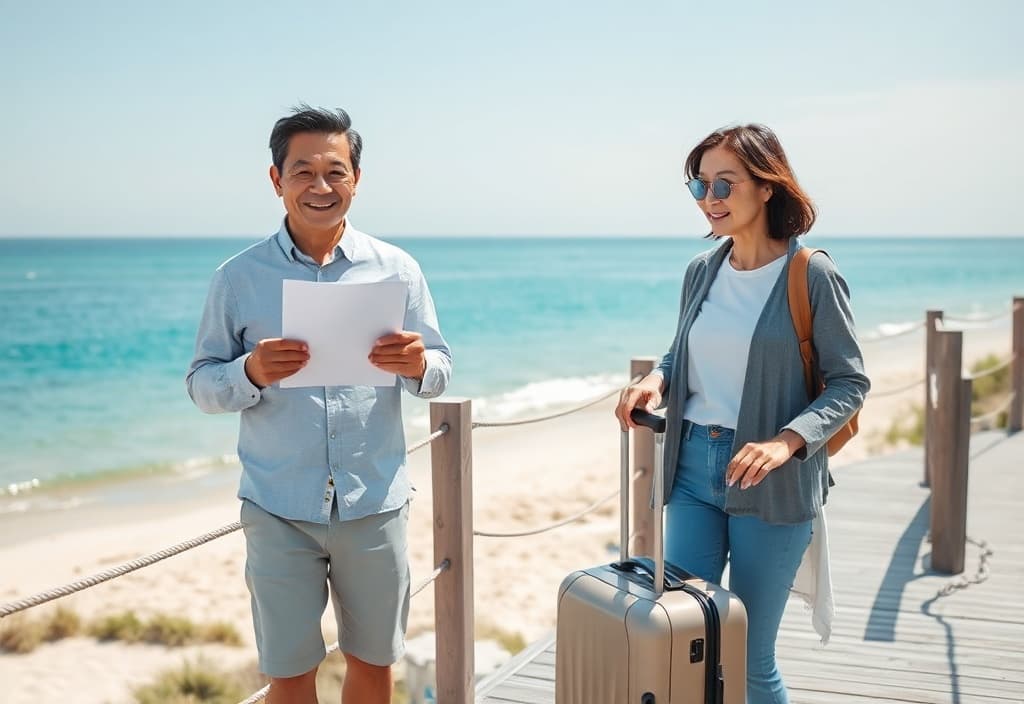
If you've ever arrived at a crowded Korean beach only to realize you've forgotten the specific gear needed to navigate the local rental systems or the changing weather patterns, you know how quickly a relaxing trip can turn into a logistical headache. Traveling as a couple in our 50s, my partner and I have shifted our focus from the high-energy, neon-lit boardwalks to the quieter corners of the peninsula. This transition requires a different level of preparation and a more nuanced understanding of how coastal tourism in Korea has evolved over the last two decades.
How the Korean Beach Experience Has Evolved
In the past, the domestic summer holiday was almost synonymous with a trip to the major hubs in Gangneung or Busan. The strategy was simple: pack a basic swimsuit, head to the most popular shore, and rent a colorful parasol from a local vendor. These trips were characterized by high density, loud music, and a standardized experience where every visitor occupied a 2-meter by 2-meter square of sand. The focus was on the spectacle of the crowd rather than the serenity of the ocean.
Today, the landscape of domestic travel has shifted toward what many call 'Slower Travel.' According to a 2023 survey by the Korea Tourism Organization, approximately 65% of domestic travelers now prioritize 'relaxation' and 'nature' over 'active sightseeing' or 'famous landmarks.' This change is driven by a desire to escape the digital saturation of city life. We now see a rise in 'car-camping' (chabak) and the use of personal, high-quality shade structures instead of relying on communal rentals. The modern traveler is more likely to seek out a hidden cove in Goseong or a quiet village in Namhae than to fight for space on a crowded urban beach.
Going forward, we can expect even more integration of technology and sustainability. Many beaches are moving toward digital reservation systems for parking and shade spots to prevent overcrowding. There is also a growing emphasis on 'clean-camping' and 'zero-waste' beach trips. As of early 2026, many local municipalities have introduced stricter waste disposal fees and mandatory recycling zones. Understanding these shifts is essential for any domestic travel enthusiast who wants to enjoy the coast without the stress of the past.
Recommended Coastal Destinations for Slower Travel
When looking for a more peaceful experience, I recommend looking toward the northern reaches of the East Sea or the intricate coastlines of the South Sea. These areas offer a different pace of life and more opportunities to connect with the local environment.
The Northern Tip of Gangwon-do
Goseong is often overlooked in favor of its southern neighbors, Sokcho and Yangyang. However, the beaches here, such as those near the northern border, offer incredibly clear water and a much quieter atmosphere. Because this area is further from the metropolitan expressways, it tends to attract fewer day-trippers and more long-term stayers.
For a meal, there is a traditional buckwheat noodle (Makguksu) house located about 15 minutes inland from the coast. The vibe is very rustic, featuring traditional floor seating and a view of the mountains. A bowl of cold noodles usually costs between 10,000 and 13,000 KRW. It fits perfectly into a sightseeing flow after a morning of swimming, providing a cooling meal before the afternoon heat peaks.
The Scenic Shores of Namhae
The South Sea, particularly around Namhae, offers a landscape of emerald waters and terraced fields. The beaches here are often smaller, tucked away in bays that protect them from large waves, making them ideal for those who prefer calm water. The silver sand beaches in this region are particularly famous for their surrounding pine forests, which provide natural shade.
Near the main silver sand beach, you can find several small seafood specialty restaurants. I recommend trying the local anchovy specialty (Ssambap), which involves wrapping seasoned fish in fresh greens. A meal for two typically costs around 30,000 to 40,000 KRW. This is a great choice for a late lunch around 14:00 when the midday sun is at its strongest and you need a break from the shore.
The Sunset Coast of Taean
For those who enjoy the drama of the tides, the west coast of Taean is unmatched. The beaches here are vast, and the water recedes significantly during low tide, revealing mudflats where you can observe local marine life. The sunsets on this side of the peninsula are some of the most spectacular in the country.
In practice, a visit to Taean is not complete without trying the regional crab stew (Ge-guk-ji). There is a well-known restaurant located roughly 200 meters from the entrance of the main beach that serves a hearty pot filled with local blue crabs and aged kimchi. This dish is priced around 50,000 to 60,000 KRW for a medium size, which easily feeds two to three people. It is the perfect way to end a day of watching the sunset over the Yellow Sea.
Essential Preparation and Packing List
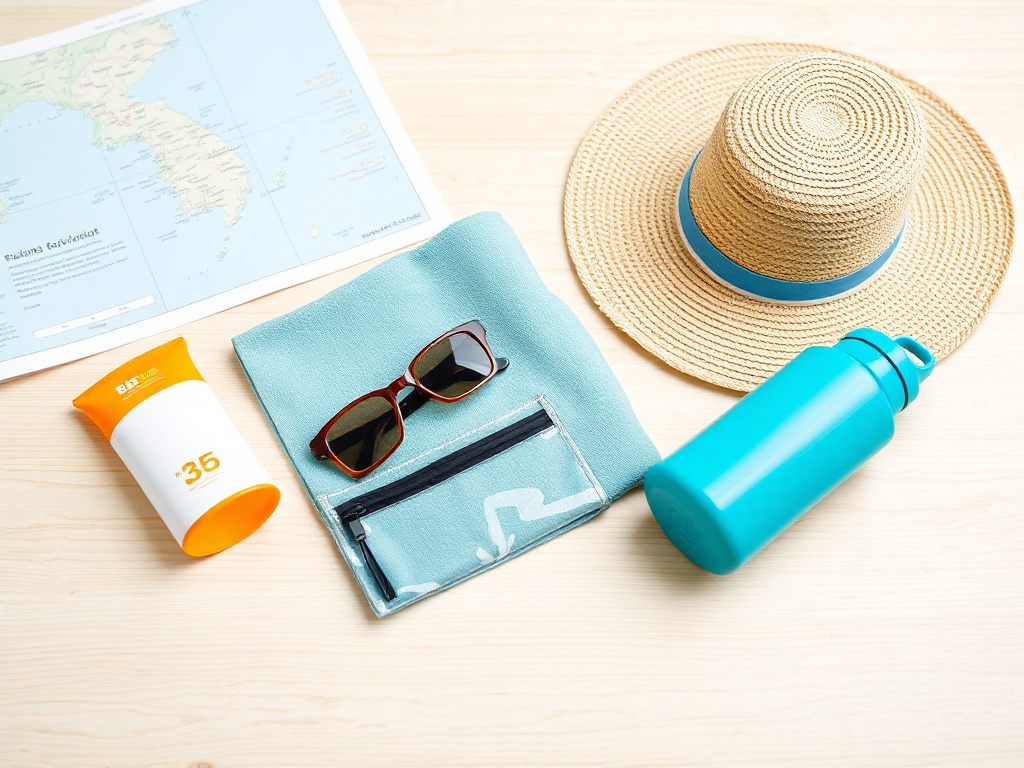
Success at a Korean beach depends heavily on having the right equipment. Unlike some international destinations where you can simply show up with a towel, the infrastructure here often assumes you have certain items or are prepared to pay for them. This is general information only; always check current local regulations before your trip.
- Sun Protection (SPF 50+): The reflection of the sun off the white sand and water can be intense. Use a high-SPF, water-resistant sunscreen and reapply every 2 hours.
- Water Shoes with Grips: Many of the quieter beaches in Goseong or Namhae have rocky sections or hidden shells. A pair of sturdy water shoes prevents cuts and slips.
- Portable Power Bank: If you are using navigation apps or taking photos, your battery will drain quickly in the heat. A 10,000mAh bank is usually sufficient for a day trip.
- Dry Bags: Essential for keeping your electronics and car keys safe from both sand and sudden splashes. A 5-liter bag is a versatile size for couples.
- Microfiber Towels: These dry much faster than traditional cotton towels, which is crucial if you are moving between different spots or staying in a local guesthouse.
- Local Currency (Small Denominations): While most places take cards, small stalls for snacks or coin-operated showers may require 1,000 or 5,000 KRW bills.
- Foldable Chairs: For the best experience at quiet beaches, bringing your own lightweight, foldable chairs allows you to sit closer to the water than the fixed rental parasols allow.
- Insulated Water Bottle: Staying hydrated is vital. A 1-liter insulated bottle will keep water cold for 8–10 hours even in direct sunlight.
Why Your Beach Strategy Might Fail
It is important to recognize that even the best-planned trip can encounter obstacles. One common mistake is ignoring the 'break time' for lifeguards. In many managed Korean beaches, there is a mandatory 15-minute or 30-minute period every hour—or a longer break around 12:00—where everyone must exit the water for safety checks. Failing to account for this can lead to frustration if you've just geared up to swim.
Another critical caveat is the 'opening season.' Most official beaches in Korea only provide safety services, open shower facilities, and allow swimming from early July to late August. If you visit in June or September, the water may be accessible, but there will be no lifeguards, and most amenities will be locked. Furthermore, the weather on the East Sea can be unpredictable. A 'low-wave' forecast can change within 3 hours, leading to a sudden ban on swimming. Always have a backup plan, such as a local museum or a forest trail, in case the beach is closed for safety reasons.
Finally, do not assume that 'quiet' means 'empty.' During the peak holiday week (usually the last week of July and the first week of August), even the most remote beaches in Goseong will see a significant influx of visitors. If you are seeking true solitude, you must avoid this 10-day window.
How to Choose Your Destination
When deciding where to go, use these two criteria to narrow down your options:
Risk Tolerance for Tides: If you want consistent swimming conditions throughout the day, choose the East Sea. The tide change is minimal (usually less than 30cm). If you enjoy exploring tide pools and don't mind the water disappearing for several hours, the West Sea is a better fit.
Travel Time vs. Seclusion: Beaches within 3 hours of Seoul will always be busier. If you are willing to drive 4–5 hours to the southern tip of the peninsula, your reward will be significantly fewer crowds and a more authentic 'local' feel.
Critical Caveats and What Readers Often Miss
Many travelers miss the fact that many coastal areas are now implementing 'Digital Green' initiatives. This means that certain parking lots or premium shade zones must be booked via a local app or website 24–48 hours in advance. If you simply show up, you might find yourself parked 1 kilometer away from the shore.
Additionally, verify the 'jellyfish status' before you depart. In recent years, warmer water temperatures have led to an increase in sightings. Local news outlets or the Korea Maritime Institute often provide updates on coastal water quality and safety. If there has been a heavy rainstorm within the last 24 hours, it is often wise to wait, as runoff can temporarily affect water cleanliness.
Summary of Key Points
Shift in Focus: Move from crowded famous spots to regions like Goseong or Namhae for a slower, more intentional experience.
Proper Equipment: Prioritize sun protection, water shoes, and personal shade to maintain independence from rental vendors.
Awareness of Rules: Respect lifeguard break times and official opening seasons to avoid logistical disappointments. Action to take today: Check the official opening dates for the specific beach you plan to visit and verify if their parking system requires an advance online reservation. Planning these small details now will ensure your summer trip remains a relaxing escape rather than a series of avoidable hurdles.
Previous
Cebu Travel Guide: A Solo Traveler Itinerary for Efficiency
Next
Korean Beach Destinations for Summer and Essential Preparation Guide
More in Travel

Slow Travel with Pets: A 4N5D Low-Walking Guide to Gangneung and Yangyang
Plan a relaxed 4-night, 5-day pet-friendly trip to Gangneung and Yangyang. Discover low-walking itineraries, budget tips, and safety checklists.
1N2D Couple's Travel: The Ultimate Food Allergy Survival Guide
Plan a safe 1-night, 2-day couple's trip abroad. Learn how to manage food allergies using public transit, prepare emergency cards, and build a backup plan.
Hanok Stays: Easy Transit Solo Travel Guide
Discover charming Korean Hanok stays accessible by public transit. Prioritize pace and ease on your solo or friends' weekend trip, avoiding car dependency.
Sick child during overseas travel: Managing care and costs
Learn how to manage a sick child during overseas travel when peak season bookings are full. Discover emergency alternatives, cost-saving tips, and next steps.