Best South Korea Summer Beaches for Couples: Top Coastal Getaways

Key Takeaways
Discover the best South Korea summer beaches for couples. From Gangneung to Busan, find the perfect coastal escape with expert timing and restaurant tips.
Best South Korea Summer Beaches for Couples: Top Coastal Getaways
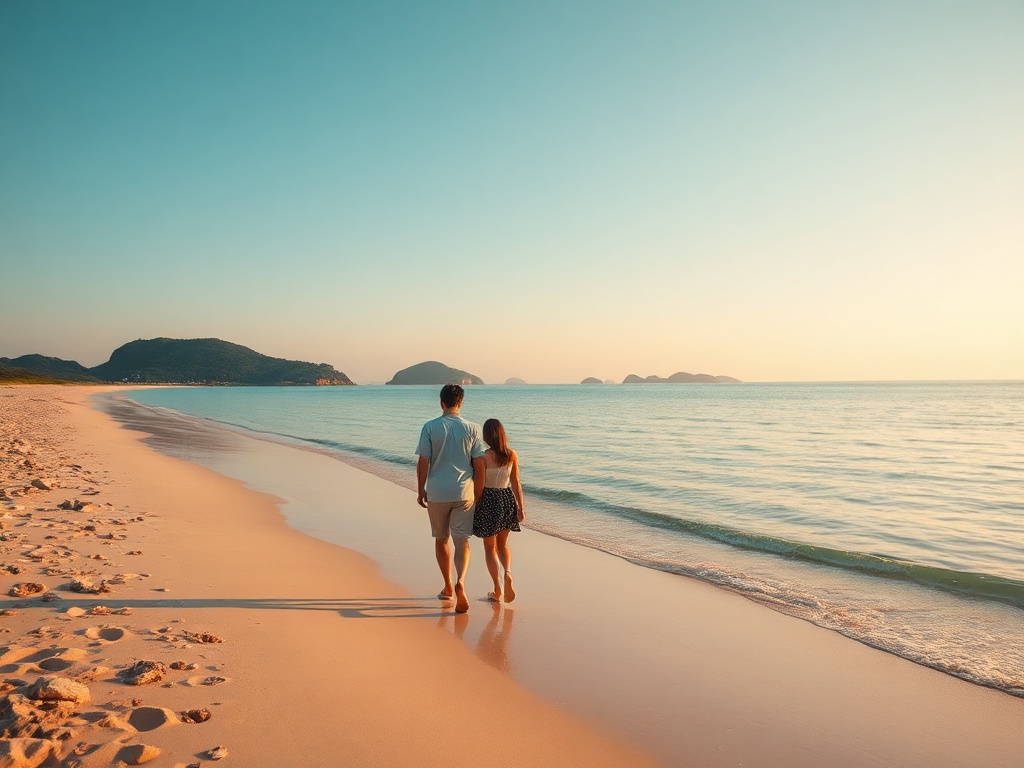
The short answer is that the best summer beaches for couples in South Korea are Gyeongpo Beach for classic convenience, Surfyy Beach for a modern social atmosphere, and Hyeopjae Beach for unparalleled scenery. Here's why. Choosing the right coastal destination depends less on the sand itself and more on the surrounding infrastructure, the ease of the commute, and the quality of the local dining scene. For a couple seeking a balance between relaxation and activity, the logistical flow of the trip determines whether the weekend is a romantic escape or a stressful endurance test.
As a dad who coordinates family trips 4–5 times a year, I have spent a significant amount of time analyzing itinerary efficiency. While I usually travel with two elementary-age kids, the lessons learned regarding traffic patterns, peak-hour wait times, and the reality of 'seasonal pricing' apply equally to couples. In fact, couples have the advantage of mobility, but they often fall into the trap of over-scheduling, which leads to spending more time in a hot car than on the actual beach.
Why planning a summer beach trip is surprisingly difficult
Summer travel in South Korea, particularly between mid-July and mid-August, is defined by extreme humidity and high population density at coastal hubs. It is not uncommon for the Yeongdong Expressway to see a 30% increase in traffic volume during the first weekend of August compared to June. This means that a standard 2.5-hour drive to the East Coast can easily balloon into a 6-hour crawl. For a couple on a short two-day getaway, losing 12 hours to a round-trip commute is a significant failure in planning.
Furthermore, the 'bashing' or price-gouging culture at popular beaches remains a persistent issue. You might find that a simple plastic parasol rental costs 20,000 KRW, or a basic bowl of raw fish soup is priced at double the standard rate. Navigating these pitfalls requires a combination of early-bird timing and local knowledge. The heat itself is another factor; with temperatures frequently hitting 33–35 degrees Celsius, the window for enjoyable outdoor activity is much smaller than most people anticipate.
The impact of the monsoon season
One of the biggest variables is the 'Jangma' or monsoon season. Traditionally occurring from late June to mid-July, it can arrive unexpectedly or linger into late July. This period brings heavy rainfall and high waves, often leading to 'No Swimming' red flag warnings. If you book a non-refundable pension months in advance without checking the long-term precipitation trends, you may end up spending your beach holiday staring at the rain from a window. I always recommend checking the Korea Meteorological Administration (KMA) forecasts 3–5 days before departure and having a 'Plan B' involving indoor museums or cafes.
Top recommendations for a couple's coastal escape
When selecting a destination, you must decide what kind of 'vibe' you want. Some couples prefer the high-energy, urban feel of a city beach, while others want the 'overseas' aesthetic found on Jeju Island. Based on my experience with itinerary flow and crowd management, here are three distinct options.
1. Gangneung and Yangyang (The East Coast Classic)
This is the most accessible region from the Seoul Metropolitan Area. Gangneung offers a mix of traditional food and a sophisticated coffee culture, while Yangyang has rebranded itself as the surfing capital of Korea. For couples, I suggest focusing on the area between Anmok Coffee Street and Surfyy Beach.
If you are visiting Gangneung, the Anmok Coffee Street is a must. The vibe is relaxed, and you can find dozens of cafes with floor-to-ceiling windows overlooking the ocean. The price for a latte typically ranges from 5,500 to 7,500 KRW. It fits perfectly into a morning flow: arrive in Gangneung by 9:00 AM, have a coffee while the sun is still manageable, and then head to lunch before the noon rush.
For a specific meal, I recommend Donghwa Garden in the Chodang Tofu Village. They are famous for Jjamppong Soondubu (spicy seafood soft tofu). The price is around 12,000–15,000 KRW per bowl.
Critical warning: The wait time here can exceed 90 minutes on weekends. My strategy is to have one person drop off the other to grab a waiting number while the other finds parking, or better yet, arrive by 10:00 AM for an early lunch.
In Yangyang, Surfyy Beach is a private beach area that prohibits swimming in certain zones to allow for surfing and lounging. It feels more like a resort in Southeast Asia than a typical Korean public beach. The Sunset Bar on-site serves burgers and cocktails (15,000–25,000 KRW range). It is a great spot for couples to enjoy the music and the view without the clutter of traditional beach tents and colorful tubes.
2. Busan (The Urban Beach Experience)
Busan is the best choice if you want to avoid the 'isolation' of a remote beach. You have access to high-end department stores, luxury hotels, and a vibrant nightlife. While Haeundae is the most famous, it is often too crowded for a romantic getaway. I recommend Songjeong Beach or Gwangalli Beach instead.
Gwangalli is particularly stunning at night because of the view of the Diamond Bridge (Gwangandaegyo). You can find many wine bars and craft beer pubs along the strip. Songjeong, on the other hand, is the go-to spot for a more local, laid-back atmosphere. It is roughly 15 minutes by car from Haeundae but feels much less commercialized.
For food in the Songjeong area, try Songjeong Jip. It is a modern noodle house known for its clean interior and high-quality ingredients. A meal here will cost about 8,000–12,000 KRW per person. It is an excellent lunch spot after a morning of walking along the coastal rail path. The flow is easy: walk the Blue Line Park trail from Haeundae to Songjeong, eat lunch, and then head back via the beach train.
3. Jeju Island (The Aesthetic Choice)
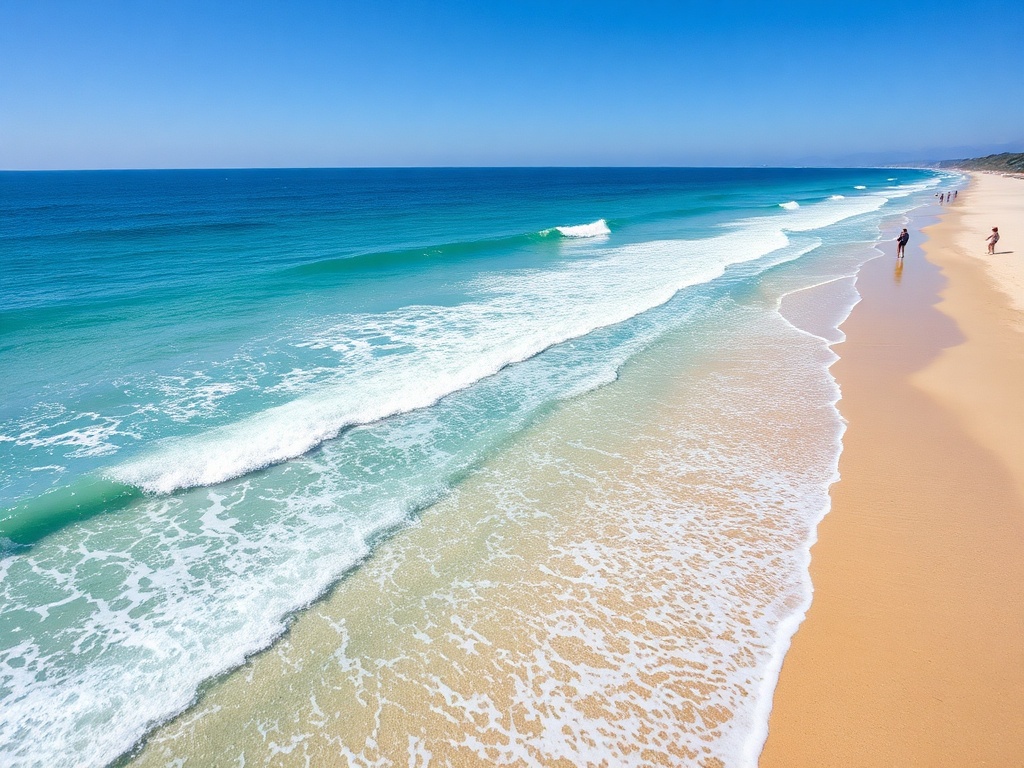
If you have 3–4 days, Jeju Island is the gold standard. The water quality at Hyeopjae and Hamdeok beaches is significantly clearer than the mainland, with emerald and turquoise hues that look incredible in photos. However, Jeju requires a flight and a rental car, which increases the complexity of the trip.
Hyeopjae Beach is famous for its view of Biyangdo Island. The water is shallow for a long distance, which is great for wading. For a couple's meal, look for small bistros in the nearby Hallim area. There are many 'one-table' restaurants or small pasta shops that utilize local Jeju ingredients like black pork or octopus. Expect to pay 20,000–30,000 KRW for a main dish in these trendy spots.
Decision criteria for couples
To choose the best location, evaluate your trip based on these two criteria:
Transport vs. Time: If you only have 48 hours, the East Coast (Gangneung) is the most logical choice because of the KTX and expressway access. If you have 72+ hours, Jeju becomes viable. Never spend more than 25% of your total trip time in transit.
Infrastructure vs. Seclusion: Do you want a beach where someone sets up a parasol for you and there is a convenience store every 50 meters (Haeundae/Gyeongpo)? Or do you want to bring your own gear to a quiet cove? In mid-summer, seclusion is almost non-existent in Korea, so I generally recommend leaning into the infrastructure to minimize physical discomfort from the heat.
Critical caveats and what readers may miss
This advice is intended as general travel information and should not be taken as a guarantee of weather conditions or business operations. Always verify the opening dates of beaches, as most officially operate only from early July to late August.
When this advice may fail
- The 'Peak-Peak' Week: If you travel during the first week of August, all 'efficiency' tips may fail. The volume of people is simply too high. In this case, even the best-planned itinerary will face delays. If you are sensitive to crowds, I strongly suggest traveling in late June or early September instead.
- Public Transport Reliability: While the KTX is punctual, local buses in coastal towns like Yangyang or Jeju can be infrequent. Relying on them in 35-degree heat can lead to exhaustion. If you don't have a car, budget significantly more for taxis.
- Jellyfish and Safety: In recent years, jellyfish sightings have increased in August. If you see many purple jellyfish on the shore, do not enter the water. Additionally, rip currents are common at East Coast beaches; always stay within the designated yellow-buoy zones.
Essential checklist for a smooth trip
- Book accommodation at least 4 weeks in advance. For peak season, 8 weeks is safer. As of early 2026, prices for seaside views are rising by an average of 15% annually.
- Download a navigation app with real-time traffic updates. Use apps that show the 'expected' travel time based on your departure hour.
- Pack a portable power bank and a small electric fan. The humidity makes the heat feel 3–4 degrees hotter than the actual temperature.
- Verify restaurant hours. Many famous coastal eateries have 'break times' from 3:00 PM to 5:00 PM. If you arrive at 3:10 PM, you will be stuck without a meal in the hottest part of the day.
First step to take today
The single most accessible action you can take right now is to check the KTX train schedule or rental car availability for your desired dates. Unlike hotels, which have many alternatives, transport options for peak summer weekends sell out almost instantly. Securing your seat or vehicle is the foundation upon which the rest of your itinerary will be built.
In summary, a successful summer beach trip in Korea for a couple requires a focus on timing, a realistic budget for peak-season pricing, and a willingness to adapt to the weather. Focus on the East Coast for speed, Busan for city comforts, or Jeju for aesthetics. Most importantly, leave early, eat early, and always have a backup plan for rainy days.
Previous
Sapporo Travel Guide: Essential Planning for a Couple Trip
Next
Best South Korea Summer Beaches for Couples: Top Coastal Getaways
More in Travel

Slow Travel with Pets: A 4N5D Low-Walking Guide to Gangneung and Yangyang
Plan a relaxed 4-night, 5-day pet-friendly trip to Gangneung and Yangyang. Discover low-walking itineraries, budget tips, and safety checklists.
1N2D Couple's Travel: The Ultimate Food Allergy Survival Guide
Plan a safe 1-night, 2-day couple's trip abroad. Learn how to manage food allergies using public transit, prepare emergency cards, and build a backup plan.
Hanok Stays: Easy Transit Solo Travel Guide
Discover charming Korean Hanok stays accessible by public transit. Prioritize pace and ease on your solo or friends' weekend trip, avoiding car dependency.
Sick child during overseas travel: Managing care and costs
Learn how to manage a sick child during overseas travel when peak season bookings are full. Discover emergency alternatives, cost-saving tips, and next steps.