Travel Insurance for Backpackers: How to Choose the Best Policy
Key Takeaways
Learn how to buy travel insurance for backpackers. This guide covers essential coverage, cost-to-benefit ratios, common claim denials, and decision criteria.
Travel Insurance for Backpackers: How to Choose the Best Policy
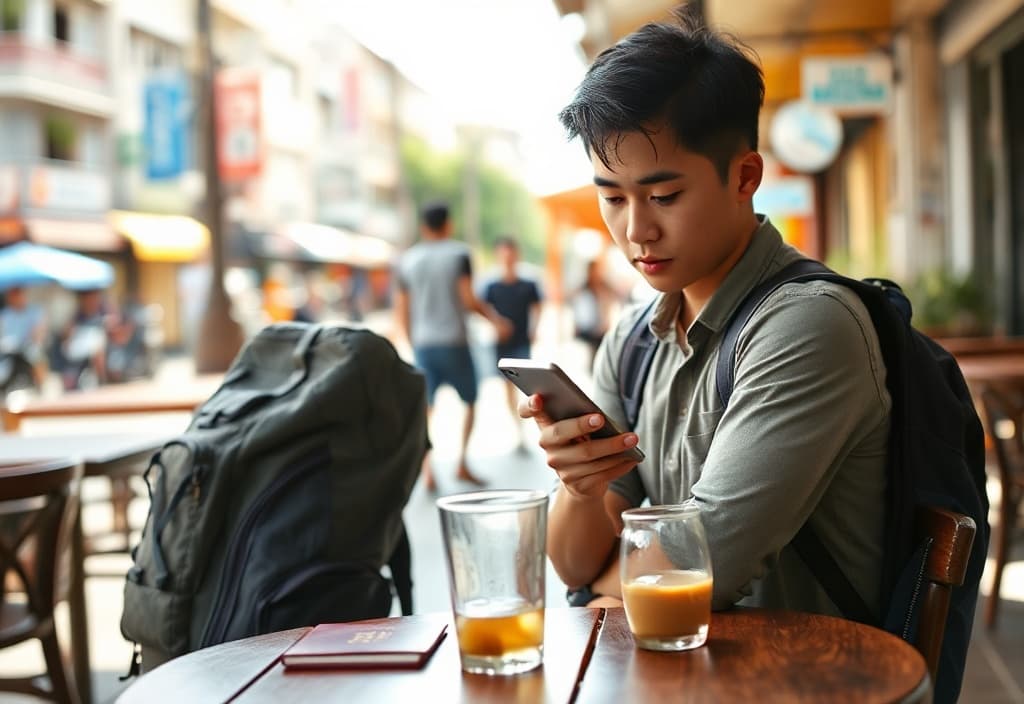
The short answer is that travel insurance for backpackers is a mandatory investment that should ideally cost between 5% and 10% of your total trip budget. Here's why. Without a policy, a single medical emergency or a lost bag can end a multi-month journey instantly, often costing ten times more than the policy itself. In my experience, the peace of mind knowing that a $50,000 hospital bill won't derail my financial future is worth the daily cost of a few cups of coffee.
This is general information only and does not constitute medical, financial, or legal advice. I strongly recommend consulting with a qualified insurance broker or medical professional before making any decisions regarding your specific health or financial needs.
Why travel insurance is the most important part of a backpacker budget
5.6%. According to a survey by a major financial advisor organization in 2023, this is the average percentage of a total trip cost that travelers spend on insurance. For a backpacker on a $5,000 budget for a three-month trip through Southeast Asia, this translates to roughly $280. While it might be tempting to spend that money on extra excursions or better hostels, the background risk makes that a poor financial decision.
In many popular backpacking destinations, healthcare systems are bifurcated into public facilities and high-end private clinics. As a traveler, I am almost always directed to private clinics where costs can escalate rapidly. For example, a standard hospital stay in a major city can cost upwards of $1,000 per night excluding treatments. If I am involved in a serious accident requiring medical evacuation, costs can exceed $100,000.
Connecting this to the reader's situation, a backpacker's primary asset is their mobility and their limited savings. Losing either can be catastrophic. By spending that 5.6% upfront, I am effectively locking in my maximum potential loss. The specific action to take here is to categorize insurance not as an 'extra' but as a 'fixed cost' alongside your flight and visa fees.
How do I choose the right coverage level for my budget?
Choosing the right policy requires balancing the cost of the premium against the potential out-of-pocket expenses. I generally look at three tiers of coverage when planning my weekend trips or longer solo journeys.
Basic Coverage Tiers
Basic plans often focus purely on medical emergencies and provide very little for trip cancellation or personal property. These are suitable if I am traveling with very little gear and my flights are low-cost and flexible. However, I have found that basic plans often have high deductibles—sometimes up to $500—which means I still pay for minor clinic visits out of pocket.
Comprehensive Mid-Range Plans
Mid-range plans are what I typically choose for a standard backpacking trip. These usually include medical coverage of at least $100,000, trip interruption coverage, and baggage delay protection. A key feature I look for is 'repatriation of remains' and 'emergency evacuation,' which are the most expensive logistical hurdles in a foreign country.
Premium and Specialized Plans
Premium plans are necessary if I am carrying expensive gear or planning high-risk activities. For instance, if I plan to go bungee jumping or trekking in the Himalayas, a standard policy will likely fail. In my experience, these plans also offer 'cancel for any reason' (CFAR) options, which provide the most flexibility but can increase the premium by 40% to 50%.
What specific exclusions should I watch for in the fine print?
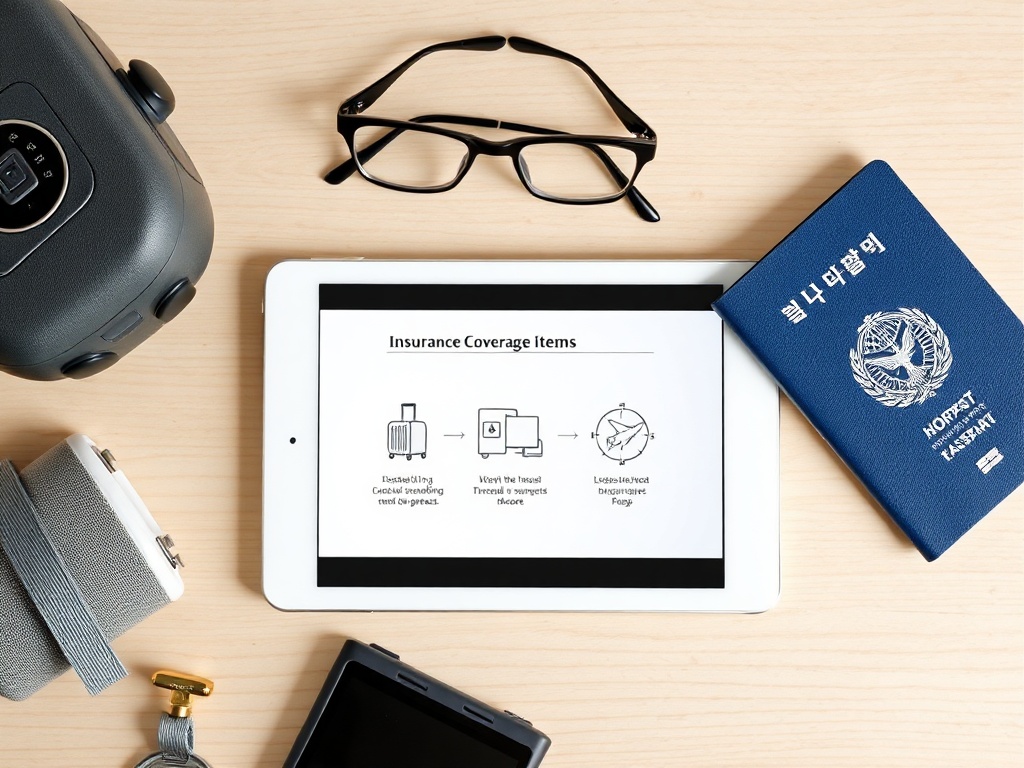
Understanding when a policy will fail is just as important as knowing what it covers. I have seen many travelers assume they are protected only to have their claims denied due to common exclusions.
- The Alcohol and Drug Clause: Almost every policy I have reviewed contains a clause stating that claims related to incidents occurring while under the influence of alcohol or non-prescription drugs will be denied. If I am injured in a fall after having two beers, the insurer may use that as grounds to reject a $20,000 medical claim.
- Unattended Property: If I leave my bag on a cafe chair while I go to the bathroom and it gets stolen, it is considered 'unattended.' Most insurers will not pay out for theft unless the item was on my person or locked in a secure safe.
- Pre-existing Conditions: Unless I purchase a specific waiver, any medical issue I have had in the 60 to 180 days prior to buying the policy is usually excluded. This is a critical caveat that many office workers like myself, who might have recurring back issues or chronic conditions, often miss.
- Unlicensed Scooter Riding: In many parts of the world, riding a scooter is the primary way to get around. However, if I do not have a valid motorcycle license from my home country AND an International Driving Permit, any accident claim will likely be denied. I have seen this happen to several travelers who were left with massive bills after minor crashes.
Critical decision criteria for comparing policies
When I am staring at a comparison website with ten different options, I use two primary criteria to make my final decision: the medical limit and the claim process reputation.
First, I look at the medical limit. In the United States, I wouldn't consider anything less than $500,000 due to the extreme cost of healthcare. In Southeast Asia or Europe, $100,000 is often sufficient for most emergencies. I prioritize this over baggage coverage because I can replace a $500 suitcase, but I cannot easily pay a $50,000 surgical bill.
Second, I evaluate the ease of the claim process. I prefer insurers that have a mobile app where I can upload photos of receipts instantly. As someone who travels on weekends and works a busy office job, I do not have time to mail physical forms back and forth. I also check if the insurer offers 'direct billing,' where they pay the hospital directly rather than requiring me to pay upfront and seek reimbursement later.
Where to manage your logistics and eat while traveling
When I am traveling and need to sit down to review my policy details or handle trip admin, I look for places with reliable Wi-Fi and a calm atmosphere. Here are two examples of spots I have used for this purpose.
The quiet cafe in a busy district
In Tokyo, I visited a popular corner cafe known for its minimalist decor and excellent pour-over coffee. It is located about a 10-minute walk from the main Shibuya crossing. The vibe is quiet and professional, making it perfect for an hour of administrative work. A coffee here costs around $5 to $7. It fits perfectly into a morning sightseeing flow before the crowds become overwhelming.
The reliable breakfast chain
In London, I often stop at a well-known breakfast spot with a bright yellow exterior in the Soho area. They serve a hearty traditional breakfast for about $15 to $20. It is usually busy, but the staff are efficient. I found it to be a great place to sit with a map and my insurance documents to ensure I knew the location of the nearest approved clinic before heading out for a day of walking.
What readers may miss: The 24-hour rule and documentation
One of the most common reasons claims fail is a lack of documentation. Most policies require that any theft be reported to the local police within 24 hours. If I wait until the next day because I am tired or don't want to deal with the language barrier, I am effectively throwing away my coverage.
Similarly, for medical claims, I must contact the insurer's 24-hour emergency assistance line as soon as possible. They often need to pre-authorize treatments. If I check into a private hospital and undergo an expensive procedure without calling them first, they may only reimburse me at the rate of a public hospital, leaving me to pay the difference.
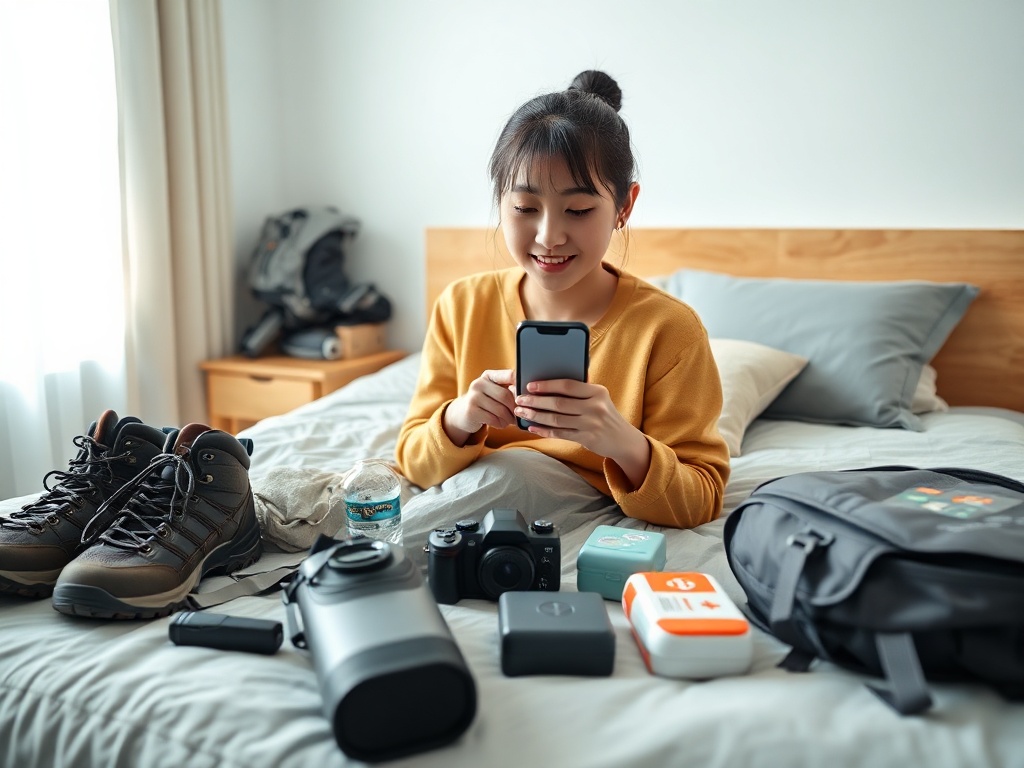
Finally, keep digital copies of everything. I take photos of my passport, my insurance certificate, and all receipts for items worth more than $50. According to data from a leading travel tech company, travelers who have digital backups of their documents resolve their claims 30% faster than those who rely on physical copies.
Summary and Next Steps
To ensure your backpacking trip is protected, keep these three points in mind:
- Insurance is a fixed cost: Budget approximately 5% to 10% of your trip for a policy that includes at least $100,000 in medical coverage and emergency evacuation.
- Read the exclusions carefully: Pay special attention to clauses regarding alcohol, unattended items, and unlicensed vehicle operation, as these are the most common reasons for claim denial.
- Documentation is non-negotiable: Always file a police report within 24 hours of a loss and keep digital copies of all receipts and medical reports. Your specific next step today depends on your current situation:
- Proceed: If you have a trip booked and no insurance, buy a policy today. Coverage for trip cancellation usually starts the moment you purchase the policy.
- Pause: If you have a pre-existing medical condition, do not buy a standard policy online. Contact the insurer directly to ask about a 'Pre-existing Condition Waiver' to ensure you are actually covered.
- Verify: If you think you are covered by your credit card, call the bank and ask for the 'Summary of Benefits.' Specifically, ask if the medical coverage is primary or secondary and what the maximum limit is for emergency evacuation.
Previous
How to Buy Cheap Flights for Family Trips and Save Money
Next
Travel Insurance for Backpackers: How to Choose the Best Policy
More in Travel

Slow Travel with Pets: A 4N5D Low-Walking Guide to Gangneung and Yangyang
Plan a relaxed 4-night, 5-day pet-friendly trip to Gangneung and Yangyang. Discover low-walking itineraries, budget tips, and safety checklists.
1N2D Couple's Travel: The Ultimate Food Allergy Survival Guide
Plan a safe 1-night, 2-day couple's trip abroad. Learn how to manage food allergies using public transit, prepare emergency cards, and build a backup plan.
Hanok Stays: Easy Transit Solo Travel Guide
Discover charming Korean Hanok stays accessible by public transit. Prioritize pace and ease on your solo or friends' weekend trip, avoiding car dependency.
Sick child during overseas travel: Managing care and costs
Learn how to manage a sick child during overseas travel when peak season bookings are full. Discover emergency alternatives, cost-saving tips, and next steps.