Cat Breed Characteristics and Emergency Care Comparison for New Owners

Key Takeaways
Learn about cat breed characteristics and emergency health risks. This guide compares common breeds like Persians and Maine Coons to help new owners prepare.
Cat Breed Characteristics and Emergency Care Comparison for New Owners
You are sitting on your living room floor, surrounded by printed pamphlets and open browser tabs. The smell of coffee lingers in the air as you stare at a photo of a silver tabby, wondering if its high energy will disrupt your quiet apartment life. Your fingers hover over the keyboard, searching for the right balance between a companion who fits your lifestyle and one whose health needs you can realistically manage. The soft hum of your laptop is the only sound in the room as you realize that choosing a cat is not just about aesthetics, but about preparing for a decade or more of specialized care.
Disclaimer: This article provides general information only and does not constitute veterinary advice, diagnosis, or treatment. Always consult a qualified veterinarian regarding the health and well-being of your pets.
What are the foundational statistics of feline health and ownership?
According to the American Veterinary Medical Association (AVMA) in a 2022 report, approximately 25% of households in the United States own at least one cat. While the domestic shorthair remains the most common choice, interest in specific breeds has risen as owners seek predictable temperaments and appearances. However, with predictability comes a known set of health vulnerabilities. Statistics from the International Society of Feline Medicine (ISFM) suggest that certain pedigree breeds have a significantly higher predisposition to specific emergency conditions compared to the general feline population.
For example, while the average feline heart rate ranges between 120–220 beats per minute, certain breeds like the Maine Coon are at a higher risk for conditions that can cause sudden, life-threatening fluctuations in this rate. Understanding these baseline numbers and breed-specific risks is the first step in being a responsible owner. A normal feline body temperature sits between 100–102.5 degrees Fahrenheit; knowing how to measure this and recognizing when it deviates is a critical skill for any prospective owner.
How do breed characteristics influence emergency risks?
Different breeds bring different physical structures and genetic histories to your home. These factors directly influence what kind of emergencies you might face. By comparing these traits, you can better prepare your home and your emergency kit.
Brachycephalic Breeds: The Persian and Exotic Shorthair
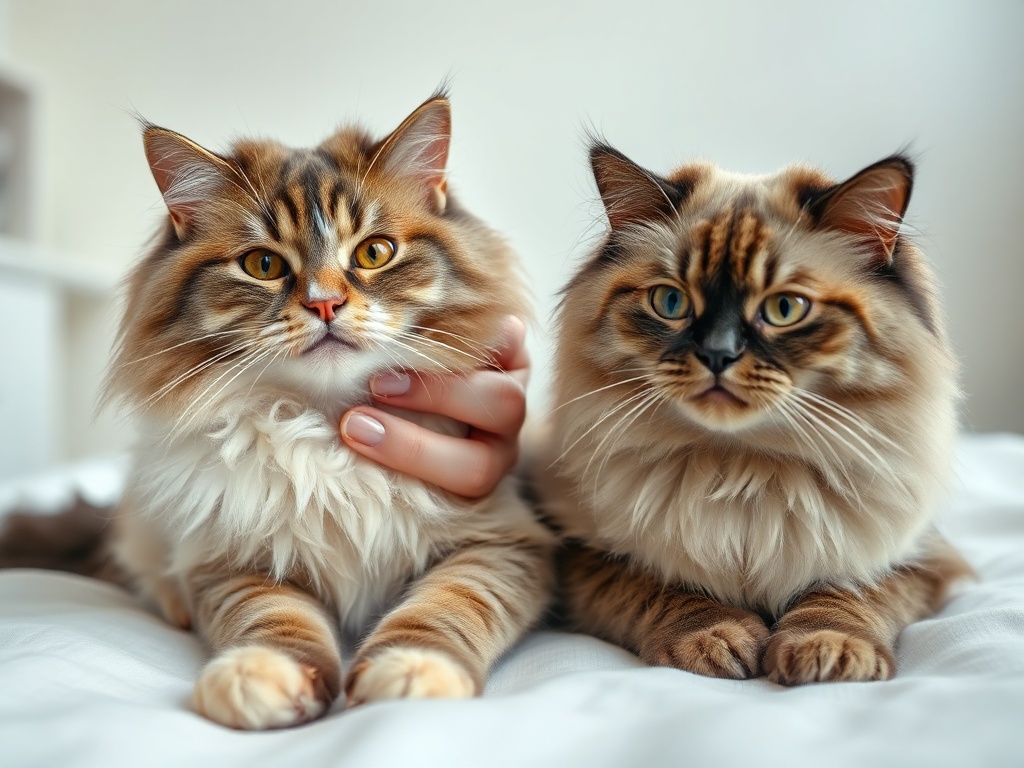
Persian cats are famous for their long, luxurious coats and their 'smooshed' faces, a trait known as brachycephaly. While this look is prized in show rings, it creates a narrow airway that can lead to respiratory distress. In practice, a Persian cat is much more susceptible to heatstroke than a Siamese. If the ambient temperature rises above 80 degrees Fahrenheit, a Persian may struggle to cool itself through panting, leading to an emergency situation. Specifically, owners must watch for open-mouth breathing, which is always an emergency in cats.
Large Breeds: The Maine Coon
As one of the largest domesticated cat breeds, the Maine Coon is known for its sturdy build and dog-like personality. However, their size is linked to a higher prevalence of Hypertrophic Cardiomyopathy (HCM), a condition where the heart walls thicken. In an emergency context, this can lead to Feline Aortic Thromboembolism (FATE), where a blood clot lodges in the hind legs. If you notice your cat suddenly losing the use of its back legs and crying in pain, this is a 'red alert' emergency requiring immediate veterinary intervention within 30–60 minutes for the best possible outcome.
High-Energy Breeds: The Bengal and Abyssinian
Bengals are highly active and require significant mental and physical stimulation. Their curiosity often leads to 'foreign body ingestion' emergencies. In practice, a Bengal is more likely than a sedentary Ragdoll to swallow hair ties, string, or small plastic parts. These items can cause intestinal blockages that require surgery. If a high-energy cat suddenly becomes lethargic and stops eating for more than 24 hours, an X-ray is often the necessary next step.
What should be in your breed-specific emergency kit?
Preparation involves more than just having a carrier ready. You should tailor your supplies to the specific risks associated with your chosen breed.
- Digital Rectal Thermometer: Essential for monitoring heatstroke in brachycephalic breeds.
- Water-Based Lubricant: To be used with the thermometer.
- Stethoscope: While it takes practice to use, it can help you monitor the heart rate of breeds prone to HCM.
- Gauze and Self-Adherent Bandages: For active breeds like Bengals that may sustain cuts or paw injuries during play.
- Feliway or Calming Sprays: Useful for high-stress breeds like the Siamese during emergency transport.
- Contact Info for 24-Hour ER: Including a clinic that specializes in your breed's specific issues if possible.
- Medical Records: Specifically, any genetic testing results or recent echocardiogram reports.
- Corn Syrup: For kittens or small breeds that may experience sudden hypoglycemia (low blood sugar).
Critical Caveats: When breed standards fail to predict reality
It is a common mistake to assume that a cat will perfectly match its breed description. While genetics provide a blueprint, the environment and individual variation play massive roles. You may adopt a Ragdoll expecting a 'floppy' and docile companion, only to find you have an assertive and highly active individual.
- Individual Variation: Just because a breed is labeled 'quiet' does not mean your specific cat will not be vocal or prone to anxiety-induced emergencies.
- Environmental Triggers: A breed's health risks are often mitigated or exacerbated by their surroundings. A Persian in a cool, air-conditioned home faces fewer respiratory risks than one in a humid, non-ventilated space.
- The 'Hypoallergenic' Myth: No cat is 100% hypoallergenic. Breeds like the Siberian or Sphynx produce less Fel d 1 protein, but they can still trigger severe asthma attacks in sensitive individuals. An asthma attack in an owner is just as much of an emergency as a health crisis in the cat.
Decision Criteria: How to choose the right breed for your lifestyle
Before committing to a specific breed, evaluate your situation using these two primary criteria:
1. Financial Risk Tolerance
Some breeds are 'expensive' not just in their purchase price, but in their lifetime maintenance. A Maine Coon may require an annual echocardiogram costing $500–$800 to monitor for heart disease. A Persian may require professional grooming every 8–12 weeks to prevent painful skin infections. If your budget does not allow for these recurring costs plus an emergency fund of at least $2,000, a hardier mixed-breed cat might be a more sustainable choice.
2. Time and Supervision Availability
Highly intelligent and active breeds like the Bengal or Siamese cannot be left alone for 10 hours a day without stimulation. Boredom in these breeds often leads to destructive behavior or the ingestion of non-food items, leading to the emergency scenarios mentioned earlier. If you work long hours, a more independent or lower-energy breed like the British Shorthair may be safer, as they are less likely to get into trouble while you are away.

What readers often miss about breed health
Many prospective owners focus on the 'major' diseases but overlook the daily physiological differences that impact emergency care. For instance, the blood types of certain breeds differ. While most domestic cats are Type A, breeds like the British Shorthair, Devon Rex, and Ragdoll have a higher frequency of Type B blood. In an emergency requiring a blood transfusion, knowing your cat's blood type can save hours of critical time. Specifically, a Type B cat given Type A blood will suffer a fatal reaction almost instantly.
Another often-overlooked factor is the 'Normal for Breed' variation. A Greyhound's normal heart rate is different from a Chihuahua's in the dog world; similarly, a very large Maine Coon may have a slightly different respiratory effort than a small Singapura. You must establish what is 'normal' for your specific cat during a wellness visit so you can recognize the 'abnormal' during a crisis.
Conclusion and Next Steps
Choosing a cat breed involves balancing your aesthetic preferences with the reality of biological risks. By understanding the specific needs of breeds like the Persian, Maine Coon, and Bengal, you can move from a reactive state to a proactive one. Remember these three key points:
Breed dictates risk: Persians face respiratory issues, Maine Coons face heart issues, and Bengals face injury/ingestion issues.
Data is your friend: Keep track of your cat's baseline heart rate, temperature, and weight to catch emergencies early.
Preparation is breed-specific: Your emergency kit and financial planning should reflect the specific vulnerabilities of your cat. Your specific action to take today: Identify the nearest 24-hour emergency veterinary hospital and save their number in your phone. If you have already chosen a breed, call them to ask if they have experience with that specific breed's common emergencies, such as HCM or brachycephalic syndrome.
- Proceed: If you have the financial reserves and time to meet a breed's specific needs, begin searching for a breeder who provides certified genetic health clearances.
- Pause: If you realize your home environment (e.g., high heat, lack of stimulation) conflicts with a breed's traits, reconsider your choice.
- Verify: Always verify health claims with independent veterinary records. Do not rely solely on a breeder's website or social media testimonials.
Previous
Dog walking tips and etiquette for new pet owners
Next
Cat Breed Characteristics and Emergency Care Comparison for New Owners
More in Pets

Pet First Aid Guide for Multi-Pet Households: Easy Steps for Beginners
Learn essential pet first aid tips for multi-pet households. Discover how to build a custom kit, handle choking, perform CPR, and coordinate emergencies.

Heartworm Prevention for Large Dogs: A Step-by-Step Home Guide
Heartworm prevention for large dogs requires precise dosing and consistency. Learn how to choose the right medication, manage schedules, and avoid common errors.

Introducing Two Dogs Successfully After a Failed First Attempt
Introducing two dogs requires a structured approach to prevent aggression. Follow this safety-first checklist to ensure a successful meeting and long-term peace.

Pet Birthday Party Ideas: Safety and Emergency Prep for Multi-Pet Homes
Explore pet birthday party ideas focused on safety and emergency prevention. Learn how to manage multi-pet dynamics, food risks, and stress during celebrations.