Managing Cat Kidney Health: Essential Checklist for Pet Parents
Key Takeaways
Managing cat kidney health is crucial for longevity. Discover an essential checklist for pet parents, covering diet, hydration, monitoring, and proactive veterinary care.
Managing Cat Kidney Health: An Essential Checklist for Pet Parents
You've probably heard that cats are naturally resilient, capable of thriving on a simple diet and only drinking water when they feel thirsty. It's not quite right. While cats are indeed stoic creatures, their unique physiology, particularly concerning kidney health, makes them especially vulnerable to issues that can quietly progress without obvious symptoms until the disease is advanced. Understanding and proactively managing your feline companion's kidney health is one of the most significant ways to ensure their long-term well-being and quality of life.
Feline kidney disease, particularly Chronic Kidney Disease (CKD), is a silent threat that affects a substantial portion of the cat population. Statistics from the International Society of Feline Medicine (ISFM) in 2016 suggest that CKD affects approximately 1 in 3 senior cats aged 10 years or older. Our aim here is to equip you with a practical checklist for proactive kidney care, focusing on detection, prevention, and management strategies that every cat owner can implement to support their beloved pet's renal health.
What Are the Key Factors Influencing Feline Kidney Health?
Before diving into specific actions, it's crucial to understand the foundational elements that significantly impact a cat's kidney health. These criteria form the basis of effective prevention and management, guiding our choices as responsible pet parents. Ignoring any of these can inadvertently contribute to kidney strain or delay essential interventions.
1. Hydration Levels
Cats evolved from desert dwellers, meaning they naturally have a low thirst drive and are programmed to obtain most of their water from their prey. In a domestic setting, especially when fed predominantly dry kibble, this evolutionary trait can lead to chronic, mild dehydration. Proper hydration is paramount for kidney function, as water helps flush toxins from the body and maintain adequate blood flow to the kidneys. Insufficient water intake places a considerable burden on these vital organs.
2. Dietary Composition
What your cat eats directly affects their kidney health. Key dietary components like protein, phosphorus, and sodium must be balanced appropriately. While protein is essential, high levels of certain types of protein can contribute to nitrogenous waste products that kidneys must filter. Phosphorus, in particular, is a significant concern; high phosphorus levels can accelerate kidney damage. Sodium intake also plays a role in blood pressure regulation, which in turn impacts kidney health.
3. Regular Veterinary Oversight and Early Detection
Unlike humans who might complain about feeling unwell, cats are masters at masking illness. Kidney disease often progresses significantly before overt symptoms appear. This makes regular veterinary check-ups, especially for senior cats, absolutely non-negotiable. Early detection through routine blood and urine tests allows for interventions that can slow the progression of the disease, significantly improving a cat's prognosis and quality of life.
4. Environmental Factors and Stress
Stress can have a profound impact on a cat's overall health, including their kidneys. A stable, enriching, and low-stress environment supports a robust immune system and general well-being. Factors like access to resources (food, water, litter boxes), quiet resting places, and consistent routines contribute to a cat's mental and physical health. Any disruption or chronic stress can potentially exacerbate existing conditions or make a cat more susceptible to illness.
How Can We Proactively Support Our Cat's Kidneys?
Now that we've established the critical criteria, let's explore actionable strategies you can implement to maintain optimal feline kidney health. This isn't just about reacting to illness; it's about building a robust preventative framework.
1. Optimize Hydration Strategies
Given cats' low thirst drive, we must actively encourage water intake. Simply putting down a bowl of tap water might not be enough. Consider these methods:
- Switch to Wet Food: If possible, transition your cat to a diet consisting primarily of wet food. Canned food typically contains 70–80% moisture, significantly boosting their daily fluid intake compared to dry kibble, which often has only 5–10% moisture. For example, a 4 kg cat eating wet food might consume an additional 100–150 ml of water daily, whereas a cat on dry food might only get 10–20 ml from their diet.
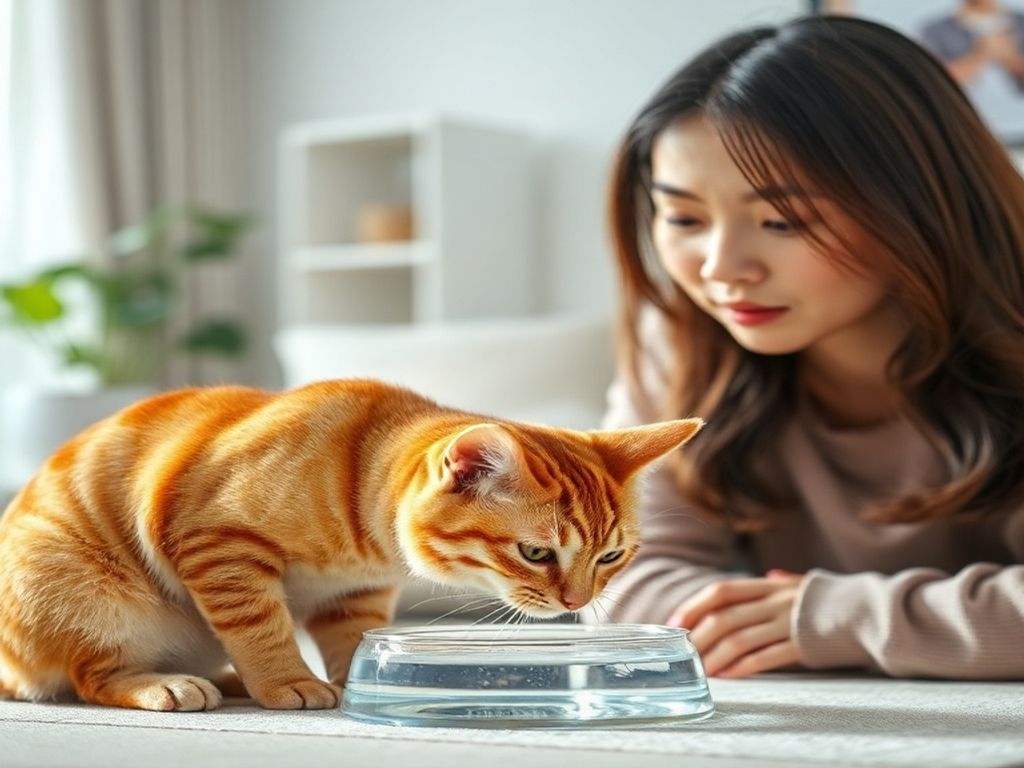
- Provide Multiple Water Sources: Offer water in various locations throughout your home, away from food bowls and litter boxes. Cats often prefer fresh, running water.
- Invest in a Water Fountain: Many cats are enticed by the movement of water, leading them to drink more. Ensure the fountain is cleaned regularly (every 3–5 days) to prevent bacterial buildup.
- Experiment with Bowl Types: Some cats prefer ceramic or glass bowls over plastic or metal due to taste or smell sensitivities. Wide, shallow bowls prevent whisker fatigue.
- Add Water or Broth: For cats on dry food, try adding a small amount of plain, low-sodium chicken or beef broth (check ingredients for onion/garlic) or simply extra water to their kibble.
2. Implement a Kidney-Supportive Diet
Dietary management is perhaps the most impactful preventative measure. Always consult your veterinarian before making significant dietary changes, especially if your cat has pre-existing health conditions.
- Prioritize Moderate Protein, Low Phosphorus: For healthy adult cats, a balanced diet is key. For cats with early signs of kidney disease, a veterinary therapeutic diet formulated for kidney support is often recommended. These diets are typically lower in phosphorus, moderate in high-quality protein, and contain added omega-3 fatty acids and antioxidants. For example, a prescription kidney diet might contain 0.3–0.6% phosphorus on a dry matter basis, significantly less than a standard adult maintenance diet that could be 0.8–1.2%.
- Avoid Excessive Treats: Many commercial treats are high in phosphorus and sodium. Limit their intake or opt for kidney-friendly alternatives if available.
- Gradual Food Transitions: If changing your cat's food, do so gradually over 7–10 days. Mix increasing amounts of the new food with decreasing amounts of the old food to prevent digestive upset.
3. Maintain Regular Veterinary Check-ups and Monitoring
Consistent veterinary care is your best defense against silent diseases like CKD. Early detection is paramount.
- Annual Wellness Exams: For adult cats (1–6 years old), annual check-ups are vital. These visits include a physical examination, weight check, and discussion of any behavioral changes.
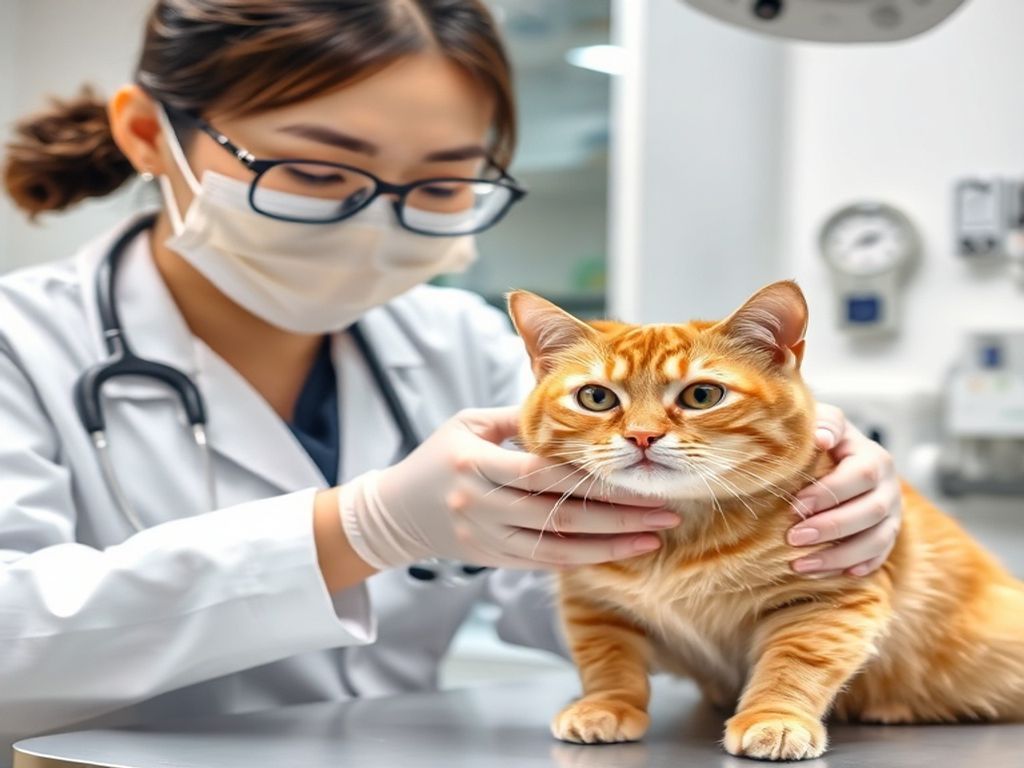
- Bi-Annual Senior Cat Exams: For cats aged 7 years and older, veterinary visits every 6 months are strongly recommended. At these visits, your vet will likely recommend routine bloodwork (including BUN, creatinine, SDMA, phosphorus) and urinalysis.
- Understanding SDMA: Symmetric dimethylarginine (SDMA) is a newer kidney biomarker that can detect kidney disease much earlier than traditional tests, sometimes weeks or months before creatinine levels rise significantly. Ask your vet about including SDMA in your cat's routine blood panel.
- Monitor Urine Output and Quality: Observe your cat's litter box habits daily. Changes in urine volume (increased or decreased), frequency of urination, or inappropriate urination can be signs of kidney issues. For example, a noticeable increase in the size of urine clumps in the litter box could indicate polyuria (increased urination), a common sign of kidney disease.
- Weigh Your Cat Regularly: Unexplained weight loss, even small amounts, can be a subtle indicator of underlying health problems, including kidney disease. Weighing your cat every 2–4 weeks at home can help you spot trends.
4. Create a Low-Stress Environment
A calm home environment contributes significantly to overall health.
- Adequate Resources: Ensure your cat has access to multiple litter boxes (one per cat plus one extra is a good rule of thumb), food bowls, and water stations to prevent competition and stress.
- Safe Retreats: Provide elevated perches and quiet hiding spots where your cat can feel secure and undisturbed.
- Consistent Routine: Cats thrive on routine. Predictable feeding times, play sessions, and interaction help reduce anxiety.
Why Is Early Detection So Crucial for Kidney Disease?
The importance of early detection cannot be overstated when it comes to feline kidney disease. The kidneys have a remarkable ability to compensate for damage, meaning that a cat can lose up to 75% of their kidney function before traditional blood tests (like creatinine) show abnormalities. By the time visible symptoms such as vomiting, lethargy, or significant weight loss appear, the disease is often in its advanced stages, making management more challenging.
Early detection, often through regular SDMA testing and urinalysis, allows veterinarians and owners to intervene proactively. This might involve switching to a kidney-specific diet, implementing hydration strategies, or starting certain medications. These interventions can significantly slow the progression of the disease, manage symptoms, and extend a cat's comfortable lifespan by months or even years. Without early detection, the opportunity to make meaningful changes before irreversible damage occurs is often missed.
Red Flags and Things to Avoid
While proactive care is essential, there are common pitfalls and warnings that cat owners should be aware of to prevent inadvertently harming their cat's kidney health or delaying proper treatment.
Self-Diagnosing or Relying on Anecdotal Evidence: While online forums and personal stories can offer support, they are no substitute for professional veterinary advice. Kidney disease symptoms can mimic other conditions, and improper self-treatment can be dangerous. Always consult a qualified veterinarian for diagnosis and treatment plans. This is general information only and should not be considered diagnosis, treatment, or veterinary advice.
Ignoring Subtle Behavioral Changes: Cats are notorious for hiding pain or discomfort. A slight decrease in appetite, a minor change in litter box habits, or a barely noticeable increase in water intake might seem insignificant but can be early indicators of underlying health issues. Pay close attention to these subtle shifts and discuss them with your vet.
Abrupt Dietary Changes: Suddenly switching a cat's food, especially to a highly specialized diet, can cause digestive upset and stress, potentially making them refuse to eat. Always transition new foods gradually over 7–10 days, even if your cat doesn't have kidney issues.
Administering Unproven Supplements Without Veterinary Approval: The pet supplement market is vast, but not all products are safe or effective. Some supplements can interact negatively with medications or contain ingredients that are harmful to cats with compromised kidney function. Always get veterinary approval before giving any new supplement.
Assuming Dry Food is Always the Problem: While wet food is generally better for hydration, the overall nutritional profile of a diet is more critical than its moisture content alone. Some dry prescription kidney diets are specifically formulated to manage phosphorus and protein levels effectively. The best diet for your cat depends on their specific condition, and a vet's recommendation is crucial.
Conclusion
Managing your cat's kidney health is a lifelong commitment that brings immense rewards in the form of a happier, healthier companion. It requires a blend of vigilance, proactive measures, and close collaboration with your veterinarian. By focusing on optimal hydration, a kidney-supportive diet, and consistent health monitoring, you can significantly impact your cat's longevity and quality of life.
Remember these three key points:
- Hydration is paramount: Actively encourage water intake through wet food and multiple water sources.
- Diet matters profoundly: Balance protein and phosphorus, consulting your vet for specific recommendations.
- Early detection saves lives: Regular vet check-ups, especially for senior cats, and understanding tests like SDMA are critical. Your specific action to take today: Schedule an annual or bi-annual wellness check-up for your cat with your veterinarian, and discuss incorporating SDMA testing into their routine blood panel, especially if your cat is over 7 years old.
Previous
Cat Litter Box Training in Multi-Pet Homes: A Comprehensive Guide
Next
Managing Cat Kidney Health: Essential Checklist for Pet Parents
More in Pets

Pet First Aid Guide for Multi-Pet Households: Easy Steps for Beginners
Learn essential pet first aid tips for multi-pet households. Discover how to build a custom kit, handle choking, perform CPR, and coordinate emergencies.

Heartworm Prevention for Large Dogs: A Step-by-Step Home Guide
Heartworm prevention for large dogs requires precise dosing and consistency. Learn how to choose the right medication, manage schedules, and avoid common errors.

Introducing Two Dogs Successfully After a Failed First Attempt
Introducing two dogs requires a structured approach to prevent aggression. Follow this safety-first checklist to ensure a successful meeting and long-term peace.

Pet Birthday Party Ideas: Safety and Emergency Prep for Multi-Pet Homes
Explore pet birthday party ideas focused on safety and emergency prevention. Learn how to manage multi-pet dynamics, food risks, and stress during celebrations.