Reducing Cat Shedding: Essential Tips for a Happier Home
Key Takeaways
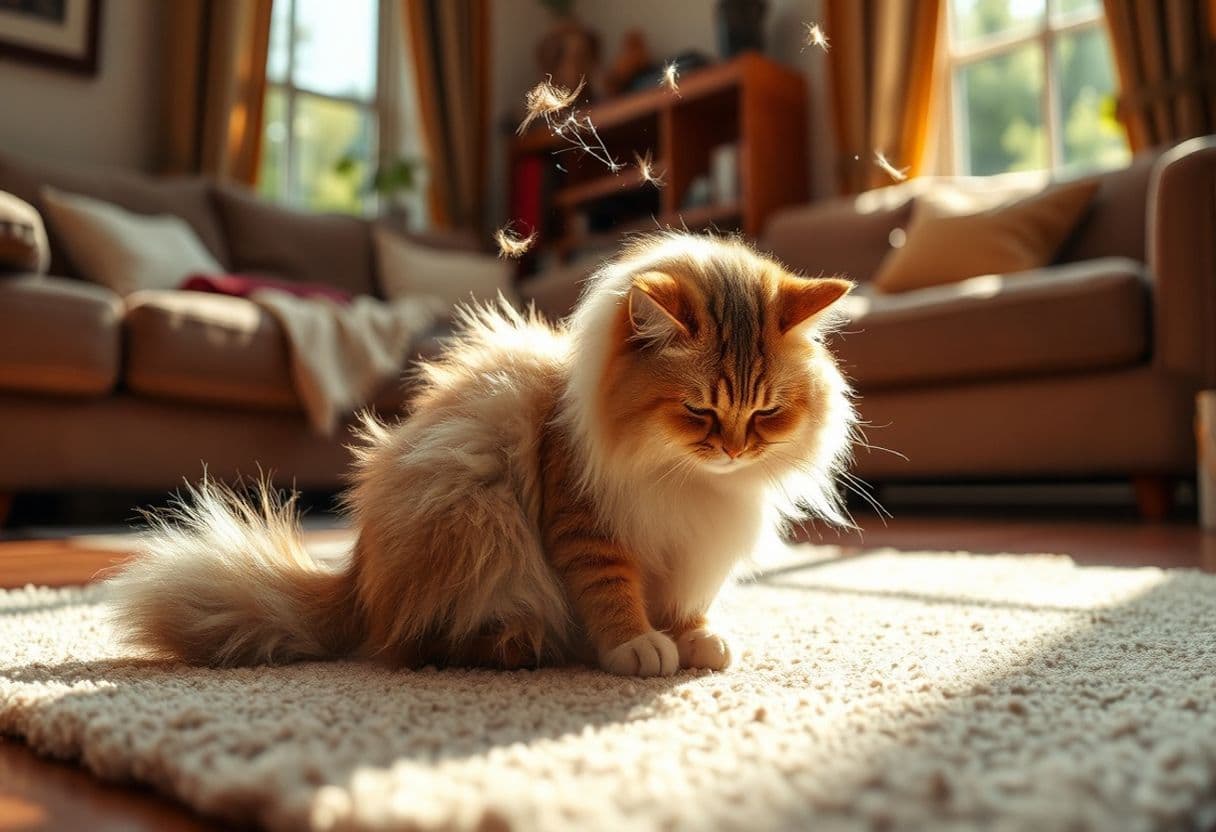
Cat shedding can be a challenge. Discover effective strategies to reduce cat shedding, from grooming techniques and diet tips to environmental controls, ensuring a cleaner home and healthier feline.
Reducing Cat Shedding: Essential Tips for a Happier Home
Have you ever found yourself pulling cat hair off your clothes before heading out the door, or wondering if your feline friend is attempting to redecorate your entire home with their luxurious fur? For many pet owners, especially those who might be more familiar with the shedding patterns of small dogs, the sheer volume of cat hair can sometimes feel overwhelming. While shedding is a natural and healthy process for cats, it doesn't mean you have to resign yourself to a home perpetually coated in fur. With the right approach, you can significantly reduce the amount of hair your cat sheds, leading to a cleaner environment and a healthier, happier cat.
Today, I want to share some practical, experience-backed strategies to help you manage and minimize cat shedding. We'll explore five key areas that, when addressed consistently, can make a remarkable difference. These include adopting a consistent grooming routine, ensuring optimal nutrition, promoting adequate hydration, controlling environmental factors, and understanding the importance of regular veterinary check-ups.
Why Do Cats Shed So Much, and What Can We Do?
Cats shed for various reasons, primarily to remove old or damaged hair and to adjust their coat density to suit environmental temperatures. This is a vital part of their natural cycle, but factors like diet, health, and even stress can influence the intensity of shedding. By proactively addressing these elements, we can support their skin and coat health, thereby reducing excessive hair loss. Let's delve into the specific actions you can take to keep your cat's coat healthy and your home cleaner.
1. Establish a Consistent Grooming Routine
One of the most immediate and effective ways to reduce cat shedding is through regular grooming. Many small dog breeds, with their specific coat types, might require professional grooming or less frequent home brushing. Cats, however, often benefit immensely from daily or near-daily brushing, especially during peak shedding seasons like spring and fall. This isn't just about removing loose hair; it's also about distributing natural oils, preventing mats, and promoting healthy skin circulation.
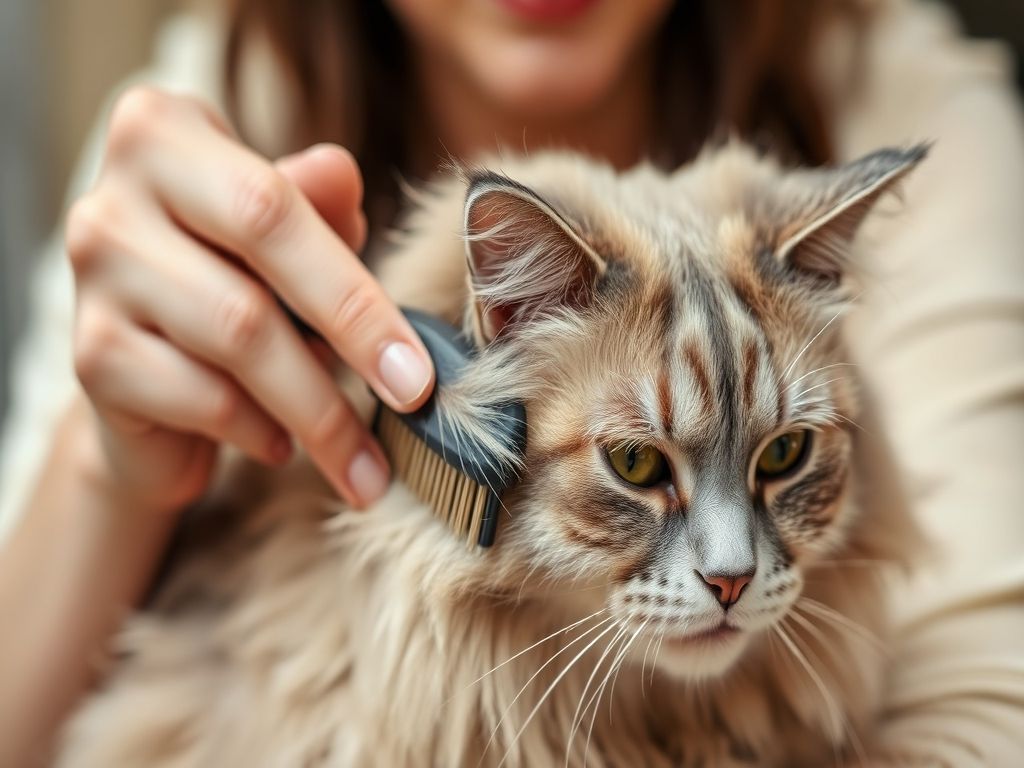
- Brush Type Matters: Just as you wouldn't use a slicker brush on a short-haired dog, selecting the right tools for your cat's coat is crucial. For most cats, a combination of a de-shedding tool (like a Furminator or similar brand) used 1–2 times a week, and a soft-bristle brush or rubber curry comb for daily maintenance, works wonderfully. The de-shedding tool reaches deep into the undercoat to remove loose hair before it ends up on your furniture, while the softer brush helps smooth the topcoat and stimulate the skin. For example, my own domestic shorthair cat responds best to a rubber curry comb for daily sessions, followed by a de-shedding tool once every three days. This routine significantly cuts down on the tumbleweeds of fur around the house.
- Frequency and Technique: Aim for short, positive grooming sessions of 5–10 minutes, especially if your cat isn't used to it. Start gently, rewarding them with treats and praise. For instance, I always start brushing my cat's back and sides, areas they typically enjoy being touched, before moving to more sensitive spots like the belly or tail if they tolerate it. Consistency is key; a quick daily brush is often more effective than an intense, infrequent session that might overwhelm your cat.
- Warning: A common mistake is over-brushing with a de-shedding tool, which can irritate the skin or even remove healthy hair. Always follow the manufacturer's guidelines and observe your cat's skin for any redness or sensitivity. If you notice any irritation, reduce the frequency or switch to a gentler brush.
2. Prioritize a High-Quality, Balanced Diet
What your cat eats has a profound impact on their skin and coat health, and consequently, on how much they shed. Just like with small dogs, a diet rich in essential nutrients is fundamental. Many commercial cat foods, particularly those with a high proportion of fillers or by-products, simply don't provide the necessary building blocks for a strong, healthy coat.
- Key Nutrients: Look for cat foods that list real meat (chicken, salmon, turkey) as the first ingredient. Essential fatty acids, specifically Omega-3 and Omega-6, are vital for skin elasticity and a shiny coat. These are often found in ingredients like fish oil, flaxseed, and certain animal fats. According to a 2018 study published by the Veterinary Dermatology journal, dietary supplementation with Omega-3 fatty acids can significantly improve coat quality and reduce itching in cats with dermatological issues, which often manifest as excessive shedding.
- Supplementation (with Caution): While a good diet is primary, some cats may benefit from targeted supplements. Fish oil, rich in EPA and DHA, is a popular choice. I often recommend a small amount (e.g., 1/8 to 1/4 teaspoon for an average adult cat, always consulting a vet first) mixed into their wet food daily. However, never administer supplements without veterinary guidance, as improper dosages can lead to imbalances or other health issues. For example, excessive fish oil can lead to vitamin E deficiency or digestive upset.
- Avoid Common Pitfalls: One mistake I've observed is feeding cats diets designed for other animals or low-quality foods. Cats are obligate carnivores, meaning their digestive systems are optimized for meat. Their nutritional needs are distinct from dogs, even small ones, requiring specific amino acids like taurine. Always choose a reputable brand formulated specifically for felines at their life stage. A poor diet is a primary reason for a dull coat and increased shedding, often accompanied by dry, flaky skin. [Link to an article on choosing the best cat food for coat health].
3. Ensure Adequate Hydration
Hydration is often overlooked but plays a critical role in overall health, including skin and coat condition. Dehydrated skin can become dry and flaky, leading to increased shedding. While some small dog breeds might be content with a single water bowl, cats can be notoriously finicky drinkers, and many don't naturally drink enough water, especially if fed a dry-food-only diet.
- Water Bowl Placement and Type: Provide multiple water sources around your home. Cats often prefer fresh, moving water, so a pet water fountain can be a game-changer. Ensure bowls are wide and shallow, as some cats dislike their whiskers touching the sides. My experience shows that placing a ceramic water fountain in a quiet corner and a stainless steel bowl in another commonly used room encourages my cat to drink more throughout the day. Clean these bowls daily to prevent bacterial growth.
- Increase Moisture in Diet: If your cat primarily eats dry kibble, consider incorporating more wet food into their diet. Wet food contains a high percentage of water (typically 70–80%), which significantly boosts their daily fluid intake. Even a small portion of wet food daily can make a big difference. For instance, replacing just one dry meal with a 3-ounce can of wet food can add an estimated 60–70ml of water to their daily intake.
- Monitor Intake: While not always easy, try to observe your cat's drinking habits. If you notice a significant decrease or increase in water consumption, it warrants a call to your veterinarian, as it could indicate an underlying health issue. A general guideline is that a cat should drink approximately 1.5–2 cups of water per 5 pounds of body weight per day, though this varies with diet and activity level. [Link to an article on keeping your cat hydrated].
4. Control Environmental Factors
Your cat's immediate environment also influences their shedding patterns. Factors like humidity, temperature, and even stress levels can play a part. Creating a stable and comfortable environment can contribute to a healthier coat.
- Humidity Levels: Dry air, especially during winter months when indoor heating is on full blast, can lead to dry skin and increased shedding for both humans and pets. Maintaining a moderate humidity level (around 40–60%) in your home using a humidifier can help keep your cat's skin and coat moisturized. Anecdotally, many cat owners report a noticeable reduction in dry skin flakes and shedding when a humidifier is consistently used during dry seasons.
- Stress Reduction: Just like humans, stressed cats can experience physical symptoms, including excessive grooming or sudden hair loss. Changes in routine, new pets, loud noises, or even boredom can contribute to stress. Provide plenty of vertical space (cat trees), scratching posts, and interactive toys to keep your cat mentally stimulated and feeling secure. For example, introducing a new cat into a household with an existing small dog can be a significant stressor for both; gradual introductions and separate spaces are crucial.
- Sunlight Exposure: While indoor cats are less exposed to extreme seasonal changes, natural light cycles still influence their shedding. Providing access to sunny windows (safely, of course) can help regulate their natural rhythms. Conversely, excessive exposure to artificial light during natural dark cycles can sometimes confuse their system, potentially affecting shedding patterns.
5. Regular Veterinary Check-ups and Addressing Health Concerns
While the tips above are excellent for managing normal shedding, sometimes excessive hair loss can be a symptom of an underlying health issue. This is why regular veterinary care is paramount.
- Rule Out Medical Conditions: Conditions such as allergies, parasites (fleas, mites), fungal infections (ringworm), hormonal imbalances (like hyperthyroidism), or nutritional deficiencies can all manifest as poor coat quality and excessive shedding. A veterinarian can perform diagnostic tests to identify and treat these issues. For instance, if your cat's shedding is accompanied by bald patches, scabs, or relentless itching, it's definitely time for a vet visit.
- Parasite Prevention: Fleas and other parasites can cause intense itching, leading to your cat scratching and grooming excessively, which in turn causes more hair to fall out. Maintaining a consistent parasite prevention regimen, as recommended by your vet, is crucial. This is often an area where small dog owners are diligent, and the same vigilance applies to cats.
- Senior Cat Considerations: As cats age, their skin may become drier and their ability to groom themselves might decrease due to arthritis or other mobility issues. Senior cats (typically 7+ years old) often require more assistance with grooming and might benefit from specific dietary supplements. My older cat, at 12 years old, needs daily gentle brushing and a joint supplement to help her manage her grooming routine more effectively.
- Warning: Never attempt to self-diagnose or treat a medical condition based on internet advice. Always consult a qualified veterinarian if you suspect your cat's shedding is abnormal or accompanied by other concerning symptoms. This information is general only and not intended as veterinary advice.
Conclusion: A Holistic Approach to a Healthy Coat
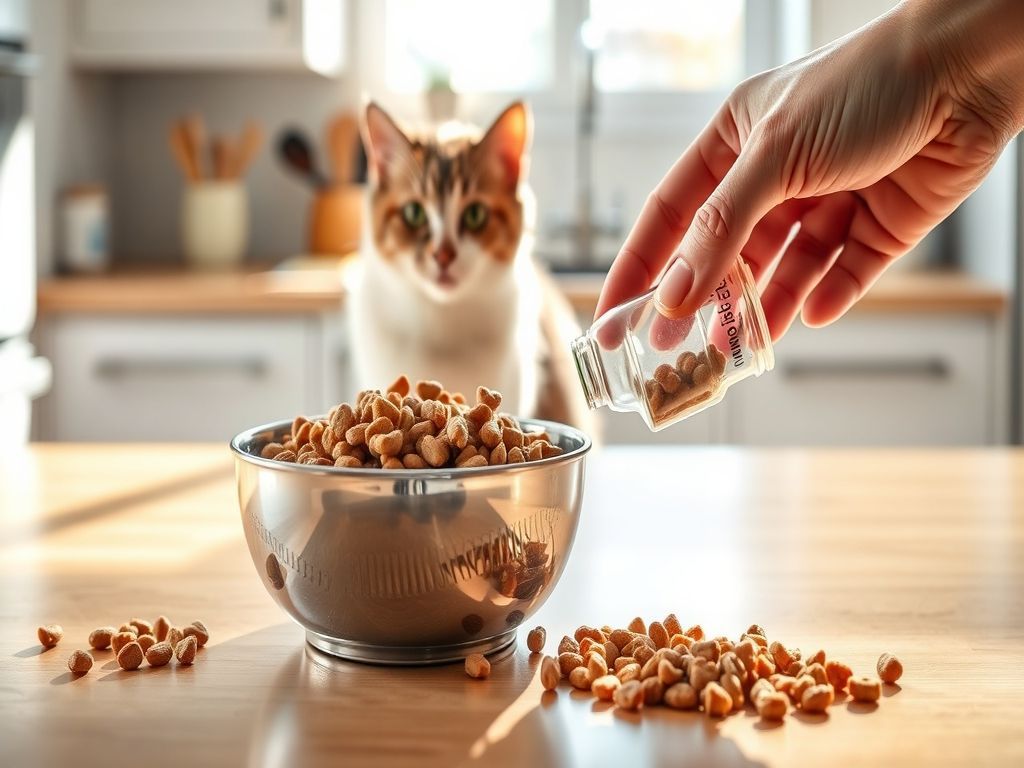
Reducing cat shedding isn't about eliminating it entirely, but rather about managing it effectively and promoting your cat's overall health. By embracing a holistic approach that combines consistent grooming, a high-quality diet, optimal hydration, and a supportive environment, you can significantly reduce the amount of loose hair in your home and on your clothes. Remember, your cat's coat is a window into their health.
Today, I encourage you to take one specific action: evaluate your cat's current grooming routine and commit to adding just 5 minutes of extra brushing each day for the next week. Observe the difference it makes, not just in the amount of hair you collect, but also in your cat's comfort and the bond you share. A little consistency goes a long way in achieving a healthier coat and a happier home for both you and your cherished feline companion.
Previous
Dog Constipation Relief: Emergency Steps for Small Dog Owners
Next
Reducing Cat Shedding: Essential Tips for a Happier Home
More in Pets

Pet First Aid Guide for Multi-Pet Households: Easy Steps for Beginners
Learn essential pet first aid tips for multi-pet households. Discover how to build a custom kit, handle choking, perform CPR, and coordinate emergencies.

Heartworm Prevention for Large Dogs: A Step-by-Step Home Guide
Heartworm prevention for large dogs requires precise dosing and consistency. Learn how to choose the right medication, manage schedules, and avoid common errors.

Introducing Two Dogs Successfully After a Failed First Attempt
Introducing two dogs requires a structured approach to prevent aggression. Follow this safety-first checklist to ensure a successful meeting and long-term peace.

Pet Birthday Party Ideas: Safety and Emergency Prep for Multi-Pet Homes
Explore pet birthday party ideas focused on safety and emergency prevention. Learn how to manage multi-pet dynamics, food risks, and stress during celebrations.