Preparing for Your Senior Dog's First Day: A Comprehensive Guide
Key Takeaways
Adopting a senior dog? Learn essential preparations for their first day at home, from creating a safe space to establishing a routine, ensuring a smooth transition.
I remember the time I adopted an elderly Beagle mix, nearly 10 years old, one crisp autumn day in 2018. She'd spent her life in a busy shelter, and the transition to a quiet home was a huge adjustment, not just for her, but for me too. I had prepared the basics, of course, but it was those subtle, often overlooked details that truly made the difference in helping her settle in. The first 24 hours were a delicate dance of observation and gentle reassurance, setting the stage for the peaceful years we would eventually share.
Why Does a Smooth First Day Matter So Much for Senior Dogs?
Bringing a new dog home is exciting, but for senior canines, the first day, and indeed the first few weeks, are particularly critical. Unlike their younger, more resilient counterparts, senior dogs are often more sensitive to changes in their environment and routine. A chaotic or unprepared arrival can trigger significant stress, which, for an older dog, can have serious, cascading consequences. Their immune systems might not be as robust, making them more susceptible to stress-induced illness. Moreover, a traumatic initial experience can lead to lasting behavioral issues, such as fear, anxiety, or even aggression, making long-term integration much more challenging.
Imagine a senior dog, perhaps 8 years old or more, who has potentially experienced multiple homes, a shelter environment, or even neglect. Their world is suddenly turned upside down. Without careful preparation, they might face:
- Increased Stress Levels: High cortisol levels from stress can suppress their immune system, potentially exacerbating existing health conditions or leading to new ones. For example, a dog with latent arthritis might experience increased pain due to muscle tension from anxiety.
- Behavioral Regression: House-training might regress, or they might develop destructive behaviors or excessive barking as coping mechanisms.
- Prolonged Adjustment Period: A difficult first impression can extend their adjustment phase from a few weeks to several months, delaying the bonding process and creating ongoing challenges for you.
- Reluctance to Engage: They might withdraw, hide, or refuse to eat, further complicating their health and integration into the family. Veterinarians often estimate that senior dogs are 2-3 times more likely to experience stress-related health issues during major life changes compared to puppies or young adult dogs. This isn't just about comfort; it's about setting them up for a healthy, happy, and successful life in their new forever home. A well-planned first day significantly reduces stress, builds trust, and lays the groundwork for a secure, loving relationship.
How Can You Best Prepare for Your Senior Dog's Arrival?
Preparation is key to a calm and positive first day. Think of it as creating a soft landing for your new companion. Here's a detailed guide to ensure everything is in place before they even step paw inside.
Creating a Safe and Senior-Friendly Environment
Your home needs to be a sanctuary, especially for an older dog who might have mobility issues, impaired vision or hearing, or simply needs a quiet retreat. Before your dog arrives, complete these essential steps:
Designate a 'Safe Space': Choose a quiet, low-traffic area for their bed, water, and food bowls. This could be a corner of a living room, a quiet den, or a spacious crate if they are crate-trained. Equip it with a comfortable, orthopedic bed, especially beneficial for dogs with joint pain. Ensure it's easily accessible and free from stairs if possible. This space should be their retreat, a place where they feel secure and can't be disturbed.
Remove Hazards: Just like puppy-proofing, senior-proofing is crucial. Pick up small objects they could choke on, secure electrical cords, and store toxic substances safely away. Senior dogs might not have the same agility or eyesight, making them more prone to accidents.
Ensure Accessibility: If your home has stairs, consider ramps or gates to restrict access, or be prepared to carry them. Use non-slip rugs or mats on slick floors (hardwood, tile) to prevent falls, which can be devastating for an older dog with weakened joints. Elevated food and water bowls can also make eating and drinking more comfortable for dogs with neck or back issues.
Temperature Control: Senior dogs are more susceptible to extreme temperatures. Ensure their safe space is kept at a comfortable ambient temperature, not too hot or too cold, and away from direct drafts or heat sources.
Secure Your Yard: If you have a yard, check fences for any gaps where a curious but slow-moving senior dog could wander off. Ensure gates are securely latched. Remember, their senses might not be as sharp, and they could easily get disoriented.
Essential Supplies to Have Ready
Having the right gear on hand prevents last-minute dashes to the pet store and unnecessary stress for you and your new dog.
- Food and Water Bowls: Stainless steel or ceramic are generally preferred for hygiene. Elevated bowls are a good option for larger or arthritic dogs.
- High-Quality Senior Dog Food: If you know what they were eating previously, start with that. If not, consult the shelter or rescue for recommendations. Have enough for at least 1-2 weeks. If you plan to switch foods, do so gradually over 7–10 days to prevent digestive upset.
- Comfortable Bedding: An orthopedic bed is highly recommended. Senior dogs spend more time resting, and proper joint support is vital. Look for beds with good cushioning and easy-to-clean covers.
- Leash and Collar/Harness: A comfortable, well-fitting harness is often better for senior dogs, distributing pressure away from their neck. Ensure it has an ID tag with your current contact information.
- Waste Bags and Cleaning Supplies: Accidents happen, especially on the first day. Be prepared with enzymatic cleaners for any indoor mishaps.
- Grooming Tools: A soft brush, nail clippers, and perhaps some gentle wipes for quick clean-ups. Regular grooming can be therapeutic and helps you check for lumps or skin issues.
- Age-Appropriate Toys: Soft, easy-to-chew toys that don't require too much exertion. Puzzle toys can provide mental stimulation without physical strain.
- Familiar Scented Item (Optional but Recommended): Ask the shelter if you can take a blanket or toy with their scent or the scent of their previous environment. This can be immensely comforting.
Establishing a Predictable Routine from Day One
Predictability is incredibly reassuring for senior dogs. A consistent routine helps them understand what to expect, reducing anxiety and speeding up their adjustment.
- Feeding Schedule: Establish consistent meal times (e.g., 8 AM and 6 PM) from the very first day. Offer food in their designated safe space.
- Potty Breaks: Take your dog out frequently, especially upon waking, after meals, and before bedtime. For an older dog, this might mean every 3–4 hours initially. Praise and reward them generously for going outside. Learn more about senior dog potty training in our article: [Link to 'Gentle House-Training Tips for Senior Dogs'].
- Exercise and Play: Keep activity levels low and gentle initially. Multiple short walks (5–10 minutes, 3–4 times a day) are better than one long, strenuous outing. Observe their energy levels and discomfort signs closely.
- Quiet Time: Schedule periods of quiet rest in their safe space. Senior dogs need more sleep and undisturbed downtime.
The All-Important First Vet Visit
Schedule a vet appointment within the first week of adoption. This is crucial, not just for a general health check, but to establish a baseline and discuss any specific concerns related to their age or known history. Bring all available medical records from the shelter. This visit allows your vet to assess their overall health, discuss diet, mobility, and any potential age-related conditions, such as arthritis or dental disease. Early detection and management of these issues can significantly improve their quality of life.
What Common Mistakes Should You Avoid When Adopting a Senior Dog?
Even with the best intentions, new senior dog owners can inadvertently make mistakes that hinder their dog's adjustment. Being aware of these pitfalls can help you navigate the first few days and weeks more smoothly.
Mistake 1: Overwhelm and Too Much Too Soon
It's natural to want to shower your new dog with love, introduce them to everyone, and explore new places. However, for a senior dog, this can be incredibly overwhelming. They need time to decompress and process their new environment.
- The Problem: Immediately inviting all friends and family over, taking them to a busy dog park, or introducing them to every resident pet in rapid succession can cause sensory overload. This can manifest as fear, withdrawal, or even defensive behaviors.
- The Fix: Implement a 'decompression' period for the first 24–72 hours, or even longer. Keep interactions calm and minimal. Allow them to explore their safe space and your home at their own pace. Limit new introductions to one person or pet at a time, in controlled, short bursts. Let them initiate contact. Remember, quiet observation is often more comforting than constant attention during this initial phase.
Mistake 2: Ignoring Subtle Signs of Discomfort or Illness
Senior dogs often mask pain or discomfort, a survival instinct that can make it challenging for new owners to identify issues. What might seem like 'just old age' could be a treatable condition.
- The Problem: Dismissing changes in appetite, slight limping, increased sleeping, or reluctance to move as simply 'being old' can delay diagnosis and treatment of underlying health problems. Senior dogs are prone to conditions like arthritis, dental disease, thyroid issues, and even cognitive dysfunction, which require veterinary attention.
- The Fix: Become a keen observer. Spend quiet time watching your dog's movements, eating habits, and overall demeanor. Keep a journal of any changes, no matter how minor. Schedule that initial vet visit promptly and openly discuss all observations. Your vet can conduct a thorough examination and recommend appropriate diagnostics. Early intervention is critical for managing age-related conditions effectively. Learn more about common senior dog health issues here: [Link to 'Common Senior Dog Health Issues'].
Mistake 3: Underestimating the Commitment and Costs
While senior dogs are often calmer and past the destructive puppy phase, they come with their own unique set of needs, which can include higher veterinary costs and a significant time commitment.
- The Problem: Assuming that an older dog requires less attention or that their care will be inexpensive can lead to financial strain or feelings of being overwhelmed. Senior dogs often require specialized diets, more frequent vet check-ups (e.g., twice a year instead of annually), medications for chronic conditions, and potentially more intensive grooming or physical therapy.
- The Fix: Be realistic about the financial and time investment. Research common senior dog health issues and their typical treatment costs. Budget for potential veterinary expenses, which can easily reach several hundred to over a thousand dollars annually for ongoing conditions. Be prepared to dedicate consistent time to their routine, gentle exercise, and comfort. Many owners find pet insurance for senior dogs to be a worthwhile investment to help manage unexpected costs. Adopting a senior dog is a commitment to providing comfort and care through their golden years, and knowing this upfront is vital.
Summary: Three Pillars for a Successful Senior Dog Adoption
Bringing a senior dog into your home is a profoundly rewarding experience, one that offers unique joys and challenges. By focusing on a few key areas, you can ensure their first day, and subsequent life with you, is as smooth and happy as possible.
Prioritize Comfort and Security: Create a calm, safe, and senior-friendly environment with designated quiet spaces, easy accessibility, and comfortable bedding. This immediately reduces stress and builds a foundation of trust.
Establish Predictability Early On: A consistent routine for feeding, potty breaks, and gentle activity provides immense reassurance. Senior dogs thrive on knowing what to expect, which significantly aids their adjustment.
Observe Closely and Consult Professionals: Be vigilant for subtle signs of discomfort or illness, and schedule a vet visit within the first week. Early detection and proactive care are paramount for managing age-related conditions and ensuring their long-term well-being. The journey with a senior adopted dog is a beautiful testament to patience and unconditional love. Today, take a moment to review your home environment through the eyes of an older dog – identify any potential hazards or areas where comfort could be improved. Making these adjustments now will make a world of difference for your new companion.
Previous
Pet Summer Health: Essential Emergency Preparedness for New Owners
Next
Preparing for Your Senior Dog's First Day: A Comprehensive Guide
More in Pets

Pet First Aid Guide for Multi-Pet Households: Easy Steps for Beginners
Learn essential pet first aid tips for multi-pet households. Discover how to build a custom kit, handle choking, perform CPR, and coordinate emergencies.
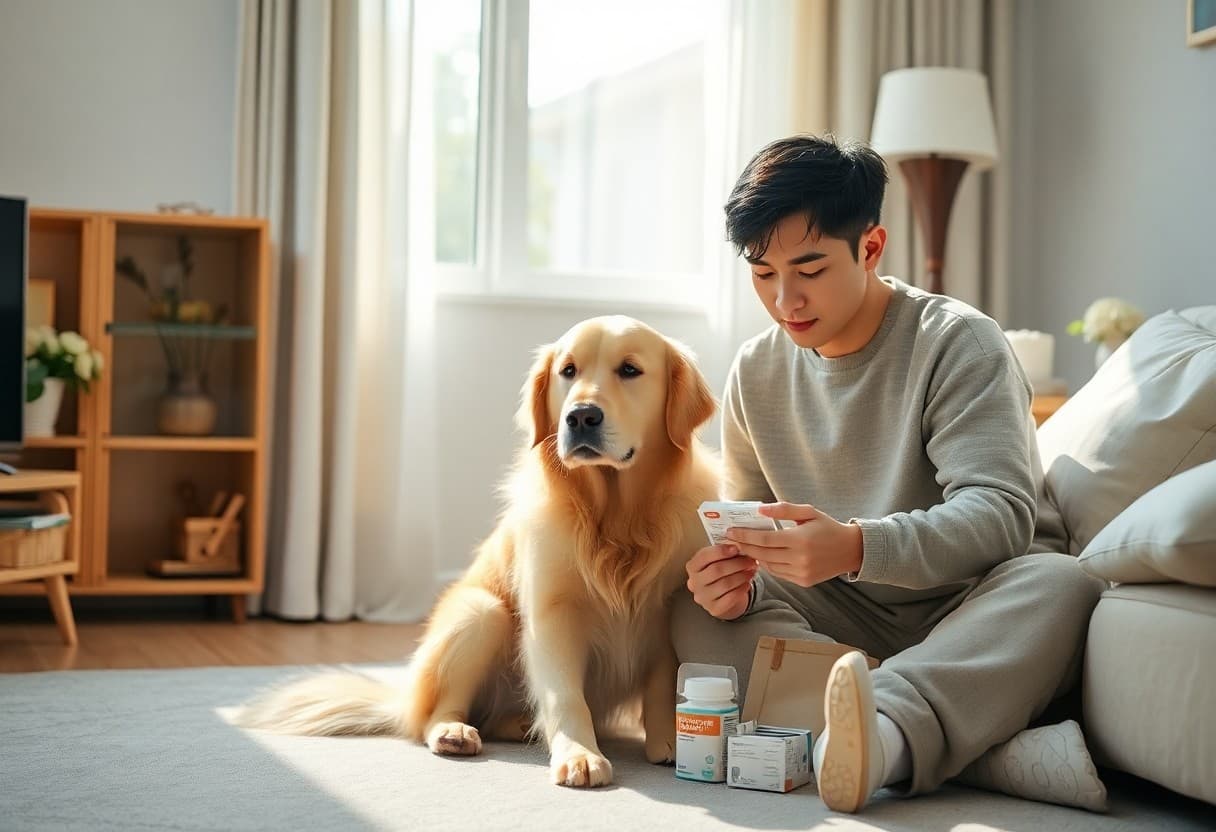
Heartworm Prevention for Large Dogs: A Step-by-Step Home Guide
Heartworm prevention for large dogs requires precise dosing and consistency. Learn how to choose the right medication, manage schedules, and avoid common errors.

Introducing Two Dogs Successfully After a Failed First Attempt
Introducing two dogs requires a structured approach to prevent aggression. Follow this safety-first checklist to ensure a successful meeting and long-term peace.

Pet Birthday Party Ideas: Safety and Emergency Prep for Multi-Pet Homes
Explore pet birthday party ideas focused on safety and emergency prevention. Learn how to manage multi-pet dynamics, food risks, and stress during celebrations.