Pet Summer Health: Essential Emergency Preparedness for New Owners

Key Takeaways
Prepare for pet summer health emergencies with this essential guide for new owners. Learn to identify risks, prevent heatstroke, and act swiftly in critical situations to keep your companion safe. General information only; consult a vet for specific advice.
Pet Summer Health: Essential Emergency Preparedness for New Owners
The short answer is that preparing for pet summer health emergencies is a critical responsibility for any prospective pet owner. Here's why: summer brings unique environmental challenges that can quickly turn dangerous for pets, from heatstroke and dehydration to paw burns and toxic exposures. Understanding these risks and knowing how to respond swiftly and effectively in an emergency can literally save your future companion's life. This guide will walk you through the essential knowledge and practical steps to ensure your pet stays safe and healthy during the warmer months.
Why Summer Poses Unique Risks for Pets
Summer is a time for outdoor adventures and sunshine, but for pets, it also introduces a host of potential dangers. Unlike humans, pets cannot sweat efficiently across their bodies; they primarily cool down through panting. This makes them highly susceptible to overheating. Beyond heat itself, increased outdoor activity means greater exposure to hot surfaces, unfamiliar plants, insects, and bodies of water that may harbor unseen threats. As you prepare to welcome a pet into your life, recognizing these seasonal vulnerabilities is the first step toward responsible pet ownership. Ignoring these risks can lead to rapid deterioration of a pet's health, often requiring emergency veterinary intervention.
This article is designed to provide general information about pet summer health management and emergency preparedness. It is not intended as a substitute for professional veterinary diagnosis, treatment, or advice. Always consult a qualified veterinarian for any health concerns or before making decisions about your pet's care.
Foundational Concepts for New Pet Owners
For those new to pet ownership, understanding the basic summer health risks is paramount. Knowledge empowers you to prevent emergencies before they happen. This section lays out the fundamental concepts you need to grasp.
What are the primary summer health risks for pets?
Several common hazards can quickly impact your pet's well-being during summer. Knowing these will help you recognize potential danger:
- Heatstroke: This is perhaps the most dangerous summer threat. It occurs when a pet's body temperature rises to a dangerous level, typically above 103°F (39.4°C), and they cannot cool themselves down. Symptoms include excessive panting, drooling, lethargy, weakness, vomiting, diarrhea, glazed eyes, a dark red or purple tongue, and eventually collapse or seizures. Brachycephalic (short-nosed) breeds like Bulldogs, Pugs, and Persian cats are particularly vulnerable due to their compromised airways.
- Dehydration: Insufficient water intake or excessive fluid loss can lead to dehydration. Signs often include sunken eyes, dry gums, loss of skin elasticity (the skin stays 'tented' when gently pinched), and decreased energy. Severe dehydration can lead to organ failure.
- Paw Pad Burns: Asphalt, concrete, and sand can reach scorching temperatures, easily burning your pet's paw pads. If the surface is too hot for your bare hand to hold comfortably for 5 seconds, it's too hot for your pet's paws. For example, asphalt can reach 125°F (51.7°C) when the air temperature is just 87°F (30.6°C), causing burns in minutes.
- Toxic Exposures: Increased outdoor time means more exposure to potentially harmful substances. This includes toxic plants, lawn chemicals (fertilizers, pesticides), and harmful algae blooms in stagnant water. Even certain human foods, like corn on the cob or grapes, become more prevalent at summer gatherings and pose a risk if ingested by pets.
- Insect Bites and Stings: Bees, wasps, spiders, and even fire ants are more active in summer. While most bites result in mild irritation, some pets can have severe allergic reactions, leading to swelling, difficulty breathing, or anaphylactic shock.
Preventative Measures: The First Line of Defense
Prevention is always superior to emergency treatment. By implementing these measures, you can significantly reduce your pet's risk of summer health issues:
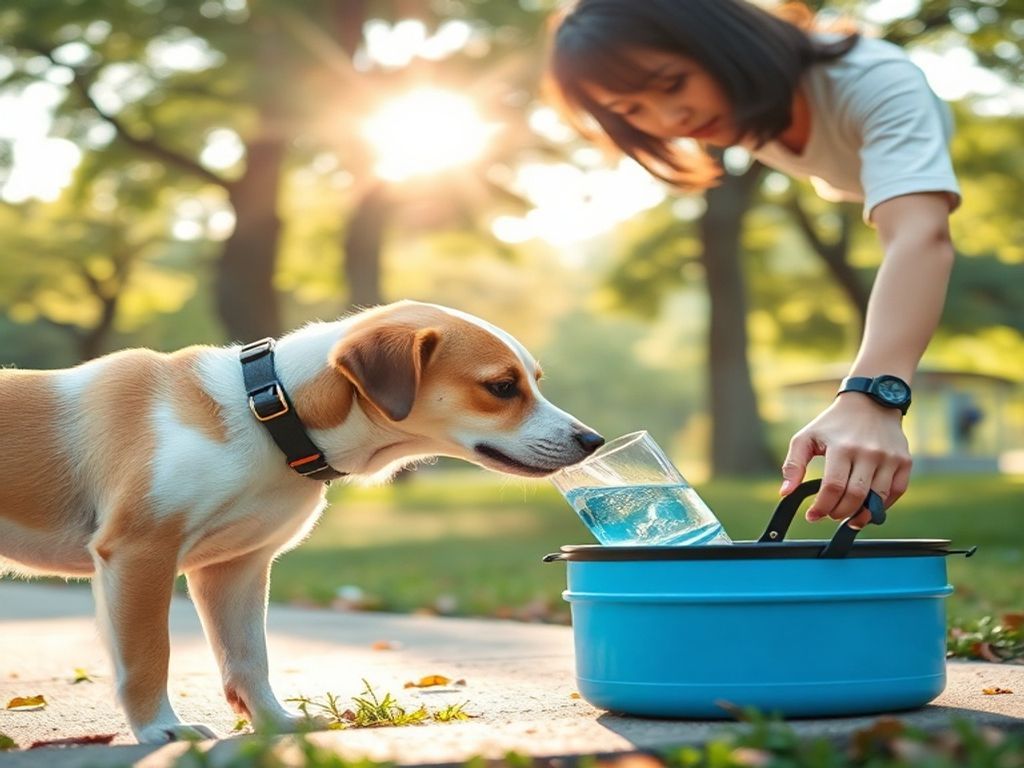
Ensure Constant Hydration: Always provide access to fresh, clean water. When outdoors, carry a portable water bottle and bowl. Aim for daily water intake of approximately 1 ounce per pound of body weight for most dogs, adjusting for activity levels and heat. Specifically, during a 30-minute walk on a warm day, offer water every 10–15 minutes.
Provide Ample Shade and Shelter: Never leave your pet unattended in a parked car, even for 'just a few minutes' or with the windows cracked. Temperatures inside a car can rise by 20 degrees Fahrenheit (approximately 11 degrees Celsius) in just 10 minutes, even with windows slightly open, according to the American Veterinary Medical Association (AVMA). Ensure your yard or outdoor space has plenty of shaded areas for your pet to retreat to.
Time Outdoor Activities Wisely: Schedule walks, playtime, and exercise during the coolest parts of the day – early mornings (before 8 AM) and late evenings (after 7 PM). Avoid strenuous activity during peak heat hours (10 AM to 4 PM).
Protect Paw Pads: Regularly check pavement and sand temperatures. Consider paw booties or walking your pet on grass or dirt paths when surfaces are hot. You can also apply paw wax for a protective barrier, though it won't prevent burns on extremely hot surfaces.
Consider Grooming Needs: For pets with thick coats, discuss appropriate summer grooming with a professional. While shaving isn't always recommended (as it can expose skin to sunburn and interfere with natural insulation), regular brushing to remove loose undercoat can significantly improve air circulation and cooling.
Parasite Prevention: Summer is prime season for fleas, ticks, and mosquitoes, which can transmit diseases like Lyme disease, ehrlichiosis, and heartworm. Ensure your pet is on veterinarian-approved preventative medication year-round.
Deep Dive: Recognizing and Responding to Emergencies
Even with the best preventative measures, emergencies can still occur. This section moves beyond the basics, detailing how to recognize severe symptoms and the immediate first aid steps you can take before reaching professional veterinary care. This is where intermediate knowledge becomes crucial.
How do you identify a pet health emergency in summer?
Early recognition of a pet in distress can be life-saving. Here's a more detailed look at critical signs:
- Advanced Heatstroke: Beyond initial panting, look for:
- Uncontrolled, rapid panting that doesn't subside.
- Bright red or blue-tinged gums.
- Thick, ropy saliva.
- Wobbling, stumbling, or inability to stand.
- Muscle tremors or seizures.
- Vomiting or diarrhea (sometimes bloody).
- A rectal temperature above 104°F (40°C).
- These are severe signs requiring immediate emergency veterinary care. Do not wait for them to worsen.
- Severe Dehydration:
- Extreme lethargy or unresponsiveness.
- Very dry, tacky gums and tongue.
- Deeply sunken eyes.
- Skin tenting that persists for several seconds.
- Rapid heart rate.
- Weak pulse.
- Allergic Reactions (e.g., severe insect sting):
- Rapid swelling of the face, muzzle, or around the eyes.
- Hives (small bumps) on the skin.
- Difficulty breathing (gasping, wheezing).
- Vomiting or diarrhea.
- Collapse.
- Toxic Ingestion:
- Sudden vomiting or diarrhea.
- Lethargy or hyperactivity.
- Tremors or seizures.
- Excessive drooling.
- Changes in gum color.
- Unusual breath odor.
Warning
Immediate First Aid for Common Summer Pet Emergencies
Knowing how to act in the initial moments of an emergency can significantly improve your pet's prognosis. Remember, these are first aid steps, not replacements for professional veterinary care.
For Heatstroke:
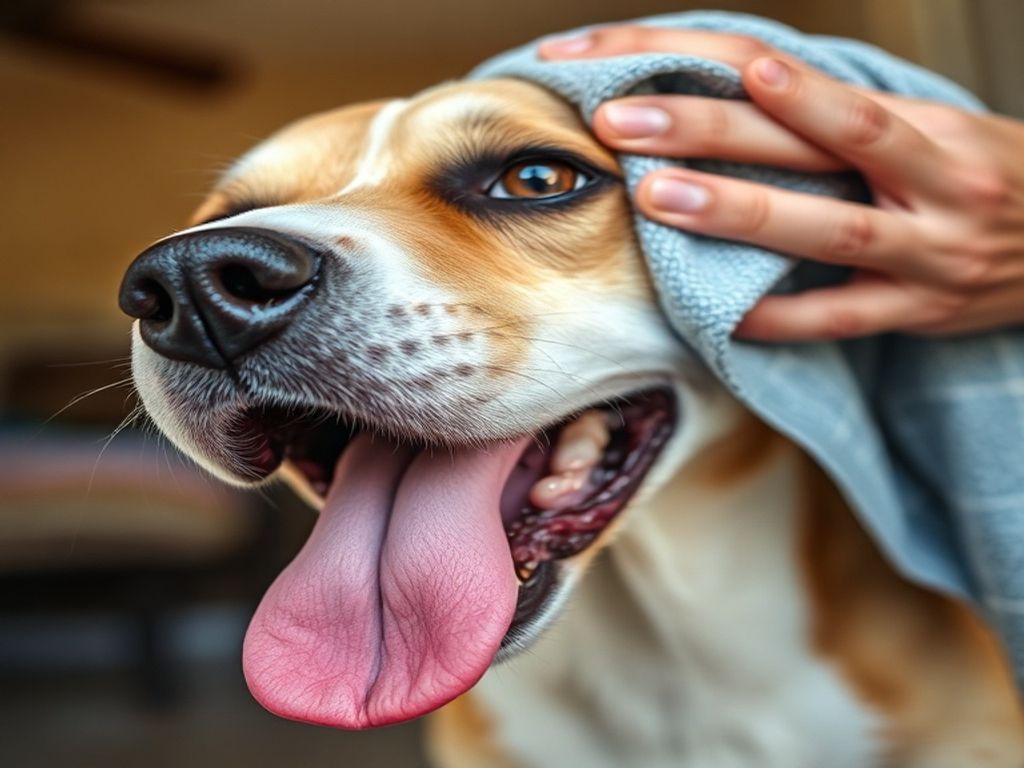
Move to a Cooler Area: Immediately get your pet out of the sun and into an air-conditioned space or shade.
Apply Cool Water: Wet your pet's fur with cool (not ice-cold) water, focusing on the ears, paws, and underbelly. Use a fan to increase evaporative cooling. *Warning:
- Do NOT use ice water or fully submerge your pet, as this can cause blood vessels to constrict, hindering cooling, and potentially leading to shock.
Offer Small Amounts of Water: If your pet is conscious and willing, offer a small amount of cool water to drink. Do not force them to drink.
Seek Veterinary Care: Transport your pet to the nearest emergency veterinary clinic immediately. Continue cooling efforts during transport. A 2010 study by Purdue University found that dogs with heatstroke receiving immediate first aid and veterinary care within 30 minutes of symptom onset had significantly better outcomes than those whose treatment was delayed. For Dehydration:
Offer Water: Encourage your pet to drink small amounts of water frequently. You can also offer ice cubes or pet-safe broth.
Veterinary Consultation: If dehydration is severe (e.g., lethargy, prolonged skin tenting), contact your veterinarian immediately. They may recommend subcutaneous fluids or intravenous hydration. For Paw Burns:
Cool the Paws: Gently rinse the affected paws with cool water for 5–10 minutes.
Protect: Apply a loose, clean bandage (e.g., non-stick gauze) if the skin is broken or blistered, but avoid tight wraps.
Seek Veterinary Care: Paw pad burns can be very painful and prone to infection. A vet needs to assess the severity and provide appropriate wound care and pain management. For Insect Stings/Bites:
Remove Stinger: If you can see the stinger, gently scrape it out with a credit card edge, avoiding squeezing it (which can inject more venom).
Cold Compress: Apply a cold compress (e.g., a cloth dampened with cool water) to reduce swelling.
Monitor for Allergic Reaction: Watch closely for signs of a severe allergic reaction (swelling, difficulty breathing, collapse) for at least 30 minutes. If these occur, seek emergency veterinary care immediately. Your veterinarian may recommend an antihistamine, but only administer pet-specific medications under their guidance. For Toxic Ingestion:
Identify the Toxin: If possible, determine what your pet ingested, how much, and when. Bring the packaging or a sample with you to the vet.
Call for Advice: Immediately call your veterinarian or a pet poison control center (such as the ASPCA Animal Poison Control Center or Pet Poison Helpline). Do NOT induce vomiting or administer any home remedies without professional guidance, as some toxins can cause more harm if vomited.
Building Your Pet's Summer Emergency Kit
Having a well-stocked emergency kit can save crucial time. Prepare one *before
- you need it. A 2022 survey by the American Pet Products Association indicated that only 42% of pet owners have an emergency kit specifically for their pets. Don't be part of the unprepared majority. Your kit should include:
- Emergency Contact Information: Your veterinarian's number, the nearest 24-hour emergency animal hospital, and a pet poison control hotline number.
- Basic First Aid Supplies:
- Gauze pads and rolls
- Antiseptic wipes or solution (e.g., chlorhexidine or povidone-iodine, diluted as directed by a vet)
- Non-stick bandages or vet wrap
- Pet-safe adhesive tape
- Scissors (blunt-tipped)
- Tweezers
- Pet-safe thermometer (normal rectal temperature for dogs and cats is 100-102.5°F or 37.8-39.2°C)
- Disposable gloves
- Sterile saline solution for flushing wounds or eyes
- Flashlight
- Pet-Specific Items:
- Carrier or muzzle (for safe transport, especially if injured)
- A recent photo of your pet
- Proof of vaccination and copies of medical records
- Any regular medications your pet takes
- Small amount of pet food and water, with portable bowls. Specifically, a collapsible silicone bowl is lightweight and practical.
- Resources: A basic pet first aid manual. [Consider linking to a relevant blog post here: 'Essential Pet First Aid Basics for New Owners']
Actionable Steps: Preparing for Your Future Pet's Summer Safety
As a prospective pet owner, you have the advantage of preparing proactively. Use this time to establish habits and resources that will ensure your future pet's safety and well-being during summer and beyond.
- Research and Select a Veterinarian: Find a reputable veterinarian in your area *before
- you bring a pet home. An initial consultation can help you discuss summer care strategies specific to the breed or type of pet you plan to get. [Consider linking to a relevant blog post here: 'How to Choose the Right Veterinarian for Your Pet']
Identify Local Emergency Clinics: Locate the nearest 24-hour veterinary emergency clinic to your home and save their contact information in your phone. Familiarize yourself with their location and hours of operation.
Learn Basic Pet First Aid/CPR: Consider taking a pet first aid or CPR course. Many organizations offer online or in-person classes that can teach you vital skills for managing various emergencies.
"Pet-Proof" Your Home and Yard: Before summer arrives, walk through your home and yard from a pet's perspective. Remove toxic plants, secure chemicals, ensure fences are secure, and eliminate any standing water that could attract mosquitoes or harbor algae.
Discuss Summer Care During Adoption/Purchase: When you're ready to get a pet, ask about their specific needs for summer heat, exercise tolerance, and any pre-existing conditions that might affect their heat resilience. [Consider linking to a relevant blog post here: 'Understanding Pet Body Language for Health & Happiness']
General Information Disclaimer
It is crucial to reiterate that this information is for general guidance only. While these tips can help you prepare, they are not a substitute for professional veterinary advice. If your pet exhibits any signs of illness or distress, contact your veterinarian immediately.
Conclusion
Preparing for pet summer health emergencies is an integral part of responsible pet ownership, especially for those embarking on this rewarding journey. By understanding the unique risks of summer, implementing preventative measures, and knowing how to respond swiftly to emergencies, you create a safer environment for your future companion. Remember these three key points: prevention is paramount, early recognition of symptoms is critical, and immediate, informed action can save lives. As a specific action to take today, use the next 30 minutes to identify the nearest 24-hour veterinary emergency clinic to your home and save their contact information in your phone. Your preparedness is a testament to the love and care you're ready to provide.
Previous
Reducing Cat Shedding: Essential Tips for a Happier Home
Next
Pet Summer Health: Essential Emergency Preparedness for New Owners
More in Pets

Pet First Aid Guide for Multi-Pet Households: Easy Steps for Beginners
Learn essential pet first aid tips for multi-pet households. Discover how to build a custom kit, handle choking, perform CPR, and coordinate emergencies.

Heartworm Prevention for Large Dogs: A Step-by-Step Home Guide
Heartworm prevention for large dogs requires precise dosing and consistency. Learn how to choose the right medication, manage schedules, and avoid common errors.

Introducing Two Dogs Successfully After a Failed First Attempt
Introducing two dogs requires a structured approach to prevent aggression. Follow this safety-first checklist to ensure a successful meeting and long-term peace.

Pet Birthday Party Ideas: Safety and Emergency Prep for Multi-Pet Homes
Explore pet birthday party ideas focused on safety and emergency prevention. Learn how to manage multi-pet dynamics, food risks, and stress during celebrations.