Large Dog Potty Pad Training Checklist: A Comprehensive Guide
Key Takeaways
Master large dog potty pad training with this comprehensive checklist. Learn essential steps, tackle common challenges, and ensure success for your big breed. Expert tips included.
Large Dog Potty Pad Training Checklist: A Comprehensive Guide
A friend of mine once adopted a magnificent Great Dane puppy, full of boisterous energy and an even more impressive capacity for... well, everything. They were thrilled to welcome him into their home, but quickly realized that house-training a dog of his eventual size presented a unique set of challenges. Traditional small dog pads simply wouldn't cut it, and the sheer volume of his output meant accidents were substantial. The initial weeks were a whirlwind of cleaning and confusion, leaving them wondering if they'd ever achieve a consistent potty routine indoors.
Training a large dog to use potty pads effectively can feel like a monumental task, but it's entirely achievable with the right approach and consistent effort. This guide is designed to provide you with a comprehensive checklist, breaking down the process into manageable steps for both new and experienced large dog owners.
It's important to state upfront that the information provided here is for general educational purposes only and should not replace personalized advice from a certified professional dog trainer or veterinarian. For any specific concerns about your pet's health or behavior, please consult a qualified expert.
Understanding the Unique Needs of Large Breeds for Potty Pads
For those new to training large breeds, it's crucial to acknowledge that their needs differ significantly from smaller dogs. Large dogs, by definition, have larger bladders and produce more waste. This means standard small-breed potty pads are often inadequate, leading to messes that spread beyond the pad and frustrate both pet and owner. Furthermore, large dogs require more space to comfortably relieve themselves, and they might be less inclined to squat or stand on a small, unstable surface.
Beginner's Guide: Laying the Foundation for Success
This section is for complete newcomers to large dog potty pad training, offering foundational steps to build a solid routine.
Choose the Right Potty Pads: This is perhaps the most critical first step. Forget the small, square pads designed for chihuahuas. For a large breed, you need generously sized, highly absorbent pads. Look for options labeled as 'extra-large' or 'jumbo', typically measuring at least 28x34 inches, or even larger. Some owners find success with multiple standard pads overlapped, or specialized washable pads that offer more coverage and stability.
Establish a Designated Potty Area: Select a consistent, easily accessible spot for the potty pad. This area should ideally be away from your dog's eating and sleeping areas, but still convenient for you to guide them to. A quiet corner in a room with hard flooring (for easy cleaning of potential misses) is often ideal. Avoid high-traffic areas where they might be easily distracted.
Create a Consistent Routine: Large breed puppies, like all puppies, need frequent potty breaks. Aim to take your dog to the pad every 1–2 hours initially, immediately after waking up, after meals, after playing, and before bedtime. Consistency is paramount. For example, if your dog wakes up at 7 AM, immediately take them to the pad. If they just finished breakfast at 8 AM, another trip to the pad is in order.
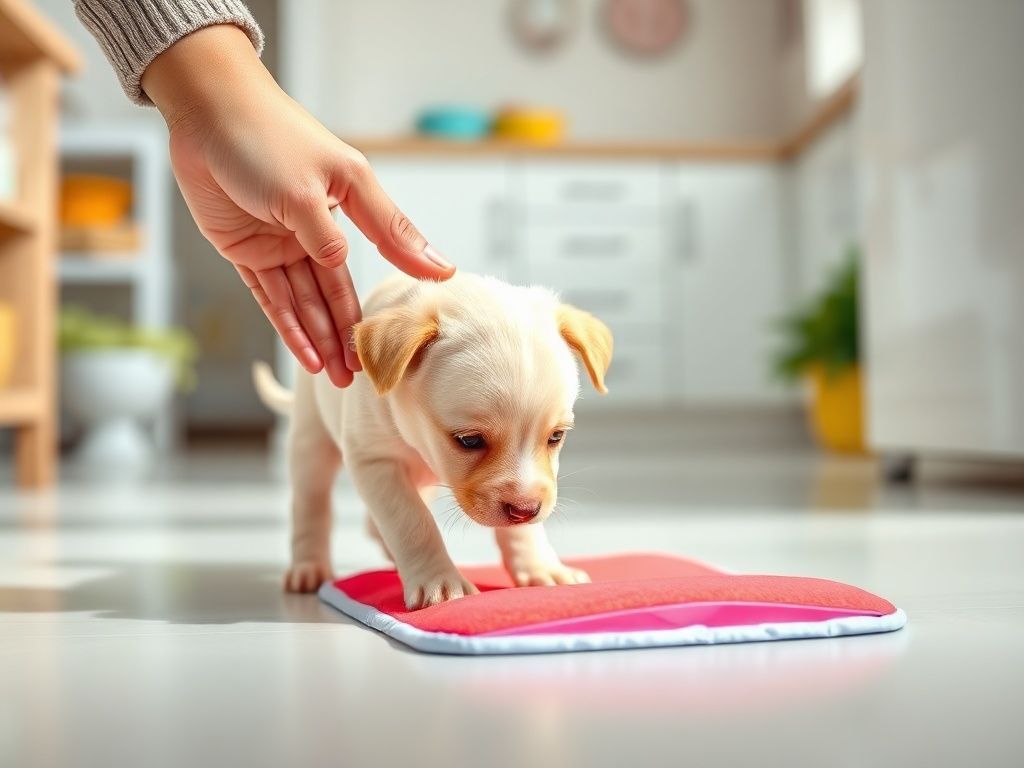
Positive Reinforcement is Key: When your dog successfully uses the pad, praise them enthusiastically with a happy tone of voice, offer a small, high-value treat, and perhaps a quick, gentle petting session. The reward must be immediate – within 3–5 seconds of them finishing their business – so they associate the positive outcome directly with the act of going on the pad. Never scold or punish your dog for accidents; this only teaches them to fear you and hide their messes.
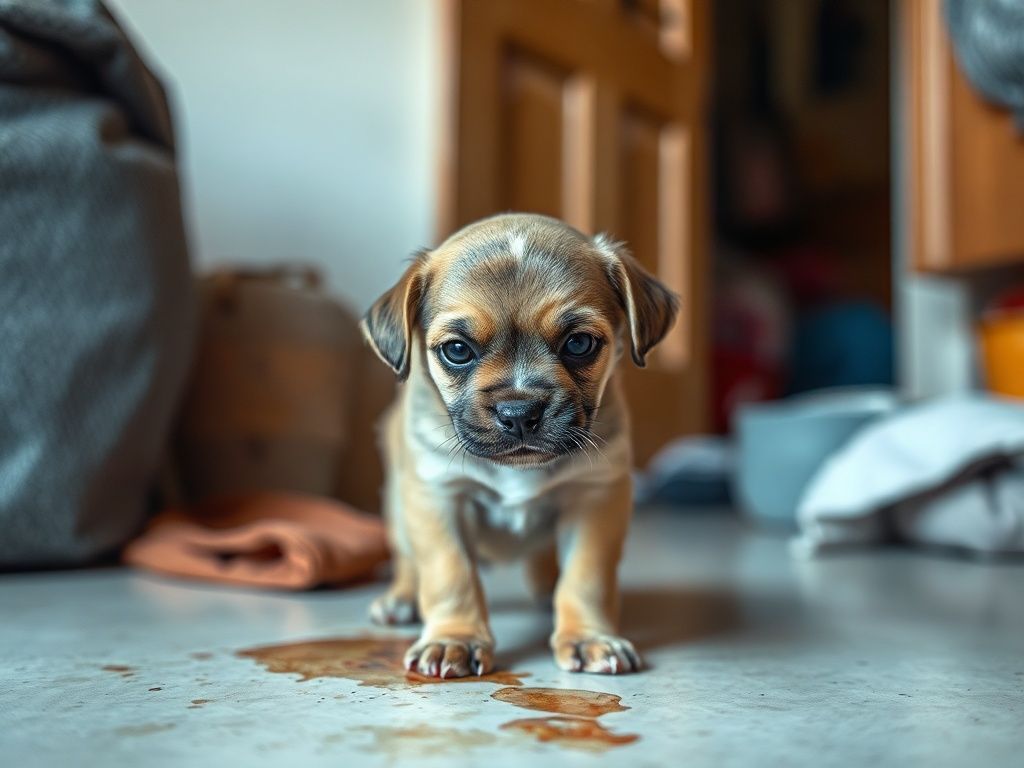
Clean Accidents Thoroughly: Accidents will happen, especially in the early stages. The most important thing is to clean them properly. Use an enzymatic cleaner specifically designed to neutralize pet odors. Standard cleaners may mask the smell to humans, but dogs can still detect it, potentially encouraging them to relieve themselves in the same spot again. Specifically, look for cleaners that break down uric acid crystals. Common Mistake Warning: Punishing accidents is highly counterproductive. It can lead to a dog who hides their potty breaks from you, making training much harder. Focus on rewarding good behavior instead.
Moving Beyond Basics: Enhancing Your Large Dog's Potty Pad Habits
This section is for those who have started potty pad training but want to refine their large dog's habits and address emerging challenges.
Gradual Expansion of the 'Potty Zone': As your dog consistently uses the pad, you can gradually expand their access to other areas of the house. Start by allowing them supervised access to an adjacent room. If they continue to use the pad reliably, slowly increase their freedom. If accidents occur, temporarily restrict their access again and reinforce the pad routine.
Introduce a Potty Command: Once your dog is regularly using the pad, you can start associating a specific verbal cue with the action. As you lead them to the pad, say a phrase like 'Go potty' or 'Potty time.' Repeat the command softly while they are on the pad. When they finish, immediately praise and reward them. Over time, they will learn to associate the command with the act of relieving themselves.
Addressing Regression: It's not uncommon for dogs to experience occasional setbacks. If your dog suddenly starts having accidents after a period of success, evaluate potential causes. Has there been a change in routine? Are they getting enough attention or exercise? Have you been consistent with rewards? Sometimes, a brief return to the beginner's routine (more frequent trips, higher value rewards) can help get them back on track. For example, if they've been missing the pad, consider adding a second pad temporarily to increase the target area.
Transitioning from Multiple Pads to Fewer: If you started with multiple pads or a very large 'pad zone,' you can gradually reduce the number or size of pads as your dog becomes more reliable. For instance, if you've been using four pads overlapped, try removing one, then another, until your dog is consistently using a single, appropriately sized pad. This process should be slow and gradual, over several days or even a week per pad reduction. Inconsistency Warning: One of the biggest obstacles to successful potty training is inconsistency from the owner. Every member of the household must be on the same page regarding the routine, commands, and rewards. Mixed signals can confuse your large dog and prolong the training process.
Advanced Strategies for Mastering Potty Pad Training in Large Dogs
This section delves into more advanced considerations for large dog owners looking to perfect their potty pad routine or address specific behavioral issues.
Integrating Outdoor Breaks (if applicable): While this guide focuses on pad training, many large dog owners also incorporate outdoor potty breaks. If this is your goal, ensure your dog understands the difference. Use different commands for indoor pad use versus outdoor elimination. Always reward outdoor success lavishly. This isn't a contradiction but rather an expansion of their potty repertoire, giving them options. For example, you might use 'Potty time' for pads and 'Go outside' for yard breaks.
Dealing with Specific Challenges:
- Marking Behavior: If your intact male large dog starts marking indoors, even on or near the pads, this is often a hormonal behavior. Consult your veterinarian about neutering. In the meantime, clean marked areas meticulously with enzymatic cleaner and supervise closely.
- Anxiety-Related Accidents: Some large dogs may have accidents due to separation anxiety or other stressors. Look for other signs of anxiety (destructive chewing, excessive barking). Address the root cause with behavioral training, increased exercise, and potentially consultation with a vet or professional behaviorist.
- When to Consult a Professional: If you've been consistently following these steps for several weeks (typically 4–6 weeks for a puppy) and are still struggling significantly with accidents, or if your dog suddenly starts having accidents after being perfectly trained, it's time to consult a veterinarian. They can rule out underlying medical conditions (such as urinary tract infections or kidney issues). If health issues are ruled out, a certified professional dog trainer or behaviorist can provide personalized guidance and create a tailored plan for your specific situation. Example: Some owners use a synthetic grass pad over a traditional pad for large dogs. This can make the potty area feel more 'natural' and stable, especially for dogs who are hesitant about the texture of disposable pads. The grass pad usually sits in a tray, with a disposable pad underneath for absorbency, offering a more robust solution. Warning: While potty pads are a convenient solution, especially for large apartment-dwelling dogs or those with mobility issues, avoid relying solely on them if outdoor relief is a viable and healthy option for your dog. Regular outdoor exercise and exposure to different environments are crucial for a large dog's overall well-being and socialization.
Troubleshooting Common Potty Pad Training Hurdles
Even with the best intentions, you might encounter specific difficulties. Here's how to tackle a few common ones:
- Missing the Pad: If your large dog goes *near
- the pad but not *on
- it, your pad might be too small, or your dog isn't comfortable enough. Try doubling up pads to create a larger target area, or ensure the pad is securely taped down to prevent slipping. Sometimes, placing a pad in a designated tray can help define the boundary. For example, if your dog's urine volume is large, a smaller pad might simply overflow, causing them to step off it mid-stream.
- Eating or Tearing Pads: This is common, especially with puppies or bored dogs. Ensure your dog is getting enough mental and physical stimulation throughout the day. Consider switching to a more durable, chew-proof pad holder, or using washable, heavy-duty pads that are harder to destroy. Never leave a dog unsupervised with a pad if they have a history of ingesting it, as this can lead to serious health issues requiring veterinary intervention.
- Going Potty Immediately After Coming Inside: If your dog goes outside but then immediately potties indoors, it often means they didn't fully relieve themselves outside. Lengthen outdoor potty breaks, and be more patient. Use your verbal cue ('Go potty!') while outside, and reward them handsomely for a full elimination. Keep them on a leash indoors for a short period after coming in, taking them directly to the pad if you suspect they still need to go.
- Sudden Accidents in a Previously Trained Dog: As mentioned, first rule out medical issues with a vet. If medically clear, consider changes in the household, stress, or a lapse in your routine. Revisit the basics for a few days – frequent trips to the pad, high-value rewards, and limited unsupervised access to the house.
Conclusion
Potty pad training a large dog requires patience, consistency, and the right tools, but it's a highly rewarding endeavor that fosters a cleaner home and a happier relationship with your companion. Remember these three key points:
Size Matters: Always use appropriately large and absorbent potty pads, or multiple pads to create a sufficient target area for your big breed.
Consistency is King: Stick to a strict schedule for potty breaks, especially during the initial training phases, and ensure all household members follow the same routine and commands.
Positive Reinforcement Wins: Reward every successful potty break on the pad immediately and enthusiastically. Never punish accidents, as this only creates fear and confusion. Your specific action to take today: Assess your current potty pad setup. Is it large enough for your dog? If not, order or set up larger pads or multiple pads today to give your large dog the space and comfort they need to succeed.
Previous
Managing Cat Kidney Health: Essential Checklist for Pet Parents
Next
Large Dog Potty Pad Training Checklist: A Comprehensive Guide
More in Pets

Pet First Aid Guide for Multi-Pet Households: Easy Steps for Beginners
Learn essential pet first aid tips for multi-pet households. Discover how to build a custom kit, handle choking, perform CPR, and coordinate emergencies.

Heartworm Prevention for Large Dogs: A Step-by-Step Home Guide
Heartworm prevention for large dogs requires precise dosing and consistency. Learn how to choose the right medication, manage schedules, and avoid common errors.
Introducing Two Dogs Successfully After a Failed First Attempt
Introducing two dogs requires a structured approach to prevent aggression. Follow this safety-first checklist to ensure a successful meeting and long-term peace.
Pet Birthday Party Ideas: Safety and Emergency Prep for Multi-Pet Homes
Explore pet birthday party ideas focused on safety and emergency prevention. Learn how to manage multi-pet dynamics, food risks, and stress during celebrations.