Pet Emergency First Aid: Vital Skills for Multi-Pet Homes

Key Takeaways
Pet emergency first aid is critical for multi-pet owners. Learn essential steps to stabilize your animals during seasonal health crises before reaching a vet clinic.
Pet Emergency First Aid: Vital Skills for Multi-Pet Homes
Pet owners who maintain a fully stocked emergency kit and those who rely solely on a quick dash to the local clinic often find themselves facing very different outcomes when a crisis strikes at 3:00 AM. One group manages the chaos with a calm, practiced sequence of actions, while the other navigates a frantic scramble that can inadvertently worsen an animal's condition. In a household with multiple animals, the stakes are significantly higher, as the distress of one pet often triggers anxiety or defensive behavior in the others, complicating an already high-pressure situation.
This article provides general information only and does not constitute professional veterinary diagnosis, treatment, or medical advice. Always consult a qualified veterinarian or an emergency animal hospital immediately if your pet is experiencing a medical crisis.
What Is Required Before an Emergency Occurs?
Before you can effectively respond to a medical crisis, you must have the right tools and mindset. In a multi-pet household, preparation is not just about having supplies; it is about knowing how to manage the environment so that one injured animal does not become two. According to the American Red Cross (2023), approximately 25% of pet emergencies could be mitigated or stabilized if the owner performed immediate first aid before reaching a clinic.
Essential Supplies for Your Kit
- Digital Thermometer: Use a rectal thermometer for accuracy. A normal temperature for dogs and cats is between 101.0 and 102.5 degrees Fahrenheit.
- Absorbent Gauze and Non-Stick Pads: These are vital for controlling bleeding and protecting wounds.
- Saline Solution: A 0.9% sodium chloride solution is the safest way to flush debris from eyes or wounds.
- Styptic Powder: Essential for stopping bleeding from torn nails or minor surface abrasions.
- Self-Adhering Bandage Wrap: This stays in place without sticking to fur, which is critical for quick application.
- Blunt-Tip Scissors: These allow you to cut away fur or bandages without accidentally nicking the skin.
- Muzzles or Fabric Strips: Even the gentlest pet may bite when in extreme pain or shock.
The Multi-Pet Mindset
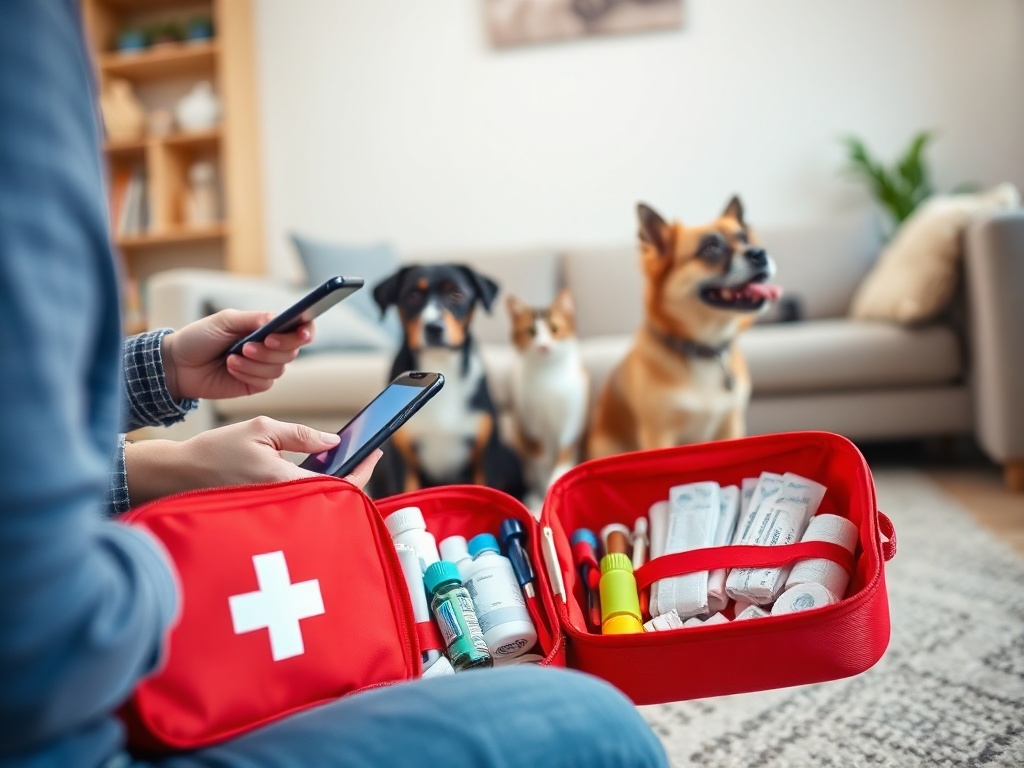
In a home with several animals, you must have a plan for isolation. When one pet is screaming or acting erratically, other pets may react with aggression or fear. Your preparation must include a designated 'quiet room' or a set of crates where healthy pets can be secured instantly. This prevents them from interfering with your first aid efforts or getting injured themselves. You should also maintain a physical folder or a digital cloud file containing the weight, age, and medical history of every animal in the house, as emergency vets will need this information immediately upon your arrival.
Step-by-Step Emergency Procedures for Common Scenarios
The following procedures are designed to stabilize a pet for transport. The primary goal of first aid is not to cure the animal, but to prevent the condition from worsening during the 10–20 minutes it takes to reach a professional.
1. Managing Heatstroke (Summer Emergency)
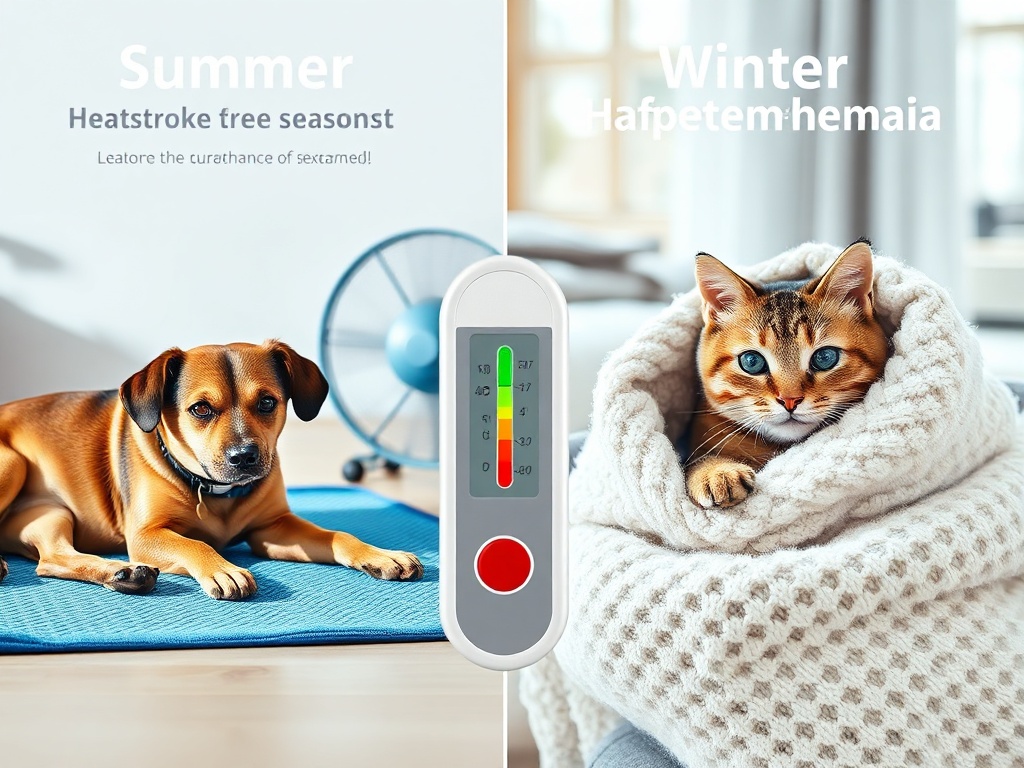
Heatstroke is a common seasonal emergency, particularly for brachycephalic (flat-faced) breeds or overweight pets. When a pet's internal temperature exceeds 104 degrees Fahrenheit, organ damage begins.
Move the pet to a shaded, well-ventilated area immediately.
Apply room-temperature water—never ice-cold water—to the pet's body. Focus on the groin, armpits, and paw pads.
Place the pet in front of a fan to facilitate evaporative cooling.
Monitor the rectal temperature every 3–5 minutes.
Stop the cooling process once the temperature reaches 103 degrees Fahrenheit to avoid causing hypothermia. Common Failure Point: Many owners make the mistake of using ice or extremely cold water. This causes the blood vessels in the skin to constrict (vasoconstriction), which actually traps heat deep inside the body and can lead to a dangerous spike in core temperature.
2. Addressing Choking and Airway Obstruction
Choking often occurs when pets play with small toys or ingest large pieces of food too quickly. In multi-pet homes, 'resource guarding' can lead to pets gulping food to prevent others from taking it, increasing the risk of choking.
Open the mouth and look inside. If you can see the object and easily grab it with your fingers or pliers, do so carefully.
If the object is not visible or reachable, perform the Heimlich maneuver. For a large dog, stand behind them, wrap your arms around their waist, and apply 5 quick thrusts to the abdomen just behind the ribs.
For a cat or small dog, apply the thrusts while they are on your lap or held against your chest.
If the animal loses consciousness, begin rescue breathing by closing their mouth and blowing into their nose until the chest rises. Common Failure Point: Attempting a 'blind sweep' with your fingers when you cannot see the object. This often pushes the obstruction deeper into the throat, making it impossible for a vet to remove without surgery.
3. Controlling Severe Bleeding (Injury or Fights)
Whether caused by a torn nail or a scuffle between housemates, bleeding must be controlled through pressure. Specifically, arterial bleeding (bright red, pulsing) requires more aggressive intervention than venous bleeding (dark red, steady flow).
Place a clean gauze pad over the wound and apply firm, direct pressure for at least 5–10 minutes without lifting the pad to check the progress.
If the blood soaks through, do not remove the first pad. Place a second pad on top and continue applying pressure. Removing the bottom layer can tear away the initial clot.
If the wound is on a limb, elevate it above the level of the heart if possible.
Apply a pressure bandage using self-adhering wrap, ensuring it is tight enough to stop bleeding but loose enough to allow a finger to slide underneath. Common Failure Point: Applying a tourniquet. Unless a limb is completely severed, a tourniquet can cause permanent nerve damage and tissue death. Direct pressure is almost always sufficient for stabilization.
4. Handling Suspected Poisoning (Winter/Seasonal Hazards)
Winter brings hazards like antifreeze (ethylene glycol) and holiday plants like lilies or poinsettias. Antifreeze is particularly lethal; as little as one teaspoon can cause fatal kidney failure in a cat.
Identify the substance. If possible, take the packaging or a sample of the vomit with you to the vet.
Call a pet poison control hotline or your vet immediately. Do not wait for symptoms to appear.
Do not induce vomiting unless specifically instructed to do so by a professional. Certain chemicals (like bleach or caustic cleaners) will cause more damage if they come back up through the esophagus.
If the toxin is on the skin or fur, wash the area with mild dish soap and plenty of water to prevent the pet from licking it off. Common Failure Point: Waiting to see if the pet 'acts sick.' By the time symptoms like tremors or vomiting appear, the toxin may have already been absorbed into the bloodstream, making treatment much more difficult and expensive.
How to Evaluate the Effectiveness of Your First Aid
Knowing when your first aid is working is just as important as knowing how to perform it. You must look for specific physiological signs that indicate the pet is either stabilizing or entering a state of shock. In a multi-pet home, you may need a second person to monitor these vitals while you drive.
Criteria for Success
- Capillary Refill Time (CRT): Press your finger against the pet's gums until they turn white, then release. The pink color should return within 1–2 seconds. If it takes longer than 3 seconds, the pet may be in shock or have poor circulation.
- Gum Color: Healthy gums are bubblegum pink. Pale or white gums indicate shock or blood loss, while blue or purple gums (cyanosis) indicate a lack of oxygen.
- Heart Rate: For a medium-to-large dog, a normal resting heart rate is 60–100 beats per minute. For cats and small dogs, it is 120–160. Use your hand to feel the chest behind the left elbow.
- Responsiveness: A stabilized pet should be alert to their name or a gentle touch. If they are glazed over or non-responsive, the situation is critical.
Decision Criteria for Owners
When deciding whether to continue first aid at home or leave immediately, use these two criteria:
Respiratory Effort: If the pet is gasping, using their abdominal muscles to breathe, or has an extended neck, stop all home treatment and drive to the vet immediately. Oxygen deprivation kills faster than almost any other trauma.
Risk Tolerance and Distance: If you are more than 15 minutes away from a 24-hour facility, your first aid (like stopping bleeding) is more critical. If you are 2 minutes away, prioritize transport over a perfect bandage.
Why Multi-Pet Households Require a Different Approach
In a multi-pet environment, the 'observer effect' is real. When one animal is injured, the social hierarchy of the home can shift. For example, a dominant dog who is suddenly incapacitated may be targeted by a submissive dog out of confusion or redirected excitement. Furthermore, the pheromones and scents of blood or stress can cause cats to hiss or hide, making it harder for you to find them later if you need to leave the house quickly.
Always use a 'double-barrier' system during an emergency. This means placing the injured pet in a carrier or a separate room, and then ensuring the door is closed before you deal with the other animals. If you have to leave for the emergency vet, do not leave the remaining animals out together if they are stressed; crate them separately to ensure you don't return to a second emergency.
Critical Caveats: When Home Intervention Is Not Enough
There are several situations where first aid can actually do more harm than good. It is vital to recognize the limits of your training and the equipment in your kit. For example, performing CPR on a pet whose heart is still beating can cause fatal arrhythmias. Similarly, trying to 'flush' a deep puncture wound with hydrogen peroxide can damage the healthy tissue and delay healing.
When This Is Not a Fit
- Internal Trauma: If a pet was hit by a car or fell from a height but looks 'fine,' do not assume they are safe. Internal bleeding and lung contusions can take hours to manifest. First aid cannot help internal injuries.
- Seizures: There is very little you can do for a seizing pet other than clearing the area of sharp objects and timing the event. Do not put your hands in their mouth; they will not swallow their tongue, but they will likely bite you.
- Fractures: Do not attempt to 'set' a bone or apply a splint unless you have been specifically trained. An improperly applied splint can cut off circulation or cause the bone to pierce the skin.
Criteria to Verify Before Proceeding
Before you apply any treatment, verify the following: Is the pet conscious? Is the pet breathing? Is the pet able to swallow? If the answer to any of these is 'no,' your only priority is immediate transport to a clinic equipped with oxygen and life-support systems.
Practical Tips for Maintaining Emergency Readiness
Quarterly Drills: Every 3 months, practice catching each pet and putting them in their respective carriers. In a fire or medical emergency, you don't want to be looking for a cat under a bed for 10 minutes.
Weight Checks: Keep a log of your pets' weights. Dosage for many emergency medications (like Benadryl for bee stings, if authorized by a vet) is strictly based on weight. In a multi-pet home, these numbers are easy to mix up.
Muzzle Training: Train all your dogs to wear a muzzle comfortably using positive reinforcement. If they are already used to it, putting one on during a painful injury will be much less stressful.
Emergency Fund or Insurance: High-level emergency care for multiple pets can cost thousands of dollars. Ensure you have a dedicated credit line or pet insurance policy that covers emergency visits and overnight stays.
Summary of Key Points
- Preparation is specialized: Multi-pet homes need isolation plans and species-specific supplies to manage the group dynamic during a crisis.
- Stabilization is the goal: First aid for heatstroke, bleeding, or choking is meant to buy time, not replace the vet. Always prioritize the airway and temperature regulation.
- Monitor vitals accurately: Use gum color, capillary refill time, and heart rate as objective measures of whether a pet is improving or declining. Next Step: Today, take 20 minutes to verify that your nearest 24-hour emergency vet's phone number is saved in your contacts and that you have a physical copy of your pets' medical records easily accessible near their carriers.
Previous
Dangerous Foods for Dogs: A Guide for Multi-Pet Households
Next
Pet Emergency First Aid: Vital Skills for Multi-Pet Homes
More in Pets

Pet First Aid Guide for Multi-Pet Households: Easy Steps for Beginners
Learn essential pet first aid tips for multi-pet households. Discover how to build a custom kit, handle choking, perform CPR, and coordinate emergencies.

Heartworm Prevention for Large Dogs: A Step-by-Step Home Guide
Heartworm prevention for large dogs requires precise dosing and consistency. Learn how to choose the right medication, manage schedules, and avoid common errors.

Introducing Two Dogs Successfully After a Failed First Attempt
Introducing two dogs requires a structured approach to prevent aggression. Follow this safety-first checklist to ensure a successful meeting and long-term peace.

Pet Birthday Party Ideas: Safety and Emergency Prep for Multi-Pet Homes
Explore pet birthday party ideas focused on safety and emergency prevention. Learn how to manage multi-pet dynamics, food risks, and stress during celebrations.