Leaving Senior Cats Home Alone: Essential Safety and Care Tips
Key Takeaways
Leaving senior cats home alone requires specific health and safety adjustments. Learn about environmental enrichment, medication timing, and monitoring for older felines.
Leaving Senior Cats Home Alone: Essential Safety and Care Tips
If you've ever felt a pang of guilt or worry while closing the front door on an aging feline companion, you know that the needs of a senior cat differ significantly from those of a spry kitten. While younger cats may spend their solo hours sleeping or playing, an older cat faces challenges related to mobility, metabolic stability, and cognitive health that require a more nuanced approach to home-alone safety. Managing the environment for a cat aged 11–15 years or older involves more than just filling a bowl; it requires a proactive strategy to mitigate risks that younger felines simply do not face.
This guide provides general information regarding senior cat care and safety protocols. It is not a substitute for professional veterinary advice, diagnosis, or treatment. Always consult with your veterinarian before changing your cat's routine, medication schedule, or diet, especially if they have underlying health conditions.
To ensure your senior cat remains safe and comfortable while you are away, focus on these four critical areas of management:
Environmental Accessibility and Mobility Support
Metabolic Consistency and Medication Management
Real-Time Monitoring and Emergency Preparedness
Hydration and Nutritional Stability
How Can You Optimize the Environment for an Aging Cat?
As cats age, their physical capabilities shift, often due to osteoarthritis or a general decline in muscle mass. A 2020 survey of veterinary practitioners estimated that roughly 90% of cats over the age of 12 show radiographic evidence of arthritis. This means that a home layout that was perfectly safe five years ago may now present significant obstacles. When leaving a senior cat alone, the goal is to minimize the physical effort required for them to access their basic needs.
Mobility and Furniture Access
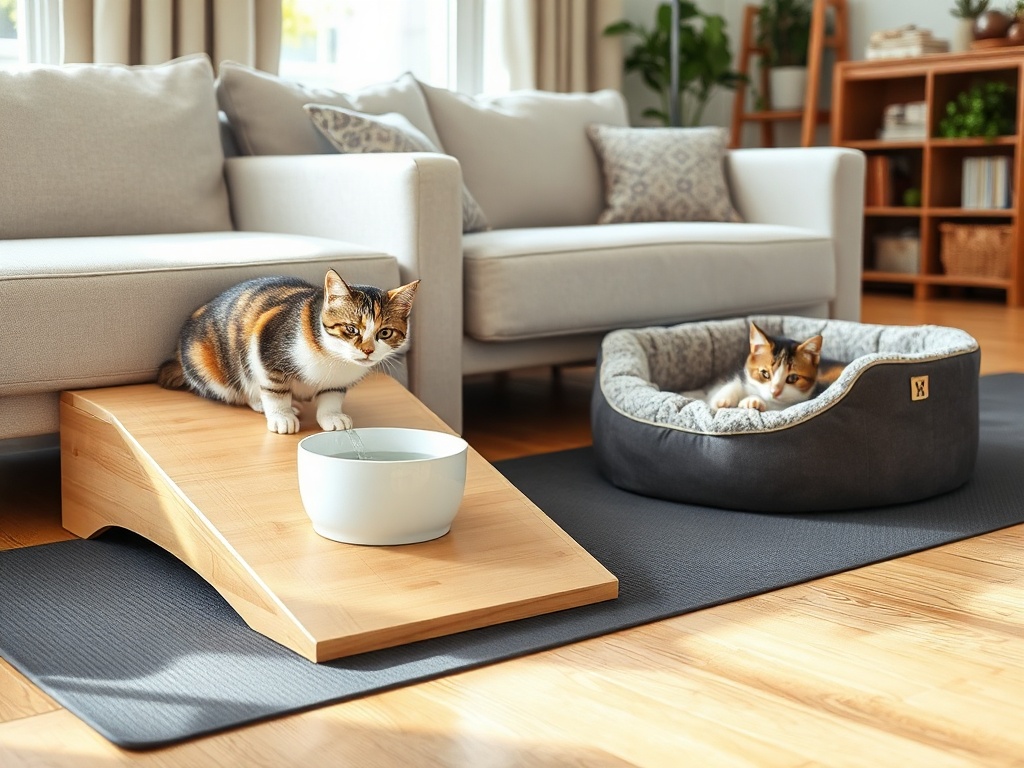
If your cat has a favorite sleeping spot on a high bed or a windowsill, they may attempt to jump even if it causes them pain or risks a fall. In practice, you should install pet ramps or wide-flanged steps to these locations. For example, a three-step pet stair system allows a cat to reach a 24-inch high bed without the impact of a jump. When you are not there to assist, these tools prevent the cat from getting 'stranded' on a high surface or injuring themselves during a clumsy descent.
Litter Box Logistics
Mobility issues also extend to the litter box. Many standard litter boxes have entries that are 5–7 inches high. For a cat with stiff joints, lifting their hind legs over that rim multiple times a day is a chore. Specifically, you should switch to a low-entry litter box with an opening no higher than 2–3 inches. Additionally, if your home has multiple levels, ensure there is at least one litter box on every floor where the cat spends time. A senior cat should never have to navigate a full flight of stairs just to relieve themselves, as this can lead to 'accidents' or the cat holding their urine for too long, which exacerbates urinary tract issues.
Why Is Routine Consistency Vital for Senior Cats?
Senior cats are far less adaptable to changes in routine than their younger counterparts. This is particularly true for cats experiencing Feline Cognitive Dysfunction (FCD), which is similar to dementia in humans. Consistency in the timing of meals and medications is the cornerstone of keeping an older cat stable while you are away.
Medication Timing and Metabolism
If your cat is managed for conditions like hyperthyroidism or diabetes, the timing of their medication is critical. For instance, insulin injections must often be administered exactly 12 hours apart. If your work schedule fluctuates, you must weigh the risk of a missed or late dose. A common mistake is assuming a two-hour delay is acceptable; however, for a diabetic cat, this can lead to dangerous fluctuations in blood glucose levels. If you cannot guarantee your return within a 30-minute window of the scheduled dose, a professional pet sitter or a veterinary technician should be hired to intervene.
Thermal Regulation
Older cats often struggle to regulate their body temperature due to thinning fur and reduced body fat. While you might turn off the air conditioning or heat to save energy when you are out, a senior cat requires a stable climate. Specifically, maintaining a temperature between 72–75 degrees Fahrenheit is ideal. In practice, providing a self-warming pet bed—which uses reflective material to bounce the cat's own body heat back to them—is safer than an electric heating pad, which carries a risk of burns or electrical shorts if the cat chews the cord while unsupervised.
What Monitoring Systems Are Most Effective for Seniors?
In the modern era, technology allows us to keep an eye on our pets from anywhere, but for a senior cat, the type of monitoring matters more than the brand of the camera. You are not looking for 'cute' clips; you are looking for deviations in behavior that indicate a medical crisis.
Strategic Camera Placement
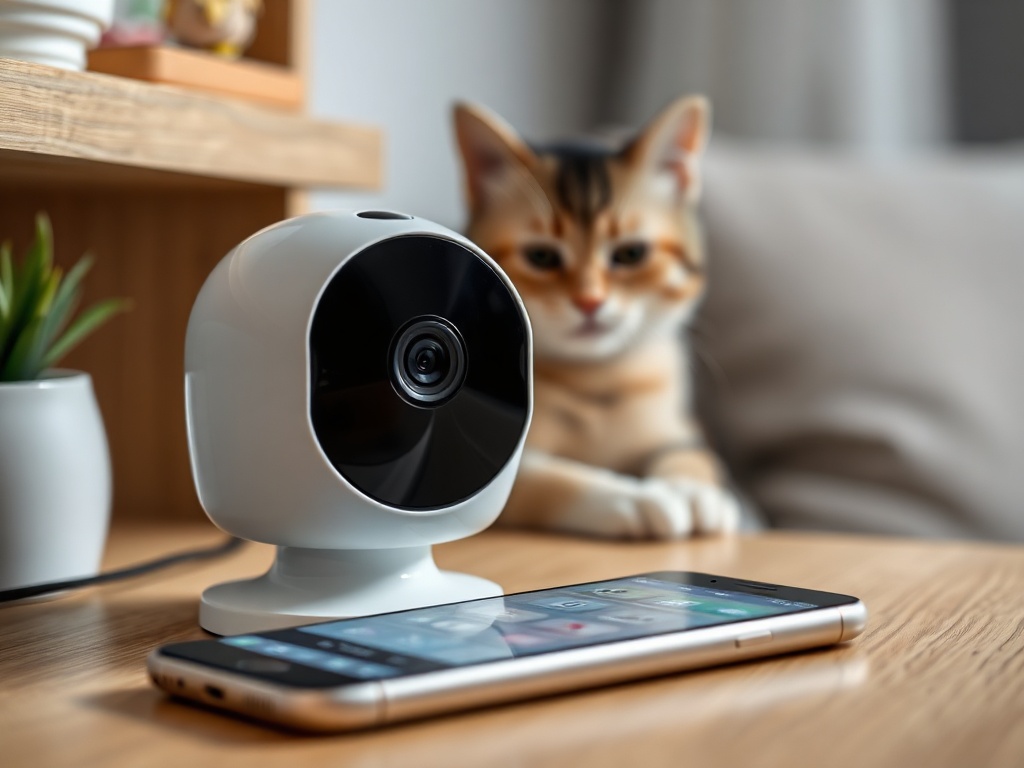
Rather than a wide-angle view of the living room, place cameras near the 'vital stations': the water bowl, the litter box, and the primary sleeping area. This allows you to track specific metrics. For example, if you notice your cat visiting the water bowl 5–6 times in a four-hour period, this is a sign of increased thirst (polydipsia) that warrants a veterinary check-up. Similarly, monitoring the litter box can help you identify if the cat is straining or spending an unusual amount of time there, which could indicate a blockage or infection.
The Human Element
It is important to recognize that a camera is a passive tool. It can show you that your cat has fallen, but it cannot help them. For owners who are away for more than 8–10 hours, a physical check-in is mandatory. A 2022 internal study by a national pet-sitting franchise noted that senior pets accounted for 45% of their 'emergency transport' calls, often because a sitter arrived to find a pet in respiratory distress or unable to stand. A camera might miss the subtle sound of labored breathing, but a human in the room will not.
When Advice May Fail or Not Apply
While the recommendations above are standard for many, there are specific scenarios where leaving a senior cat alone is not advisable. It is critical to evaluate your cat's specific health status against these criteria.
Severe Cognitive Dysfunction
If your cat suffers from advanced FCD, they may become 'trapped' in corners or under furniture and experience extreme panic when they cannot find their way out. In these cases, even a few hours of solitude can lead to high cortisol levels and physical exhaustion. For such cats, a confined 'safe room' with no small gaps and plenty of light is necessary, or they may require a constant human presence.
End-Stage Organ Failure
Cats in the final stages of renal failure or heart disease are in a precarious state. Their condition can shift from stable to critical in less than 60 minutes. If your cat is in palliative or hospice care, they should not be left alone for more than 2–3 hours. The risk of a sudden crisis, such as a saddle thrombus (a painful blood clot common in heart patients), requires immediate medical intervention that cannot be provided if the home is empty.
Criteria for Decision Making
When deciding whether to leave your senior cat alone or hire help, use these two criteria:
- Medical Fragility: Does the cat require life-sustaining medication at specific intervals? (If yes, hire a professional).
- Mobility Independence: Can the cat reach water, food, and litter without jumping or climbing stairs? (If no, modify the environment before leaving them).
Critical Caveats and What You Might Miss
One of the most overlooked aspects of senior cat care is the 'silent' nature of their pain. Cats are masters at hiding discomfort. You may think your cat is 'just sleeping more' because they are old, but they may actually be avoiding movement because it hurts.
- Warning 1: Do not assume a sleeping cat is a healthy cat. If a senior cat does not change positions for more than 6–7 hours, they may be lethargic or in pain.
- Warning 2: Avoid using automated feeders for senior cats on wet food diets. Wet food left out for more than 4 hours can harbor bacteria, and many seniors have compromised immune systems.
- Warning 3: Never introduce a new piece of furniture or change the house layout right before leaving for a long period. A senior cat with failing eyesight relies on 'muscle memory' to navigate; changing the path can lead to disorientation and injury.
Synthesis: Creating a Safety Net for the Golden Years
Managing a senior cat's time alone is a balance between maintaining their independence and providing a safety net. By modifying the physical environment to accommodate lower mobility, ensuring strict adherence to medical schedules, and using targeted monitoring, you can reduce the risks associated with aging. However, technology and environmental tweaks are supplements to, not replacements for, human observation. The 'gold standard' for senior cat care remains a combination of a highly accessible home and regular intervals of human interaction to catch the subtle signs of decline that cameras and automated tools often miss.
Summary of Key Points
- Environmental Modification: Lower the barriers to entry for litter boxes and use ramps for high surfaces to prevent joint strain and falls.
- Routine and Medication: Maintain a strict 12-hour or 24-hour cycle for all medications and keep the home temperature stable between 72–75 degrees.
- Active Monitoring: Use cameras specifically to track water intake and litter box habits, but always have a human backup for long absences.
Your Action Step for Today
Walk through your home from a 'cat's eye view' at a height of 6 inches. Identify any jump higher than 12 inches that your cat must make to reach their favorite spot. Purchase or build a simple ramp or step for that specific location today to immediately reduce the impact on their joints while you are away.
Previous
Pet Emergency First Aid: Vital Skills for Multi-Pet Homes
Next
Leaving Senior Cats Home Alone: Essential Safety and Care Tips
More in Pets

Pet First Aid Guide for Multi-Pet Households: Easy Steps for Beginners
Learn essential pet first aid tips for multi-pet households. Discover how to build a custom kit, handle choking, perform CPR, and coordinate emergencies.

Heartworm Prevention for Large Dogs: A Step-by-Step Home Guide
Heartworm prevention for large dogs requires precise dosing and consistency. Learn how to choose the right medication, manage schedules, and avoid common errors.

Introducing Two Dogs Successfully After a Failed First Attempt
Introducing two dogs requires a structured approach to prevent aggression. Follow this safety-first checklist to ensure a successful meeting and long-term peace.

Pet Birthday Party Ideas: Safety and Emergency Prep for Multi-Pet Homes
Explore pet birthday party ideas focused on safety and emergency prevention. Learn how to manage multi-pet dynamics, food risks, and stress during celebrations.