Healthy Freezer Meal Prep Strategies for Busy Parents

Key Takeaways
Healthy freezer meal prep strategies for busy families. Learn step-by-step recipes and storage tips to manage picky eaters while maintaining a nutritious diet.
Healthy Freezer Meal Prep Strategies for Busy Parents
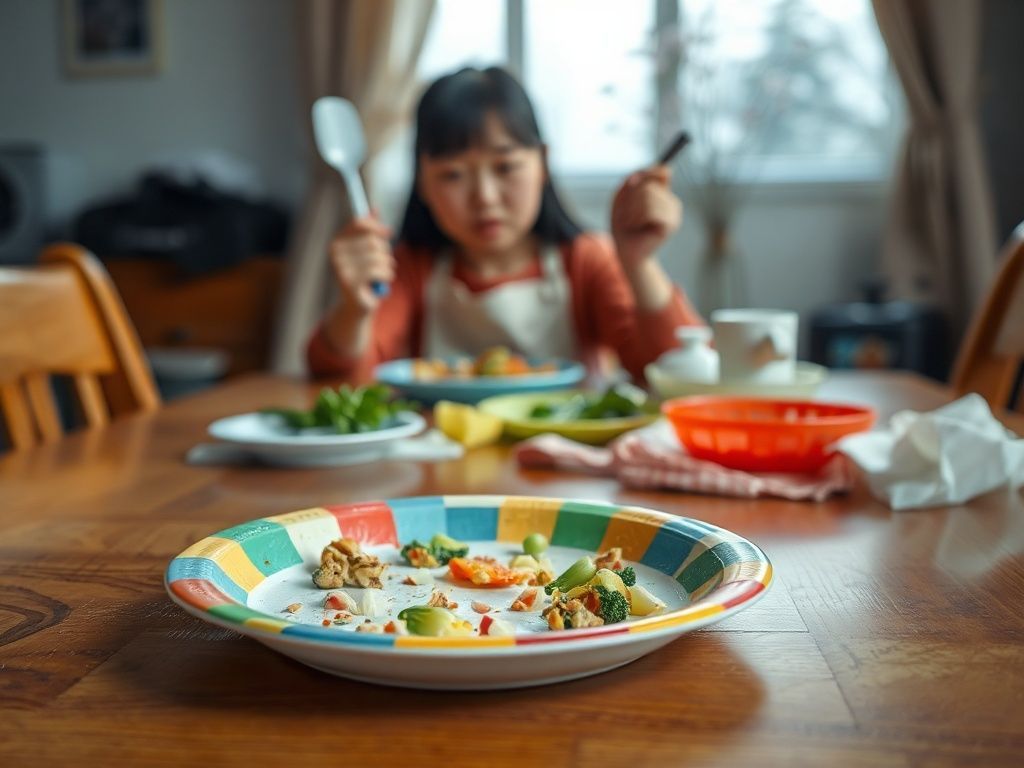
Most people assume that freezer meals are synonymous with soggy vegetables and high-sodium preservatives found in the frozen aisle, but in practice, a homemade frozen meal is often more nutritious than a last-minute takeout order. When we rely on the freezer as a tool rather than a graveyard for leftovers, it becomes a literal lifesaver for the domestic kitchen. This is especially true for parents who are constantly navigating the narrow path between providing a balanced meal and satisfying a child who refuses to eat anything with a visible vegetable. In my experience, the secret to a successful healthy diet in a busy household is not cooking every night, but rather cooking strategically once or twice a week.
According to the USDA, between 30 and 40 percent of the food supply in the United States is wasted every year. For a family of four, this often translates to hundreds of dollars of fresh produce rotting in the crisper drawer because life got too busy to cook. By shifting toward a freezer-first mentality, you can capture the nutrients of fresh ingredients at their peak and ensure that a healthy option is always 10 minutes away from the table. This guide provides general information on meal preparation and storage; always consult a nutrition professional for specific dietary needs or a food safety expert for specialized storage concerns.
Why is freezer meal prep essential for a healthy family diet?
The primary barrier to healthy eating is almost always time. When the clock hits 6:00 PM and everyone is hungry, the easiest choice is often the least healthy one. However, having a stock of pre-portioned, nutrient-dense meals eliminates the decision fatigue that leads to poor dietary choices. Data from a 2017 study by the University of California, Davis, suggested that frozen fruits and vegetables can be just as nutritious—and in some cases, more so—than their fresh counterparts that have been sitting in transit or on store shelves for days.
For those of us feeding children, the freezer also allows for a 'hidden' nutritional strategy. I have found that I can grate 2 whole zucchinis and 3 large carrots into a batch of turkey meatballs, flash-freeze them, and my kids will never know they are consuming a full serving of vegetables with their pasta. This method reduces the daily stress of the dinner table standoff. It also allows you to buy in bulk, which is a significant financial advantage. Purchasing 5 pounds of organic ground beef or a large flat of chicken breasts is much more cost-effective than buying small packages throughout the week.
How do you balance adult seasoning preferences with picky children?
One of the greatest struggles I face is the seasoning gap. I want a spicy, aromatic Thai curry, while my kids want something that tastes like a plain cracker. The solution lies in the base recipe. When preparing freezer meals, I have learned to keep the base flavor profile neutral and use 'booster' sauces for the adults.
For example, when I make a large batch of slow-cooked shredded chicken, I season it only with salt, pepper, and a hint of garlic. I freeze this chicken in 2-cup portions. On the night we eat it, the kids get their chicken plain or with a mild cheese sauce. For the adults, I take that same thawed chicken and toss it in a spicy buffalo sauce or a lime-cilantro dressing. This prevents me from having to cook two entirely different meals while still ensuring that everyone is satisfied with the flavor profile.
The Component Method
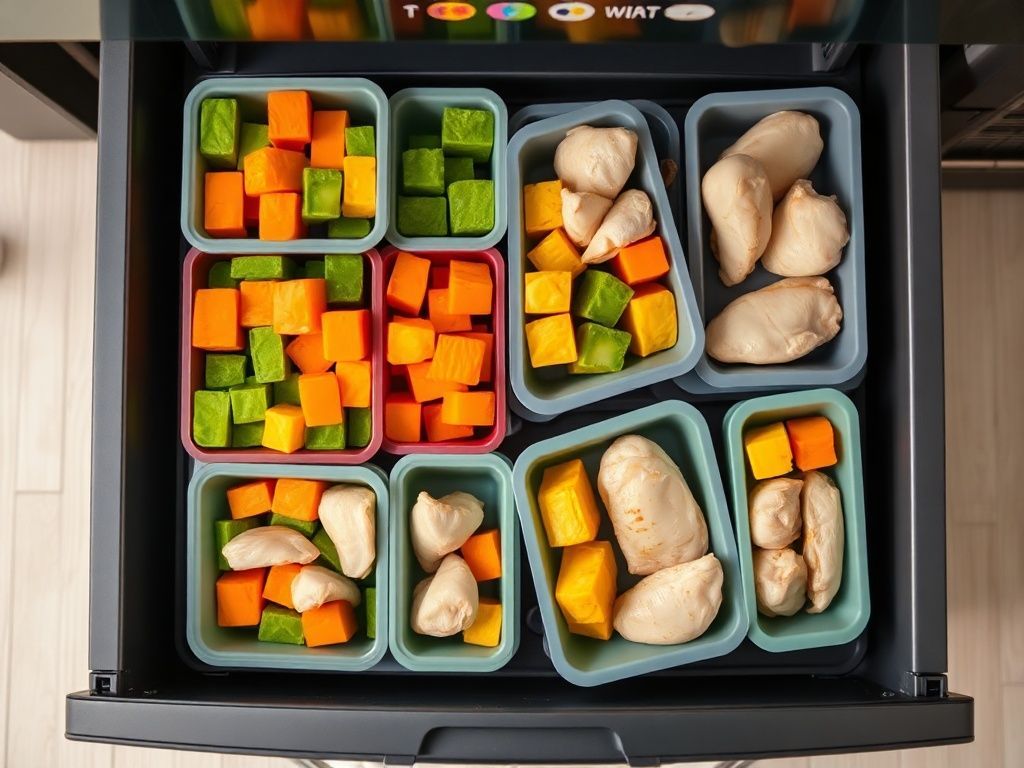
Instead of freezing entire finished dishes, consider freezing components. This gives you the flexibility to change the meal's direction at the last minute. Specifically, freezing 1-cup portions of cooked quinoa, brown rice, or roasted sweet potatoes allows you to build a 'power bowl' in under 5 minutes. You can find more [healthy meal planning tips] to help organize these components effectively.
Morning Prep: Nutritious Breakfast Items for the Freezer
Breakfast is often the most chaotic time of the day. Instead of reaching for sugary cereals, you can prep high-protein, high-fiber options that survive the freezer perfectly.
Baked Oatmeal Cups
These are essentially portable bowls of oatmeal. Unlike muffins, they are dense and filling. I use a base of 3 cups of rolled oats, 2 mashed bananas, and 2 eggs. From there, you can customize. Specifically, I make half the batch with blueberries for the kids and the other half with walnuts and hemp seeds for myself.
Mix the dry and wet ingredients in a large bowl.
Pour into a greased muffin tin.
Bake at 350 degrees Fahrenheit for 20 to 25 minutes.
Let them cool completely before placing them on a baking sheet to flash-freeze.
Once frozen solid, transfer to a freezer bag.
Breakfast Burritos
Homemade burritos are a far cry from the greasy versions found in convenience stores. I use whole-wheat tortillas and fill them with scrambled eggs, black beans, and sautéed spinach.
Warning: Do not add watery ingredients like fresh tomatoes or raw onions inside the burrito before freezing. These will release moisture upon reheating and turn the tortilla into a soggy mess. Instead, add fresh salsa after the burrito has been reheated.
Midday Solutions: Healthy Lunch Portions
For those working from home or packing a lunch, the freezer can prevent the mid-afternoon energy crash that comes from heavy, processed foods. Soup is the king of the freezer lunch. Most soups, especially those with a broth or tomato base, actually improve in flavor after being frozen and reheated.
Red Lentil and Vegetable Soup
Lentils are an incredible source of plant-based protein and fiber. I typically make a 6-quart pot of soup on Sunday.
- Use 1 pound of red lentils.
- Add 4 stalks of celery, 4 carrots, and 1 large onion.
- Use low-sodium vegetable broth to keep the salt content in check. In practice, I freeze these in individual 16-ounce glass jars. Always leave at least 1 inch of space at the top of the jar; liquid expands as it freezes, and if the jar is too full, the glass will shatter. I have made this mistake twice, and cleaning frozen lentil soup out of a freezer is a task I wouldn't wish on anyone.
Evening Feasts: Main Courses That Freeze Perfectly
Dinner is where freezer prep truly shines. There are two main ways to approach this: 'Dump Meals' or 'Cook-Ahead Meals.' Dump meals are raw ingredients placed in a bag to be cooked in a slow cooker or pressure cooker later. Cook-ahead meals are fully prepared and only need reheating.
Veggie-Packed Turkey Meatballs
This is my go-to recipe for the kids. I use 2 pounds of ground turkey, which usually yields about 40 small meatballs.
Grate 2 zucchinis and squeeze the excess moisture out using a clean kitchen towel. This step is vital; if you leave the moisture in, the meatballs will fall apart.
Mix with turkey, 1 cup of breadcrumbs, 2 eggs, and mild Italian seasoning.
Bake at 400 degrees Fahrenheit for 15 to 18 minutes.
Flash-freeze on a tray for 2 hours before bagging.
Marinated Chicken Thighs
Chicken thighs are much more freezer-resilient than breasts, which can become dry. I prepare three different freezer bags, each with 1 pound of boneless, skinless chicken thighs.
- Bag 1: Lemon, garlic, and olive oil.
- Bag 2: Soy sauce (low sodium), ginger, and honey.
- Bag 3: Plain yogurt, lemon juice, and cumin (this tenderizes the meat beautifully). When you take a bag out to thaw in the refrigerator overnight, the chicken marinades as it melts. By 5:00 PM the next day, it is ready to be grilled or baked.
The Technical Side: Storage and Safety Guidelines
To maintain the quality of your healthy meals, you must follow strict storage protocols. The goal is to prevent freezer burn and ensure food safety.
- Temperature: Your freezer should always be at 0 degrees Fahrenheit (-18 degrees Celsius) or lower to keep food safe indefinitely, though quality begins to decline after 3 to 6 months.
- Labeling: Never assume you will remember what is in a container. Use masking tape and a permanent marker to write the date and the name of the dish.
- Cooling: Never put boiling hot food directly into the freezer. This raises the internal temperature of the freezer and can partially thaw the food around it. Let food sit on the counter for 30 minutes, then move it to the refrigerator for 2 hours before finally placing it in the freezer. Warning: Avoid freezing cream-based sauces or high-moisture vegetables like cucumbers or lettuce. Cream sauces tend to separate and become grainy, while high-moisture vegetables lose their cell structure and turn into mush. For better results, check our guide on [kitchen organization for parents] to see how to categorize your freezer space.
Essential Steps for Efficient Prep
If you want to succeed with freezer meals, you need to be organized. Trying to cook five different recipes at once without a plan will result in a messy kitchen and a lot of stress.
Clean the dishwasher and sink before you start.
Group your ingredients by recipe on the counter.
Do all your chopping at once. If three recipes require onions, chop all the onions at the beginning.
Use 'hands-off' cooking methods. Have one meal in the oven, one in the slow cooker, and one simmering on the stove simultaneously.
Double the recipe. If you are making a healthy lasagna for dinner tonight, it takes almost no extra effort to make a second one for the freezer.
Invest in quality containers. Silicon reusable bags are excellent for saving space, as they can be frozen flat and then stacked like books.
Keep an inventory list. Post a piece of paper on the freezer door listing what is inside so you don't forget about those meatballs at the bottom of the drawer.
Check your seals. Ensure that every bag is fully closed and every lid is snapped tight to prevent ice crystals from forming. In my experience, a 3-hour session on a Sunday can provide enough base components and full meals to cover 4 or 5 weeknights. This leaves only the 'fresh' elements—like a side salad or steamed broccoli—to be handled on the day of the meal.
Conclusion
Mastering the art of the freezer is a journey of trial and error, especially when balancing the nutritional needs of adults with the finicky palates of children. By focusing on component freezing, hidden vegetable techniques, and proper storage safety, you can significantly reduce your daily workload while improving your family's health.
To summarize the key points:
- Freeze components like grains and proteins separately to allow for meal-time flexibility and various seasoning options.
- Use the freezer to reduce food waste by capturing the nutrients of fresh produce before it spoils.
- Follow safety protocols such as proper cooling times and airtight sealing to maintain food quality for up to 6 months. Your specific action for today is to look through your refrigerator for any vegetables that are nearing their end. Blanch them for 60 seconds, dry them thoroughly, and freeze them in a single layer on a baking sheet. Once frozen, move them to a labeled bag. You have just taken the first step toward a more efficient, healthy kitchen.
FAQ
Q: How can I tell if a freezer meal has gone bad?
A: While food kept at 0 degrees Fahrenheit is technically safe forever, the quality will eventually degrade. Look for large ice crystals inside the packaging or a shriveled, discolored appearance on the meat, which indicates freezer burn. If the food develops an 'off' smell after thawing, it is best to discard it. In my experience, most meals are best consumed within 3 to 4 months for the best flavor and texture.
Q: What is the best way to thaw healthy freezer meals safely?
A: The safest method is to transfer the meal from the freezer to the refrigerator 24 hours before you plan to eat it. For a faster option, you can submerge a sealed freezer bag in a bowl of cold water, changing the water every 30 minutes. Never thaw meat or dairy-based meals on the kitchen counter at room temperature, as this allows bacteria to grow on the outer layers while the center is still frozen.
Q: Can I freeze glass containers without them breaking?
A: Yes, but you must use tempered glass and follow specific rules. Ensure the food is completely cold before putting it in the freezer to avoid thermal shock. Most importantly, leave a significant amount of 'headspace' (about 1 to 2 inches) because liquids expand when they freeze. I prefer using wide-mouth jars as they are less likely to crack than jars with narrow necks.
Previous
Homemade Macarons: Tips for Busy Parents to Bake with Confidence
Next
Healthy Freezer Meal Prep Strategies for Busy Parents
More in Recipes
Easy 5-Ingredient Pork Suyuk: The Ultimate High-Protein Diet Recipe
Discover a simple 5-ingredient Korean boiled pork (Suyuk) recipe that takes just 50 minutes. Perfect for a high-protein, low-calorie diet that keeps you full.
Tofu Kimchi Recipe: Quick Ways to Use Fridge Leftovers
Learn a simple Tofu Kimchi recipe to clear out your fridge. Discover freezer-friendly meal prep tips, common beginner mistakes, and quick cleanup hacks.
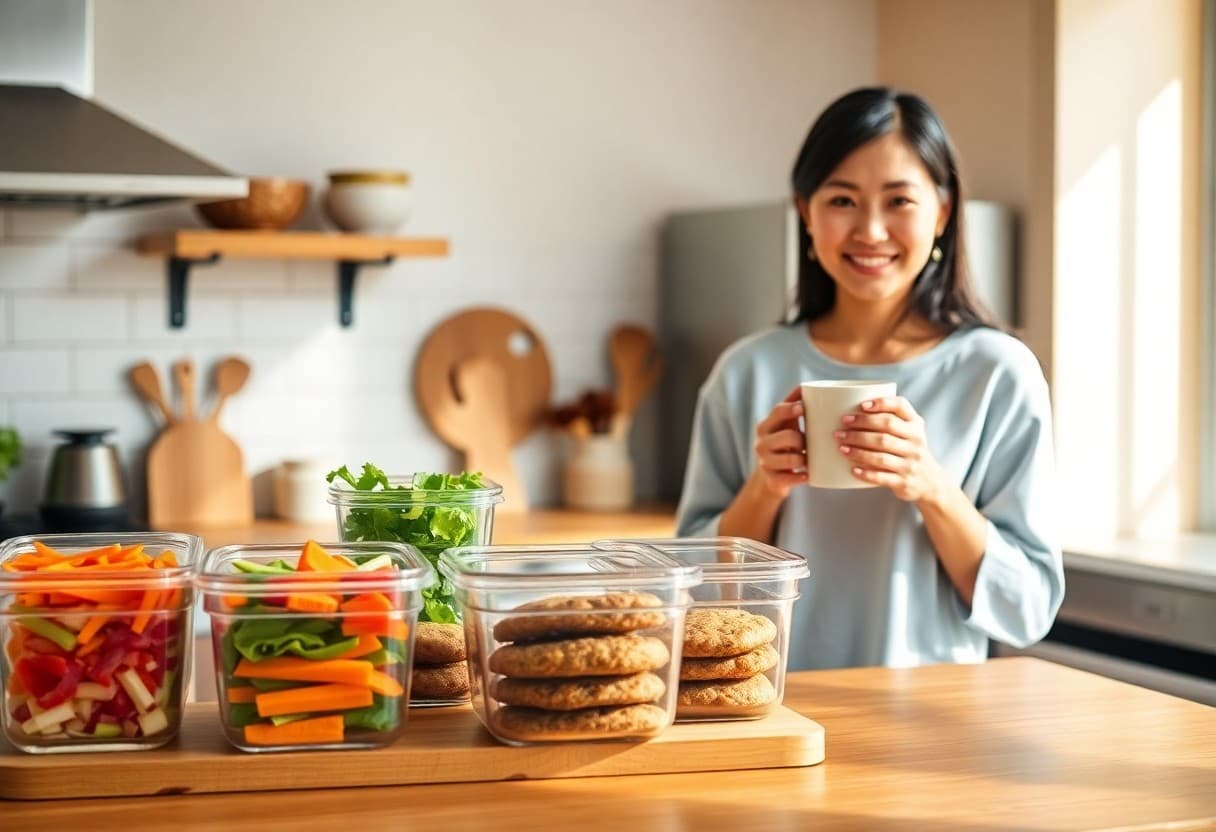
Vegetarian guest hosting recipes you can prep on weekends
Vegetarian guest hosting recipes made easy. Learn how to prep plant-based dishes on weekends, freeze them safely, and master smart ingredient substitutions.
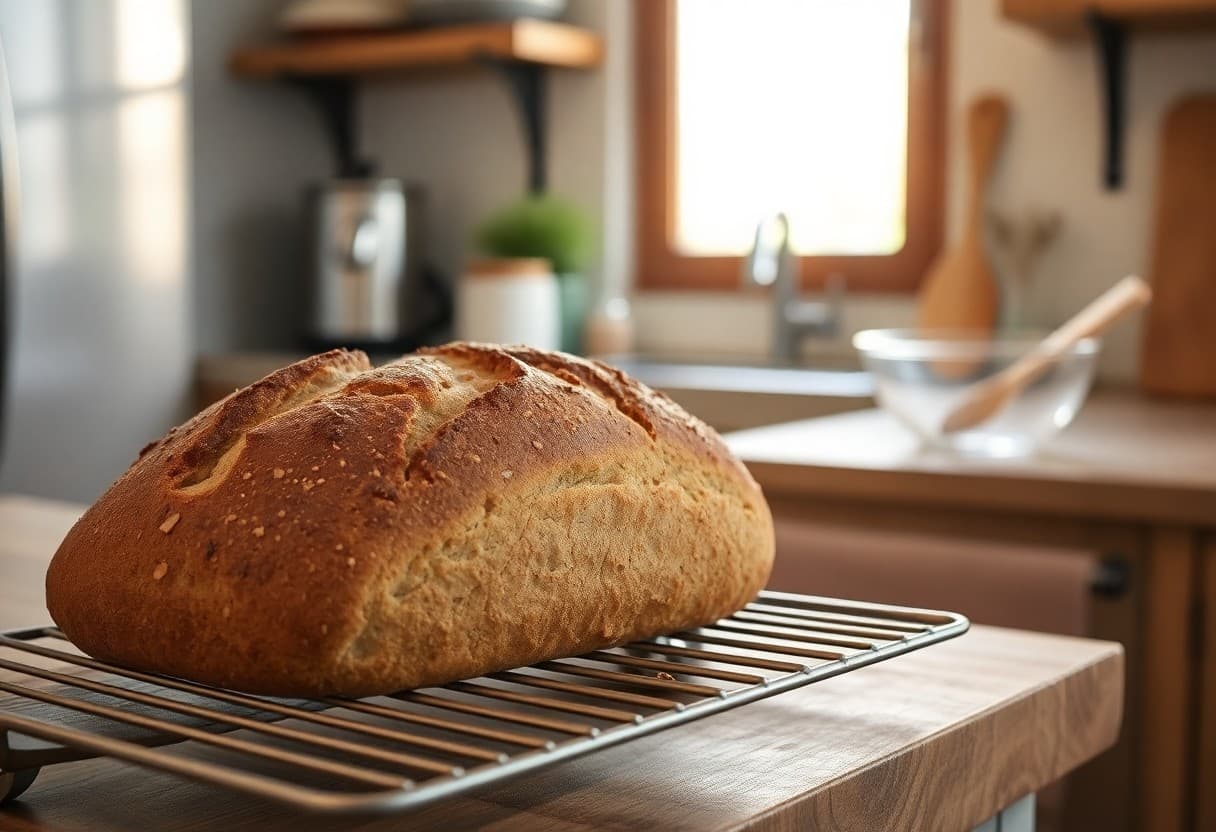
How to Bake Bread in a Small Kitchen with Minimal Cleanup
Learn how to bake homemade bread in a small kitchen with minimal cleanup. This guide covers no-knead methods, diet-friendly tips, and office lunch ideas.