Vegetarian Hot Pot at Home: A Guide to Quick Flavorful Meals
Key Takeaways
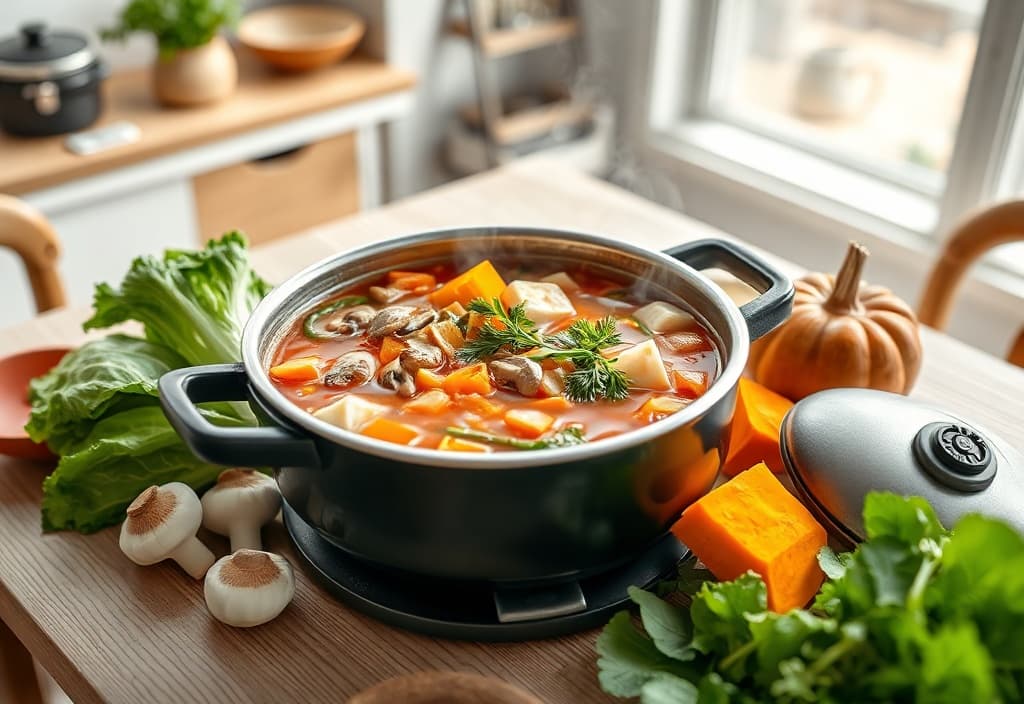
Vegetarian hot pot at home can be fast and delicious with the right prep. Learn how to select broth bases, prep vegetables, and use plant-based proteins effectively.
I sit at my kitchen table, the air thick with the sharp, numbing scent of Sichuan peppercorns and the earthy aroma of simmering mushrooms. A portable burner hums in the center, its blue flame licking the bottom of a divided stainless steel pot where two distinct broths bubble rhythmically. I hold a pair of long wooden chopsticks, hovering over a platter of vibrant green bok choy, sliced lotus root, and delicate enoki mushrooms, waiting for the perfect moment to submerge them into the spicy depths. The steam fogs my glasses slightly, but I do not mind; the ritual of the slow, communal simmer is exactly what I need after a long week of quick microwave meals.
This guide is intended for general informational purposes only. It does not constitute nutritional, medical, or food safety advice. I recommend consulting with a qualified professional regarding specific dietary needs, allergies, or the safe operation of pressurized gas equipment.
What are the essential components of a vegetarian hot pot?
This level of preparation is for the complete newcomer who has never operated a tabletop burner and wants the most straightforward path to a hot, satisfying meal. When I first started making hot pot at home, I felt overwhelmed by the specialized equipment, but I soon realized that the barrier to entry is quite low if you focus on the basics. At its core, a vegetarian hot pot requires three things: a reliable heat source, a flavorful liquid base, and a variety of quick-cooking plants.
In my experience, the easiest way to start is with a portable butane stove and a basic stainless steel pot. While specialized 'yin-yang' pots with dividers are popular, a standard 3-quart pot works perfectly fine for 1–2 people. For the broth, I often rely on store-bought vegetarian soup bases found in the international aisle of most grocery stores. Many of these are labeled as 'Mushroom' or 'Tomato' bases and are naturally vegan. Using a pre-made base reduces my active prep time to under 10 minutes, allowing me to focus on the vegetables.
I recommend starting with these five essential items for a beginner setup:
- A portable butane burner with at least one spare fuel canister
- A pot that fits securely on the burner without tipping
- A set of long chopsticks or tongs for handling raw and cooked food
- A slotted spoon for retrieving small items like corn or mushrooms
- Individual dipping bowls for every person at the table One common mistake I made early on was buying too much variety. For a beginner, I suggest picking just 3–4 vegetables and one protein. For example, napa cabbage, spinach, and oyster mushrooms are excellent choices because they cook in less than 2 minutes. For protein, a block of firm tofu or pre-fried tofu puffs from the store is the simplest option. According to a 2023 consumer report on home cooking trends, many home cooks abandon complex recipes because of excessive ingredient lists, so keeping it simple is the best way to ensure you actually enjoy the process.
How can you prepare a flavorful vegetarian broth quickly?
This section is for home cooks who have some experience with basic hot pot and are ready to move beyond pre-packaged soup mixes by adding fresh aromatics and custom flavors. While store-bought bases are convenient, they often lack the depth of a semi-homemade broth. I have found that by spending just 15 minutes on a few extra steps, the quality of the meal improves significantly without requiring me to spend the entire day in the kitchen.
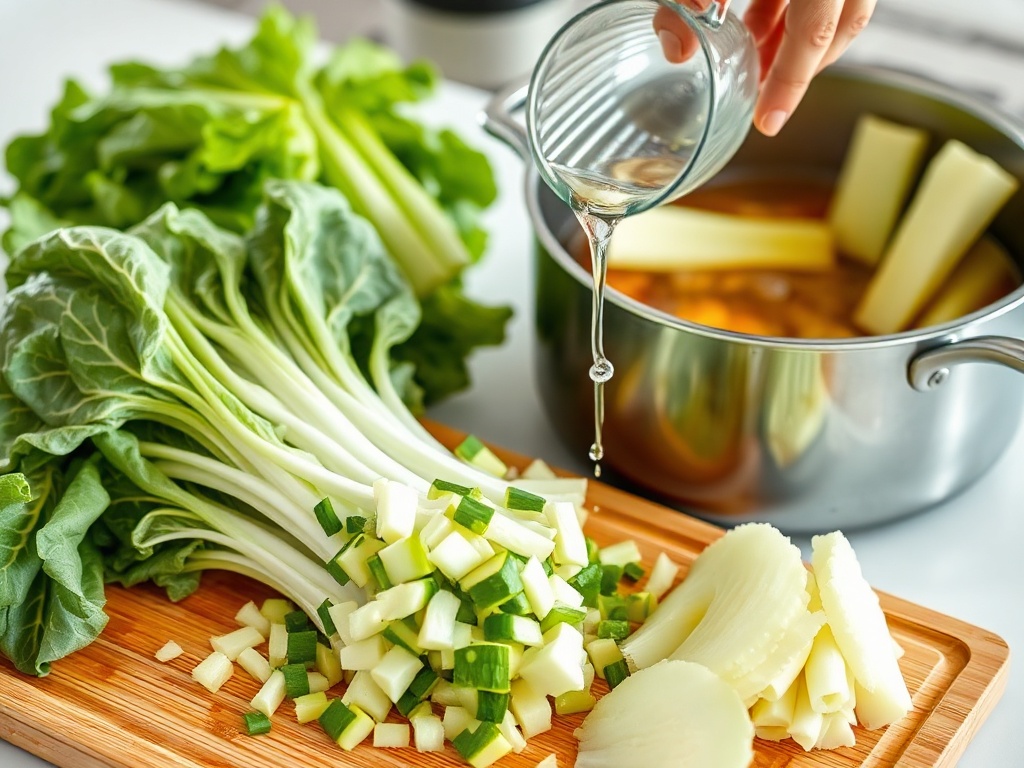
I like to start by sautéing aromatics directly in the pot before adding water. I use about 20g of ginger, 3–4 cloves of smashed garlic, and a handful of scallion whites. If I want a spicy base, I add a tablespoon of fermented bean paste or a few dried red chilies. Once these become fragrant, I pour in the water or a light vegetable stock. This builds a foundation of flavor that tastes much more authentic than a powder-only mix.
Customizing the flavor profile
I generally categorize my broths into two types: savory-clear and rich-tangy. For a savory-clear broth, I use dried kombu (kelp) and dried shiitake mushrooms. I let them soak in the water for 20 minutes before turning on the heat. For a rich-tangy broth, I sauté two chopped tomatoes until they break down into a jam-like consistency before adding the liquid. This creates a natural umami that pairs beautifully with leafy greens.
The importance of dipping sauces
The broth provides the heat, but the dipping sauce provides the punch. In my experience, a great sauce can save a mediocre broth. I follow a simple '3-2-1' ratio for my go-to vegetarian dipping sauce:
3 parts sesame paste or peanut butter (thinned with a little warm water)
2 parts soy sauce or tamari
1 part black vinegar or lime juice I then add 1–2 teaspoons of toasted sesame oil and as much minced garlic as I can handle. Having this sauce ready before the pot starts boiling is crucial because once the food is ready, things move very fast. I have found that preparing the sauce in advance prevents the stress of trying to mix ingredients while my vegetables are overcooking in the pot.
Why is the order of ingredients critical for the best texture?
This level of consideration is for the advanced enthusiast who wants to manage complex textures and ensure that every bite is cooked to perfection. Hot pot is not a 'dump and simmer' stew; it is a sequential cooking process. If I put everything in at once, the delicate greens turn to mush while the hard root vegetables remain raw. I have learned to view the pot as a dynamic environment where timing is everything.
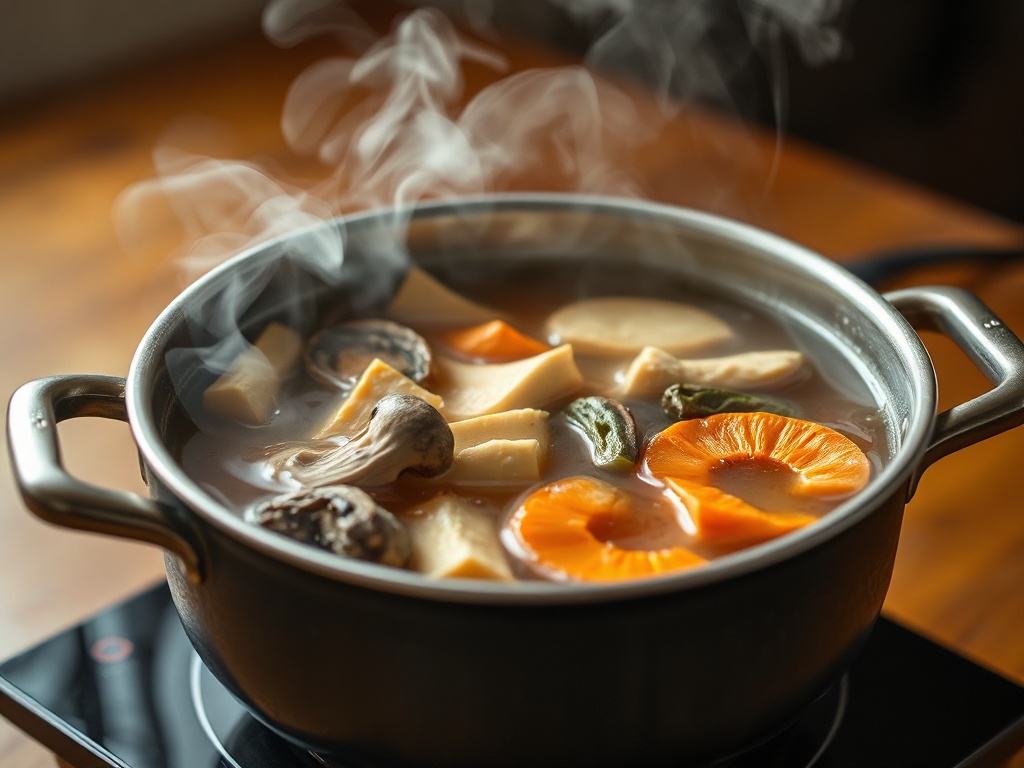
I divide my ingredients into three categories based on cooking time. First are the 'flavor builders' like corn on the cob, daikon radish, and thick mushroom stems. I put these in as soon as the broth reaches a boil because they take 8–10 minutes to soften and they contribute sweetness to the liquid. Second are the 'mid-range' items like lotus root, potato slices, and tofu. These need about 4–5 minutes. I cut my lotus root into 5mm slices to ensure they cook evenly. Finally, there are the 'flash-cookers' like spinach, pea shoots, and thin ribbons of bean curd skin, which only need 30–60 seconds.
Managing plant-based proteins
Working with vegetarian proteins requires a different approach than meat. For example, frozen tofu is a game-changer. I take a block of firm tofu, freeze it overnight, and then thaw it before the meal. The freezing process creates small holes in the tofu, turning it into a sponge that soaks up the broth. Specifically, I have observed that frozen tofu can hold up to 3 times its weight in liquid compared to fresh tofu.
Another advanced tip involves using 'tofu skin' or yuba. These come in dry sticks or fresh sheets. I prefer the dry sticks, but they require a 2-hour soak in warm water before they are ready for the pot. If I forget to soak them, they will remain rubbery and unpleasant, no matter how long they boil. This is a common pitfall that can ruin the texture of the meal.
When might a home hot pot setup fail to meet expectations?
Even with the best ingredients, there are several ways a vegetarian hot pot can go wrong. It is important to recognize these risks before you start. One of the most significant issues is heat management. If the pot is overcrowded, the temperature of the broth drops below 90 degrees Celsius, and the ingredients end up steaming or soaking rather than boiling. This results in a soggy texture. I always aim to keep the pot only 30% full at any given time.
Another critical caveat is the sodium content. A 2022 nutritional analysis of popular commercial hot pot bases showed that a single serving can contain over 1,800mg of sodium, which is nearly the total daily recommended limit for an adult. To mitigate this, I never drink the broth directly if I am using a store-bought base, and I make sure to include plenty of hydrating vegetables like Napa cabbage, which is roughly 95% water.
Criteria for success
I use two main criteria to decide if a home hot pot is the right choice for the night:
- Time vs. Effort: While the actual cooking happens at the table, the prep work (washing and slicing) can take 45–60 minutes. If I do not have at least an hour to dedicate to the ritual of eating, I pause and choose a simpler noodle dish instead.
- Safety and Ventilation: Using a butane stove indoors requires excellent ventilation. If I cannot open a window or run a high-powered range hood, the buildup of carbon monoxide or simply the intense steam can become a safety hazard or damage my wallpaper. In some cases, this method is not a fit. For instance, if you are cooking for a large group of 6 or more people, a single small burner will not be able to keep up with the demand, leading to long wait times and cold food. In that scenario, I would recommend using two separate burners or a large electric multi-cooker.
Summary of key considerations
To ensure your vegetarian hot pot experience is successful, keep these three points in mind:
- Balance your broth: Use aromatics like ginger and garlic to elevate store-bought bases, and always keep extra hot water nearby to manage salt levels.
- Respect the timer: Add root vegetables first and leafy greens last to avoid a pot full of mushy ingredients.
- Texture is king: Use techniques like freezing tofu or pre-soaking bean curd sticks to add variety and interest to your plant-based proteins. Your next step is to verify your equipment. Check your butane stove for any leaks or rust and ensure you have a full canister of fuel. If everything looks safe, proceed to the grocery store and pick up three essential vegetables and one protein to start your first session today. If you are unsure about the safety of your stove, pause and consult the manufacturer manual or opt for an electric skillet instead. Cooking at home should be as safe as it is delicious. [Internal Link: Essential Kitchen Safety for Tabletop Cooking] [Internal Link: High-Protein Vegetarian Ingredients for Soups]
Previous
10-Minute Lunch Box Ideas for Solo Dwellers
Next
Vegetarian Hot Pot at Home: A Guide to Quick Flavorful Meals
More in Recipes
Easy 5-Ingredient Pork Suyuk: The Ultimate High-Protein Diet Recipe
Discover a simple 5-ingredient Korean boiled pork (Suyuk) recipe that takes just 50 minutes. Perfect for a high-protein, low-calorie diet that keeps you full.
Tofu Kimchi Recipe: Quick Ways to Use Fridge Leftovers
Learn a simple Tofu Kimchi recipe to clear out your fridge. Discover freezer-friendly meal prep tips, common beginner mistakes, and quick cleanup hacks.
Vegetarian guest hosting recipes you can prep on weekends
Vegetarian guest hosting recipes made easy. Learn how to prep plant-based dishes on weekends, freeze them safely, and master smart ingredient substitutions.
How to Bake Bread in a Small Kitchen with Minimal Cleanup
Learn how to bake homemade bread in a small kitchen with minimal cleanup. This guide covers no-knead methods, diet-friendly tips, and office lunch ideas.