Seasonal Vegetable Cooking Tips for Flavor and Health
Key Takeaways
Discover essential seasonal vegetable cooking tips for delicious, nutritious meals. Learn how to choose, prepare, and store produce for maximum flavor and health benefits.
Honestly, I used to think 'seasonal eating' was just a fancy phrase chefs used, a kind of culinary snobbery that didn't really apply to my everyday cooking. I spent years buying the same few vegetables regardless of the month, often disappointed by bland tomatoes in winter or tough asparagus in autumn. And, if I'm being frank, a good number of my early attempts at reducing meat in my diet and focusing on vegetables ended in disappointment because the main ingredients just didn't taste very good. I was wrong.
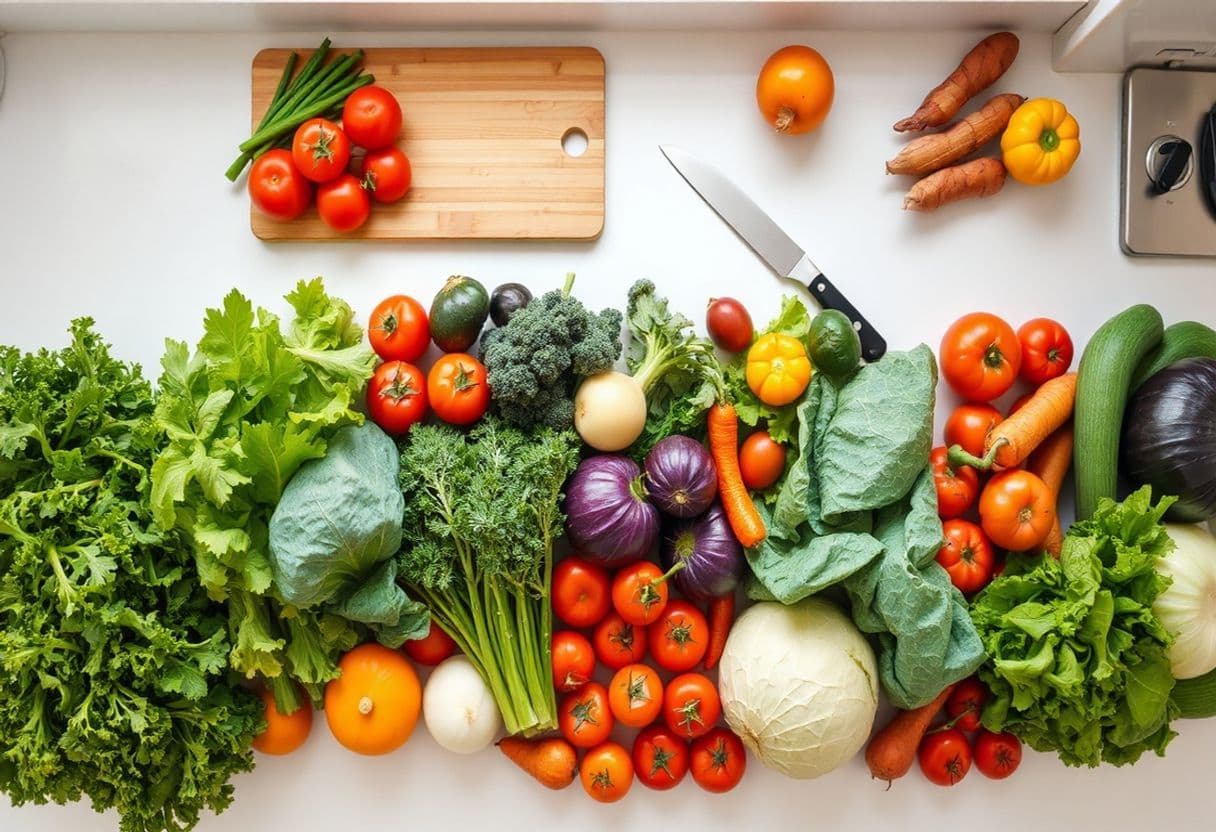
Embracing seasonal vegetables has been one of the most transformative shifts in my cooking journey. It's not about being exclusive or difficult; it's about unlocking incredible flavor, boosting nutrition, and often saving money. For anyone looking to make their meals more vibrant and healthy, especially those who appreciate the wisdom of eating what nature provides, focusing on seasonal produce is the most direct path to genuinely delicious vegetable-forward cooking.
Why Embrace Seasonal Vegetable Cooking?
Changing long-held shopping and cooking habits can feel daunting, but the reasons to embrace seasonal vegetables are compelling. My personal experience, two years into actively reducing meat consumption, has shown me a clear difference. When I first started experimenting with more plant-based recipes, many felt lackluster, and I often blamed the recipe itself. However, I soon realized that the quality of my core ingredients—the vegetables—was often the issue. A recipe calling for fresh tomatoes in February, for example, simply wouldn't deliver the same vibrant taste as one made with ripe, juicy tomatoes in August.
Choosing seasonal produce means you're buying vegetables that are harvested at their peak ripeness. This isn't just a minor detail; it's the foundation of flavor. Vegetables picked when they're naturally ready have had the most time to develop their full spectrum of sugars, aromas, and textures. This translates directly into a more satisfying eating experience. Think about the difference between a sweet, crisp snap pea in spring versus one that's traveled across continents and been stored for weeks. The latter often lacks the vibrancy and characteristic 'snap' that makes the vegetable so appealing.
Furthermore, seasonal eating connects us to the rhythms of nature and local agriculture. It encourages a varied diet, preventing mealtime monotony and introducing us to vegetables we might otherwise overlook. This approach isn't just about what's on your plate; it's about a more mindful and connected way of approaching food.
What Are the Benefits of Cooking with Seasonal Vegetables?
The advantages of incorporating seasonal vegetables into your daily meals extend far beyond just taste. For many, these benefits touch upon health, economy, and even a renewed joy in the kitchen. Over the past two years, I've observed these shifts firsthand, both in my grocery bill and on my dinner table.
Enhanced Flavor and Texture
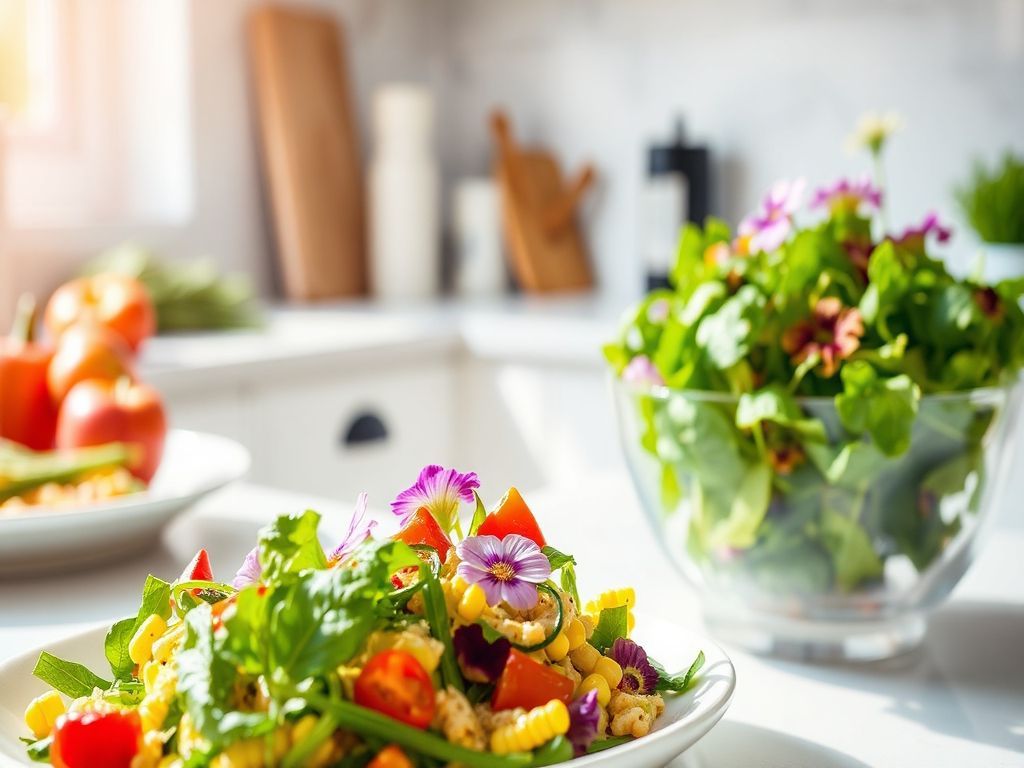
This is perhaps the most immediate and noticeable benefit. Vegetables harvested at their peak are simply more delicious. They haven't been forced to ripen in transit or stored for extended periods, which can degrade their natural sugars and crispness. For instance, a summer sweet corn cob, fresh from the field, bursts with a sweetness that no out-of-season equivalent can match. This inherent quality means you often need fewer elaborate seasonings, letting the vegetable's natural taste shine through.
Increased Nutritional Value
There's a strong argument to be made for the nutritional superiority of seasonal produce. While research varies, some studies suggest that produce picked at its peak ripeness can have up to 20-30% higher nutrient content compared to out-of-season alternatives that are harvested early and ripened artificially. Freshly picked vegetables often retain more vitamins, minerals, and antioxidants, as these compounds can degrade over time during storage and transportation. For example, local, seasonal spinach will likely contain more folate and Vitamin K than spinach that has traveled a long distance.
Cost Savings
When a vegetable is in season, it's typically more abundant and requires less energy and expense for transportation and storage. This often translates to lower prices at the market. I've found that my grocery bill for vegetables can decrease by 15-25% when I intentionally focus on seasonal items. For instance, buying a bushel of apples in autumn is almost always more economical than purchasing them in late spring. This allows for greater value for your money, making healthy eating more accessible.
Supporting Local Agriculture
Shopping for seasonal produce, especially at farmer's markets, often means you're supporting local farmers and their communities. This strengthens the local economy and reduces the carbon footprint associated with long-distance food transportation. It also provides a wonderful opportunity to connect directly with the people who grow your food, learning about their practices and passion.
Greater Variety in Your Diet
Following the seasons naturally encourages you to eat a wider array of vegetables throughout the year. Instead of relying on the same few staples, you'll find yourself experimenting with new ingredients as they become available. This cyclical approach to eating can introduce exciting new flavors and textures to your meals, preventing culinary boredom and ensuring a broader intake of different nutrients. In my own cooking, I've discovered a love for vegetables like kohlrabi and rutabaga simply by being open to what was abundant at the market.
Practical Ways to Incorporate Seasonal Vegetables into Your Meals
Making the switch to seasonal eating doesn't have to be complicated. It's about small, consistent changes that build into a rewarding habit. Here are some actionable strategies I've found effective:
1. Know Your Seasons
Familiarize yourself with what's available in your region throughout the year. A quick online search for 'seasonal vegetables [your region/country]' can provide a useful guide. Keep a simple list on your fridge or phone. For example:
- Spring (March–May): Asparagus, peas, radishes, spinach, leafy greens, strawberries.
- Summer (June–August): Tomatoes, corn, bell peppers, zucchini, eggplant, berries, peaches.
- Autumn (September–November): Squash (butternut, acorn), pumpkins, apples, pears, root vegetables (carrots, potatoes), Brussels sprouts.
- Winter (December–February): Hearty greens (kale, collards), citrus fruits, root vegetables, cabbage, leeks.
2. Shop Smartly
Prioritize farmer's markets or local produce sections in grocery stores. These are often the best places to find truly seasonal items. When you see a vegetable looking vibrant and abundant, chances are it's in season and at its best price. I try to visit a local market at least once every 10–14 days to see what's new and inspiring.
3. Plan Flexibly
Instead of planning a meal around a specific out-of-season vegetable, plan around what's available. If you intended to make a tomato-based pasta but tomatoes aren't in season, consider a roasted root vegetable pasta or a creamy mushroom sauce instead. This adaptability is key to seasonal cooking.
4. Simple Cooking Methods
When vegetables are at their peak, they don't need much fuss. Simple cooking methods allow their natural flavors to shine. My go-to methods include:
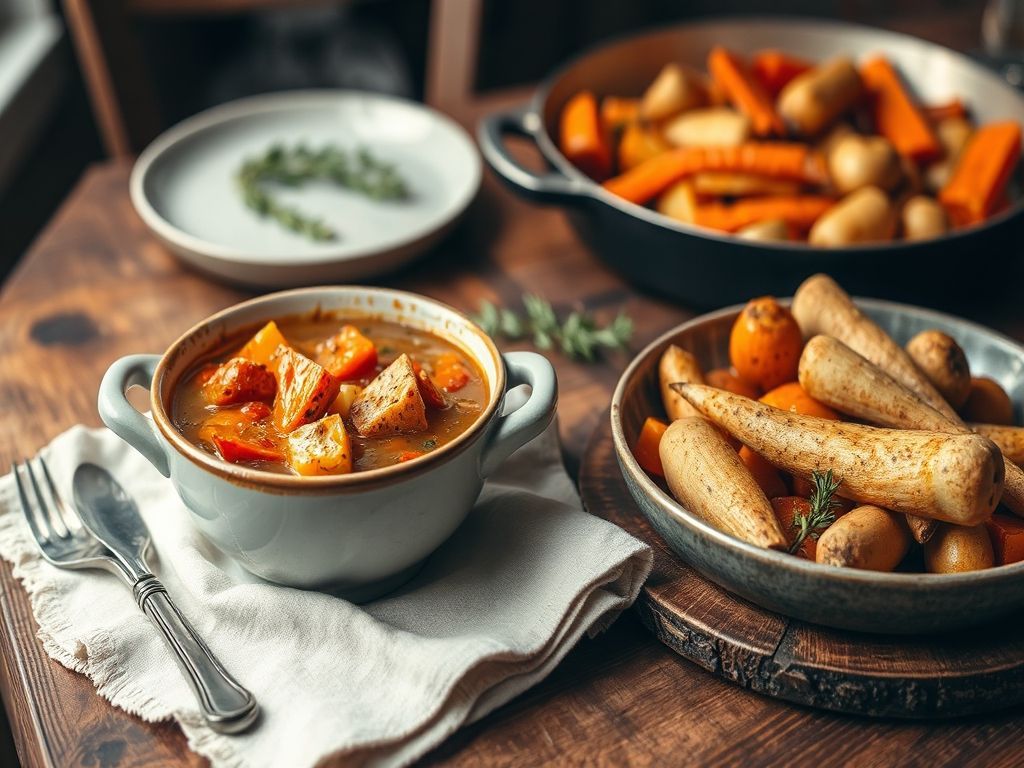
- Roasting: Toss vegetables like carrots, potatoes, broccoli, or squash with a little olive oil, salt, and pepper, then roast at 200°C (400°F) for 20–30 minutes until tender and slightly caramelized.
- Steaming: Ideal for delicate greens, asparagus, or green beans, preserving their crispness and nutrients. A quick steam for 3–5 minutes is usually sufficient.
- Stir-frying: A fast way to cook a medley of seasonal vegetables with minimal oil and a light sauce. Aim for high heat and short cooking times, typically 5–7 minutes.
- Soups and Stews: Perfect for hearty root vegetables in winter or lighter broths with spring greens.
5. Embrace Preservation
Don't let a seasonal bounty go to waste. Freezing, canning, or dehydrating excess produce allows you to enjoy seasonal flavors year-round. For example, I often freeze blanched green beans or corn kernels from summer to add to winter stews.
Common Mistakes to Avoid When Cooking with Seasonal Produce
Even with the best intentions, there are a few pitfalls that can diminish the experience of cooking with seasonal vegetables. Drawing from my own trials and errors, here are some things to watch out for:
1. Overcooking is the Enemy of Freshness
Warning: When vegetables are fresh and vibrant, overcooking them is a common mistake that strips away their natural flavor, nutrients, and appealing texture. A perfectly ripe green bean, for instance, should have a slight 'snap' to it, not be mushy. Pay attention to cooking times; often, less is more. Aim for 'al dente' – tender but still firm.
2. Forgetting to Wash Thoroughly
Especially when buying from farmer's markets, local produce can sometimes have more soil or residue.
Warning: Always wash your vegetables thoroughly under running water, and consider a vegetable brush for root vegetables. This ensures cleanliness and removes any lingering grit that could detract from your meal.
3. Buying Too Much and Wasting
The excitement of a fresh harvest can lead to overbuying.
Warning: While seasonal produce is often affordable, purchasing more than you can realistically consume or preserve within a few days or weeks leads to unnecessary waste. Plan your meals 2–3 days in advance and buy only what you need, or have a clear plan for preserving any excess. Delicate greens, for example, might only last 3–5 days, while root vegetables can last for 2–3 weeks if stored correctly.
4. Sticking to Familiar Recipes Too Strictly
While a favorite recipe provides comfort, being too rigid with it can prevent you from truly embracing seasonal variety. If a recipe calls for a specific out-of-season vegetable, be open to substituting it with something similar that *is
- currently abundant. For example, if a recipe suggests asparagus in the fall, consider using green beans or broccoli instead.
5. Improper Storage
Different vegetables require different storage conditions.
Warning: Throwing everything into the crisper drawer can shorten shelf life. Leafy greens often do best wrapped in a damp cloth or paper towel in the fridge, while root vegetables prefer a cool, dark, and dry place. Tomatoes, for instance, lose flavor in the refrigerator and are best kept at room temperature.
Making Seasonal Eating a Sustainable Habit
Integrating seasonal vegetables into your routine doesn't happen overnight, but with a few adjustments, it becomes second nature. It's about building consistent, mindful practices rather than drastic changes.
One helpful approach is to dedicate 15–20 minutes on a Sunday afternoon to vegetable prep. This could involve washing and chopping sturdy vegetables like carrots, celery, or bell peppers for snacks or quick additions to weeknight meals. Having prepped ingredients ready makes it much easier to reach for fresh produce throughout the week, especially when time is short.
Another strategy is to keep a 'seasonal inspiration' board, whether it's a physical whiteboard in your kitchen or a digital note. As you discover new seasonal vegetables or recipes, jot them down. This serves as a rotating menu of ideas, ensuring you're always excited about what's coming next. I've found this particularly useful for those 'disappointing' plant-based recipes; often, swapping in a peak-season ingredient transforms them entirely.
Consider starting a small herb garden, even if it's just a few pots on a windowsill. Fresh herbs like parsley, basil, and chives can elevate the flavor of any vegetable dish and are often harvested seasonally, adding another layer of freshness and connection to your cooking.
Finally, don't be afraid to experiment. While some of my initial plant-based cooking experiments were genuinely disappointing, the successes far outweigh them. Each new seasonal vegetable is an opportunity to learn and grow your culinary repertoire. Remember that the goal is progress, not perfection. Aim for at least 5 portions of fruits and vegetables daily, and let seasonal variety guide your choices.
Conclusion: Savoring the Seasons
Embracing seasonal vegetable cooking is more than just a trend; it's a return to a more flavorful, nutritious, and mindful way of eating. My journey into reducing meat has been deeply enriched by this shift, moving from sometimes bland and disappointing dishes to vibrant, satisfying meals. It's about recognizing that the best ingredients are those that are naturally abundant and at their peak.
Here are the three key takeaways:
Prioritize peak ripeness: Seasonal vegetables offer superior flavor, texture, and nutritional value compared to out-of-season alternatives.
Simplify your approach: Focus on basic cooking methods that allow the natural qualities of fresh produce to shine, like roasting, steaming, or stir-frying.
Be adaptable and mindful: Plan meals around what's available, avoid overbuying, and store your produce correctly to maximize freshness and minimize waste. My specific action for you today is this: The next time you visit your grocery store or farmer's market, make a conscious effort to buy just one vegetable that is clearly in season and looks exceptionally fresh. Take it home and prepare it simply—perhaps roasted with a pinch of salt and pepper. Taste the difference, and let that experience be the beginning of your own seasonal cooking adventure.
Previous
Low-Calorie Cooking for Busy Professionals: Bulk Prep & Storage
Next
Seasonal Vegetable Cooking Tips for Flavor and Health
More in Recipes
Easy 5-Ingredient Pork Suyuk: The Ultimate High-Protein Diet Recipe
Discover a simple 5-ingredient Korean boiled pork (Suyuk) recipe that takes just 50 minutes. Perfect for a high-protein, low-calorie diet that keeps you full.
Tofu Kimchi Recipe: Quick Ways to Use Fridge Leftovers
Learn a simple Tofu Kimchi recipe to clear out your fridge. Discover freezer-friendly meal prep tips, common beginner mistakes, and quick cleanup hacks.
Vegetarian guest hosting recipes you can prep on weekends
Vegetarian guest hosting recipes made easy. Learn how to prep plant-based dishes on weekends, freeze them safely, and master smart ingredient substitutions.

How to Bake Bread in a Small Kitchen with Minimal Cleanup
Learn how to bake homemade bread in a small kitchen with minimal cleanup. This guide covers no-knead methods, diet-friendly tips, and office lunch ideas.