Diet Yakgwa Guide: How to Make Healthy Korean Honey Cookies

Key Takeaways
Learn how to make diet-friendly Yakgwa at home using air-frying and sugar-free alternatives. This guide covers recipe adjustments, common failures, and tips.
Diet Yakgwa Guide: How to Make Healthy Korean Honey Cookies
Most people assume that Yakgwa is a strictly forbidden food when trying to lose weight because it is traditionally deep-fried and soaked in heavy grain syrup, but in practice, you can significantly reduce the caloric density by changing the cooking method and the sweetener profile. While the commercial versions found in supermarkets are often loaded with corn syrup and refined flour, making them at home allows you to control the quality of fats and the glycemic index of the sugars used. In my experience, the shift from deep-frying to air-frying is the single most effective way to make this traditional treat fit into a balanced lifestyle without sacrificing the nostalgic flavor.
This article provides general information regarding cooking and dietary modifications. It is not intended as medical or nutritional advice. Please consult with a registered dietitian or healthcare professional before making significant changes to your diet, especially if you have underlying health conditions like diabetes.
Why is traditional Yakgwa so difficult for dieters?
Traditional Yakgwa is essentially a sponge for oil and sugar. The process involves making a dough with flour, sesame oil, honey, and ginger juice, which is then fried twice at different temperatures. This double-frying ensures the inside is cooked through while the outside remains crisp, but it also means the cookie can reach an oil content of nearly 30 percent by weight. For someone tracking macros, a single traditional cookie can easily exceed 150 calories, most of which come from saturated fats and refined carbohydrates.
Beyond the calories, the sugar profile is a major hurdle. The syrup used for soaking, known as 'jocheong', is a dense malt syrup that spikes blood sugar rapidly. When I first started trying to recreate this at home, I followed a popular video recipe exactly. I was shocked to see that for every 500 grams of flour, the recipe called for almost 400ml of syrup and 200ml of oil. It was then that I realized that if I wanted to eat Yakgwa while staying in shape, I had to treat the recipe like a chemistry experiment rather than a traditional craft.
How can you modify the frying process for fewer calories?
The most realistic solution for a dieter is to move away from the deep fryer entirely. Air frying has become the standard for healthy Yakgwa, but it is not as simple as just putting the dough in the basket. Because air fryers use convection heat, they tend to dry out the surface of the dough before the interior can expand. This leads to a rock-hard cookie that feels like a brick.
To solve this, I found that you must increase the moisture content of the dough slightly using refined rice wine (cheongju). The alcohol evaporates quickly in the air fryer, creating tiny steam pockets that mimic the expansion usually caused by hot oil. Specifically, I use 15ml of rice wine for every 100g of flour. Another trick is to lightly brush the surface of the dough with a tiny amount of oil—roughly 5ml for a whole batch—to help the exterior brown without absorbing the hundreds of grams of fat required for deep frying.
Comparing Traditional vs. Air-Fried Ratios
- Traditional: 100g oil for frying, 200 calories per cookie.
- Air-Fried: 5-10g oil for the dough, 90-110 calories per cookie.
- Traditional: 100% refined white flour.
- Diet-Version: 70% whole wheat or barley flour, 30% almond flour.
What are the best sugar substitutes for the honey glaze?
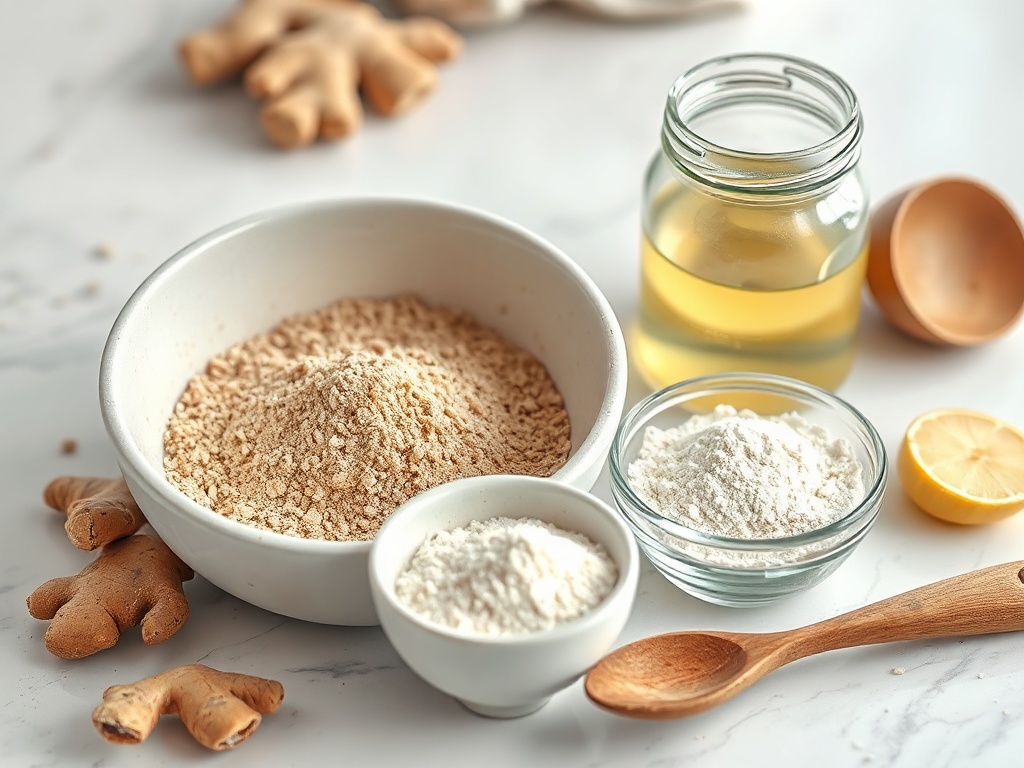
The glaze, or 'jip-cheong', is where most of the flavor lives, but it is also the primary source of sugar. Traditionally, this is a mixture of honey, ginger, and malt syrup. For a diet version, allulose is the most effective substitute I have found. Unlike stevia, which can have a bitter aftertaste when heated, allulose has a clean sweetness and a similar viscosity to honey. In my experience, using a 1:1 ratio of allulose to water, simmered with 10g of sliced ginger, creates a syrup that coats the cookie perfectly without the 300-calorie-per-serving price tag.
However, one thing many people miss is that allulose does not caramelize or 'set' exactly like honey. If you soak the cookies for too long in a pure allulose syrup, they can become soggy. I recommend a maximum soak time of 30 minutes, followed by a cooling period on a wire rack for at least 4 hours. This allows the surface to become tacky rather than wet.
The critical mistakes that lead to a greasy mess
Even when you are trying to be healthy, there are technical failures that can ruin the batch. One of the biggest mistakes I made early on was over-kneading the dough. If you develop too much gluten, the Yakgwa will be tough and bread-like. You want a crumbly texture that just barely holds together. In practice, you should 'fold' the dough rather than knead it, aiming for 3 to 5 layers to create that flaky, laminated look.
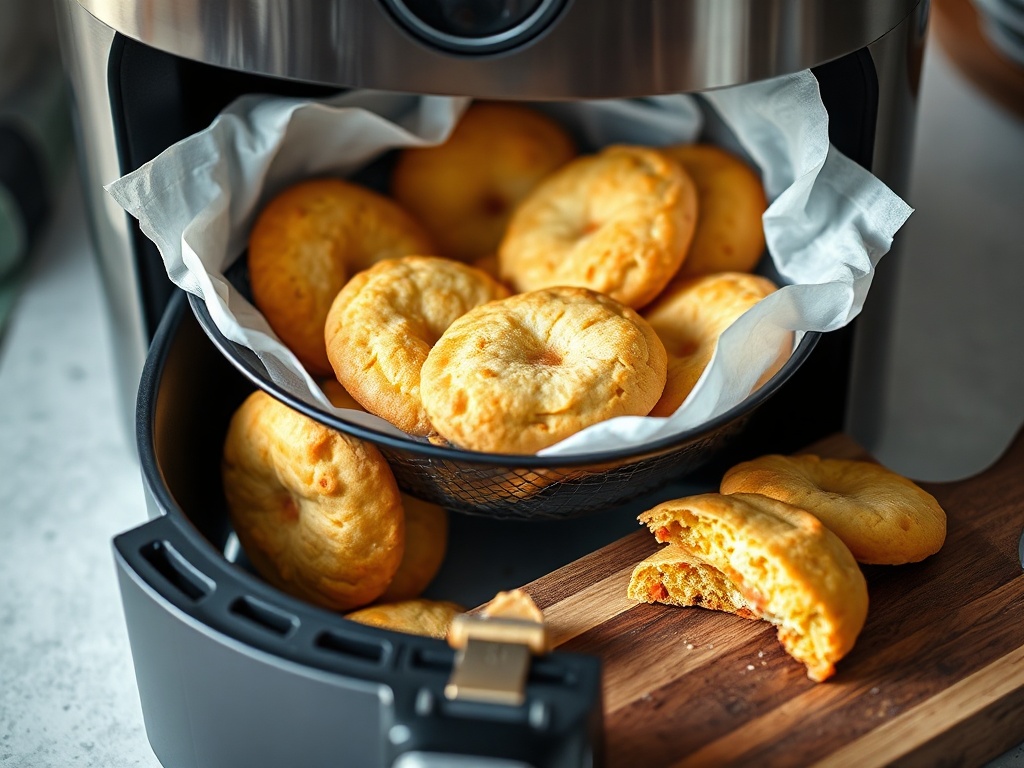
Another failure point is the temperature of the air fryer. If you set it to 180 degrees Celsius, the outside will burn while the inside remains raw dough. I found that a lower, slower approach works best. Start at 160 degrees for 10 minutes, flip the cookies, and then finish at 165 degrees for another 5 to 7 minutes. This ensures even cooking and a consistent color.
Common Failures to Watch For
- The Crumbly Disaster: This happens when you skip the oil in the dough. You need at least 20ml of sesame or vegetable oil per 200g of flour to keep the dough from turning into dust.
- The Soggy Center: This occurs if you soak the cookies while they are still piping hot. Always wait until the cookies are room temperature before dipping them in the syrup.
- The Flavorless Cookie: Many dieters skip the salt and ginger to 'clean up' the recipe. Do not do this. Salt enhances the perception of sweetness, allowing you to use less sugar substitute overall.
Decision criteria for the home cook
Before you start this process, you need to evaluate whether making diet Yakgwa at home is the right move for you. It is a time-consuming process that requires patience. Consider these two criteria:
Time vs. Convenience
Making a batch of healthy Yakgwa takes about 2 hours of active work plus 4 to 6 hours of resting time. If you only have 30 minutes of free time, this is not the recipe for you. In that case, it might be better to buy a high-quality, artisanal version and simply practice portion control by eating only 20g at a time.
Texture vs. Calorie Count
If your primary goal is a 100% authentic, melt-in-your-mouth texture, the air-fried version will likely disappoint you slightly. It is crunchier and less 'oily' than the original. However, if your goal is to satisfy a craving while keeping your fat intake low, the 40% reduction in calories makes the slight texture difference a worthy trade-off.
What readers may miss about the 'Aging' process
One thing that is rarely mentioned in quick YouTube tutorials is that Yakgwa, even the diet version, needs time to mature. When you first take the cookies out of the syrup, they might taste like a strange, sweet biscuit. However, if you store them in an airtight container for 24 to 48 hours, the syrup migrates into the center of the dough. This creates the 'chewy' texture that everyone loves.
If you eat them immediately, you are only getting 50 percent of the intended experience. In my experience, the third day is actually the peak flavor profile for air-fried Yakgwa. This is a critical caveat: if you are prone to binge eating, having a container of cookies 'maturing' in your kitchen for three days might be a risk factor you need to consider.
How to verify your success
To ensure your diet Yakgwa is actually a success, do not rely on visual cues alone. Use a kitchen scale to measure your ingredients—my habit of 'eyeballing' it led to many batches that were either too dry or too sticky.
Check the internal texture: It should have visible layers when broken in half.
Check the sweetness: It should be mild, not cloying.
Check the weight: A single diet Yakgwa should weigh between 25g and 30g. If it is heavier, you likely over-soaked it in syrup, adding unnecessary calories.
The single most accessible first action
If you want to try this but feel overwhelmed by the process, start by making the 'jip-cheong' syrup first. Mix 100ml of allulose with a slice of ginger and a pinch of cinnamon, and simmer it for 5 minutes. Use this as a dip for a piece of whole-grain toast. This will give you a feel for how the sugar substitute behaves and tastes before you commit to the full dough-making process. It is a low-risk way to see if you actually enjoy the flavor profile of a diet-friendly ginger syrup.
Conclusion
Making Yakgwa at home for a diet requires a shift in mindset from traditional frying to a more technical, convection-based approach. By using allulose as a sweetener and the air fryer as your primary heat source, you can enjoy this cultural staple without the heavy caloric burden. Remember these three key points:
- Air frying requires a lower temperature (160-165C) to avoid a hard, dry texture.
- Allulose is the best 1:1 sugar substitute for maintaining the syrup's viscosity.
- The aging process (24-48 hours) is non-negotiable for achieving the correct chewiness. Your next step is to verify your air fryer's actual temperature with an oven thermometer if possible, then proceed with a small half-batch to test the dough consistency before making a large quantity. If the dough feels like dry sand, add 5ml of rice wine at a time until it holds a shape when pressed.
Previous
Sujeonggwa Recipe: How to Balance Ginger and Cinnamon for Perfection
Next
Diet Yakgwa Guide: How to Make Healthy Korean Honey Cookies
More in Recipes
Easy 5-Ingredient Pork Suyuk: The Ultimate High-Protein Diet Recipe
Discover a simple 5-ingredient Korean boiled pork (Suyuk) recipe that takes just 50 minutes. Perfect for a high-protein, low-calorie diet that keeps you full.
Tofu Kimchi Recipe: Quick Ways to Use Fridge Leftovers
Learn a simple Tofu Kimchi recipe to clear out your fridge. Discover freezer-friendly meal prep tips, common beginner mistakes, and quick cleanup hacks.
Vegetarian guest hosting recipes you can prep on weekends
Vegetarian guest hosting recipes made easy. Learn how to prep plant-based dishes on weekends, freeze them safely, and master smart ingredient substitutions.
How to Bake Bread in a Small Kitchen with Minimal Cleanup
Learn how to bake homemade bread in a small kitchen with minimal cleanup. This guide covers no-knead methods, diet-friendly tips, and office lunch ideas.