Sujeonggwa Recipe: How to Balance Ginger and Cinnamon for Perfection
Key Takeaways
Learn how to make authentic Sujeonggwa at home. This guide covers the two-pot method, ingredient ratios, and critical mistakes to avoid for a clear, spicy punch.
Sujeonggwa Recipe: How to Balance Ginger and Cinnamon for Perfection
When I first attempted to make Sujeonggwa in the winter of 2021, I was convinced that it was the simplest beverage on earth. I had spent the afternoon watching a dozen YouTube videos where creators threw cinnamon sticks and ginger slices into a single pot, boiled them together, and ended up with a beautiful, crystal-clear amber liquid. I decided to eyeball the ingredients, throwing in about three large hands of ginger and a massive bundle of cinnamon sticks into a 5-liter pot. I figured more ingredients would simply mean more flavor. Two hours later, I had a liquid that was nearly black, tasted like medicinal fire, and was so bitter that even a cup of sugar couldn't save it. That failure taught me that this traditional Korean punch is less about the ingredients themselves and more about the chemistry of how they interact during the boiling process.
Why Does Homemade Sujeonggwa Often Taste Bitter?
In my experience, the primary reason home-cooked Sujeonggwa fails is the 'one-pot' mistake. When you boil ginger and cinnamon together in the same water from the start, the chemical compounds—specifically the gingerol in the ginger and the cinnamaldehyde in the cinnamon—clash. This often results in a muddy flavor and a cloudy appearance. To get that sharp, clean spice that hits the back of your throat without lingering bitterness, you must extract their flavors separately.
Another common issue is the boiling time. Many people assume that boiling longer equals a deeper flavor. However, after about 45–50 minutes, the ginger starts to release more bitter, earthy notes rather than the bright heat we want. Similarly, cinnamon sticks can start to release tannins if boiled for over an hour. I have found that 40 minutes is the 'sweet spot' for both ingredients. If you go beyond 60 minutes, you are essentially making a medicinal decoction rather than a refreshing dessert beverage.
The Importance of the Two-Pot Method
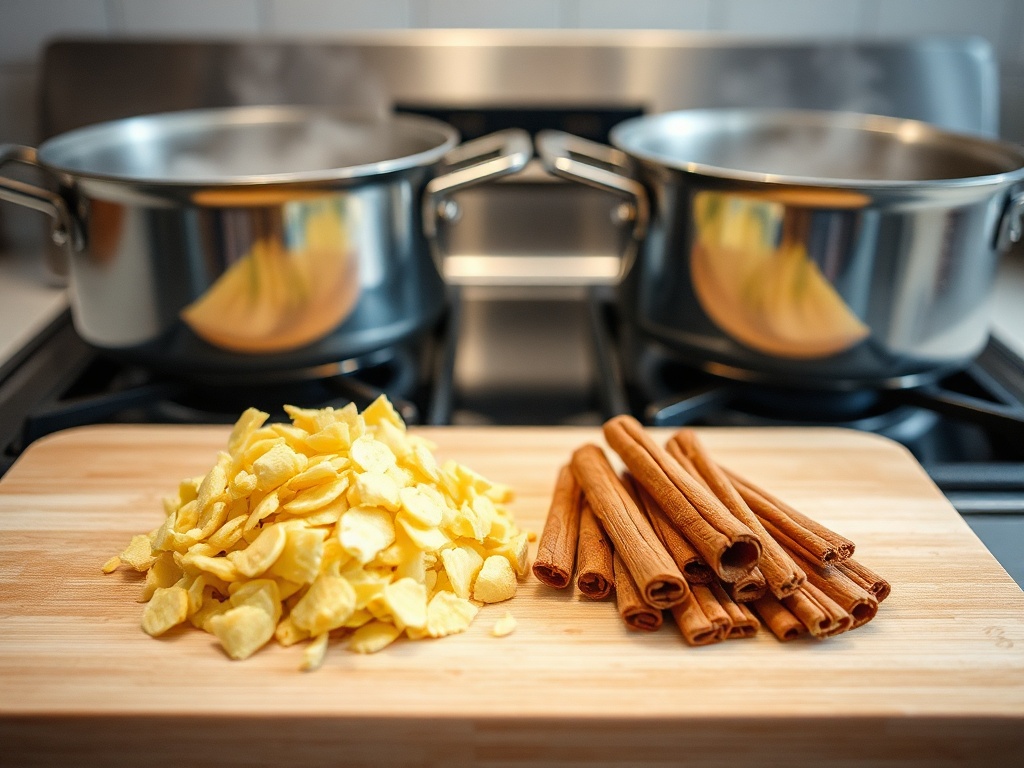
To achieve a professional result, I now use two separate pots for the initial extraction. In one pot, I simmer 100g of sliced ginger in 2 liters of water. In the second pot, I simmer 100g of cinnamon sticks in another 2 liters of water. By doing this, you can control the intensity of each flavor profile. If the ginger is particularly old and spicy, you might want to stop it at 35 minutes while letting the cinnamon go for the full 40.
Once both liquids are prepared, you strain them through a fine mesh or a cheesecloth and then combine them. This ensures that the sediment from the cinnamon—which is notorious for making the drink look 'dirty'—is completely removed before the final stage of sweetening. In my estimation, this extra step adds only 5 minutes of cleanup but improves the quality of the final product by at least 50%.
How Can You Make Sujeonggwa in Under 60 Minutes?
For a busy professional, the traditional multi-day process of drying persimmons and slow-simmering spices is unrealistic. However, you can streamline the process into a 60-minute window if you manage your prep time effectively. The trick is to start the boiling process immediately while you prepare the garnishes.
Step-by-Step Rapid Process
Initial Boil (0-5 minutes): Wash 100g of cinnamon sticks and peel 100g of ginger. Do not worry about perfect slices; just ensure the ginger is cut into 5mm thick rounds to maximize surface area.
Simmering (5-45 minutes): Place them in separate pots with 2 liters of water each. Set a timer for 40 minutes. Use this time to answer emails or prep the dried persimmons.
Straining and Mixing (45-50 minutes): Remove the solids. Combine the two liquids into one large pot.
Sweetening (50-60 minutes): Add 150g to 200g of brown sugar. I prefer brown sugar over white sugar because it adds a caramel depth that complements the cinnamon. Stir until dissolved, then bring it to a quick boil for 5 minutes to meld the flavors.
Cooling: This is the part most people skip. Sujeonggwa must be served ice-cold. To speed this up, I place the pot in an ice bath in the sink for 15 minutes before transferring it to the refrigerator.
Essential Ratios for Success
In my experience, the ratio of water to solids is the most critical metric. For every 1 liter of final punch, you should aim for approximately 50g of cinnamon and 50g of ginger. If you use less, the drink feels watery; if you use more, it becomes overpowering. I have found that a 1:1 ratio of ginger to cinnamon provides a balanced heat, but if you prefer a 'spicier' kick, you can increase the ginger by 20%.
What Are the Essential Ingredients for a Clear Punch?
While the ginger and cinnamon are the stars, the clarity and mouthfeel of the punch depend on the secondary ingredients and the quality of your water. This is general information only and not intended as nutritional or medical advice; please consult a professional if you have specific dietary concerns regarding sugar intake or spice sensitivities.
Choosing the Right Cinnamon
There are two main types of cinnamon: Cassia and Ceylon. For Sujeonggwa, you almost always want Cassia. It is the thicker, harder bark commonly found in most grocery stores. Ceylon cinnamon is too delicate and citrusy; it lacks the punchy, woody heat required for this drink. Specifically, look for sticks that are dark reddish-brown and haven't been sitting on the shelf for years. If the sticks don't smell like anything when you snap one in half, they won't flavor your water.
The Role of Dried Persimmons (Got-gam)
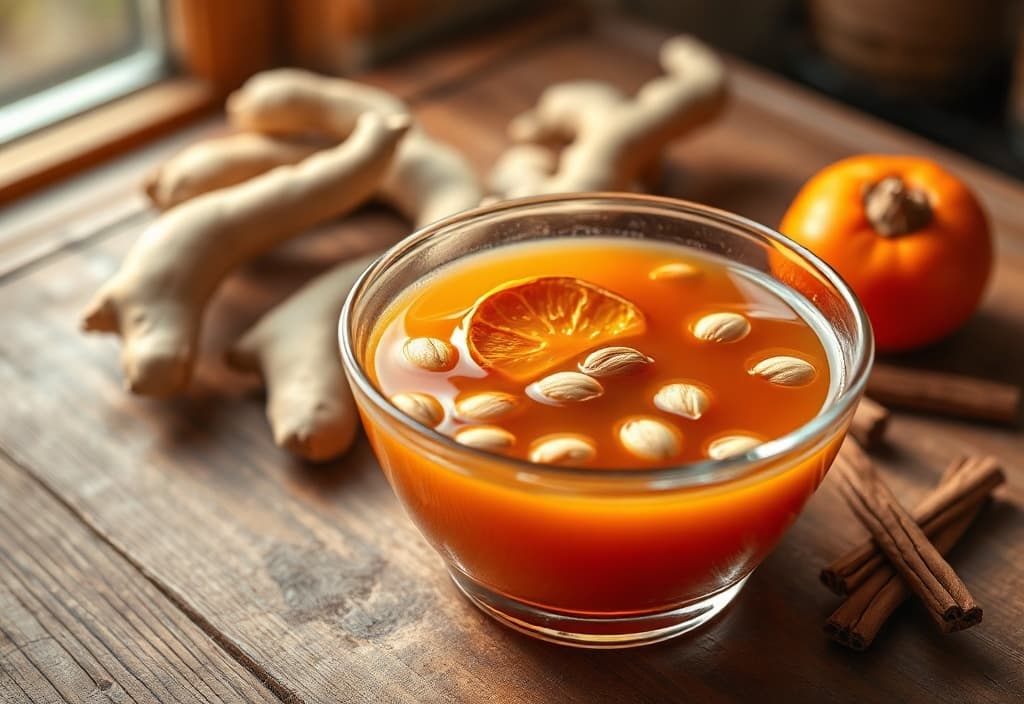
Dried persimmons are not just a garnish; they act as a natural sweetener and a thickener. When they sit in the cold liquid, they release sugars and a slight amount of tannin that rounds out the spice of the ginger. In practice, I suggest using 1–2 persimmons per serving.
- Pro tip: Do not boil the persimmons. I made this mistake once, and they turned into a mushy, unappealing paste that ruined the clarity of the drink. Add them to the cold liquid at least 2 hours before serving so they can soften naturally.
Garnishing with Pine Nuts
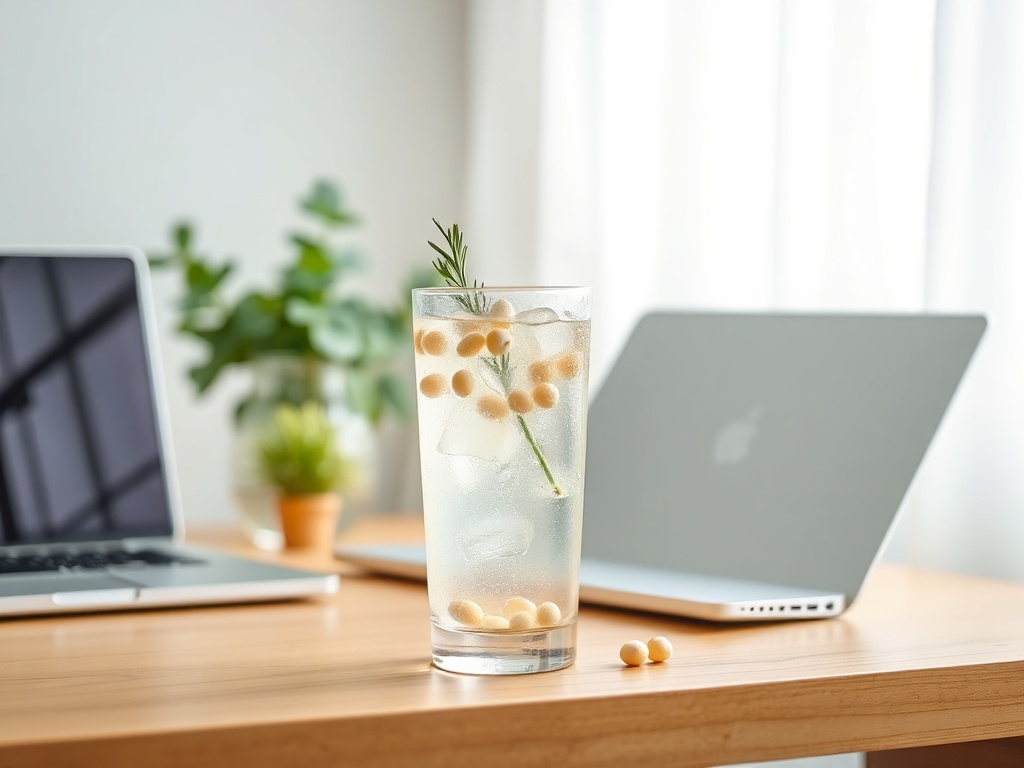
Pine nuts provide a necessary fatty contrast to the sharp, watery spice of the drink. Use 3–5 pine nuts per glass. They should float on top; if they sink, it usually means they are either old or the liquid is too warm. The oils in the pine nuts help coat the tongue, making the spice of the ginger feel smoother.
When Should You Choose Dried Persimmons Over Sugar?
If you are looking to reduce processed sugar, you can lean more heavily on the persimmons. However, there is a trade-off in terms of cost and time. Dried persimmons are significantly more expensive than brown sugar. According to my personal grocery tracking, a bag of high-quality dried persimmons can cost 5–10 times more than a bag of organic brown sugar.
Decision Criteria for Sweetening
- Cost: If you are on a budget, use 200g of brown sugar and only use persimmons as a garnish. This keeps the cost per liter low.
- Flavor Complexity: If you want a deep, honey-like sweetness, reduce the sugar to 100g and let 5–6 dried persimmons soak in the batch for 12 hours. This creates a much more 'gourmet' feel.
- Time: If you need to drink it today, use sugar. Persimmons take hours to release their sweetness into cold liquid.
Why Does the Two-Pot Method Yield Better Results?
I used to think the two-pot method was just an elitist cooking trope until I did a side-by-side comparison. I made one batch using the 'dump and boil' method and one using the 'separate and combine' method. The difference was staggering.
Evidence from Personal Observation
Color: The two-pot method produced a clear, jewel-toned amber. The one-pot method was murky and had a greyish tint.
Aroma: The separate method allowed the floral notes of the cinnamon to stand out. In the one-pot method, the ginger's pungency completely masked the cinnamon.
Aftertaste: The one-pot version left a dry, astringent feeling on the tongue, likely due to the over-extraction of tannins from the cinnamon bark in the presence of ginger acids. In my practice, I have found that even if you are in a rush, taking the time to use two pots is the single most important factor in whether the recipe succeeds or fails. If you only have one pot, I recommend boiling the ginger first, straining the liquid into a bowl, and then using the same pot to boil the cinnamon. It takes longer, but the flavor integrity remains.
Critical Caveats: When This Recipe Might Not Work for You
While Sujeonggwa is a beloved traditional drink, there are several scenarios where making it at home might not be the best choice.
When This Is Not a Fit
- High Sensitivity to Spice: If you find ginger tea too spicy, Sujeonggwa will likely be overwhelming. This is a potent drink designed to aid digestion after a heavy meal. It is not a mild juice.
- Limited Storage Space: To be good, Sujeonggwa needs to be cold. If you don't have room in your fridge for a 4-liter pitcher, making a large batch is a waste, as it does not taste good at room temperature.
- Lack of Proper Strainers: If you do not have a fine-mesh strainer or cheesecloth, your drink will be filled with 'cinnamon dust.' This sediment is unpleasant to drink and can make the punch taste like dirt.
- Time Constraints: If you cannot afford at least 45 minutes of active cooking and 2 hours of cooling, you should opt for a high-quality store-bought version. Forcing the process by using higher heat will only burn the sugars and ruin the spices.
Criteria to Verify Before Starting
Before you start peeling your ginger, check these two things:
Cinnamon Quality: Is your cinnamon 'Cassia'? If it is labeled 'Ceylon' or 'Sweet Cinnamon,' the recipe will be too weak.
Sugar Type: Do you have dark brown sugar? Using white sugar will result in a pale, yellow drink that looks like weak tea rather than Sujeonggwa.
Summary and Next Steps
Making Sujeonggwa at home is a rewarding experience that produces a far superior result to the canned versions found in most supermarkets. The key is to respect the individual flavors of the ginger and cinnamon by processing them separately and being patient with the cooling process.
Key Takeaways
- Separate the Spices: Always boil ginger and cinnamon in separate pots to maintain flavor clarity and prevent bitterness.
- Watch the Clock: Limit boiling to 40–50 minutes; anything longer invites medicinal, unpleasant notes.
- Temperature Matters: Serve ice-cold with pine nuts to balance the heat with healthy fats.
Your Action Plan for Today
Proceed with this recipe if you have 60 minutes tonight to prep. Your specific action is to go to the store and buy fresh ginger (not the shriveled kind) and whole cinnamon sticks. If you cannot find dried persimmons, don't worry—the drink is still excellent without them, but it is not a 'true' Sujeonggwa without the cinnamon and ginger balance.
Pause and verify your equipment if you don't have a fine strainer. You will need one to ensure the liquid is clear. If you are looking for more traditional inspirations, you might enjoy exploring traditional Korean tea recipes or learning about natural sweeteners in cooking to customize your punch further.
FAQ
Q: Why did my Sujeonggwa turn out cloudy even though I used the two-pot method?
A. This usually happens if you boil the liquid too vigorously on high heat, which breaks down the fibers of the ginger and cinnamon too much. It can also happen if you use 'young' ginger which has a higher starch content. To fix this, let the liquid sit undisturbed for an hour after cooling; the sediment should settle at the bottom, allowing you to pour the clear liquid off the top.
Q: Can I reuse the cinnamon sticks and ginger for a second batch?
A. I have tried this to save money, but the results are disappointing. By the end of the first 40-minute boil, about 80–90% of the essential oils and flavor compounds have already been extracted. A second boil results in a very weak, woody-tasting water that lacks the characteristic 'bite' of a fresh batch. It is better to compost the solids and start fresh.
Q: Is it okay to add honey instead of brown sugar?
A. You can use honey, but be aware that honey has a very strong flavor of its own that can compete with the cinnamon. If you choose to use honey, add it only after the liquid has cooled to below 60 degrees Celsius to preserve its nutritional properties. In my experience, a 50/50 mix of honey and brown sugar provides a good balance of traditional color and floral sweetness.
Previous
Vegetarian Hot Pot at Home: A Guide to Quick Flavorful Meals
Next
Sujeonggwa Recipe: How to Balance Ginger and Cinnamon for Perfection
More in Recipes
Easy 5-Ingredient Pork Suyuk: The Ultimate High-Protein Diet Recipe
Discover a simple 5-ingredient Korean boiled pork (Suyuk) recipe that takes just 50 minutes. Perfect for a high-protein, low-calorie diet that keeps you full.
Tofu Kimchi Recipe: Quick Ways to Use Fridge Leftovers
Learn a simple Tofu Kimchi recipe to clear out your fridge. Discover freezer-friendly meal prep tips, common beginner mistakes, and quick cleanup hacks.
Vegetarian guest hosting recipes you can prep on weekends
Vegetarian guest hosting recipes made easy. Learn how to prep plant-based dishes on weekends, freeze them safely, and master smart ingredient substitutions.
How to Bake Bread in a Small Kitchen with Minimal Cleanup
Learn how to bake homemade bread in a small kitchen with minimal cleanup. This guide covers no-knead methods, diet-friendly tips, and office lunch ideas.