Vegetarian Lunch Box Planning: How to Prep One Week of Meals
Key Takeaways
Vegetarian lunch box planning requires strategy to avoid repetitive meals. Learn how to organize 1 week of plant-based prep with specific numbers and methods.
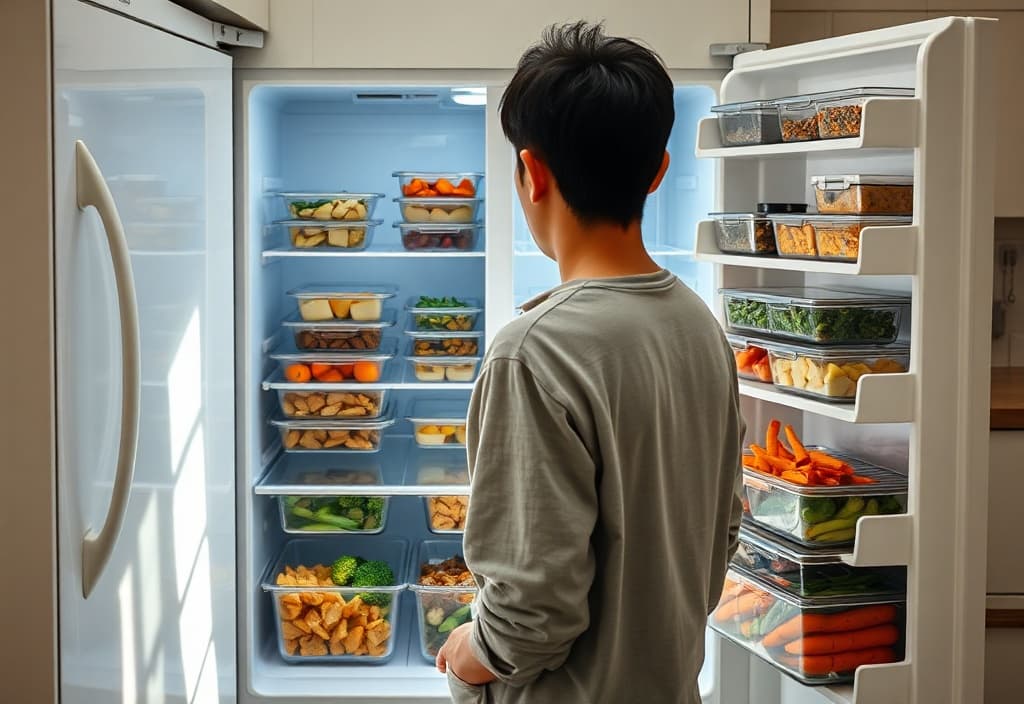
One in ten Americans now identify as vegetarian or vegan according to a 2023 report from the Alliance for Science. I find this figure surprisingly low considering how difficult it remains to find a truly satisfying, vegetable-forward lunch near most metropolitan office buildings. After two years of reducing my meat intake, I have learned that the difference between a delicious Tuesday lunch and a sad, soggy Wednesday mess comes down to a mathematical approach to planning.
Before diving into the logistical details of meal prep, please note that the following information is for general educational purposes only. This guide does not constitute nutritional, medical, or dietary advice. If you have specific health concerns or underlying conditions, please consult a registered dietitian or a qualified healthcare professional before making significant changes to your diet.
Why does vegetarian meal planning often fail?
Most people approach meal planning with a list of recipes rather than a system of components. When you plan five distinct recipes for five days, you spend approximately 4 to 6 hours in the kitchen and end up with a mountain of dishes. In my experience, this is the fastest way to burn out on vegetarianism. A successful 168-hour week requires a strategy that balances variety with efficiency.
A common mistake is overestimating the shelf life of fresh produce. While a head of cabbage can last 14 days in the crisper drawer, pre-sliced bell peppers will begin to oxidize and soften within 48 hours. If you prep all your vegetables on Sunday evening, by Thursday, your lunch box will likely be unappealing. To succeed, you must categorize your ingredients by their degradation rate.
Level 1: Entry-level guidance for complete newcomers
This section is for those who currently rely on daily takeout or cafeteria food and have never spent a Sunday afternoon preparing food for the week ahead.
If you are just starting, do not attempt to prep for a full 5-day work week. Instead, aim for a 2-day cycle. Start by choosing one base grain, one protein, and two vegetables. For example, cook 200g of dry quinoa, roast 400g of chickpeas with smoked paprika, and steam a head of broccoli. This provides enough food for two substantial lunches.
The logic here is simple: you are building a habit, not a restaurant. When I first started, I tried to make complex vegetable lasagnas and individual salads. I quickly realized that spending 3 hours on one meal resulted in a high cost-per-serving and significant mental fatigue.
The Rule of Three
For a beginner vegetarian lunch box, focus on these three pillars:
The Anchor: A complex carbohydrate like brown rice, farro, or sweet potato that provides long-lasting energy.
The Power: A plant-based protein such as lentils, tofu, or hard-boiled eggs (if you consume them).
The Volume: Fibrous vegetables like kale, cabbage, or carrots that fill the container without adding excessive calories. In practice, this might look like 1 cup of brown rice, 1/2 cup of black beans, and 1 cup of sautéed kale. This combination is stable, reheats well, and costs less than $3.00 per serving compared to a $15.00 store-bought salad.
Level 2: Next steps for those with some experience
This section is for individuals who have mastered basic prep but find themselves bored with eating the same meal three days in a row or struggling with food waste.
Once you move beyond the 2-day cycle, you need to implement a 'Mix and Match' grid. Instead of making one cohesive dish, you prepare 5-6 separate components that can be combined in different ways. This prevents the flavor fatigue that often leads vegetarians back to meat-based convenience foods.
The Component Grid Strategy
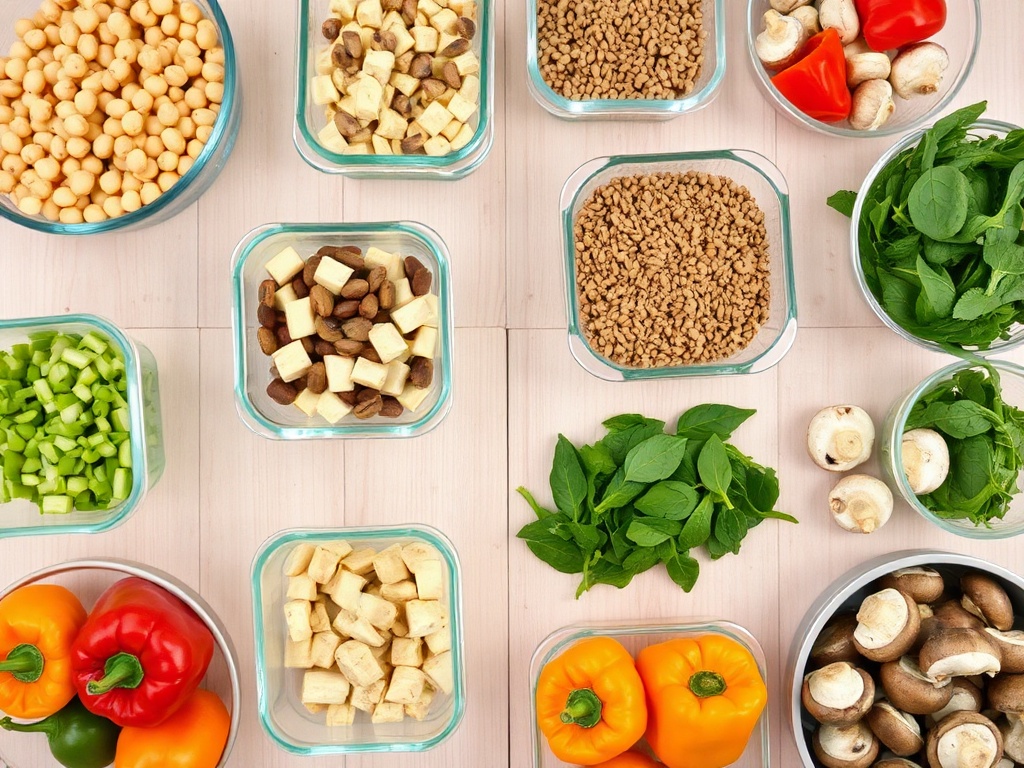
To plan a 5-day week, prepare the following on Sunday:
- Two Grains: For example, 300g of basmati rice and 300g of whole-wheat pasta.
- Two Proteins: For example, 1 block of marinated tofu (400g) and 1 can of seasoned black beans.
- Three Vegetables: For example, roasted cauliflower, raw shredded carrots, and blanched snap peas.
- Two Sauces: For example, a tahini-lemon dressing and a spicy peanut sauce. By having these separate containers, Monday's lunch can be a rice bowl with tofu and cauliflower, while Tuesday's lunch can be a pasta salad with beans and carrots. This variety is essential for long-term adherence to a plant-based diet.
Managing Texture and Moisture
In my experience, the biggest complaint among intermediate preppers is the 'mush factor.' To avoid this, follow these specific guidelines:
- Wait for the cool-down: Never close a container while the food is still steaming. This creates condensation, which leads to soggy grains and wilted greens.
- The Paper Towel Trick: Place a single square of paper towel on top of washed greens like spinach or arugula before sealing the lid. This absorbs excess moisture and can extend the freshness of the greens by 2 to 3 days.
- Seed Removal: If you are using tomatoes or cucumbers, remove the watery seeds before packing. This simple step reduces the liquid runoff that ruins dressings.
Level 3: Advanced considerations for long-term planners
This section is for those who want to optimize their nutrition, manage macro-nutrients, and minimize their environmental footprint through zero-waste cooking.
Advanced planning involves the 'Rolling Inventory' method. This means you aren't just planning for the next 5 days; you are looking at the next 14 days. You might cook a double batch of lentils this week, freezing half to be used as a base for a different meal next week. This reduces active cooking time by 30% over a month.
Macro-Nutrient Balancing and Density
For an advanced vegetarian lunch, the focus shifts from just 'filling the box' to 'functional fueling.' A 2021 study by the Journal of the Academy of Nutrition and Dietetics suggests that vegetarians who do not plan their protein intake often fall 15-20% short of their optimal daily requirements.
To combat this, your advanced plan should include:
- Standardized Portions: Aim for 20-30 grams of protein per lunch box. This might require combining 1/2 cup of lentils (9g) with 2 tablespoons of hemp seeds (6g) and 1/2 cup of cooked quinoa (4g).
- Healthy Fats for Satiety: Include 15-20g of healthy fats to ensure you stay full until dinner. Specifically, use 1/4 of an avocado (added fresh daily) or 30g of walnuts.
- Fermented Elements: Add 50g of kimchi or sauerkraut to each box. Not only does this add a complex flavor profile that requires no extra cooking, but it also supports gut health.
Decision Criteria for Your Plan
When deciding which system to use, evaluate your situation based on these two criteria:
Time Availability: Do you have a dedicated 2-hour block on Sunday, or do you prefer 15-minute 'micro-preps' throughout the week? If you have no time on weekends, the Level 2 component grid is actually better because you can prep components while cooking your Sunday dinner.
Kitchen Equipment: Do you have access to a microwave at work? If not, your entire plan must shift toward 'Cold Composition' meals like grain salads and wraps rather than stews or stir-fries.
Critical Caveats: When this advice may not work
While meal planning is generally beneficial, there are specific scenarios where it can fail or be counterproductive.
- The 'Boredom' Threshold: If you are a person who thrives on culinary variety and spontaneous cravings, forcing yourself to eat a pre-packed lunch for 5 days will likely lead to binge eating or food waste. In this case, limit your prep to 3 days and leave 2 days for flexible options.
- Improper Storage Hazards: If your office refrigerator is unreliable or crowded, food safety becomes a major concern. Cooked rice, in particular, can harbor Bacillus cereus if not kept below 4 degrees Celsius. If you cannot guarantee a cold chain, stick to shelf-stable ingredients like nuts, seeds, and whole fruits for part of your lunch.
- Nutritional Imbalance: Simply removing meat and replacing it with pasta or white bread is a common mistake known as the 'carbohydrate trap.' This can lead to blood sugar spikes and afternoon fatigue. Always ensure your plan includes a significant source of fiber and protein.
Summary of Key Actions
To build a sustainable vegetarian lunch box habit, remember these three principles:
Component over Recipe: Prep individual ingredients (grains, proteins, veggies) to allow for mid-week variety and prevent flavor fatigue.
Moisture Management: Use paper towels and separate sauce containers to maintain texture for up to 5 days.
Macro-Awareness: Intentionally include 20-30g of protein and 15-20g of healthy fats to ensure nutritional adequacy and satiety.
Your Next Step
Verify your current inventory. Before you buy a single new vegetable, open your pantry and count how many types of grains and legumes you currently own. If you have more than three types of dry goods, proceed with a Level 1 plan using what you already have. If your pantry is empty, pause and create a shopping list based on the 'Rule of Three' mentioned above. Do not attempt a 5-day plan until you have successfully completed a 2-day cycle twice.
Previous
Diet Yakgwa Guide: How to Make Healthy Korean Honey Cookies
Next
Vegetarian Lunch Box Planning: How to Prep One Week of Meals
More in Recipes
Easy 5-Ingredient Pork Suyuk: The Ultimate High-Protein Diet Recipe
Discover a simple 5-ingredient Korean boiled pork (Suyuk) recipe that takes just 50 minutes. Perfect for a high-protein, low-calorie diet that keeps you full.
Tofu Kimchi Recipe: Quick Ways to Use Fridge Leftovers
Learn a simple Tofu Kimchi recipe to clear out your fridge. Discover freezer-friendly meal prep tips, common beginner mistakes, and quick cleanup hacks.
Vegetarian guest hosting recipes you can prep on weekends
Vegetarian guest hosting recipes made easy. Learn how to prep plant-based dishes on weekends, freeze them safely, and master smart ingredient substitutions.
How to Bake Bread in a Small Kitchen with Minimal Cleanup
Learn how to bake homemade bread in a small kitchen with minimal cleanup. This guide covers no-knead methods, diet-friendly tips, and office lunch ideas.