Crispy Korean Pancakes: The Secret to a Perfect Crunch
Key Takeaways
Unlock the secrets to crispy Korean pancakes. Learn essential techniques for perfect buchi-mgae, from batter consistency to frying tips, even for beginners.
Crispy Korean Pancakes: The Secret to a Perfect Crunch
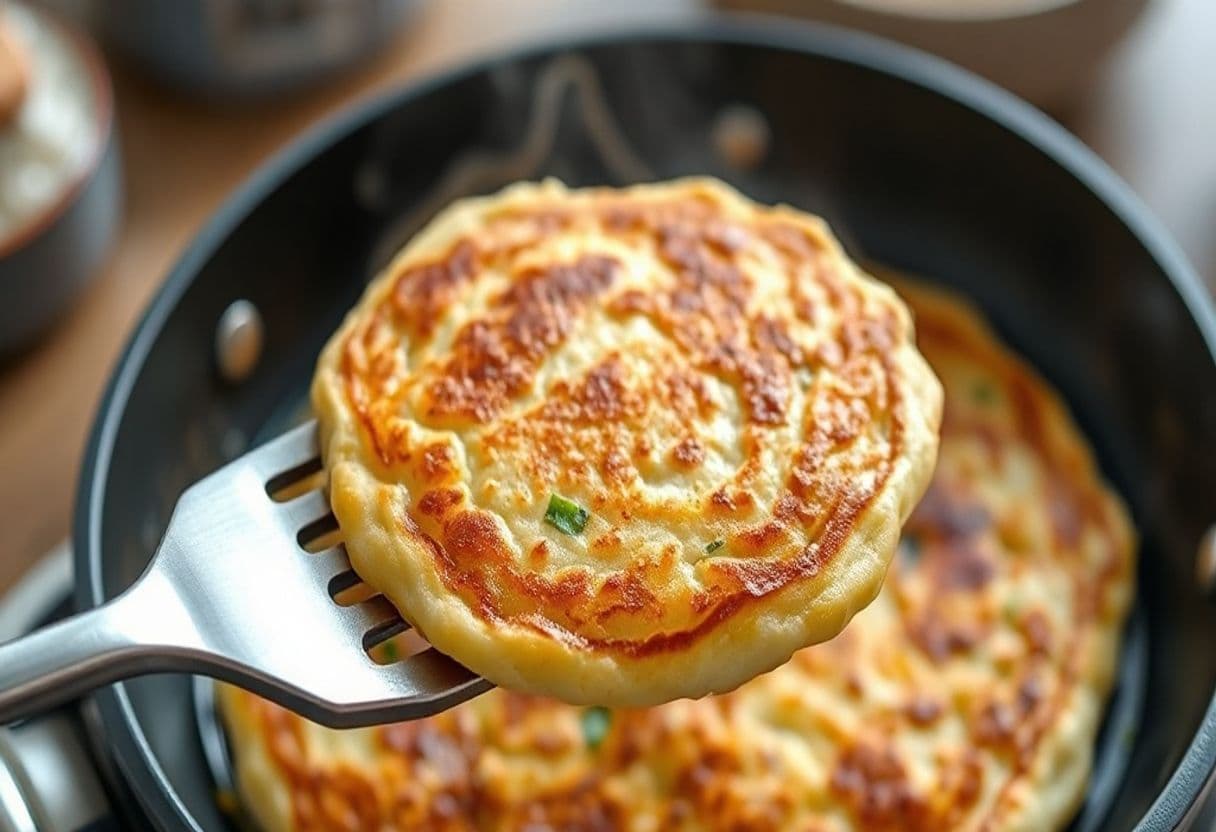
The short answer is that achieving truly crispy Korean pancakes isn't about one magic ingredient, but rather a combination of specific techniques and a few key ingredient choices. Here's why: a perfectly crispy pancake relies on minimizing moisture, optimizing heat transfer, and creating a sturdy, airy batter structure that can brown and crisp up quickly in hot oil.
Why Are My Korean Pancakes Not Crispy? A Common Frustration
If you've ever found yourself staring at a beautifully browned, yet strangely soft and chewy Korean pancake (buchi-mgae), you're certainly not alone. My journey to reduce meat consumption led me to explore countless plant-based recipes, and vegetable-forward pancakes quickly became a staple. However, early on, I experienced my fair share of disappointing, soggy results. It's a common frustration, especially for beginners or those transitioning to making more vegetable-heavy dishes. The desire for that satisfying crunch, a hallmark of a well-made buchi-mgae or pajeon, often clashes with the reality of a limp, oil-soaked disc. Many people assume they're just missing a special Korean ingredient, but often, the issue lies in more fundamental cooking principles.
This challenge is particularly pronounced with vegetable pancakes because vegetables naturally contain a significant amount of water. When this moisture isn't properly managed, it steams the pancake from the inside out, preventing the batter from crisping and often leading to a dense, gummy texture. Add to that the common mistakes of incorrect batter consistency, insufficient oil, or an improperly heated pan, and you have a recipe for crispiness disaster. It's a delicate balance, and understanding each variable is the first step towards consistent success.
The Science Behind the Sizzle: What Goes Wrong?
Understanding the common pitfalls can illuminate the path to perfection. In my experience, the issues typically boil down to 3–4 primary culprits:
- Too Much Moisture in the Batter: This is perhaps the most frequent offender. If your batter is too thin, or if your vegetables release too much water during cooking, that excess liquid turns into steam, which prevents browning and crisping. Think of it like trying to toast bread in a humid environment; it just won't get crunchy.
- Incorrect Flour Ratio/Type: Using only all-purpose flour can result in a chewier texture due to its gluten content. While some gluten is fine, too much can hinder crispiness. Traditional Korean pancake flours often incorporate rice flour or starches specifically for texture.
- Insufficient Oil or Incorrect Pan Temperature: A truly crispy pancake needs to essentially shallow-fry, not just pan-fry. If there isn't enough hot oil, or if the pan isn't adequately preheated, the pancake will absorb oil without crisping, becoming greasy and soft. The oil acts as a heat transfer medium, rapidly cooking the surface and creating that desired crunch.
- Overcrowding the Pan: Trying to cook too many pancakes at once drops the pan's temperature significantly and releases too much moisture into the pan, steaming rather than frying the pancakes. Patience is key here; cook in batches if necessary.
- Impatience: Flipping too early or not letting the pancake cook long enough on each side can prevent proper browning and crisping. It's tempting to peek, but resist the urge until it's ready.
How Can I Make My Korean Pancakes Consistently Crispy?
Achieving that coveted crunch requires a multi-pronged approach, focusing on batter, oil, and technique. After many experiments – some delicious, some truly disappointing – I've distilled the process into a few reliable strategies that consistently deliver excellent results, even with plant-based ingredients.
1. Master Your Batter Mix: The Foundation of Crunch
This is where the magic truly begins. Your flour choice and liquid consistency are paramount.
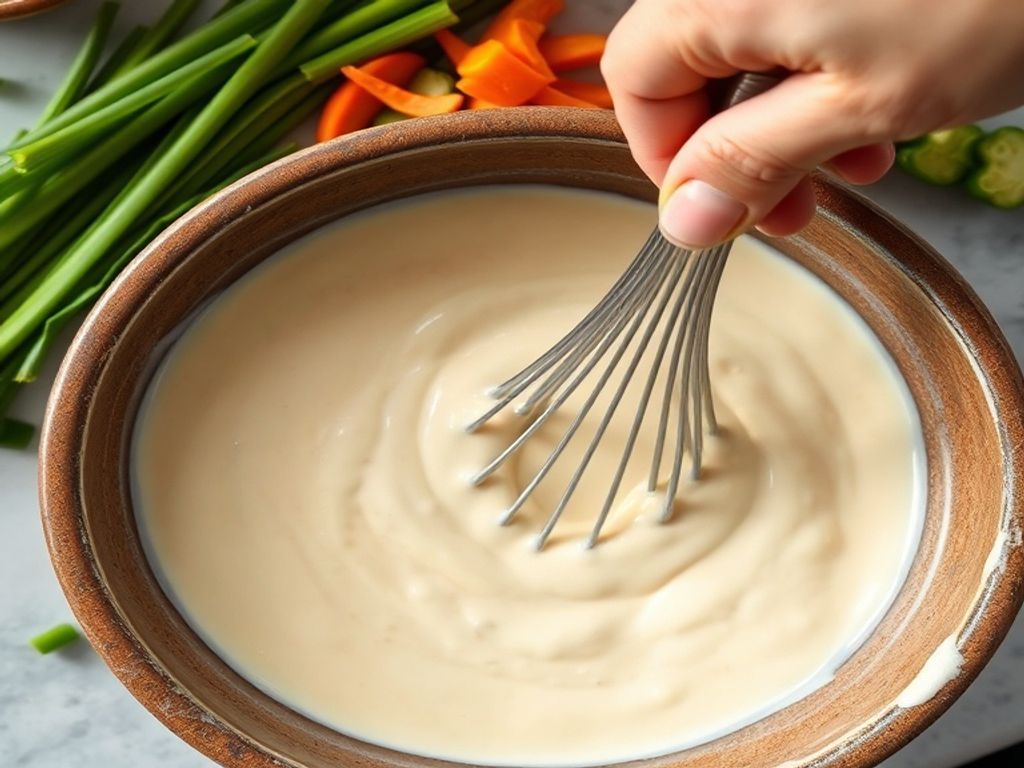
- The Power of Starch: While all-purpose flour forms the base, incorporating a high-starch flour is a game-changer. My go-to blend is typically 70% all-purpose flour, 20% rice flour, and 10% cornstarch or potato starch. Rice flour (especially sweet rice flour, chapssal-garu) and cornstarch both contribute to a lighter, crispier texture because they inhibit gluten development and absorb less moisture during frying. For instance, in a 200g flour mix, I'd use about 140g all-purpose, 40g rice flour, and 20g cornstarch.
- Ice Cold Liquid: Always use ice-cold water (or even sparkling water for an extra lift) when mixing your batter. The cold temperature slows down gluten development, leading to a more tender interior and a crispier exterior. It also creates a greater temperature differential when it hits the hot pan, resulting in a more dramatic crisping effect. I typically use 250–300ml of ice water for every 200g of flour mix, adjusting based on the moisture content of the vegetables.
- Minimal Mixing: Overmixing develops gluten, making the pancakes chewy rather than crispy. Mix just enough to combine the ingredients; a few lumps are perfectly fine and even desirable.
- Adjusting for Vegetables: If using vegetables with high water content, like mushrooms or onions, you might need slightly less water in your batter or consider salting them briefly before adding to draw out excess moisture. For example, when making a mushroom-heavy pancake, I'll often pat the sliced mushrooms dry with a paper towel before incorporating them.
2. The Right Amount of Oil, and Heat, is Non-Negotiable
Think of it less as pan-frying and more as shallow-frying. This is crucial.
- Generous Oil: Don't be shy with the oil. You need enough to coat the entire bottom of the pan and come up the sides slightly, creating a shallow pool. For a standard 10-inch skillet, this usually means 3–4 tablespoons of neutral oil like canola, vegetable, or grapeseed oil. The oil essentially flash-fries the surface of the pancake, making it incredibly crisp. One common mistake I've observed is using just a drizzle, which leads to uneven cooking and a soft texture.
- Sufficiently Hot Pan: Preheat your pan over medium-high heat for at least 2–3 minutes before adding any oil. Once the pan is hot, add the oil and let it heat up for another 30–60 seconds until it shimmers slightly. A drop of batter should sizzle immediately upon contact. If the pan isn't hot enough, the pancake will slowly absorb the oil and become greasy without crisping. My cast iron skillet is my best friend for this, as it retains heat exceptionally well, ensuring consistent crispiness across batches. If you're using a non-stick pan, ensure it's rated for medium-high heat. Getting started with cast iron skillets can be a great way to improve your frying game.
3. Frying Technique: Patience and Pressure
Even with perfect batter and hot oil, technique can make or break your crispy pancake.
- Thin Layer: Spread your batter thinly and evenly across the hot, oiled pan. A thicker pancake will take longer to cook through, increasing the chance of it steaming rather than crisping. Aim for a thickness of about 0.5–1 cm (0.2–0.4 inches).
- Don't Overcrowd: Cook only 1–2 pancakes at a time, depending on your pan size. Give each pancake ample space to cook without dropping the pan's temperature. This ensures consistent crisping and prevents a soggy outcome.
- The 'Press' Method: Once the bottom is golden brown (usually 3–5 minutes), flip the pancake. As it cooks on the second side, gently press down on it with your spatula for 10–15 seconds. This helps ensure even contact with the hot pan, expels any trapped steam, and facilitates further browning and crisping. This simple action, which I learned from a friend who grew up making these, has been one of the most impactful tips for me.
- Double Fry (Optional but Recommended): For ultimate crispiness, especially if you're cooking a larger batch, consider a quick double fry. Cook the pancakes until they're mostly done and golden, then remove them from the pan. Just before serving, return them to a very hot pan with a little fresh oil for 1–2 minutes per side until deeply golden and extra crunchy. This works wonders for reheating, too.
What are the Best Ingredients for a Crispy Finish?
While technique is crucial, selecting the right ingredients can give you a significant head start toward a crispy buchi-mgae. My goal with plant-based cooking has always been to make vegetables the star, and for crispy pancakes, certain vegetables truly shine.
Vegetables with Lower Water Content
Opt for vegetables that don't release a lot of moisture during cooking or that can dry out and crisp up nicely. Some of my favorites include:
- Onions: Thinly sliced, they caramelize and add flavor while contributing to texture.
- Carrots: Shredded or finely julienned, they add color and a slight sweetness without much moisture.
- Mushrooms: Varieties like shiitake, oyster, or king oyster mushrooms are excellent. Slice them thinly and, as mentioned, consider patting them dry. Their umami flavor also really shines.
- Kimchi: Well-drained kimchi (squeeze out excess liquid!) is fantastic. The fermentation adds incredible depth, and its texture holds up well.
- Scallions/Green Onions: The classic choice for pajeon, they cook down nicely and offer a mild oniony flavor.
- Cabbage: Finely shredded cabbage can get delightfully crispy at the edges. I use this often in my easy weeknight plant-based meals for added bulk and texture.
Flavor Enhancers for a Delicious Crisp
Beyond the basic vegetables, a few additions can elevate both the flavor and crispiness:
- Sesame Oil (for finishing): A drizzle of toasted sesame oil just before serving adds an incredible aroma and nutty flavor, enhancing the overall experience. Don't fry with it, as it has a low smoke point.
- Salt and Pepper: Simple seasonings are key. Ensure your batter is well-seasoned to bring out the best in your vegetables. A pinch of white pepper can add a subtle kick.
- Soy Sauce & Vinegar Dipping Sauce: A simple mix of soy sauce, rice vinegar, a touch of sugar, sesame seeds, and chili flakes provides the perfect counterpoint to the rich, crispy pancake.
Your First Step Towards Crispy Perfection
If you're a beginner feeling overwhelmed by all these tips, don't try to implement everything at once. The single most accessible and impactful first step you can take today is to focus on your flour blend and batter consistency. Instead of just using all-purpose flour, try mixing in 20% rice flour and 10% cornstarch (e.g., for 1 cup of flour, use roughly 3/4 cup all-purpose, 3 tablespoons rice flour, and 1 tablespoon cornstarch). Then, use ice-cold water and mix just until combined. This simple adjustment to the batter will immediately improve the texture of your pancakes, making them lighter and more prone to crisping.
Once you've mastered the batter, you can gradually introduce the other techniques like proper oil heating and the 'press' method. Cooking, especially plant-based cooking, is an iterative process. Each attempt is a learning opportunity, and even my not-so-crispy pancakes still get eaten!
Conclusion: Embrace the Crunch
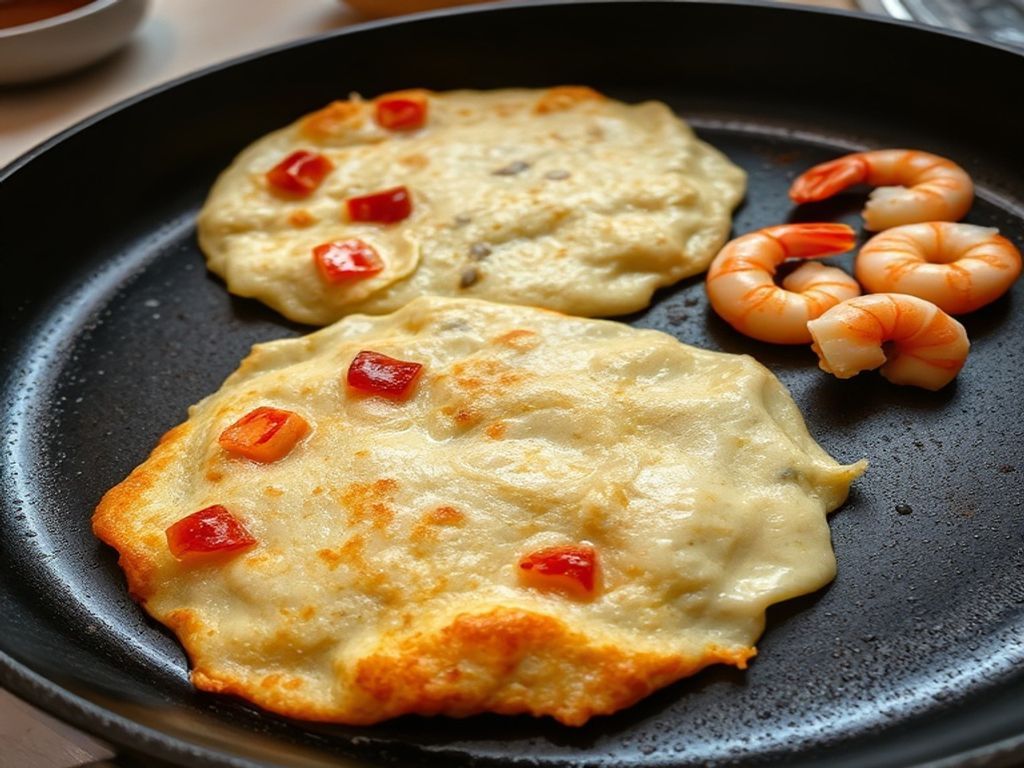
Achieving truly crispy Korean pancakes, or any vegetable pancake for that matter, is a rewarding culinary endeavor that elevates a simple dish into something extraordinary. It's a journey I've thoroughly enjoyed, turning once-disappointing soggy attempts into reliably crunchy, flavorful meals. Remember these three key points:
Optimize Your Batter: Use a blend of flours, incorporating rice flour and cornstarch with ice-cold liquid, and mix minimally.
Heat and Oil are Your Allies: Always preheat your pan thoroughly and use a generous amount of neutral oil to shallow-fry rather than just pan-fry.
Refine Your Technique: Spread thin, don't overcrowd, and employ the 'press' method for even crisping. Your specific action to take today? Go to your pantry and check your flour situation. If you don't have rice flour or cornstarch, grab some on your next grocery trip. It's a small investment that will pay huge dividends in your pursuit of perfectly crispy pancakes. Happy frying!
Previous
Quick Potato Recipes: Smart Tips for Busy Professionals
Next
Crispy Korean Pancakes: The Secret to a Perfect Crunch
More in Recipes
Easy 5-Ingredient Pork Suyuk: The Ultimate High-Protein Diet Recipe
Discover a simple 5-ingredient Korean boiled pork (Suyuk) recipe that takes just 50 minutes. Perfect for a high-protein, low-calorie diet that keeps you full.
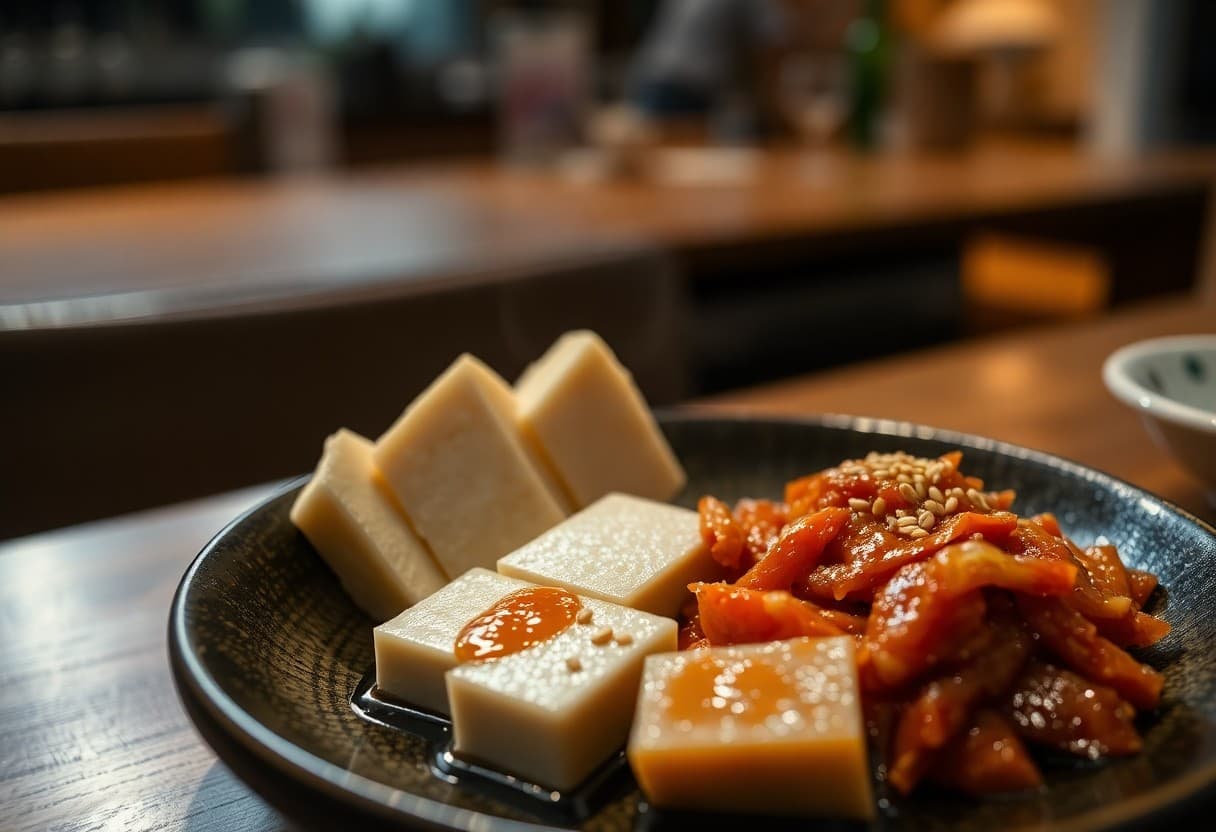
Tofu Kimchi Recipe: Quick Ways to Use Fridge Leftovers
Learn a simple Tofu Kimchi recipe to clear out your fridge. Discover freezer-friendly meal prep tips, common beginner mistakes, and quick cleanup hacks.
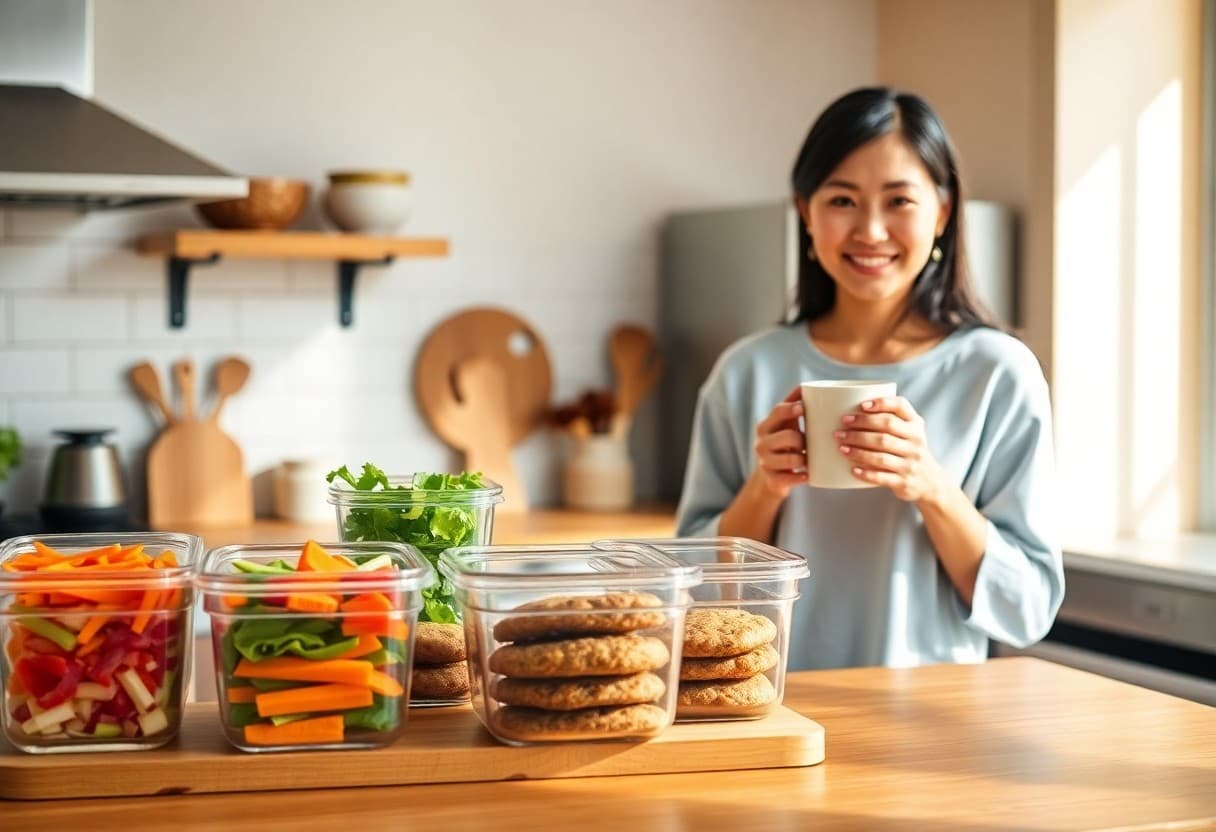
Vegetarian guest hosting recipes you can prep on weekends
Vegetarian guest hosting recipes made easy. Learn how to prep plant-based dishes on weekends, freeze them safely, and master smart ingredient substitutions.
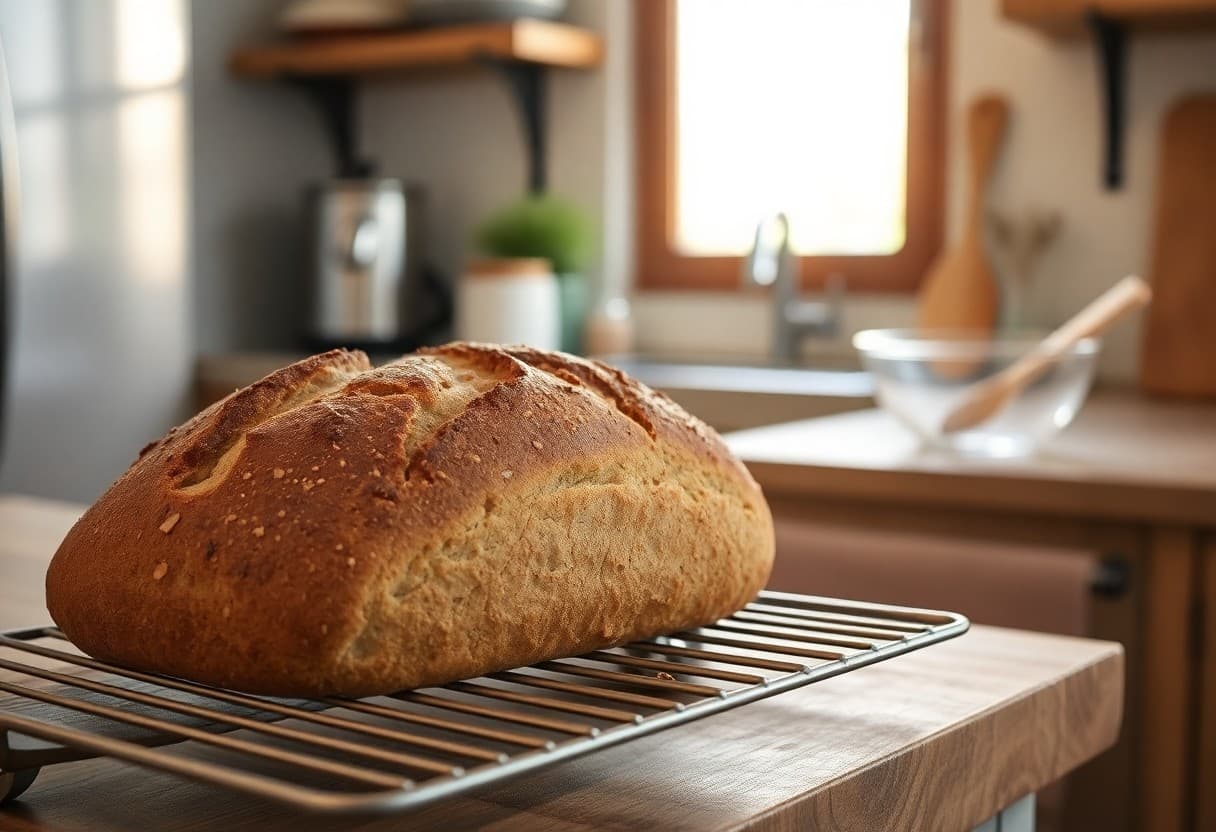
How to Bake Bread in a Small Kitchen with Minimal Cleanup
Learn how to bake homemade bread in a small kitchen with minimal cleanup. This guide covers no-knead methods, diet-friendly tips, and office lunch ideas.