Quick Potato Recipes: Smart Tips for Busy Professionals
Key Takeaways
Discover quick potato recipes and time-saving tips for busy professionals. Learn how to prepare delicious, easy potato dishes for any meal, even on your busiest days.
I remember the time, back in early 2020, when I first started getting serious about cooking. I’d spend hours watching online videos, convinced I could replicate those beautiful, effortless dishes. Potatoes, in particular, seemed so simple. Boil 'em, mash 'em, stick 'em in a stew, right? My early attempts, however, often resulted in either bland, undercooked chunks or a mushy, over-salted mess. It wasn't until I started looking at potatoes not just as an ingredient, but as a versatile time-saver that things really clicked, especially for those weeknights when I barely had 30 minutes to spare.
What Makes Potato Dishes a Challenge for Busy Schedules?
For many of us juggling work, family, and a semblance of a social life, the idea of preparing a wholesome, delicious meal can feel like an Olympic sport. Potatoes, despite their humble appearance and reputation for simplicity, often get overlooked or mishandled in the rush. I've heard countless friends lamenting how their roasted potatoes never get crispy, their mashed potatoes are lumpy, or that by the time they've peeled and chopped, dinner is already delayed by 20 minutes. The core problem isn't the potato itself, but the misconception that all potato dishes demand significant active cooking time or complex techniques. This often leads to either resorting to less healthy convenience foods or settling for repetitive, uninspired potato sides that don't truly satisfy. The goal is to transform potatoes from a potential time sink into a reliable and quick meal component.
Why Do Our Quick Potato Attempts Often Fall Short?
My own kitchen disasters taught me a lot about why 'quick' potato meals sometimes go sideways. The root causes usually boil down to a few common pitfalls:
- Underestimating Prep Time: Peeling and chopping a few pounds of potatoes can easily take 10–15 minutes, especially if you're not practiced. This might not seem like much, but when you're racing against the clock, every minute counts.
- Incorrect Potato Choice: Not all potatoes are created equal. Waxy potatoes (like red or new potatoes) hold their shape better for boiling or salads, while starchy potatoes (like Russets or Idaho) are perfect for mashing or frying due to their fluffy texture. Using the wrong type for a specific dish can lead to disappointing results – think gummy mashed potatoes or crumbly roasted ones.
- Lack of Planning: Spontaneously deciding to make a potato gratin at 6 PM on a Tuesday is a recipe for stress. Many delicious potato dishes benefit from a little foresight, whether it's par-boiling ahead of time or choosing a method that minimizes active cooking.
- Overcrowding the Pan: This is a mistake I made constantly when trying to rush roasted potatoes. If you pack too many potatoes into a baking sheet or skillet, they'll steam instead of roast or fry. This prevents browning and leads to soggy, unappetizing results. I've learned that giving them space is non-negotiable for crispiness.
- Insufficient Drying: For crispy fried or roasted potatoes, moisture is the enemy. Washing potatoes and then immediately tossing them with oil will create steam, not crispness. This was a hard lesson for me; I used to just give them a quick shake after rinsing. Now, I always pat them thoroughly dry with a kitchen towel.
How Can Busy Professionals Master Quick Potato Dishes?
The good news is that with a few smart strategies, potatoes can become a cornerstone of your fast-paced cooking. Here are my go-to solutions for making potatoes work for a busy schedule:
Embrace the Microwave for a Head Start
Before I started cooking, I thought the microwave was just for reheating leftovers. But it's a powerful tool for speeding up potato prep.
- Par-cooking for Roasting/Frying: For roasted potatoes or even home fries, I'll cube my potatoes (aiming for 1-inch pieces), toss them into a microwave-safe bowl with a tablespoon of water, cover loosely, and microwave for 5–7 minutes. They should be fork-tender but not mushy. This drastically cuts down on oven or stovetop cooking time.
- Quick Mashed Potatoes: Cut potatoes into 1-inch chunks, place them in a microwave-safe bowl with a splash of water, cover, and microwave for 8–10 minutes, or until very tender. Drain, then mash directly in the bowl. This method saves 15–20 minutes compared to boiling on the stove.
Master the Art of Sheet Pan Dinners
Sheet pan meals are a godsend for busy weeknights, and potatoes are a perfect fit. The key is to cut everything to a similar size and choose ingredients that cook at roughly the same rate.
- Prep and Roast: Toss cubed potatoes (par-cooked if you have the extra 5 minutes) with olive oil, salt, pepper, and your favorite herbs. Add other quick-cooking vegetables like broccoli florets, bell pepper strips, or sliced onions. For protein, chicken sausage, pre-cooked shrimp, or thin strips of chicken breast work well.
- High Heat, Fast Cook: Roast everything on a single sheet pan at 200–220°C (400–425°F) for 20–30 minutes, flipping halfway. This minimal effort approach delivers a complete meal with only one pan to clean.
Leverage the Power of the Air Fryer
If you own an air fryer, you know its magic. It's especially fantastic for potatoes, delivering crispy results with minimal oil and in a fraction of the time of a conventional oven.
- Crispy Fries/Wedges: Cut potatoes into fries or wedges (peeling is optional), toss with a teaspoon of oil and seasoning. Air fry at 190°C (375°F) for 15–20 minutes, shaking the basket every 5 minutes. They come out incredibly crispy, and I often use this for a quick side.
- Roasted Cubes: Similar to fries, cubed potatoes air fry beautifully. I've found about 15 minutes is usually enough for tender, golden cubes that are perfect for breakfast scrambles or as a side.
Quick Potato Salad (Warm or Cold)
A potato salad doesn't have to be a multi-hour affair. For a speedy version:
- Boil Smart: Use smaller, waxy potatoes (like new potatoes or red potatoes) and boil them whole or halved. They cook faster and don't require peeling. My estimate is about 15–20 minutes for small potatoes.
- Simple Dressings: A warm potato salad with a vinaigrette-style dressing (olive oil, vinegar, Dijon mustard, herbs) comes together quickly. For a creamy version, a dollop of Greek yogurt mixed with a little mayonnaise and seasoning is much faster than whisking up a complex dressing.
How to Prevent Potato Prep from Derailing Your Weeknight Meals
Consistency is key when you're busy. Here's how I ensure my potato dishes are always a win, not a time drain:
Smart Shopping and Storage
- Buy the Right Potatoes: Always have a mix on hand. I keep a bag of Russets for mashing and a smaller bag of red or Yukon Golds for roasting or salads. Knowing their best uses saves decision time.
- Proper Storage: Store potatoes in a cool, dark, well-ventilated place, away from onions, which can accelerate sprouting. This can extend their shelf life by a good 2–3 weeks, meaning fewer last-minute grocery runs.
Embrace Batch Prep
- Pre-Boil: On a Sunday afternoon, I sometimes boil a larger batch of potatoes (e.g., 1 kg or about 2 pounds) until just tender. Once cooled, I store them in the fridge. These pre-cooked potatoes are then ready for quick roasted potatoes, a speedy potato salad, or even a hash in minutes during the week.
- Chop Ahead (with caution): While I generally don't chop potatoes too far in advance due to browning, if I know I'll be cooking them within 24 hours, I'll sometimes cube them and store them submerged in cold water in the fridge. This means less active prep when it's time to cook. Just remember to drain and dry them thoroughly.
Invest in Good Tools
- Sharp Knife: A sharp chef's knife makes chopping potatoes significantly faster and safer. This is a fundamental kitchen tool that makes all prep work easier.
- Vegetable Peeler: A good swivel peeler can zip through potato skins in seconds, far quicker than a paring knife.
- Large Baking Sheets: Having 2–3 large baking sheets allows you to spread out your potatoes, preventing overcrowding and ensuring maximum crispiness.
Learn to Eyeball Measurements (My Specialty!)
While some baking recipes demand precision, for many savory potato dishes, you can trust your instincts.
- Oil and Seasoning: Instead of meticulously measuring, I'll drizzle olive oil until the potatoes look lightly coated and sprinkle salt and pepper until it feels right. A quick taste test before serving can always adjust. This saves time and dirty measuring spoons.
- Don't Fear the 'Almost Done': Potatoes are forgiving. If they're a little undercooked for mashing, a few more minutes in the microwave or on the stove will fix it. If they're slightly overcooked for roasting, they might just be extra soft. Learning from these minor 'failures' is part of becoming a more efficient cook.
Common Mistakes to Avoid (Warnings!)
Don't wash potatoes and cook immediately: Always pat them thoroughly dry, especially for roasting or frying, to ensure crispiness. Moisture is the enemy of browning.
Avoid cold oil in a cold pan: For crispy pan-fried potatoes, always preheat your pan and oil until shimmering before adding the potatoes. This prevents sticking and promotes even browning.
Don't salt mashed potatoes too early: Potatoes absorb a lot of salt, but adding it too early can make them taste bland initially, leading you to over-salt. Add salt incrementally at the end, tasting as you go. By integrating these tips, potatoes can move from being an occasional side dish to a reliable, quick, and delicious meal component, perfectly suited for the demands of a busy professional.
FAQ
Can I pre-cut potatoes to save time later?
Yes, you absolutely can! To prevent browning, store pre-cut potatoes in a bowl of cold water in the refrigerator for up to 24 hours. This method works well for cubes, wedges, or slices you plan to roast, fry, or boil. Just remember to drain and thoroughly pat them dry before cooking to ensure proper crisping or even cooking.
What's the best way to reheat leftover potato dishes?
The best reheating method depends on the dish. For crispy potatoes like roasted or fried, a hot oven (around 200°C or 400°F) or an air fryer works wonders to bring back their texture. Mashed potatoes reheat beautifully in a microwave or on the stovetop with a splash of milk or broth to restore creaminess. Avoid the microwave for anything meant to be crispy, as it tends to steam them.
How can I prevent potatoes from sticking to the pan?
Preventing sticking often comes down to three things: proper pan choice, sufficient oil, and not overcrowding. Use a good quality non-stick pan or a well-seasoned cast-iron skillet. Ensure your pan is hot and you've added enough oil or fat to coat the surface adequately. Finally, give your potatoes space; if the pan is too full, they'll steam rather than brown, increasing the likelihood of sticking.
Conclusion
Making delicious potato dishes on a tight schedule is entirely achievable with the right approach. We've explored how common pitfalls like poor planning and incorrect techniques can sabotage your efforts, and critically, how to overcome them. The key takeaways are to leverage smart prep shortcuts like microwaving and batch cooking, choose the right cooking methods like sheet pan dinners and air frying, and always prioritize proper technique such as drying potatoes and not overcrowding your pan.
My final piece of advice? Don't be afraid to experiment and trust your intuition in the kitchen. Start today by trying one of the quick cooking methods – perhaps par-cooking potatoes in the microwave for your next roasted side. You'll be surprised how quickly you can turn a simple spud into a satisfying, time-efficient meal.
Previous
Vegetarian Sujebi: Mastering Plant-Based Hand-Pulled Noodle Soup
Next
Quick Potato Recipes: Smart Tips for Busy Professionals
More in Recipes
Easy 5-Ingredient Pork Suyuk: The Ultimate High-Protein Diet Recipe
Discover a simple 5-ingredient Korean boiled pork (Suyuk) recipe that takes just 50 minutes. Perfect for a high-protein, low-calorie diet that keeps you full.
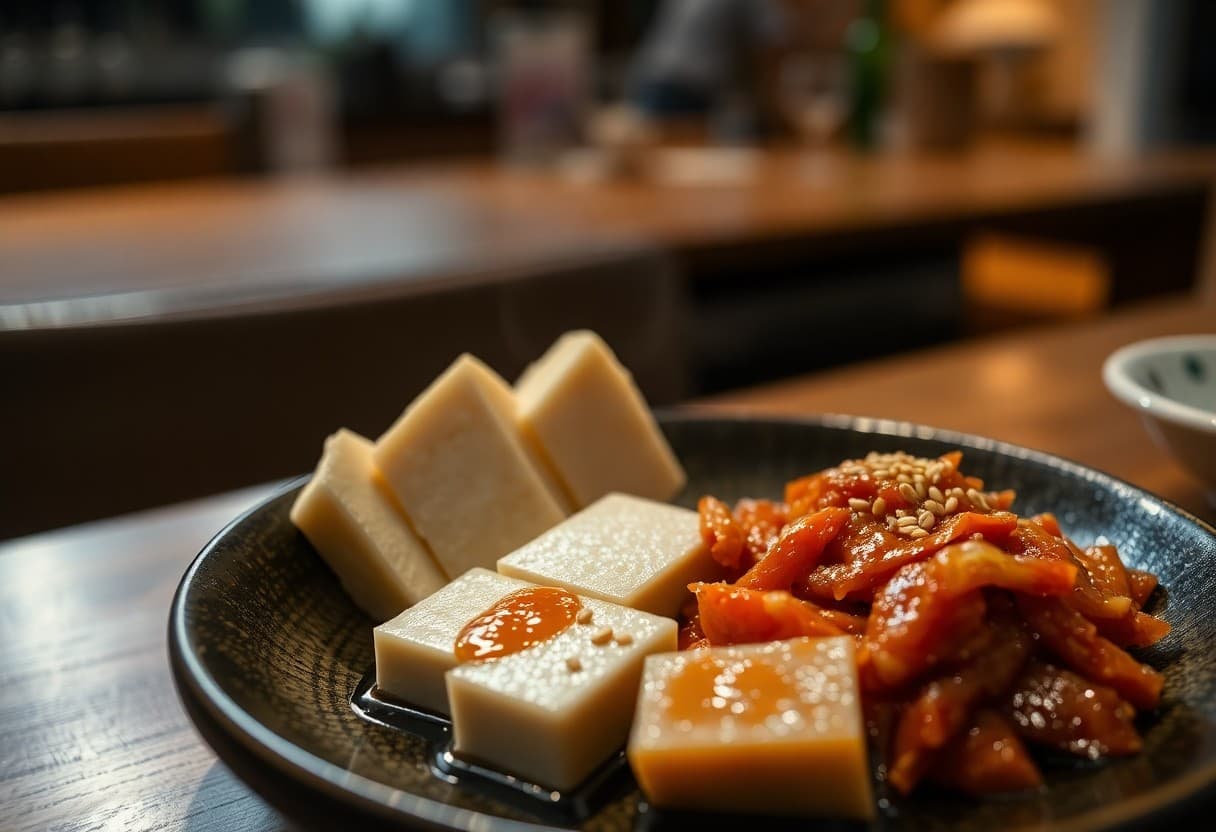
Tofu Kimchi Recipe: Quick Ways to Use Fridge Leftovers
Learn a simple Tofu Kimchi recipe to clear out your fridge. Discover freezer-friendly meal prep tips, common beginner mistakes, and quick cleanup hacks.
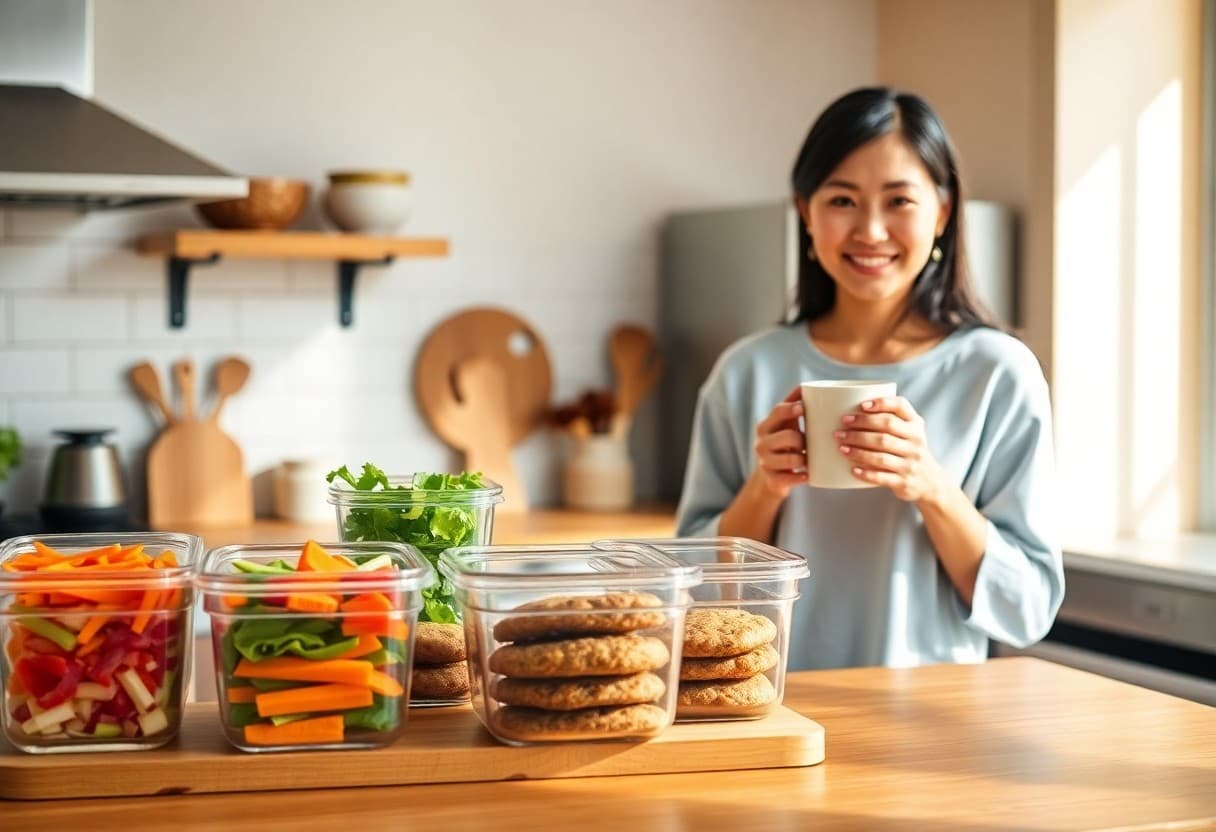
Vegetarian guest hosting recipes you can prep on weekends
Vegetarian guest hosting recipes made easy. Learn how to prep plant-based dishes on weekends, freeze them safely, and master smart ingredient substitutions.
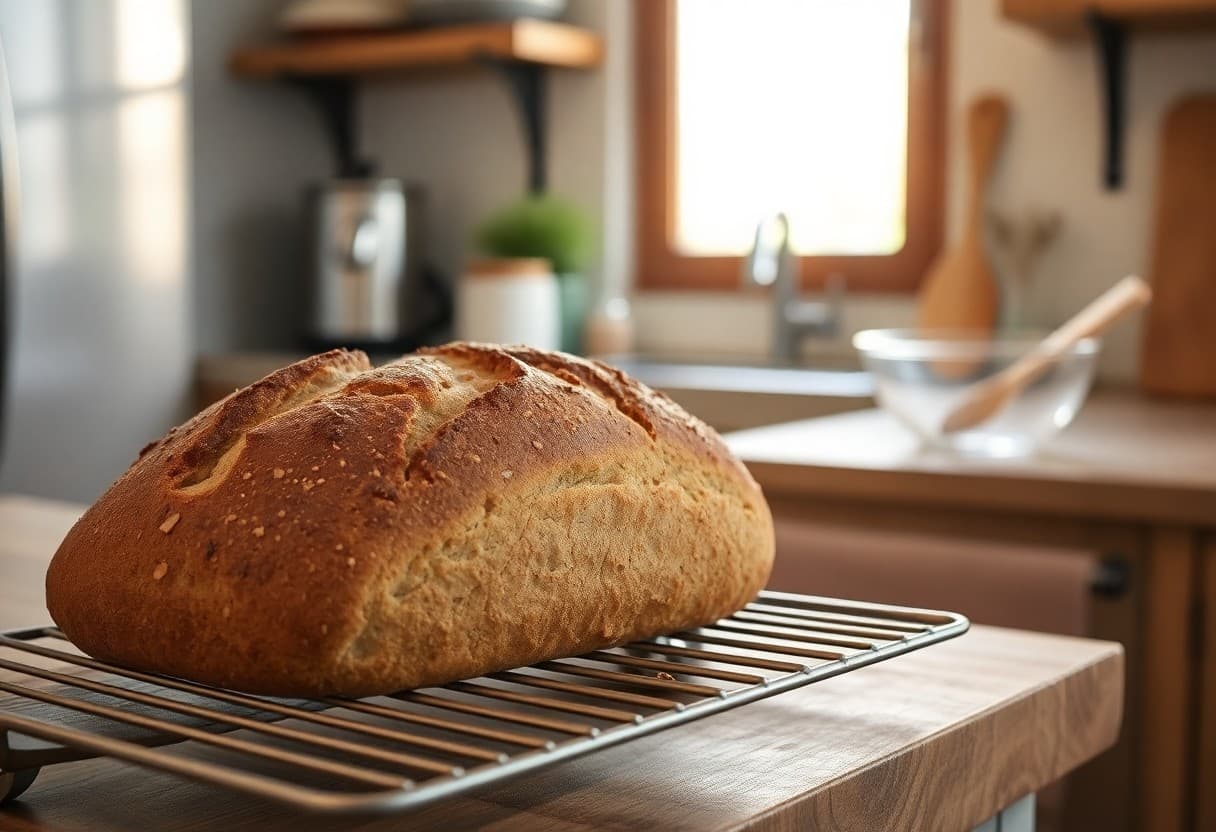
How to Bake Bread in a Small Kitchen with Minimal Cleanup
Learn how to bake homemade bread in a small kitchen with minimal cleanup. This guide covers no-knead methods, diet-friendly tips, and office lunch ideas.