Spicy Seafood Stew Recipe: Maximize Satiety and Perfect Texture
Key Takeaways
Learn how to make a healthy spicy seafood stew with a focus on high satiety, precise heat control, and the correct ingredient sequence for the best texture.
Spicy Seafood Stew Recipe: Maximize Satiety and Perfect Texture
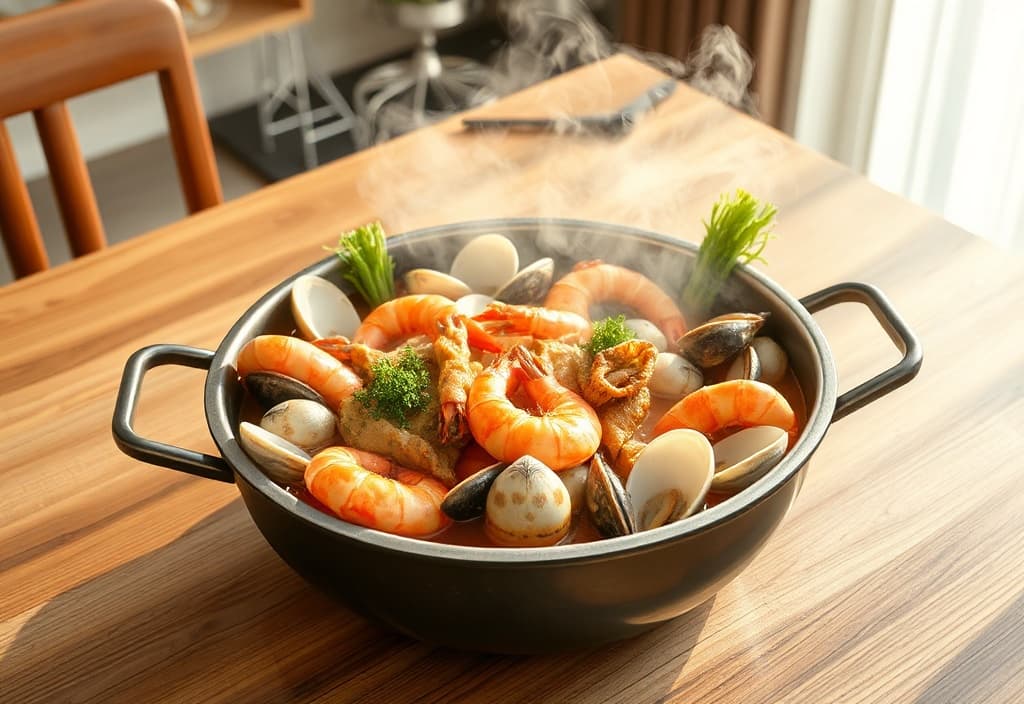
Most people assume that a rich, red seafood stew is a high-calorie indulgence that should be avoided during a weight-loss journey, but in practice, it is one of the most volume-dense and nutrient-efficient meals a person can prepare. When you shift the focus from heavy starches to high-fiber vegetables and lean proteins, this dish becomes a powerhouse for satiety. However, the difference between a professional-grade stew and a disappointing, rubbery mess lies in the technical execution of three specific pillars: vegetable volume, heat management, and the chronological order of ingredients.
This article provides general information regarding cooking and nutrition and is not intended as medical, dietary, or professional health advice. Please consult with a qualified nutritionist or healthcare provider before making significant changes to your diet, especially if you have shellfish allergies or sodium-related health concerns.
The Three Pillars of a Balanced Seafood Stew
To create a meal that satisfies a hungry family while adhering to a calorie-conscious lifestyle, you must master these three interconnected concepts:
Prioritizing high-volume, low-calorie vegetables to ensure fullness without excessive caloric intake.
Implementing strict heat control to prevent the delicate proteins in seafood from becoming tough and indigestible.
Following a precise ingredient sequence that respects the varying cooking times of radishes, aromatics, and different types of shellfish.
Maximizing Satiety Through High-Volume Vegetables
In my experience as a parent trying to keep the family full without relying on heavy pasta or rice, the secret lies in the radish and the bean sprouts. Most home cooks treat the vegetables as a garnish, but for a diet-friendly stew, they should make up at least 60 percent of the pot's volume.
Radishes are particularly effective because they are roughly 90 percent water and contain only about 15 to 20 calories per 100g. When sliced into 0.5cm thick squares, they absorb the savory essence of the seafood, acting like sponges that provide a satisfying 'bite' without the heavy carbohydrates. Specifically, for a family of four, I recommend using at least 400g of Korean radish (mu) and 300g of soybean sprouts.
Soybean sprouts (kongnamul) add a structural crunch that is often missing from diet foods. They are also rich in fiber, which slows down digestion and keeps you feeling full for longer. In practice, if you fill the bottom of your pot with these vegetables, you can reduce the amount of rice served on the side by half while still feeling completely satisfied at the end of the meal. This approach focuses on 'volume eating,' a strategy supported by various nutritional observations where the physical weight of food in the stomach triggers satiety signals more effectively than caloric density alone.
Mastering Heat Control to Protect Protein Integrity
One of the most common mistakes in making seafood stew is maintaining a rolling boil for the entire duration of the cooking process. Seafood proteins, such as those found in squid, shrimp, and clams, are highly sensitive to heat. Once the internal temperature of these proteins exceeds 60 to 70 degrees Celsius, the fibers begin to contract and squeeze out moisture.
If you boil a piece of squid for more than 5 minutes at a high temperature, it loses nearly 30 percent of its volume and becomes significantly harder to chew. This is a major issue for picky kids who might already be hesitant about the texture of seafood. To prevent this, you must transition the heat from a vigorous boil (for the broth and radish) to a gentle simmer (for the seafood).
For example, once the broth base is established and the radishes are translucent, you should drop the heat to medium-low. When the seafood is added, the temperature of the liquid will naturally drop. Do not immediately crank the heat back to maximum. Allow it to come back to a gentle bubble slowly. This 'poaching' effect ensures that the crab meat stays succulent and the shrimp remain tender. In my kitchen, I use a thermometer to ensure the broth stays around 90 degrees Celsius once the seafood is added, which is the 'sweet spot' for maintaining texture.
The Essential Sequence: Why Timing Is Everything
Most amateur recipes suggest throwing everything into the pot at once, but this is a recipe for disaster. Different ingredients require different durations to release their flavor or reach the perfect consistency.
The Foundational Stage (10–15 Minutes)
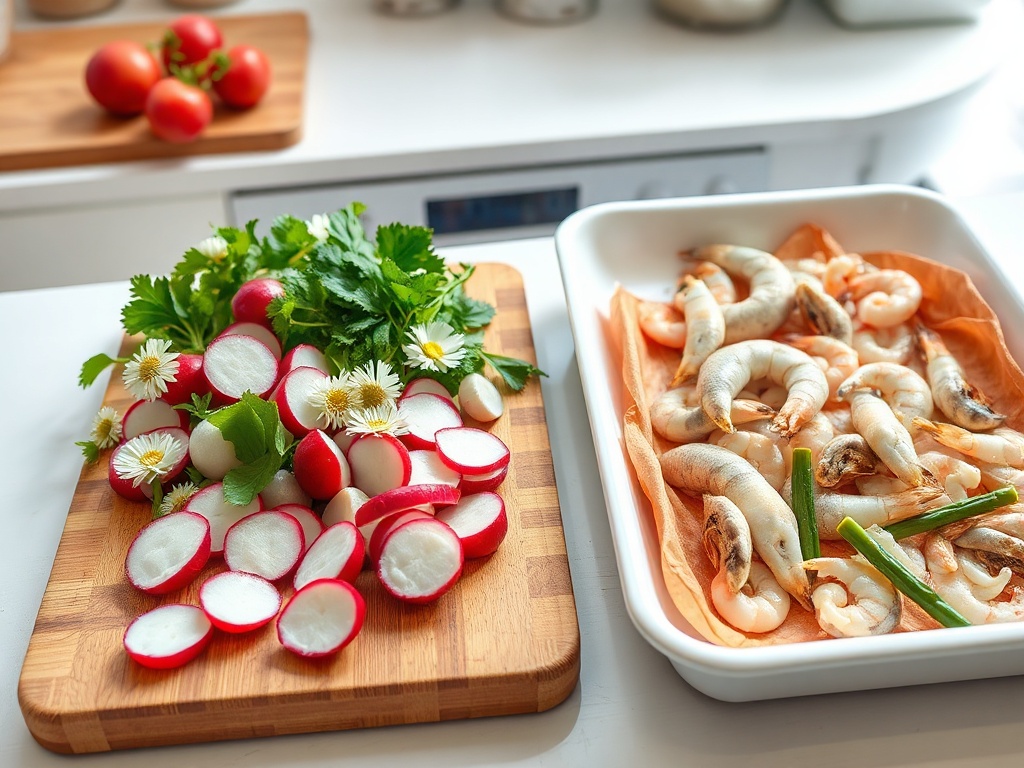
The first step must always be the radish and the dried anchovy/kelp stock. Radishes require a significant amount of time to soften and release their natural sweetness into the water. If you add them at the same time as the fish, the fish will be overcooked by the time the radish is edible. Boiling the radish for at least 10 minutes alone creates a deep, umami-rich base that reduces the need for heavy salt or artificial seasonings.
The Aromatic and Seafood Stage (3–5 Minutes)
Once the base is ready, it is time for the aromatics (garlic, ginger, and the seasoning paste) and the 'hard' seafood like crab or clams. These items need a few minutes to open up and flavor the soup. For instance, blue crabs should cook for about 5 to 7 minutes to ensure the meat is safe to eat and the shells have imparted their flavor to the broth.
The Finishing Stage (1–2 Minutes)
The final step involves the most delicate items: squid, shrimp, and green leafy vegetables like crown daisy (ssukgat) or green onions. These should only be in the pot for the final 60 to 120 seconds. In practice, the residual heat of the stew is often enough to finish cooking a thinly sliced squid. Overstaying this welcome by even 60 seconds can result in a loss of the delicate 'ocean' flavor and a transition to a rubbery texture that kids will likely reject.
Synthesis: How Volume, Heat, and Timing Work Together
When you combine these three points, you create a culinary synergy. The high-volume vegetables provide the physical bulk needed for satiety, the heat control ensures that the protein remains high-quality and palatable for everyone at the table, and the sequence ensures that every ingredient is cooked to its individual perfection.
For a family meal, this means you can serve a massive, steaming pot that looks indulgent but is actually very lean. By managing the timing, you also ensure that the broth doesn't become 'muddy' or overly salty from evaporation. The result is a clean, crisp, and spicy broth where the sweetness of the radish balances the heat of the peppers, and the seafood provides a satisfying, tender protein source. This balance is crucial for maintaining a diet long-term; if the food doesn't taste excellent, the 'diet' version of the meal will eventually be abandoned for less healthy alternatives.
Critical Caveats and When This Method May Fail
While this method is highly effective for most, there are specific scenarios where these recommendations might not apply or could lead to a sub-optimal result.
- Freshness Threshold: If your seafood is not fresh (e.g., it has a strong ammonia smell or the eyes of the fish are cloudy), no amount of heat control or timing will save the flavor. In fact, a long boil might be necessary for safety reasons if the provenance of the seafood is questionable, though this will ruin the texture.
- Sodium Sensitivity: Many traditional seasoning pastes (gochujang or doenjang) are very high in sodium. If you are managing hypertension, the 'satiety' gained from the soup might be offset by significant water retention. Always verify the sodium content of your specific paste brands.
- The 'Frozen Mix' Trap: If you use a pre-packaged frozen seafood mix that contains a high ratio of water-glazing, the 'sequence' becomes harder to manage as the excess water can dilute your broth instantly. You must adjust your seasoning levels after the seafood has released its water.
- Kid-Specific Palates: Even with perfect texture, some children find the visual of whole crabs or shrimp heads off-putting. In these cases, you may need to peel and de-shell the seafood before serving, which changes the 'satiety' experience as the meal is eaten faster.
Decision Criteria for the Home Cook
Before you start your stew, consider these two criteria to determine if this specific recipe is right for your current situation:
Time Availability: This method requires about 20 minutes of active prep (chopping vegetables and cleaning seafood) and 20 minutes of staged cooking. If you only have 10 minutes total, it is better to pause and choose a simpler meal rather than rushing the sequence and ending up with raw radish and rubbery shrimp.
Ingredient Access: Do you have access to high-quality, fresh radish? The radish is the backbone of the diet-friendly version. If you only have access to wilted or bitter radishes, the satiety-focused approach may fail because the broth will lack the necessary natural sweetness to offset the spice.
FAQ
Why does my seafood stew sometimes taste bitter even when I use fresh ingredients?
Bitterness usually stems from two sources: the guts of the dried anchovies used for the stock or overcooking the seafood. If you leave the black innards in large dried anchovies, they release a sharp bitterness after about 10 minutes of boiling. Additionally, some types of shellfish can release bitter compounds if they are boiled at a high temperature for too long. Always remove the anchovy guts before boiling and stick to the 5-minute rule for most delicate seafood.
Is it possible to make this stew without any added salt or soy sauce?
While you can rely on the natural salinity of the seafood, a completely salt-free stew often tastes flat, which might lead to dissatisfaction and 'snacking' later. To keep it diet-friendly, use a small amount of fish sauce or toasted salt to enhance the umami without skyrocketing the sodium. The goal is to use the natural flavors of the 400g of radish and 500g of seafood to carry the dish, using salt only as a minor enhancer rather than a primary flavor.
How do I know exactly when the clams or mussels are perfectly cooked?
Clams and mussels provide a built-in timer: they open their shells when they are done. However, the moment they open is the moment they should be removed from high heat. If they continue to boil for several minutes after opening, the meat inside will shrink and become tough. In a family setting, I often pull the pot off the stove as soon as the last clam opens, allowing the residual heat to finish the rest of the ingredients while we set the table.
Conclusion
Creating a high-quality spicy seafood stew requires a shift in perspective. By focusing on maximizing satiety through high-volume vegetables like radish and bean sprouts, maintaining strict heat control to preserve protein texture, and following a staged cooking sequence, you can enjoy a meal that is both physically filling and culinarily superior.
One specific action to take today: Before you start cooking, prep all your vegetables and seafood separately into three bowls based on the sequence (Base, Aromatics/Hard Seafood, and Delicate Seafood). This physical separation will prevent the temptation to 'dump and stir,' ensuring each ingredient is cooked for its optimal duration.
If you are unsure about the freshness of your seafood or your specific dietary requirements, verify with a local fishmonger or a qualified health professional before proceeding.
Previous
Korean Rice Soup Guide: How to Cook Gukbap at Home Fast
Next
Spicy Seafood Stew Recipe: Maximize Satiety and Perfect Texture
More in Recipes
Easy 5-Ingredient Pork Suyuk: The Ultimate High-Protein Diet Recipe
Discover a simple 5-ingredient Korean boiled pork (Suyuk) recipe that takes just 50 minutes. Perfect for a high-protein, low-calorie diet that keeps you full.
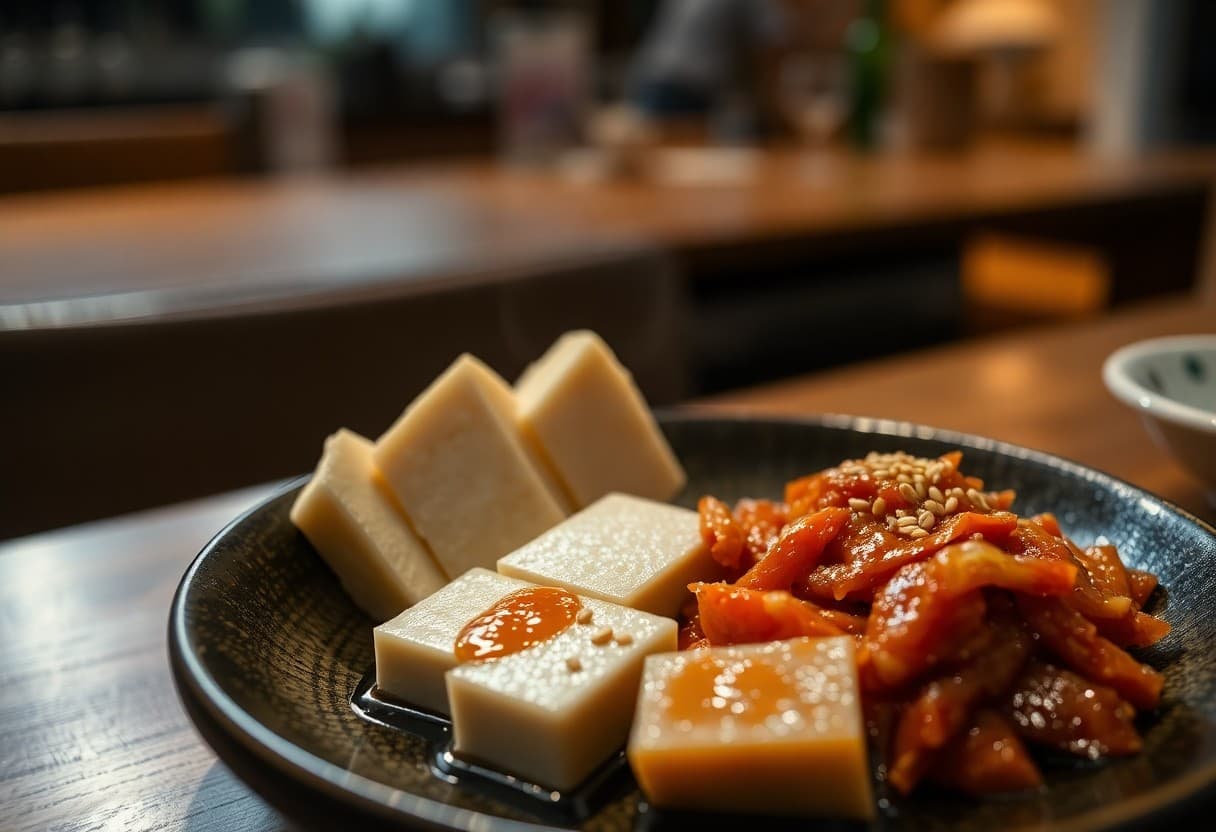
Tofu Kimchi Recipe: Quick Ways to Use Fridge Leftovers
Learn a simple Tofu Kimchi recipe to clear out your fridge. Discover freezer-friendly meal prep tips, common beginner mistakes, and quick cleanup hacks.
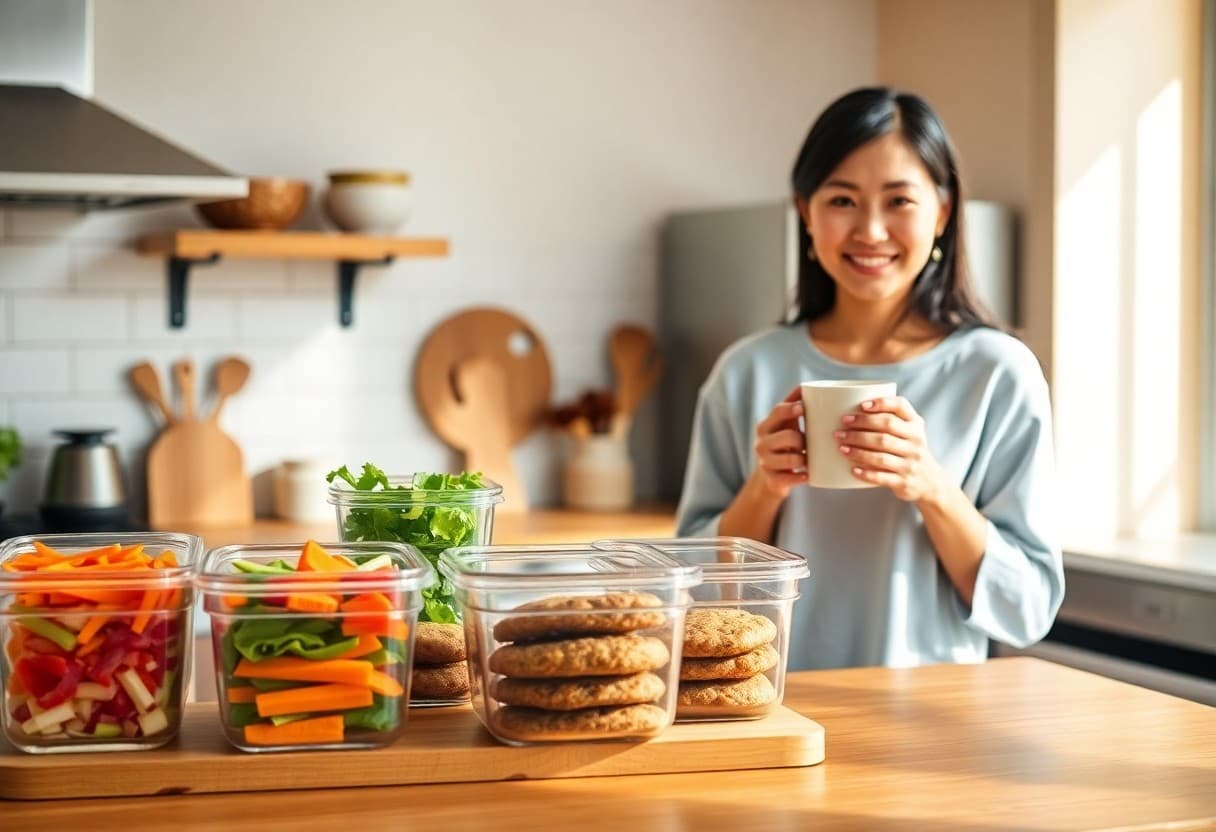
Vegetarian guest hosting recipes you can prep on weekends
Vegetarian guest hosting recipes made easy. Learn how to prep plant-based dishes on weekends, freeze them safely, and master smart ingredient substitutions.
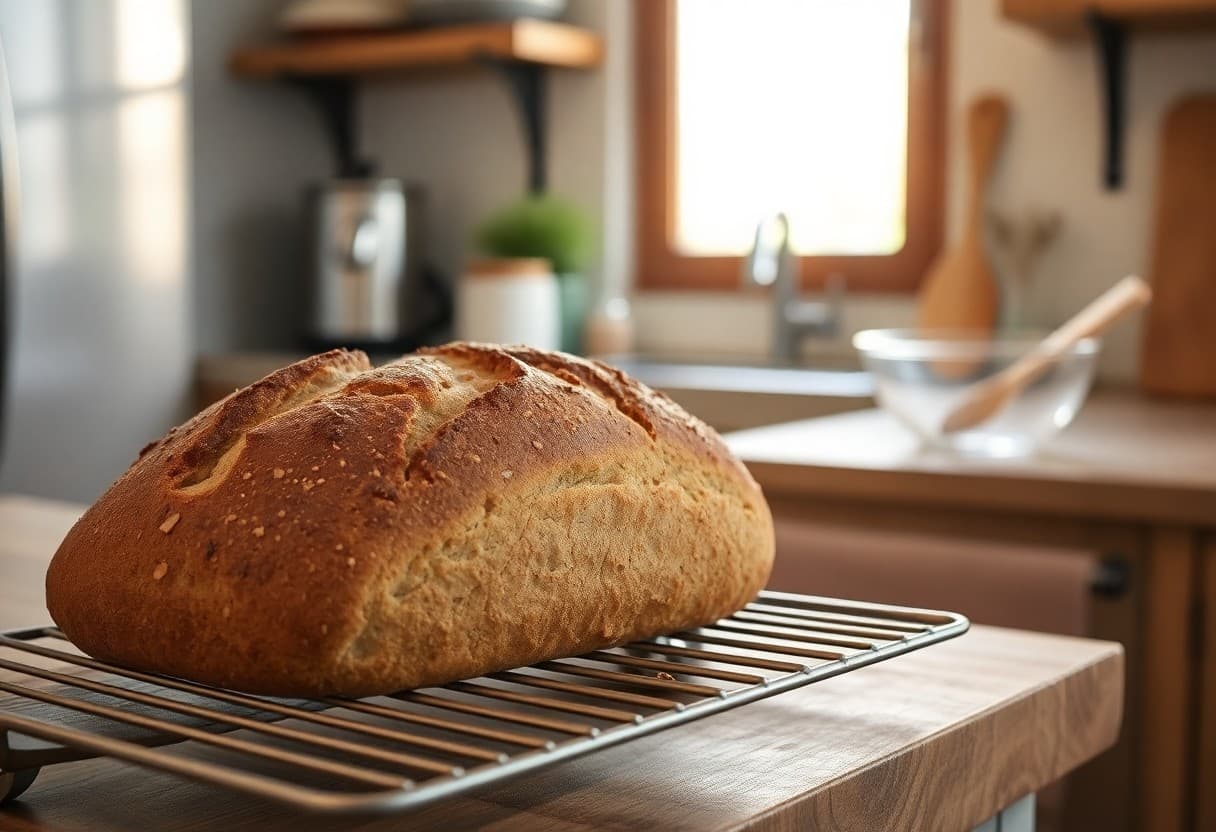
How to Bake Bread in a Small Kitchen with Minimal Cleanup
Learn how to bake homemade bread in a small kitchen with minimal cleanup. This guide covers no-knead methods, diet-friendly tips, and office lunch ideas.