Braised Pork with Kimchi Methods for Single Households
Key Takeaways
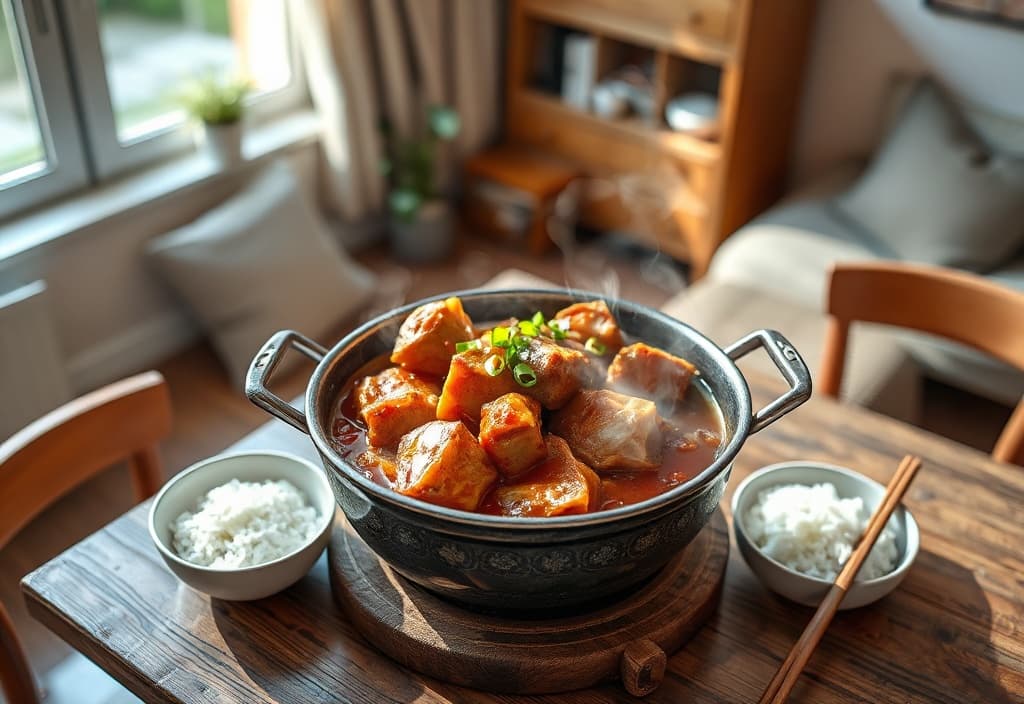
Learn how to make braised pork with kimchi effectively for one person. This guide compares three cooking methods based on time, flavor, and cleanup difficulty.
Braised Pork with Kimchi Methods for Single Households
7 out of 10 young adults living alone report that managing fresh ingredients is the most difficult part of home cooking. I found this statistic particularly relatable when I first started my journey into reducing meat consumption and focusing on vegetable-forward meals, as I often struggled with using up large quantities of fermented cabbage before it became too sour to eat raw. Braised pork with kimchi, known as Kimchi-jjim, is the ultimate solution for utilizing aged kimchi, but the traditional large-batch approach rarely fits the lifestyle of someone cooking for one.
Before proceeding with these recipes, please note that this article provides general culinary information only. It does not constitute nutritional or medical advice. If you have specific dietary restrictions or health conditions, please consult with a qualified nutritionist or healthcare provider.
Core Methods for Braised Pork with Kimchi
- The Traditional Stove-Top Method: This requires 60–90 minutes of simmering to achieve a melt-in-your-mouth texture for both the meat and the cabbage.
- The Rice Cooker Shortcut: A hands-off approach that takes 40–50 minutes and is ideal for those who want to avoid monitoring a flame.
- The Quick Skillet Version: A high-intensity method that delivers a meal in 20–25 minutes by using thinner cuts of meat.
How to Choose the Best Pork Cut for Braising
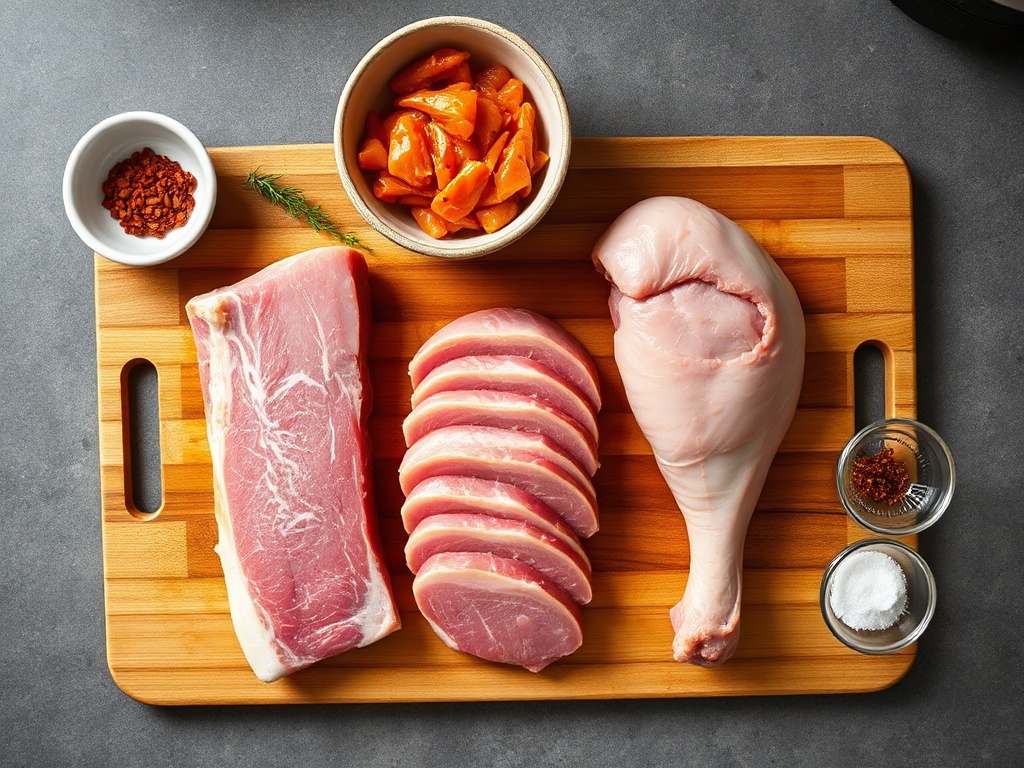
The success of this dish depends heavily on the fat-to-lean ratio of the meat you select. In my experience, using a lean cut like tenderloin is a mistake that leads to a dry, unpleasant meal. For a single serving, I recommend purchasing approximately 300g of pork. The most effective cuts are pork shoulder (boston butt) or pork belly.
Specifically, pork shoulder provides a balanced texture where the connective tissue breaks down over 60 minutes of cooking, creating a rich gravy. Pork belly, while higher in calories, offers a luxurious silkiness that coats the kimchi. If you are trying to be more health-conscious, you might choose a leaner cut but keep in mind that the cooking time must be strictly monitored to prevent toughening. In practice, I have found that 300g of meat paired with 400g of aged kimchi creates a balanced ratio for a single-person meal that can also provide leftovers for the following day.
When selecting meat, look for a fat cap that is at least 5mm thick. This fat renders into the kimchi, softening the cellulose in the cabbage leaves. If the meat is too lean, the kimchi will remain fibrous and crunchy rather than becoming tender and translucent.
Why the Age of Kimchi Matters More Than the Meat
You cannot make high-quality braised pork with fresh kimchi. The fermentation process produces lactic acid, which is essential for tenderizing the pork proteins. Ideally, your kimchi should be aged for at least 3–6 months in the refrigerator.
In scientific terms, you are looking for a pH level of around 4.2 to 4.
- If you do not have a pH meter, you can judge by the scent; it should have a sharp, vinegary tang. If your kimchi is too fresh, the dish will taste like a bland cabbage soup rather than a deep, savory braise. For example, if I only have fresh kimchi on hand, I usually wait another 2 weeks before attempting this recipe, as the depth of flavor simply cannot be faked with vinegar alone. Warning: Do not attempt to use kimchi that has developed a white film or an off-smell. While aged kimchi is sour, it should never smell like ammonia or mold. If you see fuzzy growth, discard the entire batch immediately to avoid foodborne illness.
The Traditional Stove-Top Method for Depth of Flavor
This method is for the person who has a slow Sunday afternoon and wants the highest quality result. It involves layering the ingredients to ensure even heat distribution.
Place 400g of aged kimchi at the bottom of a heavy-bottomed pot.
Place 300g of pork shoulder on top of the kimchi.
Add 500ml of water or a simple kelp broth.
Add 15g of minced garlic and 10g of sugar to balance the acidity.
Bring to a boil, then reduce heat to the lowest setting and simmer for 75 minutes. In my experience, the sugar is non-negotiable if your kimchi is very sour. It acts as a bridge between the saltiness of the fermented cabbage and the richness of the pork fat. A common mistake here is using too much liquid. You want the kimchi to braise, not boil. The liquid should just barely cover the ingredients at the start.
The Rice Cooker Shortcut for Single Households
If you live in a small apartment and want to minimize cooking smells and cleanup, the rice cooker is your best friend. Most modern rice cookers have a 'Multi-cook' or 'Steam' function that works perfectly for braising.
For this method, I recommend cutting the pork into 3cm cubes rather than leaving it in one large chunk. This ensures the meat cooks through within a standard 40-minute cycle. Simply layer the ingredients in the same order as the stove-top method, but reduce the water to 300ml, as rice cookers lose very little moisture through evaporation.
One critical caveat with this method is the potential for lingering smells. The silicone gasket of your rice cooker will likely absorb the scent of kimchi and garlic. In practice, I keep a separate gasket specifically for savory dishes to prevent my morning rice from smelling like fermented cabbage. If you only have one gasket, you will need to boil it with vinegar and baking soda for 15 minutes after cooking to deodorize it.
The Quick Skillet Version for Busy Weeknights
Sometimes you want the flavor of braised kimchi but only have 20 minutes before you need to leave the house. This version uses thinly sliced pork (like the kind used for stir-fry or shabu-shabu) to speed up the process.
Ingredients for the Quick Version
- 200g thinly sliced pork belly or shoulder
- 250g chopped aged kimchi
- 200ml water
- 5g sugar
- 1 green chili (optional) Because the meat is thin, it doesn't need 60 minutes to tenderize. You can sauté the kimchi and pork together for 5 minutes first to develop a caramelized flavor, then add the water and simmer for an additional 15 minutes. While the cabbage won't be as soft as the traditional version, it satisfies the craving efficiently.
When These Methods Might Fail
There are specific scenarios where following these instructions will still lead to a disappointing result.
- Insufficient Fermentation: As mentioned, fresh kimchi will not provide the necessary acidity. If you try to fix this by adding 30ml of white vinegar, the flavor profile will be one-dimensional and sharp rather than complex.
- Low Heat Retention: If you use a thin, cheap aluminum pot, the bottom will likely burn before the meat is tender. Use stainless steel with a heavy base or a ceramic pot if possible.
- Overcrowding: For single households, using a pot that is too large can cause the liquid to evaporate too quickly. Use a small 1-liter pot to ensure the ingredients remain submerged in the braising liquid.
Decision Criteria for Your Cooking Method
When deciding which method to use today, consider these two primary criteria:
1. Available Time vs. Desired Texture
If you want the meat to fall apart with a spoon, you must commit to the 75-minute stove-top method. There is no chemical shortcut for breaking down collagen in pork shoulder. If you only have 30 minutes, you must accept a chewier meat texture and use the skillet method.
2. Cleanup Tolerance
The rice cooker method offers the easiest cleanup for the pot itself, but it requires the most effort in terms of deodorizing the machine. The skillet method creates the most splatter on your stovetop, which may be a deterrent if you dislike cleaning greasy surfaces.
Critical Caveats and What Readers May Miss
One thing many beginners miss is the importance of 'resting' the dish. Just like a steak, braised kimchi tastes better after it has sat for 10–15 minutes. This allows the fibers of the meat to reabsorb some of the flavorful juices. If you eat it immediately out of the boiling pot, the meat may feel drier than it actually is.
Furthermore, be aware of the sodium content. Aged kimchi already contains a significant amount of salt. Do not add any extra salt or soy sauce until you have tasted the finished product at the end of the cooking time. As the water evaporates, the salt concentrates. I have ruined several meals by seasoning too early, only to find the final reduction inedible.
Synthesis of the Perfect Single-Person Braise
Cooking for one does not mean you have to settle for inferior flavor. The unifying insight across all these methods is the synergy between animal fat and vegetable acid. Whether you use a slow cooker, a rice cooker, or a skillet, the goal is to facilitate the transfer of flavor from the kimchi into the pork and the softening of the kimchi by the pork fat.
By adjusting the cut of meat and the cooking time, you can tailor this traditional Korean staple to fit your specific schedule and equipment. The most successful version I have made involved using a small ceramic pot on a low flame, which provided consistent heat and required minimal intervention.
Conclusion
To create a successful pork and kimchi braise, remember these three key points:
Use kimchi that has been aged for at least 3 months to ensure the proper acidity and depth of flavor.
Choose pork cuts with at least 15% fat content to prevent the meat from becoming dry and tough during the long simmer.
Match your cooking method to your timeline; use the stove-top for texture, the rice cooker for convenience, or the skillet for speed. Your action step for today: Open your refrigerator and check the age of your kimchi. If it has been sitting for more than 8 weeks and smells noticeably sour, you have the perfect base for a braise. Purchase 300g of pork shoulder this evening and try the stove-top method for a comforting, high-quality meal.
Previous
Kimchi Jjigae Golden Recipe: Ratios for the Perfect Korean Stew
Next
Braised Pork with Kimchi Methods for Single Households
More in Recipes

Easy 5-Ingredient Pork Suyuk: The Ultimate High-Protein Diet Recipe
Discover a simple 5-ingredient Korean boiled pork (Suyuk) recipe that takes just 50 minutes. Perfect for a high-protein, low-calorie diet that keeps you full.
Tofu Kimchi Recipe: Quick Ways to Use Fridge Leftovers
Learn a simple Tofu Kimchi recipe to clear out your fridge. Discover freezer-friendly meal prep tips, common beginner mistakes, and quick cleanup hacks.

Vegetarian guest hosting recipes you can prep on weekends
Vegetarian guest hosting recipes made easy. Learn how to prep plant-based dishes on weekends, freeze them safely, and master smart ingredient substitutions.

How to Bake Bread in a Small Kitchen with Minimal Cleanup
Learn how to bake homemade bread in a small kitchen with minimal cleanup. This guide covers no-knead methods, diet-friendly tips, and office lunch ideas.