Kimchi Jjigae Golden Recipe: Ratios for the Perfect Korean Stew

Key Takeaways
Master the Kimchi Jjigae golden recipe with precise ratios for aged kimchi, pork fat content, and simmering times. Perfect for newlyweds and home cooks.
Kimchi Jjigae Golden Recipe: Ratios for the Perfect Korean Stew
The short answer is that the golden recipe for Kimchi Jjigae requires kimchi with a pH level between 4.2 and 4.5 and a precise 1:2 ratio of pork to kimchi. Here's why. The success of this stew depends almost entirely on the chemical transformation of the cabbage during fermentation; without that specific acidity, the broth will taste like diluted salt water rather than a rich, savory stew. In my experience, attempting to make this dish with fresh kimchi results in a lack of depth that no amount of seasoning can truly fix.
This article provides general information regarding cooking techniques and ingredient selection. It is not intended as nutritional or medical advice. If you have specific dietary restrictions or health concerns, please consult a qualified nutritionist or healthcare provider.
What Makes the Fermentation Level So Critical?
According to research on lactic acid bacteria in Korean fermented foods, the optimal flavor profile for cooking kimchi occurs after 2 to 3 weeks of fermentation at standard refrigeration temperatures. At this stage, the lactic acid content is high enough to tenderize meat proteins and provide a sharp contrast to the fat. If you use kimchi that is only 3 or 4 days old, the sugars have not yet converted into acid, leaving the stew tasting flat and overly sweet.
In my experience, you can identify the right stage of fermentation by the translucency of the cabbage stems. When the white parts of the kimchi start to look slightly clear rather than opaque, it is ready for the pot. This acidity is what allows the broth to cut through the richness of the pork, creating a balanced palate. For newlyweds or those just starting to cook at home, relying on this 2 to 3 week window is the most reliable way to ensure a consistent result every time you cook.
Why is the Choice of Protein and Fat Content Important?
For a truly 'golden' result, I recommend using pork shoulder with a fat content of approximately 30 percent. While lean cuts like tenderloin might seem healthier, they lack the connective tissue and intramuscular fat necessary to create a velvety broth. The fat renders out during the initial sautéing phase, creating a flavorful base that coats the kimchi pieces. Specifically, using 300g of pork shoulder for 600g of kimchi provides the ideal balance of protein to vegetable.
If you prefer a lighter version, canned tuna is a common alternative. However, the methodology changes significantly. While pork requires a long simmer to break down the collagen, tuna is already cooked and can become tough if boiled for too long. In practice, this means adding tuna only in the last 5 minutes of cooking. Regardless of the protein, the goal is to achieve a harmony between the savory fat and the sour vegetable base.
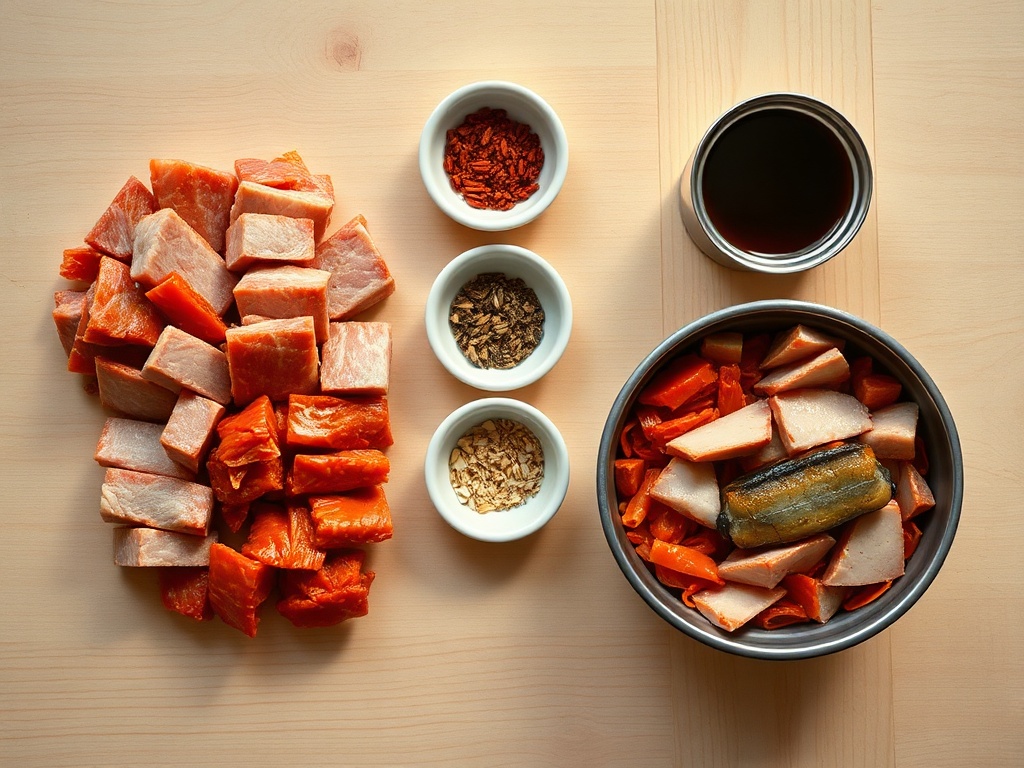
How Do Specific Ratios Affect the Final Flavor?
The most common mistake I see in intermediate kitchens is using too much water. A golden ratio is 1 part kimchi to 3 parts liquid by volume, but this must include the kimchi brine. For example, if you use 2 cups of chopped kimchi, you should use roughly 5 to 6 cups of liquid, including at least half a cup of the juice from the kimchi container. This juice contains the concentrated essence of the fermentation process and acts as the primary seasoning agent.
The Role of Rice Water
Using rice water (the water from rinsing rice) instead of plain water is a technique used in many professional kitchens. The starch in the rice water, specifically from the second or third rinse, acts as an emulsifier. It helps the oil from the pork and the water-based broth stay mixed rather than separating into greasy droplets on the surface. In my experience, using 100 percent rice water provides a much 'fuller' body to the soup than tap water ever could.
The Sautéing Step
Before adding any liquid, you must sauté the kimchi and pork together for at least 5 to 7 minutes. This step triggers the Maillard reaction, developing complex savory notes that boiling alone cannot achieve. Specifically, the sugars in the kimchi caramelize slightly, which rounds out the sharp vinegar notes of the fermentation. I find that skipping this step results in a stew that tastes 'raw' and disjointed.
When Should You Adjust the Seasoning?
One of the critical caveats of this recipe is that you should never add salt at the beginning. As the stew simmers for 15 to 20 minutes, the liquid reduces and the saltiness from the kimchi and its brine intensifies. I recommend tasting the broth only after it has simmered for at least 15 minutes. At that point, if it needs more depth, you can add 1 tablespoon of soy sauce or half a tablespoon of salted shrimp (saeu-jeot) for an authentic umami boost.
If the stew tastes too sour, which can happen with very old kimchi (aged 6 months or more), the solution is not more water, but a small amount of sugar. Adding 1 teaspoon of white sugar can neutralize the perceived acidity without making the dish sweet. This is a common professional trick to balance the flavor profile when the ingredients are highly volatile.
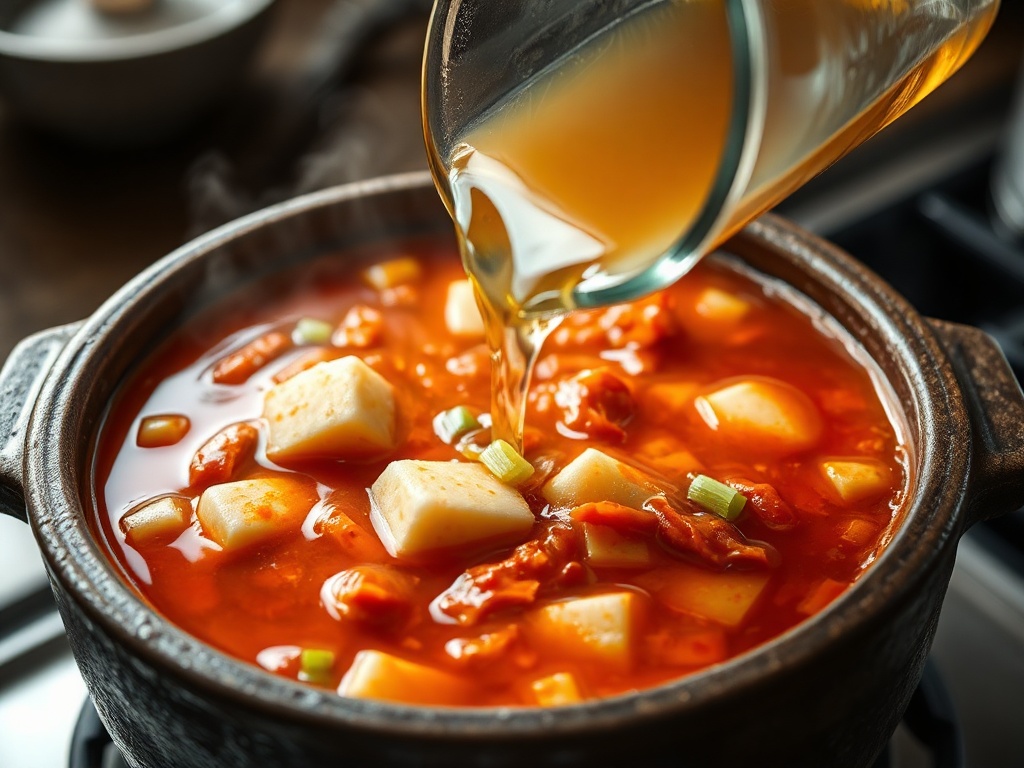
What are the Critical Caveats for Beginners?
There are several scenarios where the standard advice might fail. For instance, if you are using a high-sodium store-bought kimchi, the 1:3 liquid ratio might still result in a dish that is too salty. In this case, you must verify the saltiness of your base ingredient before you start. Always have extra rice water on hand to dilute the stew if the reduction happens too quickly over high heat.
When This Recipe is Not a Fit
- If you only have fresh, 'geotjeori' style kimchi: This recipe will not work because the cabbage will not soften properly and the broth will lack acidity.
- If you are using lean pork loin: The meat will become dry and chalky, and the broth will remain thin and watery.
- If you lack 30 minutes of time: This stew requires a minimum of 20 minutes of simmering to allow the flavors to meld; a quick 5-minute boil will result in a disjointed taste.
Criteria to Verify Success
To decide whether your stew is on the right track, use these two criteria:
Visual Consistency: The broth should be a deep, opaque orange-red, not a translucent watery pink. If it is too clear, you likely need more kimchi juice or a longer simmer.
Texture of the Cabbage: The kimchi should be soft enough to tear easily with chopsticks but not so soft that it turns into mush. This usually happens between the 15 and 20-minute mark of active simmering.
Summary and Next Steps
To achieve a high-quality Kimchi Jjigae at home, remember these three key pillars:
- Use aged kimchi: Ensure it is 2 to 3 weeks old with a translucent appearance in the stems.
- Respect the fat: Use pork shoulder with 30 percent fat and sauté it with the kimchi before adding liquid.
- Mind the ratio: Stick to a 1:2 ratio of pork to kimchi and a 1:3 ratio of kimchi to liquid (including rice water). Based on these principles, your specific action to take today is to check the age of the kimchi in your refrigerator. If it is still fresh and crunchy, move it from the refrigerator to a cool spot on your kitchen counter for 24 hours to accelerate the fermentation process before you attempt this recipe. If you already have aged kimchi, proceed with the sautéing step and verify the flavor only after a 15-minute simmer. If you are unsure about the acidity, pause and purchase a small bottle of apple cider vinegar to have as a backup balancing agent.
Previous
Authentic mung bean pancake tips for a perfect crispy finish
Next
Kimchi Jjigae Golden Recipe: Ratios for the Perfect Korean Stew
More in Recipes
Easy 5-Ingredient Pork Suyuk: The Ultimate High-Protein Diet Recipe
Discover a simple 5-ingredient Korean boiled pork (Suyuk) recipe that takes just 50 minutes. Perfect for a high-protein, low-calorie diet that keeps you full.
Tofu Kimchi Recipe: Quick Ways to Use Fridge Leftovers
Learn a simple Tofu Kimchi recipe to clear out your fridge. Discover freezer-friendly meal prep tips, common beginner mistakes, and quick cleanup hacks.

Vegetarian guest hosting recipes you can prep on weekends
Vegetarian guest hosting recipes made easy. Learn how to prep plant-based dishes on weekends, freeze them safely, and master smart ingredient substitutions.

How to Bake Bread in a Small Kitchen with Minimal Cleanup
Learn how to bake homemade bread in a small kitchen with minimal cleanup. This guide covers no-knead methods, diet-friendly tips, and office lunch ideas.