Pork Rib Seasoning Methods for Healthy Family Dinners
Key Takeaways
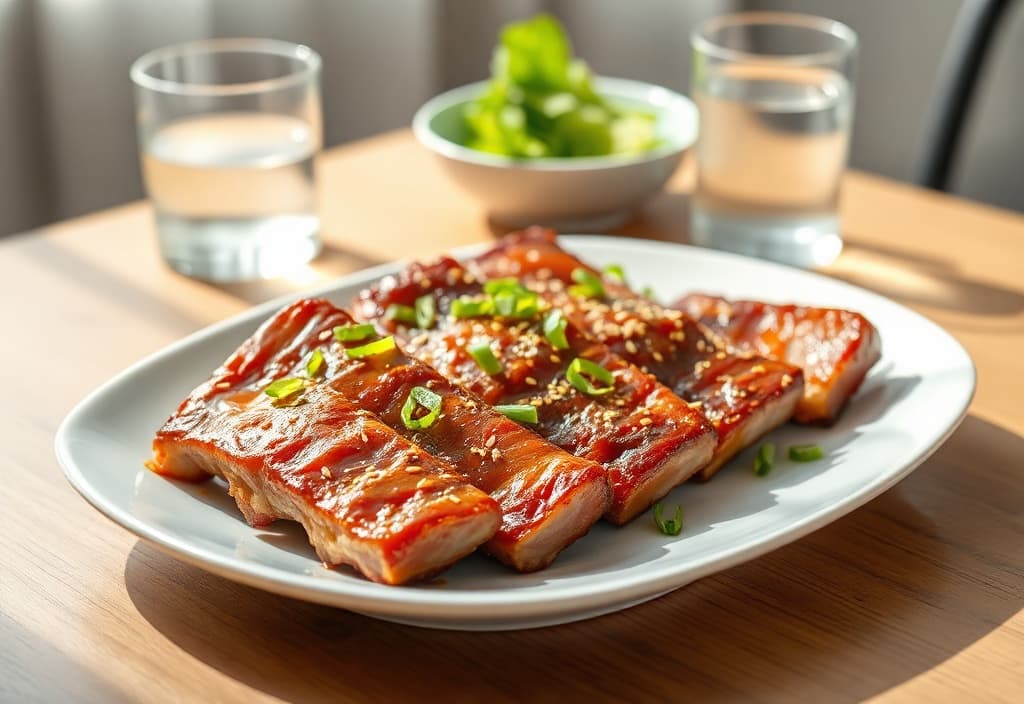
Master the art of pork rib seasoning with these healthy, low-sugar techniques. Learn how to balance flavor for kids while maintaining your fitness goals.
Pork Rib Seasoning Methods for Healthy Family Dinners
Have you ever sat down to a family dinner of succulent pork ribs, only to feel a wave of guilt as you realize the sticky glaze is essentially a concentrated syrup? It is a common dilemma for those of us trying to maintain a healthy lifestyle while feeding a household of picky eaters. We want the deep, savory-sweet profile of a traditional Korean-style pork rib (Galbi), but the standard commercial preparations are often loaded with hidden sugars and preservatives that do not align with a fitness-focused diet.
According to nutritional data from the USDA, a standard 100-gram serving of commercial pork rib marinade can contain upwards of 15 grams of added sugar. When you consider that a typical family meal might use 300 to 500 milliliters of sauce for a large batch of ribs, the caloric density increases significantly before the meat even hits the grill. For someone tracking their intake, this makes the seasoning the most dangerous part of the meal. By shifting our focus from high-calorie bottled sauces to a controlled, home-made seasoning method, we can reduce the sugar content by as much as 70% without sacrificing the flavor that kids crave.
This article provides general nutritional information only and is not intended as medical advice, diagnosis, or a personalized diet plan. Please consult a registered dietitian or healthcare provider before making significant changes to your diet or if you have specific underlying health conditions.
Why does commercial pork rib seasoning impact your diet?
The primary issue with store-bought pork rib seasoning is the reliance on high fructose corn syrup and sodium to create a shelf-stable, palatable product. In my experience, these ingredients are designed to trigger a craving response, which often leads to overeating. For a dieter, the glycemic load of a traditional rib dinner can lead to an insulin spike, followed by a crash that leaves you reaching for snacks later in the evening.
Furthermore, the sodium content in these pre-made mixes often exceeds 1,000 milligrams per serving. Excessive sodium leads to water retention, which can be discouraging when you are monitoring your weight on a scale. By making your own seasoning, you gain total control over the [low-sodium alternatives] and sweeteners used. This allows you to prioritize lean protein intake while keeping your metabolic goals on track.
How can you reduce sugar without losing traditional flavor?
The most difficult part of seasoning ribs for a family is getting the sweetness right. Kids often reject food that tastes too medicinal or earthy, which is a common complaint with some sugar substitutes. However, there are several ways to bridge the gap between a healthy diet and a kid-friendly palate.
Use natural fruit bases: Instead of white sugar, use 50 grams of grated onion and 50 grams of grated Asian pear. The pear provides natural sweetness and acts as a tenderizer.
Leverage Erythritol or Monk Fruit: These sweeteners have a zero-glycemic index. In my kitchen, I have found that a 1:1 ratio replacement works well, though you should be careful with the heat as they do not caramelize the same way as sugar.
Incorporate Allulose: This is a newer sweetener that behaves more like real sugar when heated, making it excellent for that slightly charred, sticky texture ribs are known for.
Increase the aromatics: By doubling the amount of minced garlic and ginger, you can distract the palate from the reduced sugar content. The pungency of 5 or 6 cloves of garlic provides a depth of flavor that masks the absence of heavy syrup. In practice, I have found that a blend of 70% sugar substitute and 30% natural fruit puree provides the most realistic flavor for children while keeping the calorie count low for the adults.
Essential Ingredients for a Lean Pork Rib Marinade
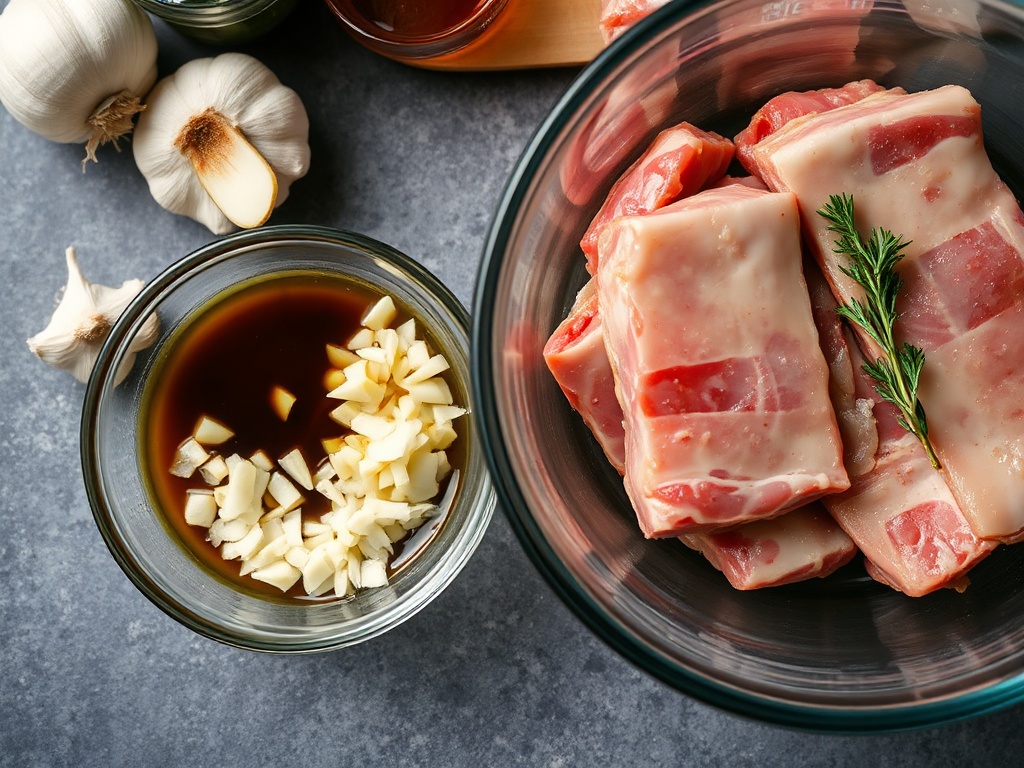
To create a successful seasoning that works for everyone, you need a balance of salty, sweet, acidic, and umami components. For a standard 1-kilogram batch of pork ribs, I recommend the following ratios to maintain a healthy profile:
- 100 milliliters of low-sodium soy sauce
- 2 tablespoons of erythritol or monk fruit sweetener
- 1 tablespoon of minced garlic (approximately 4–5 large cloves)
- 1 teaspoon of grated fresh ginger
- 2 tablespoons of unsweetened apple puree or grated Asian pear
- 1/2 teaspoon of black pepper
- 1 tablespoon of toasted sesame oil (added at the very end) Specifically, the use of fresh ginger is non-negotiable. It provides a heat that cuts through the fat of the pork, which is essential when you aren't using a heavy sugar glaze to coat the tongue. If you are looking for [healthy protein choices], ensure you are using back ribs rather than spare ribs, as they are generally leaner and easier to portion control.
Specific Steps to Prep and Season Your Ribs
The method of application is just as important as the ingredients themselves. If you simply pour the sauce over the meat and cook it immediately, the flavor will remain on the surface, and you will be tempted to add more sauce later.
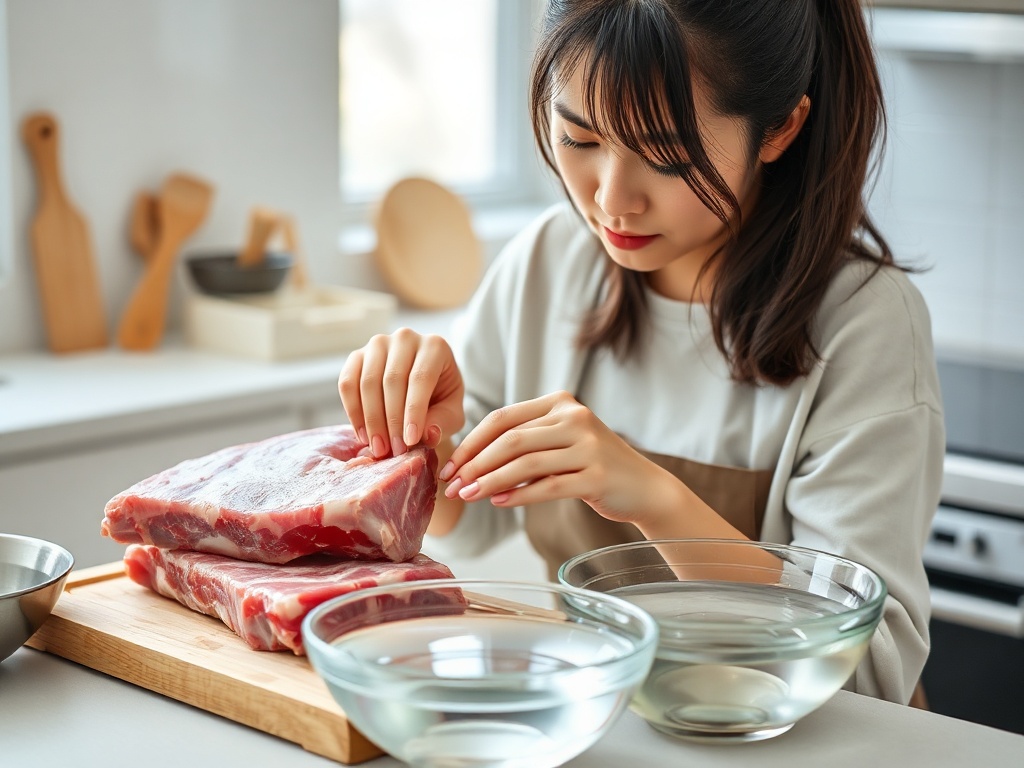
Step 1: The Cold Water Soak
Before adding any seasoning, soak your pork ribs in cold water for 30 to 60 minutes. This is a traditional technique used to remove excess blood and impurities, which results in a cleaner taste. In my experience, this step is crucial for picky eaters who might be sensitive to the gamey smell of pork.
Step 2: The Dry Rub and Wet Mix
Instead of a pure liquid marinade, try a two-stage seasoning. First, rub the meat with black pepper and a small amount of garlic powder. Then, whisk your liquid ingredients (soy sauce, sweetener, fruit puree) and pour them over the ribs. This ensure the base flavors are locked into the fibers of the meat.
Step 3: The 24-Hour Marination
Place the ribs in a vacuum-sealed bag or a tightly covered glass container. Let them sit in the refrigerator for at least 12 hours, but ideally 24 hours. The acidity in the fruit puree will slowly break down the tough connective tissues, making the ribs tender without the need for heavy oils or fats.
Critical Caveats: When Low-Calorie Seasoning Might Fail
While healthy seasoning is great for your waistline, there are specific scenarios where this advice might not apply or may require adjustment. It is important to be realistic about the limitations of diet-friendly cooking.
- Lack of Caramelization: Sugar substitutes like erythritol do not undergo the Maillard reaction in the same way as cane sugar. If you are looking for that dark, crispy, burnt-sugar edge, you will likely be disappointed. To compensate, you may need to use a kitchen torch or a high-heat broiler setting for the last 2 minutes of cooking.
- Texture Changes: If you use too much fruit puree (like pineapple or kiwi), the enzymes will over-tenderize the meat. I once left ribs in a pineapple-based marinade for 48 hours, and the meat became almost paste-like. Stick to the 2-tablespoon limit for every 1 kilogram of meat.
- Kid Rejection: If your children are used to the hyper-sweet taste of restaurant ribs, a 100% sugar-free version might be too big of a jump. In this case, I suggest a transitional approach: use 1 tablespoon of real honey alongside the sugar substitutes to maintain a familiar mouthfeel.
- Salt Sensitivity: Low-sodium soy sauce is essential for health, but it has a different flavor profile. You may find you need to add a splash of rice vinegar (about 1 tablespoon) to brighten the flavors that the salt usually carries.
Decision Criteria for Choosing Your Seasoning Method
When deciding how to season your ribs this week, consider these two main criteria to ensure success for your specific family situation:
1. Time Availability vs. Flavor Depth
If you have 24 hours to spare, a low-sugar wet marinade is the superior choice. The long soak allows the flavors to penetrate deeply. However, if you are short on time (less than 2 hours), a wet marinade will likely slide off, leaving the meat bland. In a time-crunch, a dry rub using paprika, garlic powder, and a granulated sweetener is more effective because it creates an instant crust upon contact with heat.
2. Family Risk Tolerance
Consider how sensitive your family is to changes in flavor. If you have a very picky child, your risk tolerance for using 100% monk fruit is low. In this scenario, your criteria should be 'gradual reduction' rather than 'total elimination.' Start by replacing only 50% of the sugar. If you are cooking only for yourself and are strictly monitoring macros, your risk tolerance is high, and you can opt for the most aggressive low-calorie substitutions.
What readers may miss about pork rib health
One thing many dieters overlook is the role of the cooking method in conjunction with the seasoning. You can have the healthiest seasoning in the world, but if you deep-fry the ribs or cook them in excessive lard, the caloric benefits are negated. For the best results, I recommend steaming the ribs for 40 minutes to render out the internal fat before applying the final layer of seasoning and finishing them in an air fryer or oven at 180 degrees Celsius (350 degrees Fahrenheit).
Additionally, pay attention to the internal temperature. Pork ribs are safe at 63 degrees Celsius (145 degrees Fahrenheit), but for the tender texture most people prefer, they need to reach an internal temperature of 88 to 93 degrees Celsius (190–200 degrees Fahrenheit). This allows the collagen to melt, which provides a rich mouthfeel even without the fatty, sugary sauces.
Conclusion and Next Steps
Seasoning pork ribs effectively while dieting requires a balance of science and flavor management. By controlling the ingredients, you can enjoy a traditional family favorite without compromising your health goals. Remember these three key points:
- Replace commercial sauces with a home-made blend of low-sodium soy sauce and sugar substitutes to reduce calories by up to 70%.
- Use natural enzymes from Asian pears or onions to tenderize the meat without adding fats.
- Allow for a 12–24 hour marination period to ensure the flavor penetrates the meat fibers deeply. Your specific action to take today: Check your pantry for any commercial BBQ or rib sauces and read the nutrition label. If sugar is listed as one of the first three ingredients, set it aside and commit to making a small batch of the low-sugar marinade described above for your next family meal. Before proceeding with a full rack of ribs, you may want to verify the taste of your sugar substitute in a small microwave-safe bowl with a teaspoon of soy sauce to ensure you enjoy the flavor profile before applying it to expensive cuts of meat. If the flavor seems too chemical, pause and add a small amount of natural fruit puree to balance it out.
Previous
Vegetarian Lunch Box Planning: How to Prep One Week of Meals
Next
Pork Rib Seasoning Methods for Healthy Family Dinners
More in Recipes
Easy 5-Ingredient Pork Suyuk: The Ultimate High-Protein Diet Recipe
Discover a simple 5-ingredient Korean boiled pork (Suyuk) recipe that takes just 50 minutes. Perfect for a high-protein, low-calorie diet that keeps you full.
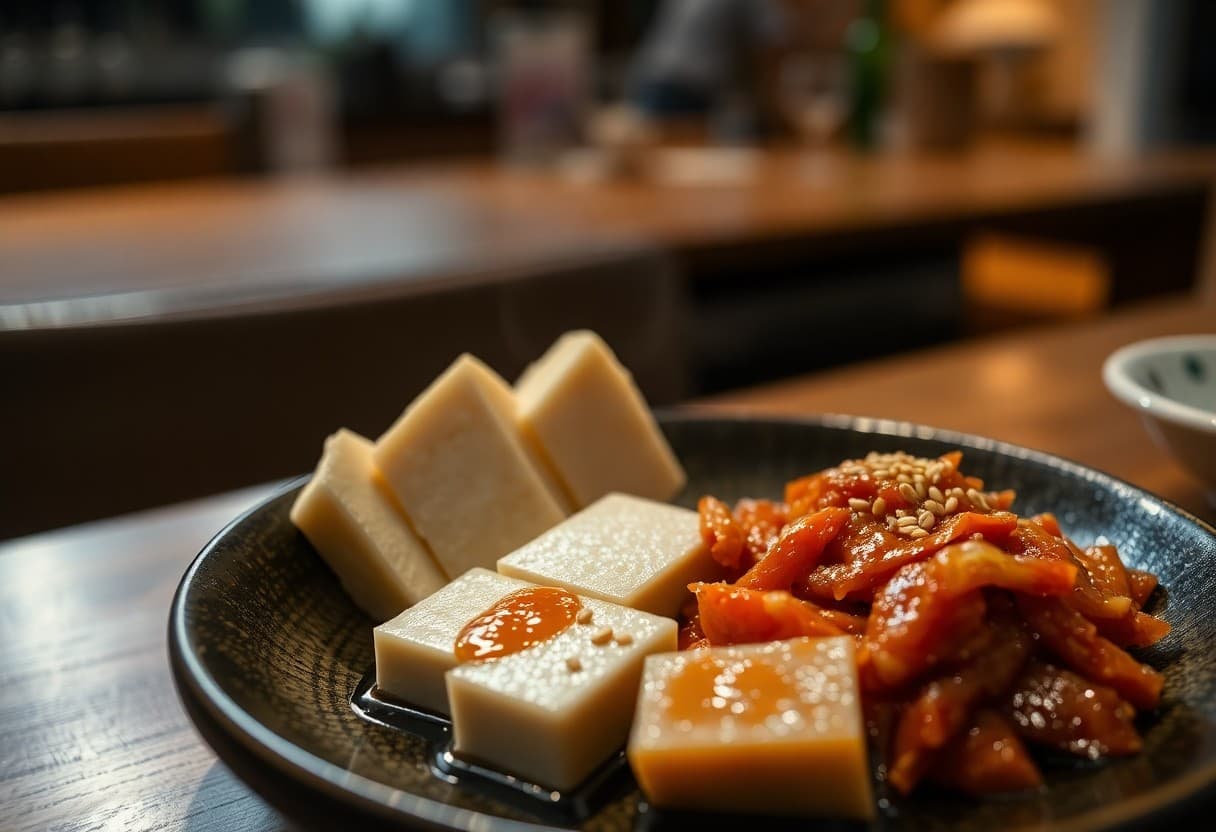
Tofu Kimchi Recipe: Quick Ways to Use Fridge Leftovers
Learn a simple Tofu Kimchi recipe to clear out your fridge. Discover freezer-friendly meal prep tips, common beginner mistakes, and quick cleanup hacks.

Vegetarian guest hosting recipes you can prep on weekends
Vegetarian guest hosting recipes made easy. Learn how to prep plant-based dishes on weekends, freeze them safely, and master smart ingredient substitutions.

How to Bake Bread in a Small Kitchen with Minimal Cleanup
Learn how to bake homemade bread in a small kitchen with minimal cleanup. This guide covers no-knead methods, diet-friendly tips, and office lunch ideas.