Vegetarian Sujebi: Mastering Plant-Based Hand-Pulled Noodle Soup

Key Takeaways
Discover how to create rich, plant-based sujebi (Korean hand-pulled noodle soup). Learn ingredient substitutions and essential tips for a satisfying vegetarian meal.
Vegetarian Sujebi: Mastering Plant-Based Hand-Pulled Noodle Soup
According to a 2023 survey by the Vegetarian Resource Group, approximately 5-6% of the US adult population identifies as vegetarian, a number that has been steadily increasing for over two decades. This growing interest in plant-based eating has spurred me to transform many beloved traditional dishes, and Korean hand-pulled noodle soup, or sujebi, felt like a formidable but rewarding challenge.
Over the past two years, as I've committed to reducing my meat consumption, I've experimented with countless plant-based recipes. Some have been genuinely delightful, surprising me with their depth of flavor, while others, I'll admit, have been quite disappointing. My journey has taught me that vegetable-forward cooking doesn't have to be bland or merely a substitute; it can be vibrant and satisfying in its own right, provided you approach it with intention and a willingness to explore. Sujebi, with its comforting broth and chewy hand-pulled dough, presented a unique opportunity to apply these lessons. The traditional version often relies heavily on anchovy broth for its signature umami, a key element I was determined to replicate without any animal products. This guide outlines the essential components and my personal strategies for creating a deeply flavorful, genuinely satisfying vegetarian sujebi:
- Crafting the Perfect Plant-Based Broth: The Umami Foundation
- The Dough: Simple Ingredients, Essential Technique
- Beyond the Basics: Creative Vegetable Additions for Hearty Sujebi
- Achieving Balance: Mastering Seasoning and Finishing Touches
- Troubleshooting Common Vegetarian Sujebi Challenges
Crafting the Perfect Plant-Based Broth: The Umami Foundation
The broth is, without a doubt, the heart and soul of any sujebi. In traditional Korean cooking, a clear anchovy broth (myeolchi yuksu) is the standard base, providing a distinct savory depth. Replicating this umami without animal products was my biggest hurdle, but I've found a combination that truly shines. My experience has shown that a multi-pronged approach to umami is far more effective than relying on a single ingredient.
What are the Best Ingredients for a Vegetarian Sujebi Broth?
The foundation of a robust vegetarian sujebi broth relies on a careful selection of dried and fresh ingredients. Here's what I've found to be most effective:
- Dried Shiitake Mushrooms: These are non-negotiable. Dried shiitake mushrooms offer an incredibly rich, earthy umami that fresh ones simply can't match. I typically use 5-7 medium-sized dried shiitake mushrooms for a broth sufficient for 4 servings.
- Kombu (Dried Kelp): A staple in East Asian broths, kombu provides a clean, oceanic umami. It's crucial not to over-simmer kombu, as it can turn slimy and bitter. My rule of thumb is to remove it after 15-20 minutes of simmering, well before other ingredients.
- Dried Radish Greens (Siraegi): While optional, adding a small handful of dried radish greens, if you can find them, brings another layer of earthy, slightly pungent flavor that complements the mushrooms beautifully.
- Aromatics: A whole onion (halved), a few cloves of garlic (smashed), and a piece of ginger (about 2-3 cm, sliced) are essential for building a fragrant base.
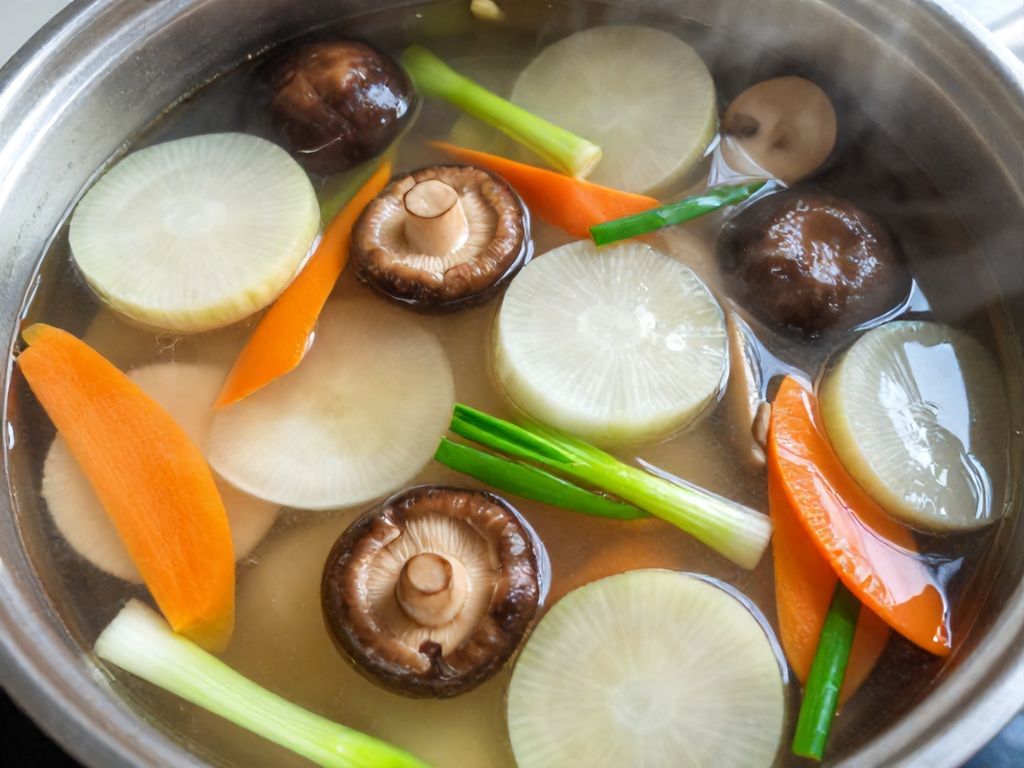
- Root Vegetables: A small piece of daikon radish or even a few slices of carrot can add a subtle sweetness and body to the broth. To prepare the broth, I combine all these ingredients (except the kombu, which goes in later) with approximately 8 cups (about 2 liters) of water in a large pot. I bring it to a boil, then immediately reduce the heat to a gentle simmer, covering the pot. After 15 minutes, I add the kombu. I continue to simmer the broth for a total of 45-60 minutes, ensuring all the flavors have ample time to meld. A common mistake I've made in the past is rushing this step; a truly flavorful broth needs time. Once done, strain the broth thoroughly, pressing down on the solids to extract every last drop of goodness. You should be left with a clear, golden liquid brimming with savory depth.
The Dough: Simple Ingredients, Essential Technique
The beauty of sujebi dough lies in its simplicity: just flour, water, and a pinch of salt. Yet, achieving that perfectly chewy, tender texture requires a bit of technique and patience. I've had my share of tough, rubbery doughs, and overly sticky, unmanageable ones, so I can attest to the importance of hydration and rest.
How Can I Make the Best Sujebi Dough for Chewy Noodles?
The secret to chewy, soft hand-pulled noodles is a well-hydrated, thoroughly rested dough. Here's my approach:
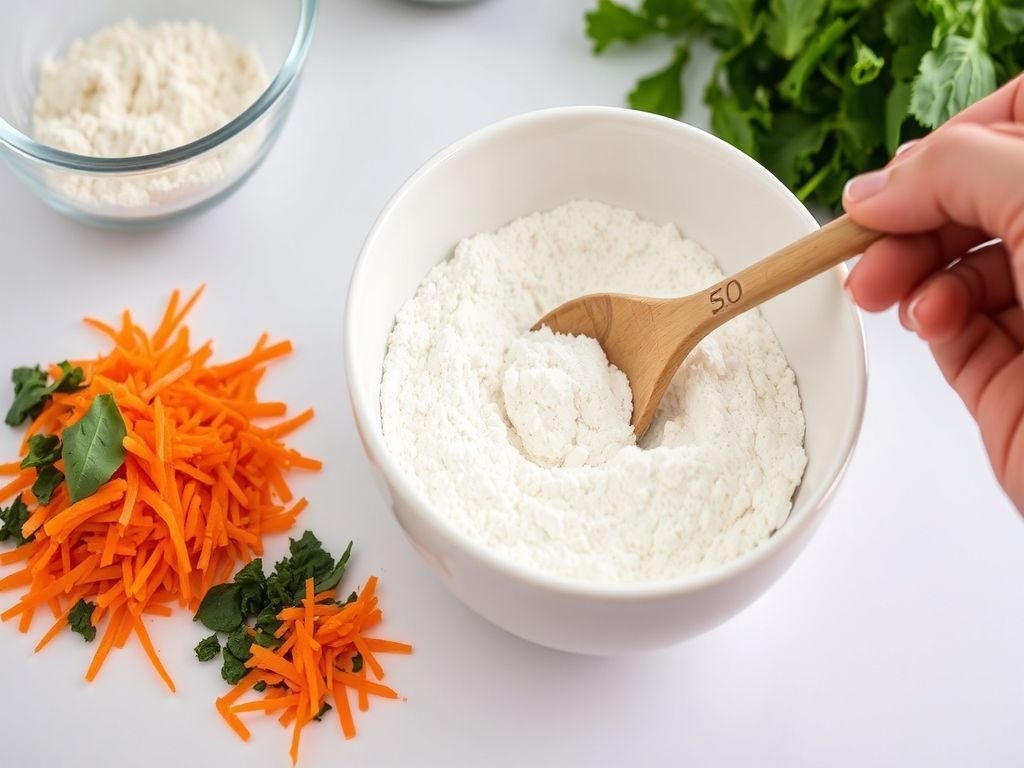
Ingredients: You'll need 2 cups (about 240g) of all-purpose flour, approximately 2/3 cup (about 160ml) of cold water, and 1/2 teaspoon of fine sea salt.
Mixing: In a large bowl, combine the flour and salt. Gradually add the cold water, starting with about 1/2 cup, mixing with your hands until a shaggy dough forms. I then add the remaining water in small increments, about 1 tablespoon at a time, until the dough just comes together. The exact amount of water can vary slightly depending on your flour and humidity, so trust your intuition; it should be firm but not dry, slightly sticky but manageable.
Kneading: Turn the dough out onto a clean surface and knead it for about 5-7 minutes. This isn't about developing strong gluten like bread dough, but rather about bringing it together smoothly. The dough should become less sticky and more elastic. A warning here: over-kneading can lead to a tough texture, so stop once it feels smooth and pliable.
Resting: This is perhaps the most critical step. Lightly oil your hands, coat the dough ball, and place it back in the bowl. Cover it tightly with plastic film or a damp cloth and let it rest at room temperature for at least 30 minutes, or ideally, for 1-2 hours. The resting period allows the gluten to relax, making the dough much easier to pull and resulting in a more tender, chewy noodle.
Pulling the Dough: When you're ready to cook, divide the dough into 2-3 smaller portions. Take one portion, flatten it slightly, and begin to tear off small, thin, irregular pieces directly into the simmering broth. The thinner you pull them, the better the texture. Don't worry about perfect shapes; the rustic nature is part of sujebi's charm. For example, I aim for pieces roughly 2-3 cm in diameter and thin enough to be somewhat translucent at the edges.
Beyond the Basics: Creative Vegetable Additions for Hearty Sujebi
Traditional sujebi often features potatoes, zucchini, and perhaps some green onions. While these are delicious, vegetarian sujebi offers an incredible canvas for a wider array of vegetables, transforming the dish into a truly hearty and nutritious meal. My goal is always to add texture, color, and additional layers of flavor.
Here are some of my favorite additions, organized by their contribution:
- For Substance and Starch:
- Potatoes: Small, waxy potatoes (like Yukon Gold or red potatoes), cut into 1.5 cm cubes, are classic. Add them early in the cooking process so they have time to soften.
- Sweet Potatoes: For a touch of sweetness and vibrant color, diced sweet potatoes work wonderfully. They also provide a different textural contrast.
- For Freshness and Color:
- Zucchini: Sliced thinly into half-moons or julienned, zucchini adds a mild, fresh taste and tender texture. Add it towards the end to avoid overcooking.
- Mushrooms: Beyond the shiitake in the broth, fresh king oyster mushrooms (sliced), enoki, or oyster mushrooms can be added for extra texture and umami. Specifically, I love the meaty texture of king oyster mushrooms.
- Leafy Greens: Spinach, napa cabbage, or even bok choy can be stirred in during the last 2-3 minutes of cooking until just wilted. They add a fresh, slightly bitter counterpoint.
- For Pungency and Depth:
- Kimchi: A small amount of well-fermented kimchi, chopped, can be a game-changer. It adds a tangy, spicy kick and another layer of umami. Add it with the vegetables if you want it cooked down, or stir it in at the very end for a fresher crunch.
- Onions/Scallions: Thinly sliced yellow onion or plenty of green onions (scallions), added towards the end, brighten the flavor. When adding vegetables, consider their cooking times. Harder vegetables like potatoes and carrots should go in first, followed by softer ones like zucchini and mushrooms, and finally leafy greens. A good sequence I often follow is: potatoes first for 10 minutes, then kimchi and onions for 5 minutes, followed by zucchini and fresh mushrooms, then the pulled dough, and finally the leafy greens for the last 2-3 minutes.
Achieving Balance: Mastering Seasoning and Finishing Touches
Even with a rich broth and an array of vegetables, vegetarian sujebi can sometimes taste a little 'flat' if not seasoned correctly. This is where my experience with numerous plant-based dishes has really come into play. It's not just about adding salt; it's about building layers of flavor that complement the vegetables and mimic the complexity traditionally found in meat-based broths.
Here are the key elements I use to season and finish my vegetarian sujebi:
Soy Sauce: Start with a good quality Korean soy sauce. This adds saltiness and a fundamental layer of umami. I typically add 1-2 tablespoons for a 4-serving batch, tasting as I go. Don't add too much initially, as the kimchi (if used) will also contribute salt.
Garlic: Freshly minced garlic, added towards the end of cooking, provides a pungent kick that brightens the entire dish. About 1 tablespoon is usually sufficient, but I sometimes add more if I'm feeling bold.
Gochugaru (Korean Chili Powder): For a gentle warmth and a beautiful red hue, gochugaru is essential. I usually add 1-2 teaspoons, depending on my desired spice level. It's less about intense heat and more about a pleasant, lingering warmth. A warning: if you add too much too early, it can make the broth cloudy.
Black Pepper: Freshly ground black pepper adds a sharp, aromatic finish. A few generous cracks are perfect.
Toasted Sesame Oil: A drizzle of toasted sesame oil right before serving is a must. It imparts a nutty aroma and a luxurious mouthfeel that truly elevates the dish. About 1 teaspoon per serving is usually enough.
Salt (to taste): After adding all the other seasonings, taste the broth and adjust the salt level. Remember, it's easier to add more salt than to fix an overly salty dish. For example, after the dough and vegetables have cooked for about 5 minutes, I'll add the soy sauce, minced garlic, and gochugaru. I let it simmer for another 2-3 minutes, then taste. At this point, I decide if it needs more salt, pepper, or maybe a tiny splash more soy sauce. Just before serving, a generous sprinkle of chopped green onions and a drizzle of sesame oil complete the masterpiece.
Troubleshooting Common Vegetarian Sujebi Challenges
Making sujebi, especially a plant-based version, can come with its own set of minor frustrations. I've encountered many of them in my own kitchen. Here are some common issues and my practical solutions, based on trial and error:
Why is My Sujebi Broth Lacking Flavor?
This is perhaps the most frequent complaint I hear, and one I've personally experienced. A bland broth is often due to insufficient simmering time or an imbalance of umami-rich ingredients. My solution:
- Simmer Longer: Don't rush the broth. Allow at least 45 minutes, up to an hour, for the dried shiitake, aromatics, and other vegetables to release their full flavor. Specifically, I found that anything less than 40 minutes results in a noticeably weaker broth.
- Double Down on Umami: If your broth feels weak, consider adding a small amount of vegetarian 'fish sauce' (made from fermented pineapple or soy) or a touch of miso paste (dissolved in a small amount of hot broth before adding to the pot) at the end. These can provide a concentrated umami boost without altering the core flavor profile too much.
- Season Aggressively (but wisely): Plant-based broths often require more seasoning than their meat-based counterparts. Don't be shy with soy sauce, garlic, and even a pinch of sugar to balance the flavors. Always taste and adjust.
Why is My Sujebi Dough Tough or Gummy?
A tough or gummy dough can ruin the entire experience. This usually stems from two main culprits:
- Over-kneading: Unlike bread, sujebi dough doesn't need extensive kneading. Knead only until it's smooth and elastic, about 5-7 minutes. Overworking it develops too much gluten, making it rubbery.
- Insufficient Resting: This is crucial. The 30-minute to 2-hour rest period allows the gluten to relax, resulting in a tender, chewy texture. If you try to pull dough that hasn't rested enough, it will be stiff and spring back, leading to thick, tough noodles. In my early attempts, I often skipped the full rest, and the difference in texture was stark.
- Too Thick: When pulling, aim for thin, irregular pieces. Thicker pieces will be denser and harder to cook through evenly, resulting in a gummy center. Practice makes perfect here.
My Vegetarian Sujebi Looks Dull or Lacks Visual Appeal. What Can I Do?
Visual appeal is part of the dining experience! If your sujebi looks a bit monochromatic, consider these additions:
- Bright Greens: Always finish with a generous sprinkle of fresh green onions or chives. A handful of fresh spinach or baby bok choy wilted in during the last minute also adds vibrant color.
- Red Accents: A small amount of gochugaru (Korean chili powder) adds a lovely reddish tint to the broth. If you like heat, a few slivers of fresh red chili can be used as a garnish.
- Garnish: Toasted sesame seeds, a swirl of toasted sesame oil, or even a few thin slices of pan-fried tofu can add visual interest and texture to the top of your bowl. Specifically, I've found that a light sprinkle of finely chopped cilantro can also add a fresh, unexpected pop of green and aroma.
The Unifying Insight: Patience and Playfulness in Plant-Based Cooking
My journey with vegetarian sujebi, much like my broader experience with reducing meat, has been a testament to the power of patience and playful experimentation. It's easy to get discouraged when a recipe doesn't turn out perfectly the first time, especially when you're trying to adapt traditional dishes. I've certainly had my share of bland broths and tough noodles.
However, what I've learned is that each attempt, each substitution, and each adjustment brings you closer to understanding the ingredients and the process. The true unifying insight is that plant-based cooking isn't about rigid adherence to a recipe as much as it is about understanding flavor profiles and how to build them from the ground up. It's about being willing to try a new mushroom, experiment with a different spice, or simply let that broth simmer for an extra 20 minutes.
Ultimately, making vegetarian sujebi is a rewarding experience that proves vegetable-forward cooking can be deeply satisfying and full of flavor. The key takeaway points are:
Broth is Paramount: Invest time in a layered, umami-rich plant-based broth using dried shiitake and kombu.
Dough Demands Rest: Give your dough ample resting time (1-2 hours) for that perfect chewy-tender texture.
Embrace Vegetable Diversity: Don't limit yourself; incorporate a wide array of vegetables for substance, flavor, and visual appeal. My specific action for you today: next time you're planning a meal, choose one traditional dish you love and challenge yourself to find a plant-based ingredient that can replicate its core flavor. Start small, be patient, and most importantly, have fun with the process. You might just discover your new favorite way to eat.
Previous
Seasonal Vegetable Cooking Tips for Flavor and Health
Next
Vegetarian Sujebi: Mastering Plant-Based Hand-Pulled Noodle Soup
More in Recipes

Easy 5-Ingredient Pork Suyuk: The Ultimate High-Protein Diet Recipe
Discover a simple 5-ingredient Korean boiled pork (Suyuk) recipe that takes just 50 minutes. Perfect for a high-protein, low-calorie diet that keeps you full.
Tofu Kimchi Recipe: Quick Ways to Use Fridge Leftovers
Learn a simple Tofu Kimchi recipe to clear out your fridge. Discover freezer-friendly meal prep tips, common beginner mistakes, and quick cleanup hacks.

Vegetarian guest hosting recipes you can prep on weekends
Vegetarian guest hosting recipes made easy. Learn how to prep plant-based dishes on weekends, freeze them safely, and master smart ingredient substitutions.

How to Bake Bread in a Small Kitchen with Minimal Cleanup
Learn how to bake homemade bread in a small kitchen with minimal cleanup. This guide covers no-knead methods, diet-friendly tips, and office lunch ideas.