Simple Breakfast Recipes: Efficient Ideas for Busy Beginners
Key Takeaways
Simple breakfast recipes for beginners. Compare cold assembly, warm pan methods, and batch prepping to find the best morning routine for your picky family.
Simple Breakfast Recipes: Efficient Ideas for Busy Beginners
31 out of 100 American adults skip breakfast on a regular basis according to data from the NPD Group. This statistic makes me feel a sense of shared exhaustion because I know exactly how difficult it is to balance a morning commute, school drop-offs, and the nutritional needs of a family. In my experience, the failure to eat in the morning usually stems from a lack of a clear system rather than a lack of hunger. When you are staring at a cold refrigerator at 6:30 AM with two picky children tugging at your sleeve, even the most basic task feels like a culinary mountain. Finding simple breakfast recipes that satisfy both a toddler who hates 'green things' and an adult who needs actual flavor is a constant balancing act.
To simplify your morning, we can categorize breakfast strategies into three distinct approaches: the 5-minute cold assembly, the 10-minute warm pan method, and the weekly batch-prep routine. Each of these methods serves a different type of morning schedule and requires a different level of kitchen engagement. This guide is intended for general informational purposes and does not constitute professional nutritional or medical advice. Please consult with a healthcare provider regarding specific dietary restrictions or health conditions.
Why do simple breakfast recipes fail for beginners?
Most beginners fail not because the recipes are hard, but because they do not account for the 'morning friction' of cleaning and prep. A recipe might say it takes 5 minutes, but if it requires four bowls and a blender, the actual time commitment is 20 minutes when you include the cleanup. In my household, I have observed that if a meal takes more than 12 minutes to prepare from start to finish, the likelihood of us actually eating it drops by half.
Another common hurdle is the seasoning gap. Adults often crave acidity, heat, or complex spices, whereas children often have a biological preference for bland or sweet flavors. Trying to cook two separate meals is the fastest way to burnout. The solution lies in 'modular cooking,' where the base is neutral and the toppings provide the customization. For example, a plain oatmeal base can be topped with cinnamon and honey for a child, while the adult version gets toasted walnuts, sea salt, and a dash of almond butter.
Critical Caveats for Beginners
- Equipment Reliability: If your toaster is uneven or your non-stick pan is peeling, these recipes will fail. Ensure your tools are in working order before attempting a 10-minute window.
- Ingredient Readiness: Simple recipes rely on high-quality basics. If your bread is stale or your eggs are three weeks old, the flavor will suffer significantly.
- Picky Eater Logic: Sometimes a recipe is perfect, but the color or texture is 'wrong' for a child. Always have a backup like a simple piece of fruit.
The Cold Assembly: Efficiency for the Time-Crunched
The cold assembly method is the gold standard for mornings when you have zero time for heat. This method relies on the 'layering' principle. According to personal estimates, a well-organized cold assembly takes exactly 4 minutes to prepare and requires only one bowl per person. The most effective example of this is the Greek Yogurt Parfait.
To make a successful parfait, you need 150 grams of plain Greek yogurt. I avoid the pre-sweetened versions because they often contain up to 15 grams of added sugar per serving, which leads to a mid-morning energy crash for my kids. Instead, I add 10 milliliters of honey or maple syrup.
- Step 1: Place the yogurt in a bowl.
- Step 2: Add 30 grams of granola for crunch.
- Step 3: Add 50 grams of fresh berries (blueberries or sliced strawberries).
- Step 4: Sprinkle with 5 grams of chia seeds or flax seeds for added fiber. In practice, this recipe works because it offers a variety of textures: creamy, crunchy, and juicy. However, it may fail if you use 'quick-soak' granola that turns to mush within 2 minutes. If your children are sensitive to textures, keep the granola in a separate container and let them add it themselves right before eating. This gives them a sense of control over their meal, which often reduces resistance.
The Warm Pan: Balancing Adult Palates and Picky Eaters
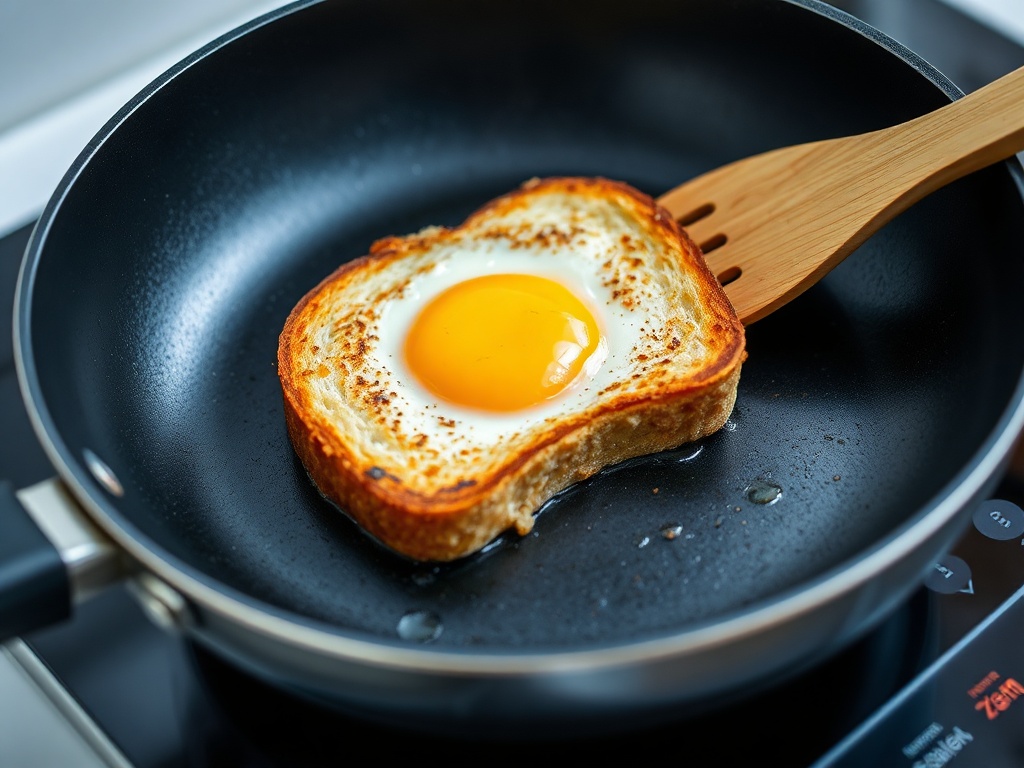
When you have at least 10 minutes, the warm pan method offers a level of comfort that cold food cannot match. The 3-egg omelet is the most versatile tool in a beginner's repertoire. Experts suggest that 25 grams of protein in the morning is the threshold for true satiety, and eggs are the most cost-effective way to reach that goal.
For a family-friendly omelet, use 3 large eggs and 15 milliliters of whole milk. The milk provides a buffer against overcooking, which is a common mistake for beginners.
- Step 1: Whisk the eggs and milk until no streaks of white remain.
- Step 2: Heat a 20-centimeter non-stick pan over medium-low heat with 5 grams of butter.
- Step 3: Pour the eggs in and let them sit for 30 seconds before gently pushing the edges toward the center.
- Step 4: When the top is still slightly wet, add 20 grams of shredded cheddar cheese. Specifically, the challenge here is the 'filling' debate. I usually cook 50 grams of spinach and mushrooms in a separate small pan or in the same pan before the eggs. I keep the vegetables on the side for the kids but fold them into my own omelet. This way, I am not picking mushrooms out of a toddler's plate while my own food gets cold. A common mistake is using a pan that is too large; if the egg layer is too thin, it will dry out in seconds and become rubbery.
Batch Preparation: The Strategy for Stress-Free Mornings
Batch prepping is the only way I survive weeks where every morning starts before 6:00 AM. This involves spending 45 minutes on a Sunday to prepare meals for the next 3 to 5 days. The most reliable batch-prep recipe is the Baked Egg Muffin. These are essentially mini-frittatas cooked in a muffin tin.
To make a dozen, you will need 10 eggs, 60 milliliters of milk, and whatever leftover vegetables or meats you have in the fridge. Bake them at 190 degrees Celsius for 18 to 20 minutes. Once cooled, they can be stored in the refrigerator for up to 4 days or frozen for a month.
Benefits of Batch Prepping
- Consistency: You know exactly what you are eating every morning.
- Portion Control: Each muffin is roughly 70 to 90 calories, making it easy to track intake.
- Portability: These can be eaten with one hand while driving or walking to the bus stop. In my experience, the downside of batch prepping is 'flavor fatigue.' Eating the same egg muffin four days in a row can be boring. To combat this, I make two different varieties in the same tray: six with ham and cheese, and six with bell peppers and onions. This provides just enough variety to keep the family interested.
How to Choose the Right Morning Method?
Choosing between these simple breakfast recipes depends on two primary decision criteria: your available time and your household's sensory tolerances.
Decision Criterion 1: Time Availability
If you have less than 5 minutes before you must leave the house, the cold assembly is your only viable option. Attempting to fry an egg when you are already late leads to burnt food and a messy kitchen that you will have to deal with when you return home. If you have 15 minutes, the warm pan method provides a mental 'reset' that can make the rest of your day feel more grounded.
Decision Criterion 2: Family Context and Risk Tolerance
If you have extremely picky eaters, batch prepping is actually a high-risk strategy. If you spend an hour making 12 muffins and your child decides they hate eggs that day, you have wasted significant time and resources. In high-risk households, the cold assembly is safer because it is modular. You can swap yogurt for milk or blueberries for bananas in seconds without ruining a whole batch of food.
Synthesis: Integrating the Three Methods
The most successful breakfast routines do not rely on just one of these methods. Instead, they blend them based on the day of the week. For instance, I might batch-prep overnight oats on Sunday for Monday and Tuesday (the busiest days). On Wednesday and Thursday, when the oats are gone, I switch to a 5-minute cold assembly of toast and nut butter. On Friday or Saturday, when the schedule is lighter, I bring out the warm pan for omelets or pancakes.
This hybrid approach prevents burnout and ensures that you are prepared for the unexpected. If a child wakes up late, you can pivot from a planned omelet to a quick yogurt bowl without any stress. The goal of simple breakfast recipes is to provide a framework, not a rigid set of rules that you must follow perfectly every day.
What readers may miss: The hydration factor
One thing many beginners overlook is that breakfast is not just about solid food. After 7 to 8 hours of sleep, the body is naturally dehydrated. I have found that if I serve a small glass of water (about 150 milliliters) before the meal, my kids are actually more receptive to eating. Sometimes what we perceive as 'crankiness' or 'picky eating' is actually just thirst. Additionally, many simple recipes like oatmeal or cereal can be quite dry, so ensuring there is a beverage component is essential for a comfortable meal.
When this advice may not apply
These recipes assume a standard kitchen setup with a functioning stove and refrigerator. If you are traveling, living in a dorm, or dealing with significant food allergies (such as a severe egg or dairy allergy), these specific recipes will need heavy modification. For those with severe allergies, always verify ingredients with official manufacturer labels, as 'simple' processed goods like granola often share equipment with nuts or wheat.
Frequently Asked Questions
How can I make simple breakfast recipes more filling without adding more food?
The key to satiety is the combination of fiber and healthy fats. Instead of just having a piece of toast, add half an avocado or a tablespoon of almond butter. The fat slows down digestion, meaning the energy from the carbohydrates is released more slowly into your bloodstream. This prevents the 'shaky' feeling that often happens two hours after eating a high-sugar breakfast like flavored cereal or pastries.
What is the safest way to store leftover breakfast items?
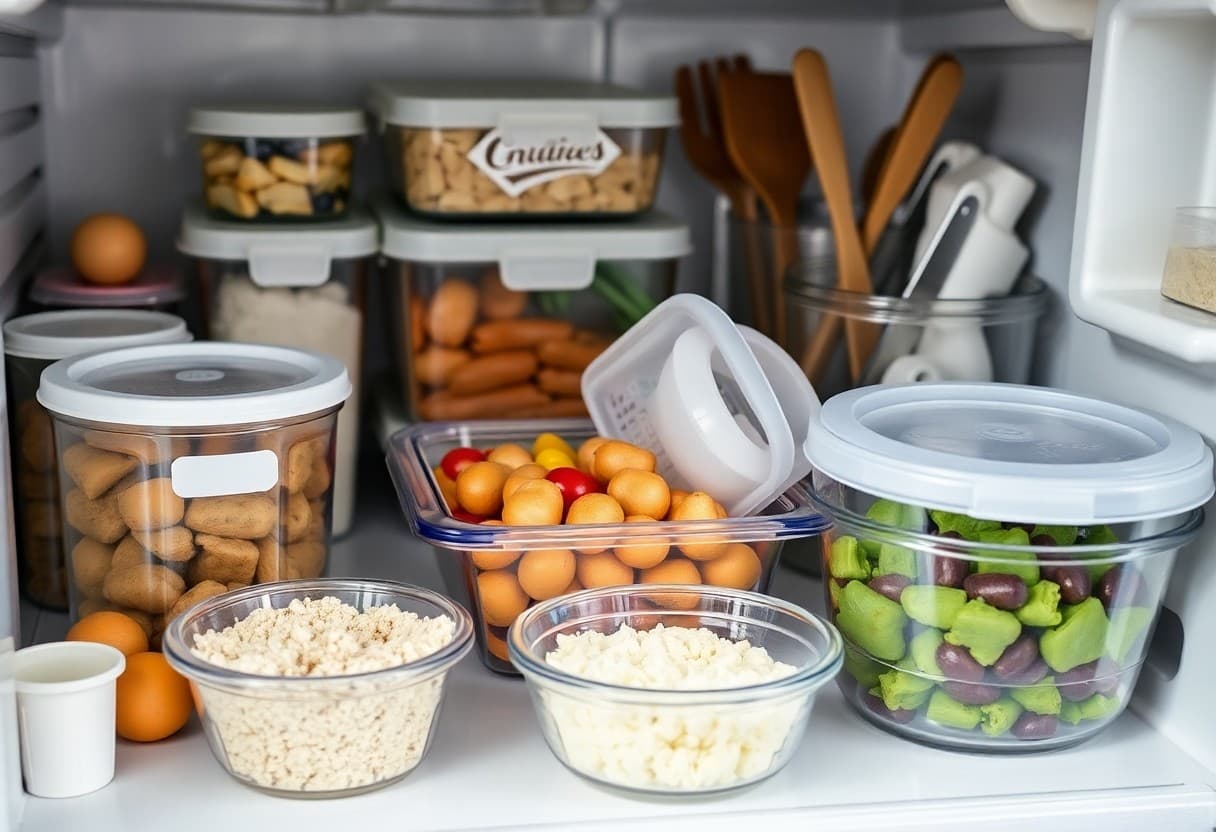
Food safety is critical, especially when feeding children. Cooked eggs should never sit at room temperature for more than 2 hours. If you are batch prepping, move the items to the refrigerator as soon as they have stopped steaming. Use airtight glass or BPA-free plastic containers to prevent the food from picking up 'fridge smells.' Most cooked breakfast items stay fresh for 3 to 4 days, but if you notice any change in smell or a slimy texture, discard them immediately.
My child refuses all traditional breakfast foods. What should I do?
There is no law that says breakfast must be 'breakfast food.' In many cultures, the first meal of the day consists of soup, rice, or leftovers from dinner. If your child prefers a turkey sandwich or a bowl of lentil soup at 7:00 AM, that is perfectly acceptable. The goal is to provide balanced nutrition (protein, fats, and complex carbs) to fuel their brain and body. Don't fight the battle of 'tradition' if it means they go to school hungry.
Conclusion
Mastering simple breakfast recipes is about finding the intersection of efficiency and nutrition. By understanding the differences between cold assembly, warm pan cooking, and batch preparation, you can tailor your mornings to fit your actual life rather than an idealized version of it.
To summarize the key points:
- Cold assembly is the fastest method, relying on high-quality yogurt or grains and a 4-minute timeline.
- Warm pan cooking offers the best protein density and comfort but requires a 10-to-12-minute commitment and careful heat management.
- Batch prepping saves the most time during the week but requires an upfront investment of 45 minutes and carries a risk of flavor fatigue. Your specific action to take today: Check your pantry for three basic items—eggs, plain yogurt, and oats. Choose one method that fits your schedule for tomorrow morning and prep just the dry ingredients or tools tonight. Reducing even two minutes of 'thinking time' in the morning can be the difference between a healthy meal and skipping breakfast entirely. If you are unsure about any ingredients or have specific health concerns, please verify your plan with a certified nutritionist or medical professional before making significant changes to your diet.
Previous
Braised Pork with Kimchi Methods for Single Households
Next
Simple Breakfast Recipes: Efficient Ideas for Busy Beginners
More in Recipes
Easy 5-Ingredient Pork Suyuk: The Ultimate High-Protein Diet Recipe
Discover a simple 5-ingredient Korean boiled pork (Suyuk) recipe that takes just 50 minutes. Perfect for a high-protein, low-calorie diet that keeps you full.
Tofu Kimchi Recipe: Quick Ways to Use Fridge Leftovers
Learn a simple Tofu Kimchi recipe to clear out your fridge. Discover freezer-friendly meal prep tips, common beginner mistakes, and quick cleanup hacks.
Vegetarian guest hosting recipes you can prep on weekends
Vegetarian guest hosting recipes made easy. Learn how to prep plant-based dishes on weekends, freeze them safely, and master smart ingredient substitutions.
How to Bake Bread in a Small Kitchen with Minimal Cleanup
Learn how to bake homemade bread in a small kitchen with minimal cleanup. This guide covers no-knead methods, diet-friendly tips, and office lunch ideas.