Cheonggukjang Jjigae for Dieters: Healthy Twist on a Korean Classic

Key Takeaways
Discover how to make a diet-friendly Cheonggukjang Jjigae, a Korean fermented soybean paste stew. Get tips on reducing calories while maximizing flavor and nutrition.
Cheonggukjang Jjigae for Dieters: Healthy Twist on a Korean Classic
Around 40% of adults in the US report trying to lose weight at any given time, according to a 2020 CDC report. I've certainly been in that boat, and it often feels like healthy eating means sacrificing flavor, especially when it comes to hearty stews. But what if one of Korea's most robust and nutrient-dense stews could be a delicious ally in your dietary goals? Enter Cheonggukjang Jjigae, a fermented soybean paste stew that, with a few mindful adjustments, can be a fantastic addition to a health-conscious meal plan.
How Was Cheonggukjang Jjigae Traditionally Prepared?
Historically, Cheonggukjang Jjigae was a staple comfort food, often prepared with a focus on rich, satisfying flavors rather than calorie counting. The 'why' behind its traditional preparation often boiled down to maximizing flavor and using readily available ingredients that provided energy for demanding physical labor. In my experience, even when I started cooking Korean food years ago, the recipes I first encountered didn't shy away from hearty additions.
Generous Fats and Meats
Many traditional recipes for Cheonggukjang Jjigae would feature fattier cuts of pork, like pork belly, or even beef short ribs. These ingredients contribute a significant amount of fat and calories, but they also impart a deep, savory flavor that's highly prized. The fat renders into the broth, creating a richer mouthfeel. It wasn't uncommon to start by sautéing these meats in a fair amount of sesame oil or cooking oil, building a robust base before any liquid was added. This method certainly adds to the stew's depth, but it's not ideal if you're watching your calorie intake.
Hearty Additions and Less Emphasis on Vegetables
While vegetables were always present, they sometimes played a secondary role to the proteins and fermented paste. Potatoes, various types of radish, and firm tofu were common, but the sheer volume of green, leafy vegetables might have been less than what we'd consider optimal for a diet-friendly meal today. Portion sizes were also generally larger, reflecting a culture where meals were often central and substantial. The focus was on a filling, flavorful meal, not necessarily on a low-calorie option, which makes perfect sense given its historical context as a dish for hard-working individuals.
High Sodium Levels
Another characteristic of traditional Cheonggukjang Jjigae, like many Korean stews, was its often-high sodium content. Cheonggukjang paste itself is salty, and adding other fermented ingredients like kimchi or gochujang (Korean chili paste), along with soy sauce, could push the sodium levels quite high. While delicious, this can be a concern for anyone managing blood pressure or looking to reduce overall sodium intake. I remember once making a batch that was so salty it practically forced me to drink a gallon of water, a clear sign that I needed to rethink my approach.
What's Changed: Crafting a Diet-Friendly Cheonggukjang Jjigae?
The good news is that adapting Cheonggukjang Jjigae for a healthier lifestyle doesn't mean sacrificing its incredible flavor. It's about smart substitutions and a shift in focus. Over the past few years, as my own cooking habits have evolved to prioritize health without compromising taste, I've found several strategies that work beautifully.
Leaner Proteins and Plant-Based Power
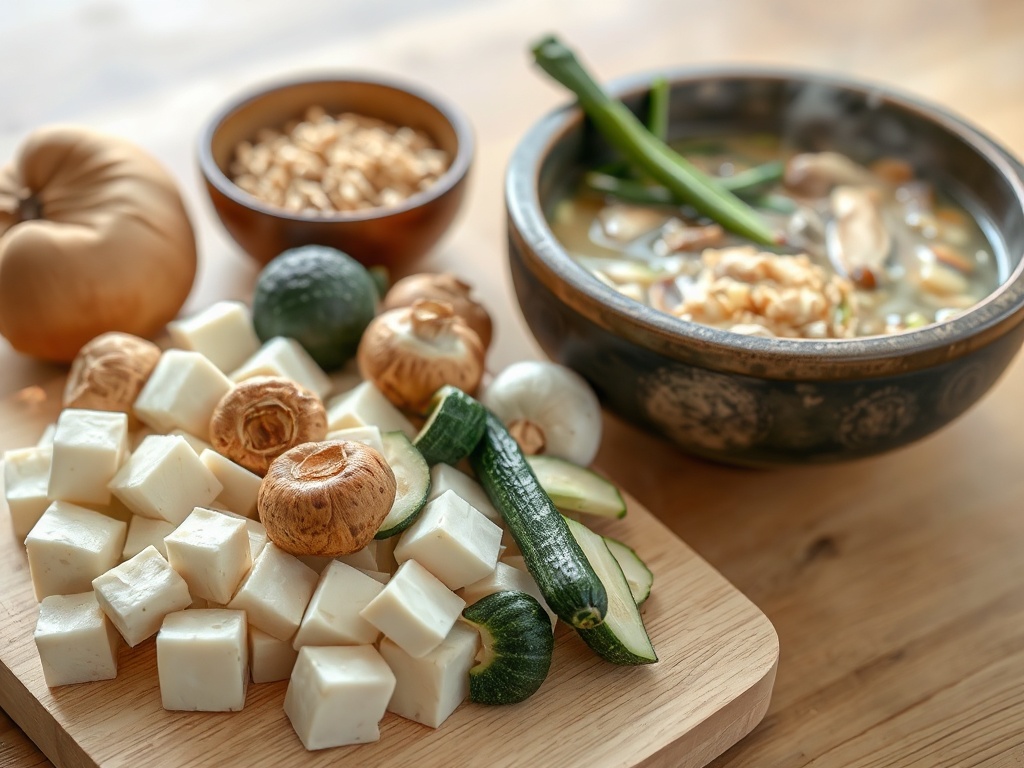
Instead of fatty pork belly, I now opt for leaner protein sources. For example, using 150-200 grams of thinly sliced lean beef (like sirloin or brisket, trimmed of visible fat) provides protein without the excess calories. Chicken breast or even lean ground chicken can also work, though they offer a different flavor profile. My personal preference, however, often leans towards plant-based options like firm or extra-firm tofu, which is fantastic for dieters. A 300-gram block of firm tofu, cut into cubes, can absorb the rich flavors of the stew beautifully and provide ample protein and satiety. Mushrooms, especially shiitake or oyster mushrooms, also add a meaty texture and umami depth without the fat.
Vegetable-Forward Approach
This is where a significant calorie reduction and nutrient boost comes in. I now load my Cheonggukjang Jjigae with a much higher proportion of vegetables. Think of it as a vegetable stew with Cheonggukjang as the star flavor. Some of my go-to additions include:
- Zucchini: About 1 medium zucchini, sliced. Adds moisture and fiber.
- Radish (Korean or daikon): About 150 grams, thinly sliced. Adds a refreshing, slightly peppery crunch.
- Enoki mushrooms: One small bunch. Adds delicate texture.
- Napa cabbage: About 150 grams, chopped. Adds sweetness and bulk.
- Spinach or other leafy greens: A large handful, added at the very end. Boosts vitamins and minerals.
- Onion and garlic: Essential aromatics, used generously (1 medium onion, 4-5 cloves garlic). By increasing the vegetable content, you're boosting fiber, vitamins, and minerals, which helps you feel full on fewer calories. In my experience, doubling the amount of vegetables compared to what traditional recipes suggest still yields a delicious and balanced stew.
Mindful Broth and Seasoning
The foundation of any good stew is its broth. Instead of a rich meat broth, I start with a light but flavorful anchovy and kelp broth (dashima-gukmul). To make it, simmer about 10-12 dried anchovies (gutted) and a 10x10 cm piece of dried kelp in 1 liter of water for 15-20 minutes, then strain. This provides a clean, savory base. When it comes to seasoning:
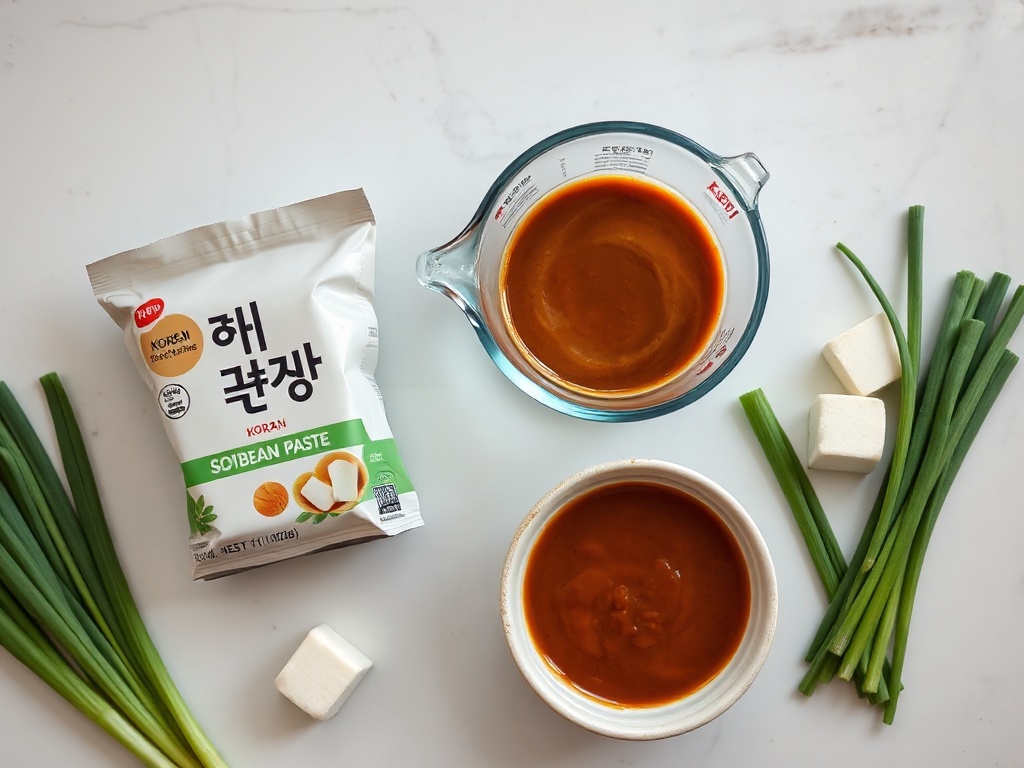
- Cheonggukjang paste: Use 1-2 tablespoons (about 30-60 grams) for a standard 1-liter pot. Adjust to your taste, but start with less and add more if needed. The paste itself provides a lot of salt.
- Garlic and onion: Sautéing these first in a minimal amount of oil (1 teaspoon of sesame oil for flavor, or just dry-sauté) creates a deeper base flavor.
- Korean chili flakes (gochugaru): 1-2 teaspoons for a pleasant heat, which can also boost metabolism slightly.
- Green onions and chili peppers: Add at the end for freshness and a kick. I've found that by relying on the natural umami of Cheonggukjang and the freshness of vegetables, I can significantly reduce the need for extra soy sauce or other salty condiments. This makes a substantial difference in the overall sodium content without sacrificing flavor. My personal rule is to taste before adding any additional salt or soy sauce, as the Cheonggukjang itself is quite potent.
What are the Critical Caveats for a Diet-Friendly Cheonggukjang Jjigae?
While adapting Cheonggukjang Jjigae for dietary goals is effective, there are still important factors to consider. This isn't a 'magic' weight-loss food, and certain aspects require careful attention.
Portion Control Remains Key
Even with healthier ingredients, Cheonggukjang Jjigae is a hearty stew. A typical serving might be 250-300 ml, especially if you're also eating it with rice. While packed with nutrients, over-consuming any food, even a healthy one, can derail dietary efforts. I always measure out my portions, particularly on weekdays, to stay on track. This is perhaps the most crucial decision criterion for dieters: understanding that 'healthy' doesn't mean 'unlimited'.
Sodium Content: The Ever-Present Challenge
Despite efforts to reduce sodium, Cheonggukjang Jjigae will inherently have a moderate to high sodium level due to the fermented paste. A typical serving could still contain over 500 mg of sodium, depending on the brand of paste and how much you add. If you have specific health concerns like high blood pressure, consult a doctor or registered dietitian about incorporating this dish. It's important to balance your overall daily sodium intake and consider pairing this stew with low-sodium side dishes like fresh salads or plain steamed vegetables. One common mistake is adding soy sauce out of habit; always taste first!
Carbohydrate Considerations
Many people enjoy Cheonggukjang Jjigae with a bowl of steamed white rice. While delicious, rice adds a significant amount of carbohydrates. If you're on a low-carb diet, consider having a smaller portion of rice, or substituting it with brown rice, quinoa, or even cauliflower rice. For example, a 150-gram serving of white rice contains approximately 45 grams of carbohydrates. Be mindful of this combination, especially if you're aiming for specific macronutrient targets. On weekends, I might enjoy it with a small bowl of multigrain rice, but during the week, I often opt for less or none at all.
Flavor Intensity May Vary
The unique, pungent aroma and flavor of Cheonggukjang is a love-it-or-hate-it aspect for some. While using less paste can make it milder, it might also diminish the characteristic taste. If you're new to Cheonggukjang, start with a smaller amount of paste (e.g., 1 tablespoon) and gradually increase it as you become accustomed to the flavor. This isn't a dish for every palate, and that's perfectly fine. Don't force yourself to eat something you genuinely dislike, even if it's healthy.
What to Watch for Going Forward?
As dietary science evolves and global palates become more adventurous, the future of dishes like Cheonggukjang Jjigae in a healthy context looks promising. Here's what I'm keeping an eye on:
Continued Innovation in Ingredients
We might see more low-sodium Cheonggukjang pastes or versions specifically tailored for health-conscious consumers. The market for healthier fermented foods is growing, and I wouldn't be surprised to see more options that reduce sodium or enhance specific nutrients. Always check ingredient labels carefully, especially for sodium content per serving, as brands can vary widely.
Balancing Tradition with Modern Needs
The challenge will always be to honor the traditional flavors and cultural significance of dishes while adapting them to modern health recommendations. This often means finding a sweet spot where the essence of the dish remains, but unnecessary fats or excessive sodium are trimmed. It's a continuous process of experimentation in the kitchen. For instance, my latest iteration uses a tiny bit of red pepper paste for color and sweetness, reducing the need for other seasonings.
Personalization and Dietary Flexibility
As people become more aware of their individual dietary needs and preferences, the approach to cooking Cheonggukjang Jjigae will become even more personalized. Whether it's making it entirely plant-based, very low-carb, or focusing on specific gut-health benefits, the adaptability of this stew makes it a versatile canvas for various dietary goals. The key is to understand your own body's needs and adjust the recipe accordingly. A friend of mine who is vegetarian uses only mushrooms and extra tofu, and her stew is just as satisfying.
How Can You Make Your Diet-Friendly Cheonggukjang Jjigae Today?
Making this stew doesn't have to be an all-day affair. With my meal-kit experience on weekdays and real cooking on weekends, I understand the need for efficiency. Here's a streamlined, healthy approach:
Essential Ingredients
- Cheonggukjang paste: 1-2 tablespoons (about 30-60 grams)
- Lean protein: 150-200 grams thinly sliced lean beef, chicken breast, or a 300-gram block of firm tofu
- Aromatics: 1 medium onion (chopped), 4-5 cloves garlic (minced), 1-2 green onions (sliced)
- Vegetables: 1 medium zucchini (sliced), 150 grams Korean radish or daikon (sliced), 150 grams napa cabbage (chopped), 1 small bunch enoki mushrooms, a handful of fresh spinach
- Broth: 1 liter anchovy and kelp broth (or vegetable broth for vegetarian options)
- Seasoning: 1-2 teaspoons Korean chili flakes (gochugaru), 1 teaspoon sesame oil (optional, for sautéing)
Step-by-Step Preparation
Prepare the broth: In a medium pot, combine 1 liter of water with 10-12 gutted dried anchovies and a 10x10 cm piece of dried kelp. Bring to a boil, then reduce heat and simmer for 15-20 minutes. Strain and set aside. This step can be done in advance. [[Link to an article about making basic Korean broth could go here]]
Sauté aromatics: In a separate pot or earthenware bowl (ttukbaegi), add 1 teaspoon of sesame oil (if using) and sauté the chopped onion and minced garlic over medium heat for 2-3 minutes until fragrant. If skipping oil, dry-sauté until softened.
Add protein: Add your chosen lean protein (beef or chicken) and cook until lightly browned, about 3-4 minutes. If using tofu, you can add it now or later with the other vegetables.
Introduce Cheonggukjang: Stir in the 1-2 tablespoons of Cheonggukjang paste and 1-2 teaspoons of gochugaru. Sauté for another 1-2 minutes, breaking up the paste to ensure it's evenly distributed.
Build the stew: Pour in the prepared broth. Bring to a boil, then add the harder vegetables like radish and zucchini. Reduce heat to medium-low, cover, and simmer for 5-7 minutes until the vegetables start to soften.
Add remaining vegetables: Stir in the napa cabbage, enoki mushrooms, and tofu (if not added earlier). Continue to simmer for another 5 minutes.
Finish: Just before serving, stir in the fresh spinach and sliced green onions. Cook for an additional 1-2 minutes until the spinach wilts. Taste and adjust seasoning if necessary, but remember the Cheonggukjang itself is quite salty. [[Another internal link, e.g., on healthy Korean side dishes]] Serve immediately with a small portion of brown rice or as a stand-alone soup. This recipe typically yields 3-4 servings, with each serving being approximately 250-300 ml. The active cooking time is around 30-40 minutes, making it feasible for a weekend meal or even a more relaxed weekday evening.
Conclusion: Savoring a Healthier Cheonggukjang Jjigae
Embracing a diet-friendly approach to Cheonggukjang Jjigae is all about making conscious choices without sacrificing the soul-satisfying experience of this traditional Korean stew. We've seen how shifting from rich, fatty ingredients to leaner proteins and abundant vegetables, alongside careful sodium management, can transform this dish into a powerful ally for your health goals. The 'why' behind these changes is simple: to nourish your body efficiently while delighting your taste buds.
Here are three key takeaways:
Prioritize lean protein and vegetables: Swap out fatty meats for lean cuts, tofu, or mushrooms, and significantly increase the amount of fiber-rich vegetables to boost satiety and nutrients while reducing calories.
Be mindful of sodium: Cheonggukjang is inherently salty, so rely on its natural flavor, use a light broth, and taste before adding any extra salt or soy sauce to manage your intake.
Practice portion control: Even a healthy stew can contribute to excess calories if over-consumed. Aim for a measured serving size, especially if pairing with carbs like rice. Ready to give it a try? Today, commit to making a batch of diet-friendly Cheonggukjang Jjigae, perhaps starting by preparing your anchovy-kelp broth in advance for a quick weeknight meal. If you're new to Cheonggukjang, pause to find a good quality paste and read its label carefully for sodium content. If you have specific dietary restrictions or health conditions, verify with a qualified professional to ensure this dish aligns with your personal health plan.
Previous
Simple Breakfast Recipes: Efficient Ideas for Busy Beginners
Next
Cheonggukjang Jjigae for Dieters: Healthy Twist on a Korean Classic
More in Recipes
Easy 5-Ingredient Pork Suyuk: The Ultimate High-Protein Diet Recipe
Discover a simple 5-ingredient Korean boiled pork (Suyuk) recipe that takes just 50 minutes. Perfect for a high-protein, low-calorie diet that keeps you full.
Tofu Kimchi Recipe: Quick Ways to Use Fridge Leftovers
Learn a simple Tofu Kimchi recipe to clear out your fridge. Discover freezer-friendly meal prep tips, common beginner mistakes, and quick cleanup hacks.
Vegetarian guest hosting recipes you can prep on weekends
Vegetarian guest hosting recipes made easy. Learn how to prep plant-based dishes on weekends, freeze them safely, and master smart ingredient substitutions.
How to Bake Bread in a Small Kitchen with Minimal Cleanup
Learn how to bake homemade bread in a small kitchen with minimal cleanup. This guide covers no-knead methods, diet-friendly tips, and office lunch ideas.