Train and Bus Booking Sites Compared for Weekend Travel

Key Takeaways
Compare train and bus booking sites for efficient weekend travel. Learn about official apps, third-party fees, refund policies, and tips for seat selection.
Train and Bus Booking Sites Compared for Weekend Travel
I remember the time in late 2023 when I attempted to book a Saturday morning train to the coast. I was sitting in my office during a lunch break, confident that a few clicks on a popular international travel aggregator would secure my seat. However, by the time I entered my payment details, the app froze, and the seat was gone. When I checked the official railway app, I realized that the aggregator was actually lagging 30 seconds behind the live inventory. This small delay cost me my weekend plans and forced me to take a four-hour bus ride instead of a two-hour train. Since then, I have scrutinized every major reservation site to understand exactly where they succeed and where they fail for the casual weekend traveler.
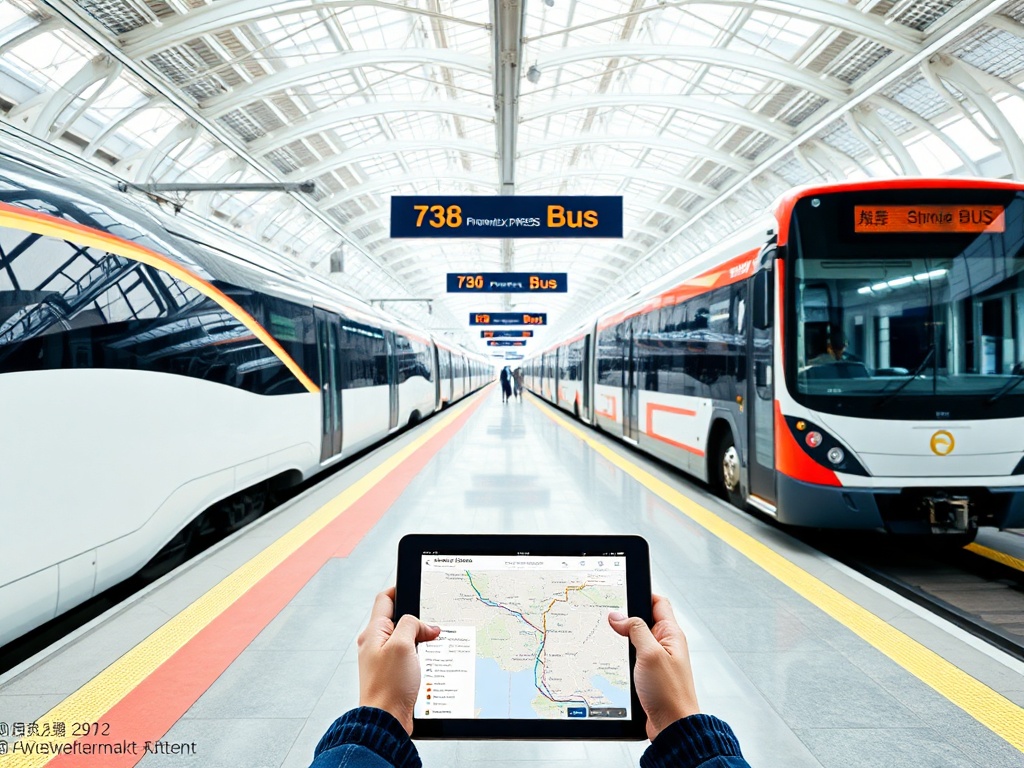
To navigate regional travel efficiently, you must choose a platform based on your priority: speed, price, or ease of use. The following three categories represent the primary ways to secure transport:
- Official Railway Platforms (Best for speed and live inventory)
- Integrated Bus Reservation Apps (Best for regional reach and budget)
- Third-Party Aggregators (Best for multi-language support and international cards)
Official Railway Platforms
When it comes to train travel, using the official carrier's app is almost always the most reliable method for weekend trips. These platforms have the direct 'source' of the inventory, meaning you see seat availability in real-time. For an office worker looking to leave immediately after work on a Friday, this 20–30 second advantage over third-party sites is critical.
One major benefit of official apps is the ability to join a waiting list. For example, if a 6:00 PM train is fully booked, the official app often allows you to register for a 'waiting' status. If someone cancels their ticket, the system automatically assigns the seat to the next person in line. I have successfully secured seats this way at least 5 times over the past year, whereas third-party sites simply display a 'Sold Out' message with no further options.
However, these apps can be frustrating for those without a local bank account or phone number. While many have added 'Global' versions, the user experience is often stripped down. You might find that you cannot select specific seats (like a window seat or a seat in a quiet car) on the global version, whereas the local version offers a full interactive map.
Critical Decision Criteria for Trains
- Booking Window: Official tickets usually open 30 days in advance. If you are planning a trip for a major holiday, you must be on the app the second the window opens.
- Refund Flexibility: Official apps offer the most transparent refund tiers. Typically, canceling 2 days before departure results in a 0% fee, while canceling on the day of departure might cost 10–20% of the ticket price.
Integrated Bus Reservation Systems
Bus travel is the backbone of weekend trips to smaller towns that do not have high-speed rail access. Unlike trains, which are centralized, bus systems are often split between 'Express' and 'Intercity' categories. This distinction is one of the most common points of confusion for beginners.
Integrated apps like T-money GO or Kobus attempt to bridge this gap. In practice, these apps are excellent because they allow you to book 'Premium' buses, which feature reclining seats and individual charging ports. For a 3-hour journey, the price difference between a standard bus (approximately 15,000 KRW) and a premium bus (approximately 22,000 KRW) is often worth the extra cost for the added comfort.
One significant warning regarding bus apps: they often require a local mobile phone for identity verification during the sign-up process. If you are a short-term visitor, you may find yourself unable to complete the registration. In these cases, you might be forced to use the desktop website or visit the terminal in person. Additionally, bus platforms are notoriously strict about departure times. If you are even 2 minutes late, the bus will depart, and your digital ticket cannot be reused for the next time slot.
Third-Party Aggregators
Third-party sites like Trip.com, Klook, or Omio are popular because they offer a seamless interface in English and accept almost every international payment method. For a traveler who does not want to wrestle with a poorly translated official app, these are the easiest path forward.
Specifically, these sites are helpful when you are planning a multi-leg journey. For example, if you need to book a train from the airport followed by a local bus, an aggregator can sometimes show you both options in one timeline. However, this convenience comes at a price. Most aggregators add a service fee ranging from 2,000 to 5,000 KRW per ticket.
In my experience, the biggest risk with aggregators is the lack of real-time communication. If a train is delayed or a bus platform changes at the last minute, the aggregator app might not update its notification system as quickly as the official platform. I once waited at the wrong platform for 15 minutes because my third-party app hadn't updated the gate change that was announced on the station's local monitors.

How do refund policies differ across platforms?
Refund policies are where most travelers lose money. Official railway platforms usually have a very lenient policy for early cancellations. If you cancel more than 24 hours before your train, you often get a 100% refund. If you cancel within 3 hours of departure, the fee is usually 5–10%.
In contrast, third-party aggregators often have their own 'processing fees' that are non-refundable. Even if the railway company offers a full refund, the aggregator might keep 10% as a service charge. Furthermore, the refund process through an aggregator can take 7–14 days to hit your credit card, whereas official apps usually process the reversal within 2–3 business days.
For buses, the rules are even stricter. Most bus platforms will not refund a ticket if you cancel less than 5 minutes before departure. If the bus has already left, your money is gone. This is a critical caveat for those who tend to run late or struggle with navigating large terminals.
What are the critical limitations of third-party booking apps?
One of the most significant limitations is the inability to use local discounts. Official apps often offer 'Youth' discounts (for those under 24) or 'Group' discounts (for 4 or more people) that can slash 10–30% off the total price. Third-party apps almost never support these specialized fare types, meaning you will always pay the full adult fare.
Another limitation is the seat selection. While official apps allow you to choose your specific seat number and see which direction the seat is facing, many aggregators assign seats automatically. This can be a major downside for solo travelers who prefer an aisle seat or friends who want to ensure they sit together.
What readers may miss: The Terminal Trap
When booking buses, a common mistake is not checking which terminal you are departing from. Many cities have multiple terminals (e.g., an 'Express' terminal and an 'Intercity' terminal) that can be located 5–10 kilometers apart.
- Criteria to verify: Always check the exact name of the terminal in the local language on your booking confirmation.
- Risk Tolerance: If you have less than 30 minutes between your arrival in a city and your bus departure, you are at high risk of missing your connection due to terminal confusion.
Where to Eat Near Major Transit Hubs
If you find yourself with a layover or a wait after booking your tickets, these three spots offer reliable quality near major transit points:
Bonjeon Dwaeji Gukbap (Near Busan Station)
- Vibe and Order: This is a traditional, fast-paced pork soup restaurant. It is famous for its clear, savory broth. Order the 'Dwaeji Gukbap' (pork soup) for a classic experience.
- Price Band: 9,000–11,000 KRW.
- Sightseeing Flow: It is located only a 2-minute walk from the Busan KTX station exit, making it the perfect spot to eat if you have a 45-minute gap before your train departs.
Sukyoung Sikdang (Gyeongju)
- Vibe and Order: A beautiful traditional Hanok-style restaurant. Order the 'Pajeon' (green onion pancake) and the traditional bibimbap set. The atmosphere is calm and perfect for a weekend pace.
- Price Band: 13,000–18,000 KRW.
- Sightseeing Flow: While it is about 15 minutes by bus from the Singyeongju KTX station, it is right next to the Daereungwon Tomb Complex, which is usually the first stop for weekend travelers.
Sung Sim Dang (Daejeon Station Branch)
- Vibe and Order: An iconic bakery that often has long lines, but it moves very quickly. You must order the 'Fried Soboro' bread. It is a sweet, crunchy, and savory snack.
- Price Band: 1,700–5,000 KRW per item.
- Sightseeing Flow: There is a branch located directly inside the Daejeon Station hall. It is ideal for picking up a box of bread during a 10-minute train layover.
Synthesis of Booking Choices
Choosing the right reservation site is a balance between technical accessibility and cost efficiency. If you have a local phone number and want the lowest price with the most control, the official apps (KORAIL Talk for trains, T-money GO for buses) are the clear winners. They provide the most accurate data and the best refund terms.
If you are a traveler who values a clean English interface and does not mind paying a 10% premium for peace of mind, third-party aggregators like Trip.com are a functional substitute. However, you must remain aware that you are sacrificing real-time updates and the ability to join waiting lists for sold-out routes.
For those on a tight weekend schedule, the best strategy is a hybrid approach: use the official apps to check for seat availability and use the aggregators only if the official payment gateway fails. This ensures you aren't paying extra fees unless absolutely necessary.
- Disclaimer: This article provides general information regarding transport booking platforms as of early 2026. Policies, fees, and app functionalities are subject to change by the respective companies. This is not professional travel or financial advice. Always verify current schedules and terms on official service provider websites before making a purchase.
Summary of Key Points
- Official apps provide real-time seat inventory and waiting list options that third-party sites lack.
- Bus travel requires careful attention to the specific terminal name to avoid missing departures.
- Aggregators are convenient for international payments but often include hidden service fees and slower refund processing.
Action to Take Today
Download the official railway app for your destination and create an account today. Even if you do not book immediately, having your payment information and account verified beforehand will save you the 2-minute delay that often results in losing a seat during the Friday evening rush.
Previous
South Korea Night View Destinations for Mature Travelers
Next
Train and Bus Booking Sites Compared for Weekend Travel
More in Travel

Slow Travel with Pets: A 4N5D Low-Walking Guide to Gangneung and Yangyang
Plan a relaxed 4-night, 5-day pet-friendly trip to Gangneung and Yangyang. Discover low-walking itineraries, budget tips, and safety checklists.
1N2D Couple's Travel: The Ultimate Food Allergy Survival Guide
Plan a safe 1-night, 2-day couple's trip abroad. Learn how to manage food allergies using public transit, prepare emergency cards, and build a backup plan.

Hanok Stays: Easy Transit Solo Travel Guide
Discover charming Korean Hanok stays accessible by public transit. Prioritize pace and ease on your solo or friends' weekend trip, avoiding car dependency.

Sick child during overseas travel: Managing care and costs
Learn how to manage a sick child during overseas travel when peak season bookings are full. Discover emergency alternatives, cost-saving tips, and next steps.