South Korea Night View Destinations for Mature Travelers
Key Takeaways
Discover authentic night view destinations in South Korea like Gyeongju and Busan. Learn about lighting schedules, local eateries, and expert travel tips.
South Korea Night View Destinations for Mature Travelers
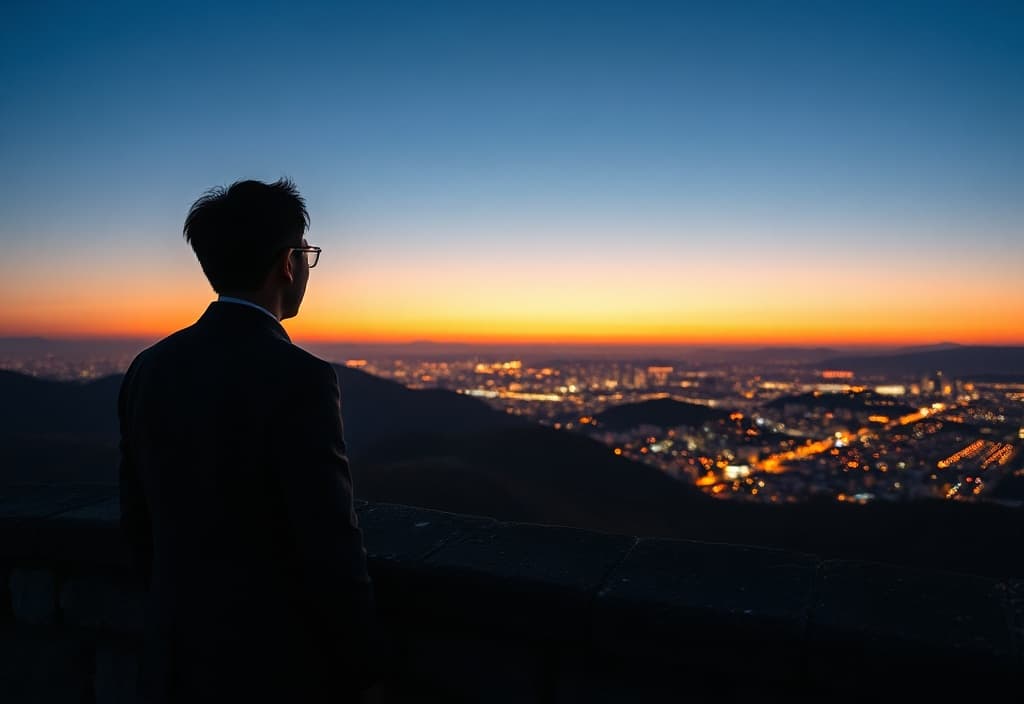
Most people assume that a night view travel itinerary in South Korea must begin and end with the neon-drenched skyscrapers of Seoul, but in practice, the most profound evening experiences are found where modern lighting meets historical stillness or industrial scale. While the Lotte World Tower or N Seoul Tower offer impressive height, they often lack the quiet, reflective atmosphere that seasoned travelers seek. Authentic nighttime exploration in Korea is less about the sheer volume of lumens and more about how light interacts with geography and heritage. For the office worker looking to decompress after a long week, the true value of a night view lies in its ability to provide a sense of space and historical continuity.
To plan a successful evening excursion, one must consider three core points: the temporal alignment of historical lighting, the visual texture of industrial landscapes, and the accessibility of coastal topography. These elements, when combined, offer a multifaceted view of the country that goes beyond the typical tourist brochures. In my experience, traveling as a part of a couple in our 50s, we have found that the most rewarding spots are those that allow for a slow pace, minimal noise pollution, and a genuine connection to the local environment.
The Golden Hour of Heritage in Gyeongju
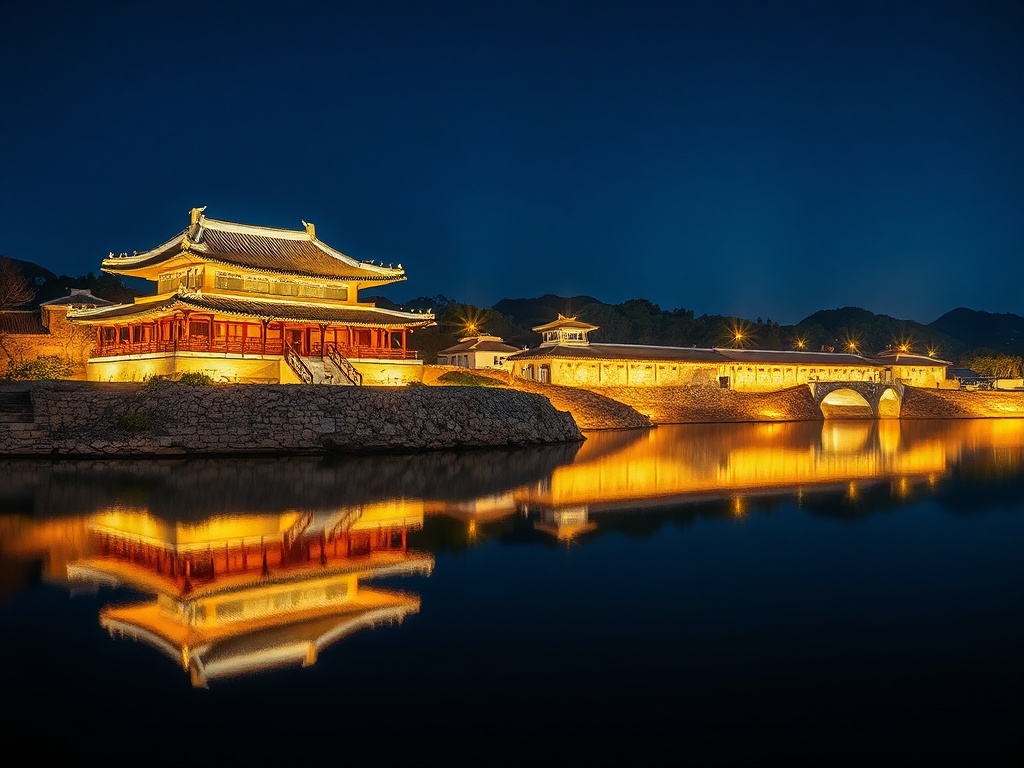
Gyeongju is often referred to as a museum without walls, but its character changes entirely once the sun sets. The historical significance of the Silla Dynasty is not just preserved in stone; it is amplified by carefully placed warm-toned LED lighting that mimics the soft glow of traditional lanterns. The primary destination here is the Donggung Palace and Wolji Pond. Unlike the harsh blue lights found in modern city centers, the lighting here is designed to highlight the intricate wooden eaves and the reflection of the pavilions on the water.
According to a 2023 domestic travel trend report by the Korea Tourism Organization (KTO), Gyeongju remains a top-three destination for 'nighttime healing' among travelers over 40. This is largely due to the walkable nature of the historical district. A 2-kilometer path connects several major sites, allowing for a 40–60 minute stroll that does not require the use of public transport once you arrive in the area.
Practical Considerations for Gyeongju
- Entry Fee: 3,000 KRW for adults.
- Last Entry: Usually 21:30, with lights turning off at 22: 00.
- Walking Distance: Approximately 15 minutes between Donggung Palace and the Cheomseongdae observatory. One common mistake is arriving too late in the evening. In my experience, the optimal time to enter is 20 minutes before sunset. This allows you to witness the transition from natural dusk to artificial illumination, which provides the best photographic contrast. However, be aware that on weekends, the crowd density can increase by 50% between 19:30 and 20:30, potentially disrupting the quiet atmosphere. If you prefer solitude, aim for a Tuesday or Wednesday evening.
Where to Eat in Gyeongju
For a quiet evening meal or snack, I recommend a traditional tea house located in the Hwangnam-dong area, just a 10-minute walk from the historical park.
- Soseowon (Traditional Tea House): Order the warm ginger tea or the Omija (five-flavor berry) tea. The vibe is exceptionally quiet with low wooden tables and a view of a small inner courtyard. Prices range from 7,000 to 9,000 KRW per drink. It fits perfectly into a post-walk flow before heading back to your accommodation.
The Industrial Sublime of Pohang
While Gyeongju offers history, Pohang provides a starkly different visual experience: the industrial sublime. Most travelers overlook industrial cities, assuming they are gritty or uninviting. However, the illumination of the POSCO steelworks across the bay from Yeongildae Beach creates a horizon of light that rivals any traditional skyline. The scale is immense, stretching for several kilometers along the coast.
In recent years, the addition of the Hwanho Park Space Walk has changed the way people interact with this landscape. This 333-meter long walkable art installation looks like a roller coaster but is actually a series of stairways. At night, the structure is lit with bright white lights, making it appear as if it is floating above the trees. From the highest point, which sits about 25 meters above the ground, you can see the 360-degree panorama of the city and the sea.
Criteria for Visiting the Space Walk
- Safety Warning: The structure will close automatically if wind speeds exceed 10m/s or if there is any precipitation.
- Physical Requirement: There are 717 steps in total; it requires a moderate level of leg strength and a lack of vertigo.
- Timing: The lights are most vibrant after 19:00, but the park itself stays open later than the walking structure. Evidence from local municipal data suggests that the Space Walk has increased evening foot traffic in Hwanho Park by nearly 40% since its opening. For a couple seeking a unique experience, it offers a sense of adventure that is safely contained within a well-maintained public park. However, if you have knee issues or a significant fear of heights, you may find the experience more stressful than relaxing. In that case, viewing the structure from the base is still visually rewarding.
Where to Eat in Pohang
After visiting the Space Walk, a short 5-minute drive or a 20-minute walk leads you to the northern end of Yeongildae Beach.
- Hanban (Seafood Specialist): Order the Pohang-style Mulhoe (spicy raw fish soup). This is a local staple, and the restaurant offers a clean, bright environment that is popular with locals. The rough price band is 15,000 to 20,000 KRW per person. It is a great way to experience the local maritime culture after seeing the industrial side of the city.
The Maritime Layers of Busan
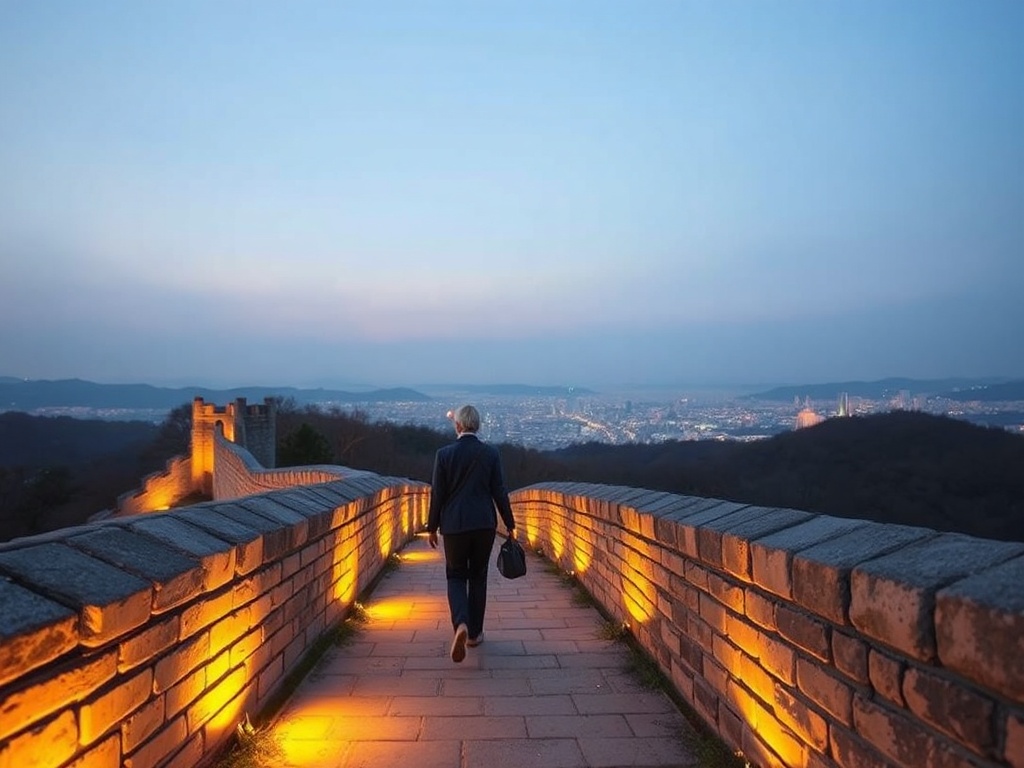
Busan is perhaps the most famous night view city in Korea, but for the mature traveler, the neon of Gwangalli Beach can be overwhelming. Instead, I suggest focusing on the Yeongdo district. This island offers a more layered view of the city, where you can see the harbor, the massive crane structures of the shipyards, and the distant glimmer of the Namhang Bridge.
The Yeongdo area has undergone a transformation from an industrial hub to a cultural one. The Huinnyeoul Culture Village, perched on a cliffside, offers a narrow walking path that overlooks the sea. At night, the lights of the ships anchored in the 'outer harbor' (known as the Myobakji) look like stars scattered on the water. This is a far more poetic and quiet experience than the loud music and drone shows of the more touristy beaches.
Critical Caveats for Busan
- Terrain: The paths in Yeongdo are often narrow and involve many stairs. It is not recommended for those with limited mobility.
- Wind: Coastal winds can make the perceived temperature 3–5 degrees colder than the official forecast. Always bring an extra layer.
- Transport: While buses run frequently, the last bus from the deeper parts of Yeongdo often departs around 22:30 or 23:
- Research from the Busan Tourism Organization indicates that while 70% of first-time visitors head to Haeundae, repeat visitors and those in the 50+ age bracket are increasingly moving toward Yeongdo and the North Harbor area for a more 'authentic' atmosphere. The contrast between the dark, silent sea and the brightly lit bridges creates a visual depth that is hard to find elsewhere.
Where to Eat in Busan
Yeongdo is famous for its cafes that occupy former industrial warehouses.
- P.ARK (Cultural Cafe): This is a massive, multi-story space. Order a cold brew and a piece of their signature pastry. The vibe is modern and expansive, with floor-to-ceiling windows facing the harbor. A drink and a snack will cost around 15,000 KRW. It is best visited in the early evening so you can watch the shipyard lights come on.
Synthesizing the Experience: History, Industry, and Sea
These three destinations—Gyeongju, Pohang, and Busan—are not just random points on a map; they represent the three pillars of the Korean identity: the royal past, the industrial present, and the maritime spirit. When you visit these locations at night, you are seeing a version of the country that is hidden during the day. The harshness of modern construction is softened by the dark, and the focus shifts to the intentional use of light to create a mood.
For a traveler, the interconnection between these spots is the balance of energy. Gyeongju provides the 'yin'—the quiet, reflective, and cooling energy of the past. Pohang and Busan provide the 'yang'—the vibrant, technological, and moving energy of a globalized nation. In my experience, a 3-day trip starting in Gyeongju and ending in Busan provides a perfect narrative arc for a weekend getaway. You move from the stillness of a pond to the heights of a steel structure, and finally to the vastness of the ocean.
Decision Criteria for Your Trip
Risk Tolerance vs. Comfort: If you prefer paved, flat ground and high-quality amenities, Gyeongju is the superior choice. If you enjoy a bit of physical exertion and heights, Pohang is the winner.
Time and Distance: Gyeongju and Pohang are only 35–45 minutes apart by car, making them an easy pair. Busan requires a separate day to truly appreciate the Yeongdo area without rushing.
What Readers May Miss: The Fine Dust Factor
One critical element that many travelers overlook is the impact of air quality on night views. In South Korea, fine dust (PM 2.5) levels can fluctuate significantly. According to data from AirKorea, visibility can drop by as much as 60% on days with high dust concentrations. A night view that looks spectacular on a clear day can become a blurry, orange-tinted haze under poor conditions.
Before you commit to a long drive for a night view, you must check the air quality index. If the PM 2.5 levels are above 50 micrograms per cubic meter, the 'sparkle' of the city lights will be significantly muted. In such cases, it is better to focus on close-up experiences, like the indoor sections of a heritage site or a well-lit cafe, rather than seeking out high-altitude panoramic views.
Conclusion
Exploring South Korea at night offers a unique perspective that daytime travel simply cannot match. By focusing on Gyeongju's historical elegance, Pohang's industrial scale, and Busan's maritime layers, you can move beyond the standard tourist path. Remember the three core points discussed:
- Seek historical sites where lighting enhances the architecture rather than overwhelming it.
- Use industrial landscapes to find a different kind of modern beauty.
- Utilize coastal topography for a sense of scale and peace.
Next Step
- Proceed: If the weather forecast shows clear skies and the air quality index is under 30, book a KTX ticket to Gyeongju for a Friday evening arrival.
- Pause: If it is a holiday weekend or the wind speeds are forecasted to be over 10m/s, as this will close major attractions like the Pohang Space Walk.
- Verify: Check the official municipal websites for each city today to ensure there are no scheduled lighting maintenance closures for the upcoming weekend.
Previous
Korean Beach Destinations for Summer and Essential Preparation Guide
Next
South Korea Night View Destinations for Mature Travelers
More in Travel

Slow Travel with Pets: A 4N5D Low-Walking Guide to Gangneung and Yangyang
Plan a relaxed 4-night, 5-day pet-friendly trip to Gangneung and Yangyang. Discover low-walking itineraries, budget tips, and safety checklists.
1N2D Couple's Travel: The Ultimate Food Allergy Survival Guide
Plan a safe 1-night, 2-day couple's trip abroad. Learn how to manage food allergies using public transit, prepare emergency cards, and build a backup plan.
Hanok Stays: Easy Transit Solo Travel Guide
Discover charming Korean Hanok stays accessible by public transit. Prioritize pace and ease on your solo or friends' weekend trip, avoiding car dependency.
Sick child during overseas travel: Managing care and costs
Learn how to manage a sick child during overseas travel when peak season bookings are full. Discover emergency alternatives, cost-saving tips, and next steps.