Glamping Recommendations for Families: Top Sites and Budget Tips
Key Takeaways
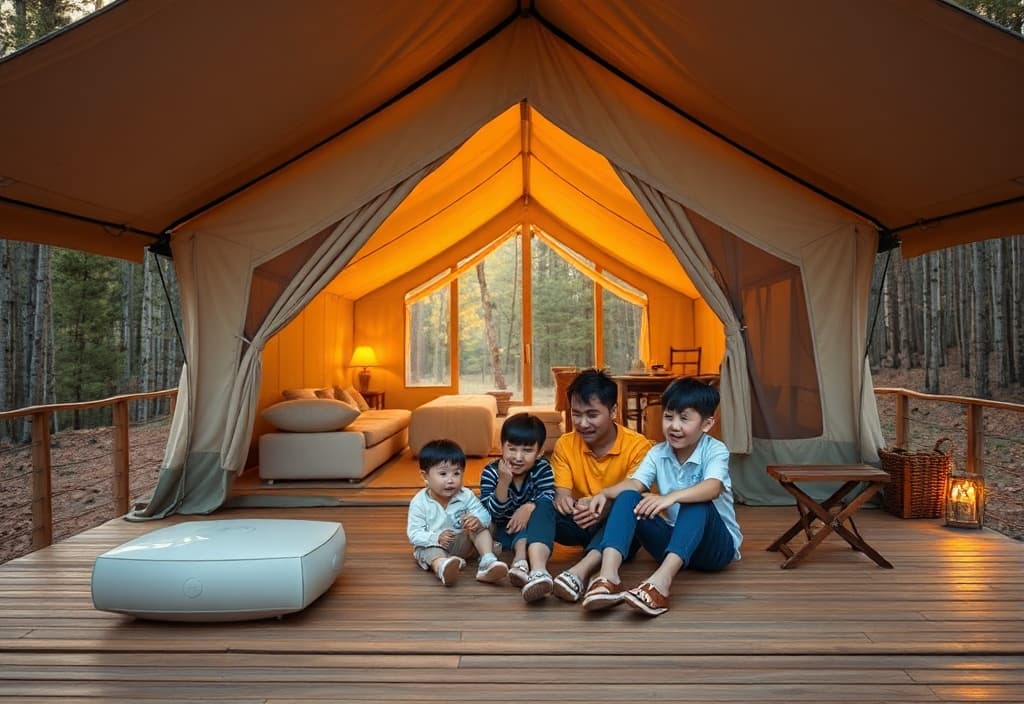
Glamping recommendations for families looking for the perfect balance of nature and comfort. Learn how to choose sites, manage costs, and avoid common mistakes.
Glamping Recommendations for Families: Top Sites and Budget Tips
If you have ever tried to organize a family camping trip only to be overwhelmed by the sheer volume of gear required, glamping might seem like the perfect middle ground. The promise of nature without the stress of pitching a tent is enticing, especially when traveling with children who require a constant stream of snacks and entertainment. However, the reality of glamping can vary wildly depending on the price point and the specific amenities provided. Without proper research, a luxury getaway can quickly turn into an expensive night in a drafty tent with subpar sanitation.
The reality of a budget family glamping trip
Last October, I decided to take a short trip to a glamping site in Gapyeong, a popular mountainous region about 2 hours outside of the city. As someone who tracks every dollar, I opted for a mid-range site that advertised 'all-inclusive' amenities. I assumed this meant everything from bedding to cooking fuel was covered in the 180,000 KRW nightly fee. When we arrived, I realized my mistake. The 'all-inclusive' label only applied to the tent structure and the bed. We were charged an additional 20,000 KRW for the portable heater gas and 15,000 KRW for a bundle of firewood.
Even more surprising was the communal kitchen situation. While the tent was private, the dishwashing area was shared with twelve other families. By 19:00, the line to wash vegetables for dinner was five people deep. This experience taught me that glamping is not a standardized industry. One site’s 'luxury' is another site’s 'basic.' This realization changed how I evaluate these destinations. It is not just about the photos on the website; it is about the specific operational details that dictate your daily flow. For a family, those details include how far you have to walk for a bathroom and whether the heating can actually keep a child warm when the outside temperature drops to 3–5 degrees Celsius at night.
What should families look for when choosing a glamping site?
When comparing options, you must look beyond the aesthetic of the tent. A site might look beautiful in a sunset photo, but it could be located right next to a noisy highway or lack proper insect screening. For families, the primary decision criteria should be safety and convenience rather than just the view.
Essential Safety and Infrastructure
Safety is the most critical factor when children are involved. In my experience, the best sites are those that separate the parking area from the tent zone. This creates a car-free space where children can run without the risk of moving vehicles. Additionally, check if the tents are equipped with fire extinguishers and carbon monoxide detectors, especially if gas heaters are used inside the units. A 2023 safety observation of rural sites suggested that older glamping units often lack modern ventilation, making this a non-negotiable check for any parent.
Amenities and Sanitation
Sanitation is where budget and premium sites differ the most. If you are traveling with toddlers, a private bathroom inside the tent is worth the extra 50,000–70,000 KRW. Walking 100 meters to a communal block in the middle of the night is rarely a pleasant experience. Look for sites that list 'en-suite' or 'private' bathroom facilities. Also, verify if the kitchen supplies are provided or if you need to bring your own pots, pans, and cutlery. Some budget sites provide only a single gas burner and expect you to bring the rest.
How much does a family glamping trip actually cost?
Budgeting for glamping requires more than just looking at the nightly rate. Based on my records from multiple trips, the base price is often only 60% of the total expenditure. You must account for several add-on costs that are standard in the industry.
- Base Nightly Rate: 150,000–350,000 KRW depending on the season and day of the week.
- BBQ Charcoal and Grill Rental: 20,000–30,000 KRW per session.
- Heating or Firewood Fees: 15,000–25,000 KRW per night (common in spring and autumn).
- Additional Person Fee: Many sites list a base price for 2 people; expect to pay 20,000–30,000 KRW extra per child.
- Food and Supplies: 80,000–120,000 KRW for a family of four, assuming you buy groceries at a local market. In total, a one-night stay that looks like a 150,000 KRW bargain can easily reach 250,000 KRW before you have even factored in transportation. As a budget-conscious traveler, I recommend booking on weekdays (Sunday through Thursday) when rates can drop by as much as 40%. Avoiding the peak summer window of late July to early August can also save you a significant amount of money.
Top glamping locations for families in South Korea
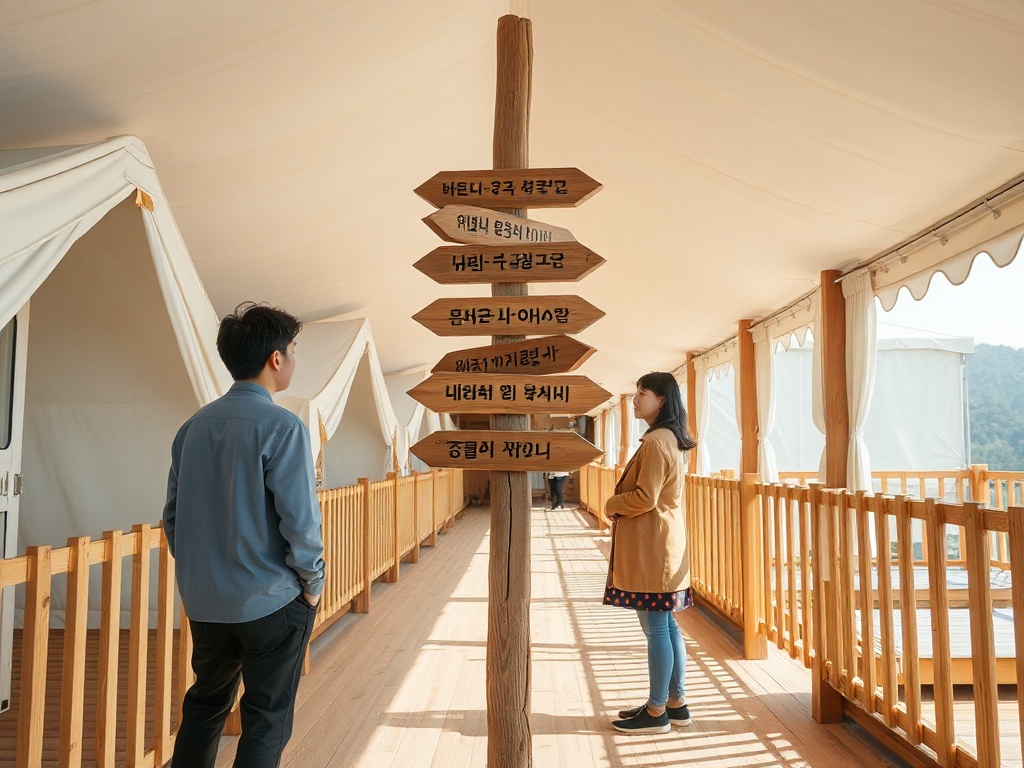
South Korea has a highly developed glamping infrastructure, particularly in provinces surrounding the capital. Here are three distinct regions that offer different experiences for families, along with specific recommendations for local dining to integrate into your sightseeing flow.
Gapyeong: The Mountainous Escape
Gapyeong is the most accessible glamping hub for those coming from Seoul. It is characterized by steep mountains and proximity to the Bukhangang River. Most sites here are clustered around the Jaraseom Island area. This is a great choice for families who want to combine glamping with activities like rail biking or visiting botanical gardens.
Where to eat near Gapyeong:
- Local Dakgalbi Restaurant: Look for places specializing in charcoal-grilled spicy chicken (Dakgalbi). In practice, the charcoal version is more authentic to the region than the stir-fry version. Expect to pay 13,000–15,000 KRW per portion. It is a 10–15 minute drive from most central glamping sites.
- Buckwheat Noodle Cafe: A great stop for lunch before check-in. These cafes usually offer Makguksu (cold buckwheat noodles) for 8,000–10,000 KRW. The vibe is usually rustic and family-friendly.
Pocheon: Granite Cliffs and Lakes
Pocheon offers a more rugged landscape, famous for its granite quarries and the Sanjeong Lake. Glamping sites here often emphasize the 'forest' experience. This region is ideal for families with older children who enjoy light hiking or exploring geological sites like the Pocheon Art Valley.
Where to eat near Pocheon:
- Idong Galbi BBQ: This is the signature dish of the region. These restaurants are often large and can accommodate big families easily. The price is higher, roughly 35,000–45,000 KRW per serving of beef short ribs, but the quality is high.
- Handmade Tofu Houses: For a more budget-friendly meal, the tofu houses near the entrance of the mountain trails offer healthy, filling meals for 10,000–12,000 KRW per person.
Hongcheon: Riverside Relaxation
Hongcheon in Gangwon Province is slightly further away but offers more space. The glamping sites here are often located right along the banks of the Hongcheon River. This is the best option for families who want to go fishing or simply enjoy the sound of running water without the crowds found in Gapyeong.
Where to eat near Hongcheon:
- Braised Spicy Chicken (Dak-bokkeum-tang): Many local eateries near the river serve this in large pots meant for 3–4 people. It usually costs around 50,000–60,000 KRW for the whole pot, making it cost-effective for a full family.
- Traditional Market Snacks: The Hongcheon Central Market is a 20-minute drive from the riverside sites. It is an excellent place to buy fried pancakes and local fruits for 5,000–10,000 KRW to take back to your tent.
When is glamping not the right choice for your family?
Despite the popularity of glamping, it is not a universal fit for every family. There are several critical caveats that can ruin the experience if you are not prepared. First, noise insulation is non-existent. You are essentially sleeping behind a piece of fabric. If your neighbors are loud or if there is a nearby farm with roosters, you will hear everything. Families with light sleepers or babies who need absolute silence should be very cautious.
Second, the 'glamour' in glamping is often superficial. While the interior might have a nice bed and a rug, you are still dealing with the elements. Insects are a constant presence, especially in the humid months of June and July. If anyone in your family has a severe phobia of bugs or a strong aversion to slightly damp environments, a traditional pension or hotel would be a better choice.
Third, the value proposition can be weak for short stays. Because check-in is late (15:00) and check-out is early (11:00), you spend a significant portion of your time just setting up your food and cleaning up. For a one-night trip, the 'work-to-relaxation' ratio can feel skewed. I recommend glamping only if you can stay for at least two nights, or if the site is within a 1-hour drive of your home.
Critical decision criteria for parents
To ensure you choose the right site, use these two criteria to filter your options:
The 'Toddler Test' for Terrain: If your child is under age 4, look at the ground cover in photos. Is it sharp gravel, uneven dirt, or flat grass? Many glamping sites use large gravel (crushed stone) to prevent mud, but this is incredibly difficult for small children to walk on and can lead to scraped knees within minutes of arrival.
The 'Midnight Bathroom' Logistics: Check the floor plan or map of the site. If the bathroom is not inside the tent, how many tents share one communal block? A ratio of more than 5 tents per 1 bathroom stall usually leads to cleanliness issues and long wait times during the morning rush.
Practical steps for a successful glamping experience
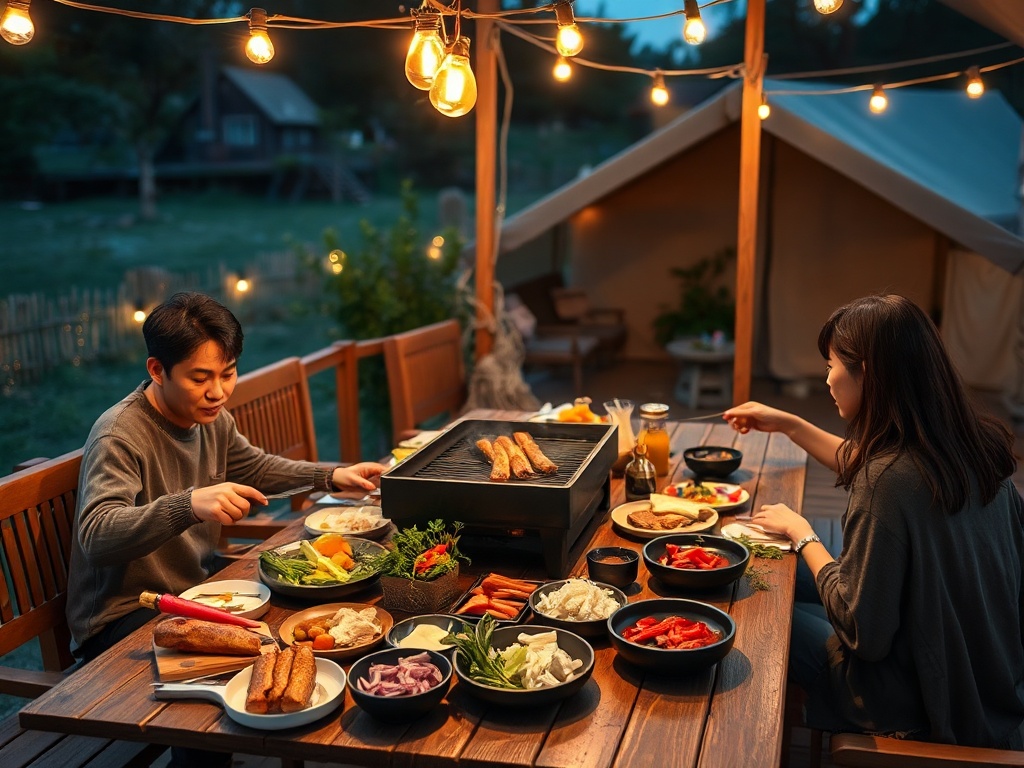
To make the most of your trip, you need to be proactive about the logistics. Do not rely on the site owner to provide everything.
- Pack a 'Kitchen Kit': Even if the site provides tools, I always bring my own sharp knife, a small bottle of dish soap, and a clean sponge. Site-provided sponges are often used for weeks and can be unhygienic.
- Manage the Temperature: Bring layers. Even in the summer, rural areas can cool down significantly at 03:
- A dedicated set of warm pajamas for the children is essential.
- Verify the Water Quality: Many rural glamping sites use groundwater or well water. While usually safe for washing, it may have a high mineral content or a specific smell. I always bring 5–10 liters of bottled water for drinking and cooking to avoid any stomach upsets.
What readers may miss
One detail often overlooked is the power limit of glamping units. Most tents have a limited electrical capacity. If you try to plug in a high-wattage hair dryer while the floor heating and an electric kettle are running, you will likely trip the circuit breaker for your entire unit. Always ask about the wattage limit if you plan to bring your own electrical appliances like a portable projector or a coffee machine.
Conclusion and Next Steps
Family glamping can be a rewarding way to experience the outdoors without the logistical nightmare of traditional camping. However, success depends on managing expectations and verifying the fine print of your booking. Remember these three key points:
- Glamping costs often include hidden fees for heating, extra people, and BBQ supplies; budget at least 40% more than the base rate.
- Safety and sanitation (private bathrooms and car-free zones) are more important than the aesthetic of the tent.
- Location matters; choose a hub like Gapyeong or Pocheon that offers family-friendly dining and activities within a 15-minute drive. Your next step: Before you book, send a direct message to the site operator and ask for the specific wattage limit of the tent's electrical outlets and whether the heating fee is included in the nightly price. If they are vague or slow to respond, consider it a signal to look elsewhere. Proceed with booking only once these costs are confirmed in writing.
Previous
How to Apply for an International Travel Visa for Families
Next
Glamping Recommendations for Families: Top Sites and Budget Tips
More in Travel

Slow Travel with Pets: A 4N5D Low-Walking Guide to Gangneung and Yangyang
Plan a relaxed 4-night, 5-day pet-friendly trip to Gangneung and Yangyang. Discover low-walking itineraries, budget tips, and safety checklists.
1N2D Couple's Travel: The Ultimate Food Allergy Survival Guide
Plan a safe 1-night, 2-day couple's trip abroad. Learn how to manage food allergies using public transit, prepare emergency cards, and build a backup plan.
Hanok Stays: Easy Transit Solo Travel Guide
Discover charming Korean Hanok stays accessible by public transit. Prioritize pace and ease on your solo or friends' weekend trip, avoiding car dependency.
Sick child during overseas travel: Managing care and costs
Learn how to manage a sick child during overseas travel when peak season bookings are full. Discover emergency alternatives, cost-saving tips, and next steps.