How to Apply for an International Travel Visa for Families
Key Takeaways
International travel visa application processes can be complex for families. Learn how to manage documents, photos, and timelines for your next trip abroad.
How to Apply for an International Travel Visa for Families
Most people assume that obtaining a travel visa is a simple matter of filling out a short form and paying a fee, but in practice, it is a bureaucratic maze where a single typo can cancel an entire vacation. Many travelers believe that having a valid passport and a confirmed flight is enough to guarantee entry into a foreign country. However, visa policies are subject to sudden changes, and the digital systems used for e-visas are often less intuitive than they appear. This article provides general information regarding the visa application process and is not a substitute for legal advice or official consular guidance. Always verify requirements with the official embassy of your destination.
The Day Our Vacation Almost Ended at the Check-in Counter
Three years ago, my partner and I were preparing for a much-anticipated trip to Southeast Asia. We had spent months planning the itinerary, booking boutique hotels, and researching the best local food. We had applied for our e-visas 7 days before departure, receiving the approval emails within 48 hours. We assumed everything was perfect. It was only when we stood at the airport check-in counter, 3 hours before our flight, that the agent pointed out a critical error. My partner's middle name had been truncated on the visa because the online form had a character limit we had not noticed.
We were told we could not board. The next 2 hours were a blur of frantic phone calls and refreshing a government website on a spotty airport Wi-Fi connection. We eventually managed to secure an emergency visa at a significantly higher cost, but the stress of those 120 minutes nearly ruined the start of our trip. That experience taught us that the visa process is not just a formality; it is the most fragile link in your travel plans. Since then, we have approached every application with a level of scrutiny that borders on obsessive, especially when coordinating travel for more than two people.
The Critical Insight: Business Days and Technical Specs
The key lesson we learned is that 'processing time' is a variable, not a constant. Most government websites will state a processing time of 3–5 business days. However, this does not account for local holidays in the destination country, time zone differences, or technical glitches in the payment gateway. If you apply on a Friday afternoon, the 'clock' might not even start until Monday morning in the destination country.
Furthermore, the technical requirements for document uploads are often outdated. We once spent 2 hours trying to upload a passport scan that was 5.1MB, only to realize the portal had a hard limit of 5MB without providing an error message. It simply refreshed the page, clearing all our typed data. This level of technical friction is common. Success in visa applications requires patience and a strict adherence to the smallest technical details.
How to Apply for an International Travel Visa: A Step-by-Step Guide
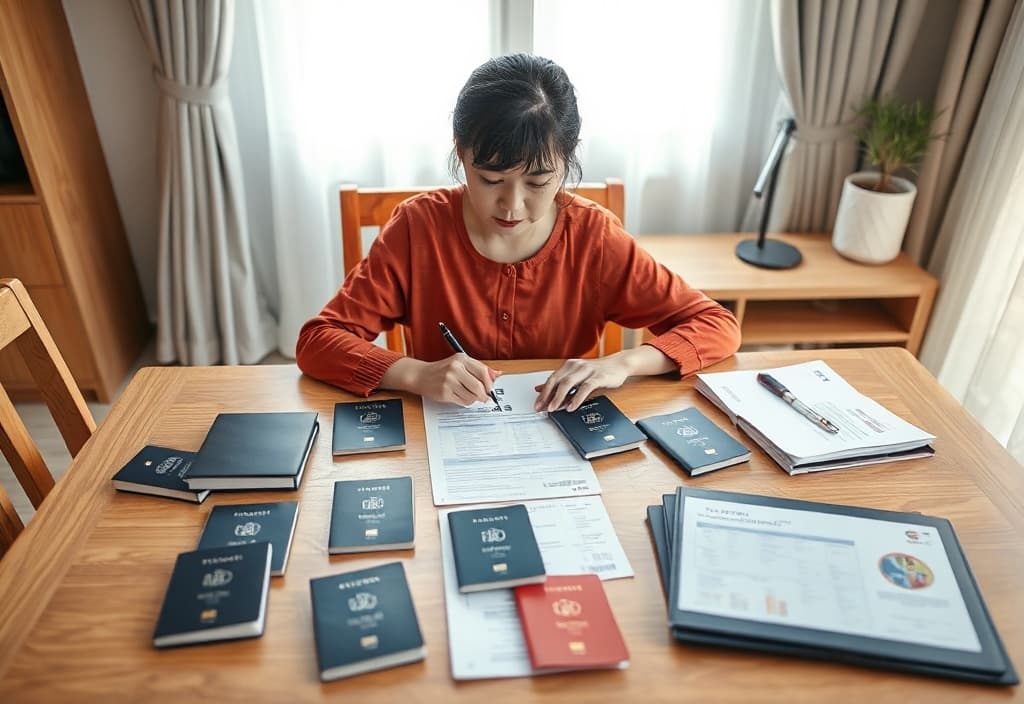
When applying for a family, the complexity multiplies. You are not just managing one set of data, but several, and the margin for error increases with every family member added to the itinerary.
Step 1: The Passport Audit
Before you even look at a visa form, you must perform a physical audit of every family member's passport. Most countries require a minimum of 6 months of validity remaining from the date of entry. In my experience, some airlines will strictly enforce this even if the destination country allows for 3 months.
- Check for at least 2 entirely blank visa pages.
- Verify that the passport is not damaged; even a small tear on the photo page can lead to a visa rejection.
- Ensure that signatures are present where required, as some consulates will reject scans of unsigned passports.
Step 2: Gathering Family-Specific Documentation
Traveling as a couple is relatively straightforward, but bringing children or elderly parents requires additional paperwork. For example, when traveling with minors, many countries require a birth certificate or a notarized letter of consent if both parents are not present.
- Digital copies of birth certificates (under 2MB in PDF format).
- Marriage certificates (if required for certain residency-based visas).
- Proof of financial means, such as 3 months of bank statements.
- A detailed flight itinerary and hotel confirmation for every night of the stay.
Step 3: Navigating the Online Portal
Most modern visas are now 'e-visas' or 'Electronic Travel Authorizations' (ETAs). While convenient, these portals are often poorly translated or have sensitive timeout sessions. I recommend preparing a 'cheat sheet' in a text document that contains the passport number, issue date, expiry date, and address for every family member. This allows you to copy and paste the information quickly before the website session expires, which often happens after 15–20 minutes of inactivity.
Step 4: Mastering the Visa Photo
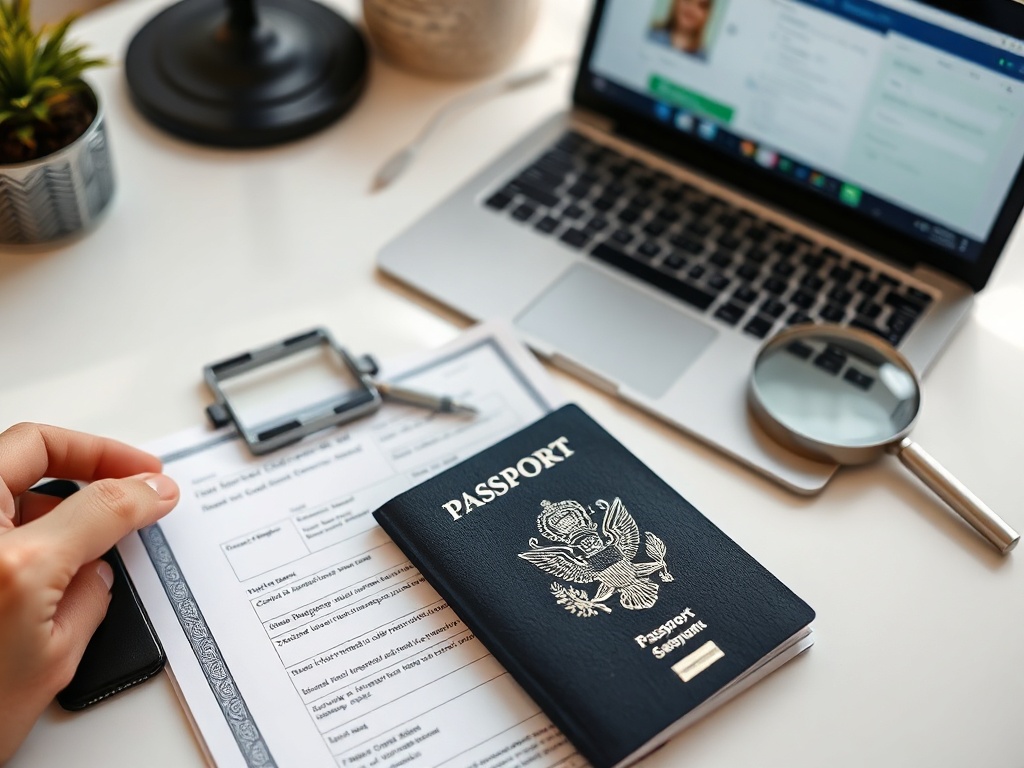
This is where most applications fail. A standard selfie will not work. Based on my observations of various application portals, the biometric software used by immigration departments is incredibly sensitive to head tilt and background color. Specifically, the photo must be exactly 2x2 inches (51x51 mm) for many jurisdictions, or follow the 35x45 mm European standard.
Where to Eat Near the Embassy Hubs
If you are applying for a visa that requires an in-person interview or biometric collection, you will likely spend several hours near a consulate or embassy. In many major cities, these are located in busy central business districts. Here are two locations where we have found reliable food while waiting for our appointments.
Gwanghwamun Area Options
In Seoul, many embassies are clustered around the Gwanghwamun area. If you have a morning appointment and need a place to decompress afterward, we recommend these spots:
- Maple Tree House: This is an excellent choice for families. The vibe is upscale yet welcoming, and they serve high-quality Korean BBQ. It fits perfectly into a sightseeing flow if you plan to visit the nearby palace after your embassy visit. Expect to spend $40–60 per person.
- Cafe Mama's: For a quicker, more casual meal, this cafe is famous for its ricotta cheese salad and panini. It is a great spot to sit with a laptop and double-check your digital documents while you wait for a confirmation email. The price band is roughly $15–20 per person.
Critical Caveats: When the Advice May Fail
It is important to recognize that following every step perfectly does not guarantee a visa. There are several scenarios where the standard DIY approach may not apply or could fail:
- Political Volatility: If diplomatic relations between your home country and the destination country sour, visa processing can be suspended without notice. In 2023, we saw several instances where previously issued e-visas were suddenly invalidated due to policy shifts.
- Criminal Record Issues: Even minor offenses from years ago can trigger a manual review. If any family member has a legal history, the online 'instant' visa will likely fail, and you will be forced to apply in person.
- Dual Nationality: If a family member holds two passports, using the wrong one for the application can lead to significant delays at the border. Always use the passport you intend to present to the immigration officer.
Decision Criteria for Families: DIY vs. Agency
Deciding whether to handle the visa yourself or hire an agency comes down to two main factors: risk tolerance and time.
Criterion 1: Time Investment
Applying for a family of four can take a minimum of 4–6 hours when you account for scanning documents, resizing photos, and filling out individual forms. If your hourly rate or the value of your free time exceeds the $50–100 service fee charged by an agency, outsourcing the task is a logical choice. An agency acts as a filter, catching the typos that you might miss after staring at a screen for hours.
Criterion 2: Complexity of the Destination
For a simple ETA to a country with a high approval rate, DIY is usually fine. However, if the destination requires physical document submission, notarization, or an interview, the risk of a mistake increases. If you are traveling for a once-in-a-lifetime event like a wedding or a specific festival, the cost of an agency is essentially an insurance policy against administrative failure.
What Readers May Miss: The 'Hidden' Requirements
There are several 'hidden' requirements that travelers often overlook until it is too late. For example, some countries require proof of a yellow fever vaccination if you have recently traveled through certain regions. Others require travel insurance with a specific minimum coverage amount (often $30,000 or more) that explicitly includes COVID-19 or medical evacuation.
Another common oversight is the 'Proof of Accommodation' for the entire stay. If you are planning a road trip and haven't booked all your hotels yet, the visa officer may view your application as 'incomplete.' In practice, we have found that providing a firm booking for at least the first 3 nights is usually mandatory, but some stricter consulates require the full itinerary.
When to Proceed, Pause, or Verify
Before you submit your next application, categorize your current status based on these three actions:
- Proceed: If you have more than 6 months on all passports, have high-resolution scans of all documents, and are applying at least 4 weeks before your flight.
- Pause: If you are within 14 days of your trip and haven't started the process. At this point, the risk of a delay is high, and you should consider an expedited service or a professional agency to minimize errors.
- Verify: If you are traveling with non-immediate family members, have a complex travel history, or are visiting a country with recent policy changes. Check the official government 'News' or 'Announcements' section of the destination's immigration portal for any updates posted within the last 30 days.
Conclusion
Navigating international travel visas for a family requires more than just filling out forms; it requires a systematic approach to document management and a healthy respect for bureaucratic detail. By auditing your passports early, understanding the technical limits of online portals, and recognizing when a professional agency is worth the investment, you can avoid the pre-trip panic that many travelers face.
To summarize the key takeaways:
- Verify everything twice: Passport validity and name spelling are the most common points of failure.
- Respect the timeline: Business days are not calendar days; always allow for a buffer of at least 14 days.
- Technical precision matters: Ensure your digital photos and document scans meet the exact size and format requirements of the portal. Your specific action for today: Open every family member's passport and check the expiration dates. If any expire within the next 7 months, schedule a renewal appointment immediately, even if you don't have a trip booked yet. Having a ready-to-go passport is the best way to ensure that a sudden travel opportunity doesn't turn into a bureaucratic nightmare.
Previous
Solo Travel Safety Tips: A Complete Guide for New Travelers
Next
How to Apply for an International Travel Visa for Families
More in Travel

Slow Travel with Pets: A 4N5D Low-Walking Guide to Gangneung and Yangyang
Plan a relaxed 4-night, 5-day pet-friendly trip to Gangneung and Yangyang. Discover low-walking itineraries, budget tips, and safety checklists.
1N2D Couple's Travel: The Ultimate Food Allergy Survival Guide
Plan a safe 1-night, 2-day couple's trip abroad. Learn how to manage food allergies using public transit, prepare emergency cards, and build a backup plan.

Hanok Stays: Easy Transit Solo Travel Guide
Discover charming Korean Hanok stays accessible by public transit. Prioritize pace and ease on your solo or friends' weekend trip, avoiding car dependency.

Sick child during overseas travel: Managing care and costs
Learn how to manage a sick child during overseas travel when peak season bookings are full. Discover emergency alternatives, cost-saving tips, and next steps.