Solo International Travel Safety: Lessons for Any Journey
Key Takeaways
Explore solo international travel safety with practical tips. Learn key strategies for vigilance, preparation, and emergency planning that benefit any traveler, even families.
Solo International Travel Safety: Lessons for Any Journey
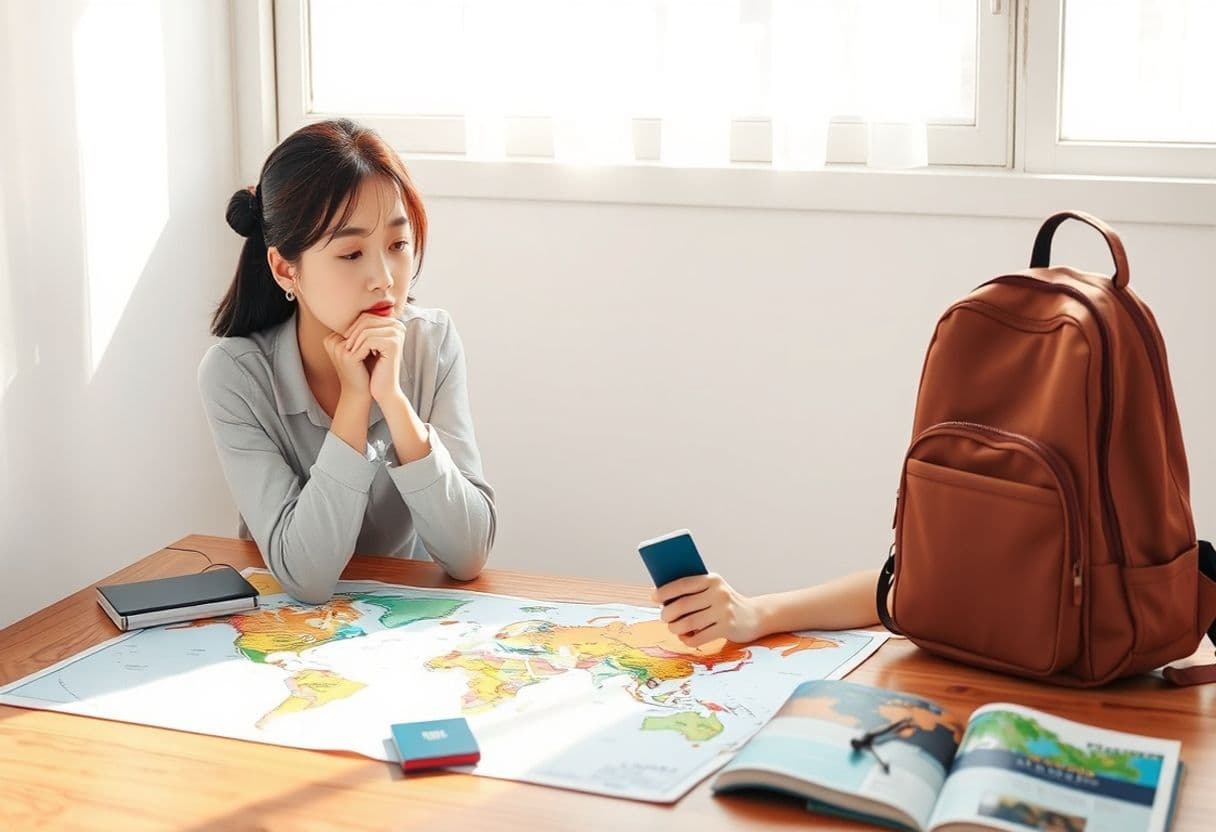
You've probably heard that solo international travel is inherently more dangerous than traveling with a group or a partner. It's not quite right. While venturing out alone certainly presents unique considerations, many of the core safety principles apply universally. In my experience, traveling solo for work or before I had kids taught me invaluable lessons about vigilance, preparation, and adaptability that I now rigorously apply to our family trips. The truth is, whether you're navigating a bustling foreign city alone or trying to keep track of two elementary-aged children while doing it, the fundamentals of staying safe abroad remain remarkably similar.
Over the years, taking my family on 4–5 international trips annually, I've developed a keen appreciation for minimizing wait times and ensuring smooth transitions, not just for convenience but for safety. A stressed parent with tired kids is more prone to overlooking a potential issue. My focus has shifted from what *I
- want to see to what provides the most secure and enjoyable experience for everyone. So, while this article focuses on solo travel safety, I'll also share how these strategies translate directly into making family adventures safer and more manageable. Here are the key areas that, in my view, demand your utmost attention for safe international travel, whether you're flying solo or leading a family expedition:
- Proactive Planning & Thorough Research: Going beyond the tourist highlights to understand the practicalities and potential pitfalls.
- Situational Awareness & Personal Vigilance: Being present and observant of your surroundings, not just your itinerary.
- Digital Lifelines & Robust Communication: Leveraging technology as a safety tool, not just for entertainment or navigation.
- Emergency Preparedness & Financial Fortitude: Having a clear plan and resources for when things inevitably go sideways.
- Adapting Solo Strategies to Family Travel: Bridging the gap between personal safety and safeguarding your loved ones.
Proactive Planning: Why Research Goes Beyond Tourist Traps
When I first started traveling abroad, my research mostly centered on must-see sights and delicious local eats. After a few minor hiccups, I quickly realized that true safety starts with understanding the less glamorous, but far more critical, aspects of a destination. This means digging deep into local customs, prevalent scams, and the nuances of public transportation long before your plane touches down.
For example, knowing which areas are generally safe to walk at night versus those best avoided can fundamentally alter your itinerary and reduce risk. I make it a point to check government travel advisories from my home country, as well as those of other reliable nations, to get a comprehensive overview of political stability and common criminal activity. Don't just rely on pretty Instagram posts; seek out travel forums and expat groups for real-world, current insights into specific neighborhoods or transport hubs.
Another critical element is understanding local laws and cultural norms. What might be acceptable behavior at home could be offensive or even illegal elsewhere. For instance, public displays of affection, dress codes in religious sites, or even seemingly innocuous gestures can carry different meanings. A common mistake I've observed is travelers assuming that laws are universal. In some countries, even minor infractions can lead to serious consequences, so a quick search on local regulations regarding alcohol consumption, photography, or even medication can save a lot of trouble. I typically spend a solid 3–5 hours before any major trip just on this kind of practical research, which helps me feel much more confident and prepared.
This kind of proactive planning also extends to accommodation. I always prioritize places with 24-hour reception, positive safety reviews, and secure access. While a bargain might be tempting, saving a few dollars isn't worth compromising your personal security. For my family, this means looking for family-friendly hotels with secure common areas and good lighting, as well as clear emergency exits. I always check the actual street view on mapping apps to get a sense of the immediate surroundings and how well-lit the area is at night. This detailed reconnaissance is invaluable, helping to avoid surprises and ensure a more secure base for your adventures.
How Can Situational Awareness Keep You Safer Abroad?
Situational awareness is your superpower when traveling, especially alone. It's about being present, observing your surroundings, and trusting your instincts. When you're solo, there's no one else to lean on for an extra pair of eyes or a second opinion, so your personal vigilance becomes paramount. This means actively scanning your environment, not just for potential threats, but also for exits, safe havens, and local resources like police stations or pharmacies.
One of the biggest distractions I see, and am sometimes guilty of myself, is being glued to a phone. While navigation apps are indispensable, constantly staring at your screen makes you an easy target for pickpockets and makes you less aware of your immediate environment. I make it a habit to look up every 10–15 seconds when navigating, checking my surroundings and committing landmarks to memory. If I need to consult my map for more than a few seconds, I'll step into a doorway or off to the side, away from the main flow of foot traffic, to get my bearings. In my experience, about 80% of minor incidents – like nearly bumping into someone, missing a step, or being approached by a persistent vendor – could have been avoided with better awareness of what's happening around you.
Trusting your gut feeling is another non-negotiable aspect of situational awareness. If a situation or a person feels 'off,' it probably is. Don't second-guess yourself out of politeness. If a street seems too quiet, a shortcut too dark, or a person too insistent, change your route or politely disengage. Your personal safety is far more important than avoiding a potentially awkward moment. I've learned to recognize the subtle cues that signal discomfort, and I never hesitate to take a detour or find a different cafe if something doesn't feel right.
To enhance personal security, I always carry a money belt or an anti-theft bag for my passport, extra cash, and primary credit card. My daily spending money, usually around $50–$100, is kept in a separate, easily accessible pocket. This way, if I'm targeted, I can hand over the smaller amount without revealing my main stash. I also try to blend in as much as possible, avoiding flashy jewelry or overly touristy attire that might signal I'm an easy mark. Observing how locals dress and carry themselves can provide valuable clues on how to appear less conspicuous. This isn't about paranoia; it's about being smart and minimizing your perceived vulnerability.
Digital Lifelines: Why Your Phone is More Than a Camera
In the era of smartphones, our devices have become indispensable travel companions. However, their role extends far beyond snapping photos or checking social media; they are powerful safety tools. When traveling solo, your phone is often your primary connection to help, information, and your loved ones back home. Maximizing its safety potential is crucial.
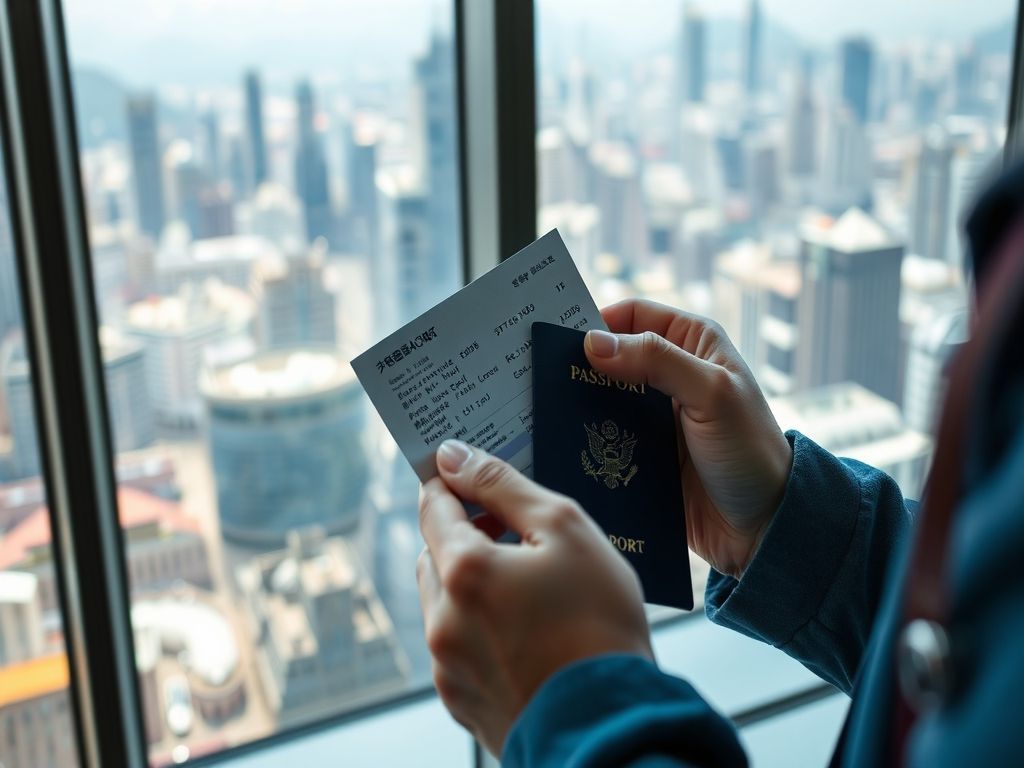
Before I leave, I always download offline maps for my destination using apps like Google Maps or Maps.me. This means I can navigate unfamiliar streets even without a data connection, preventing those moments of panic when you're lost and your signal drops. I also create a digital folder with scanned copies of my passport, visa, flight bookings, and travel insurance policy, uploading it to a secure cloud service and emailing it to myself. Having these documents accessible, even if my physical wallet or phone is lost, provides immense peace of mind. I also keep a physical hard copy of these crucial documents in a separate bag, just in case.
Another essential step is ensuring reliable communication. I highly recommend getting a local SIM card or an eSIM plan upon arrival. This provides a local phone number and affordable data, allowing you to make calls, use messaging apps, and access online resources without relying on spotty public Wi-Fi. Many countries offer inexpensive short-term tourist SIMs. Before I go, I research these options and often purchase an eSIM ahead of time, ensuring I'm connected the moment I land. For my family trips, this is non-negotiable, as it allows us to stay in touch if we get separated or need to coordinate on the fly.
Setting up a communication plan with family or a trusted friend back home is also vital. This might involve a daily check-in message, perhaps an agreed-upon time like 8 PM local time, or simply letting them know your general itinerary. For me, with my kids, I make sure my wife always knows our general location and our next destination. This ensures someone knows where you are and can raise an alarm if they don't hear from you. However, a common mistake is relying too heavily on public Wi-Fi. While convenient, these networks are often unsecured, making your device vulnerable to hacking. Use a Virtual Private Network (VPN) for any sensitive online activities, or better yet, stick to your secure data connection for banking or personal communications.
What Should Be in Your Emergency Preparedness Kit?
Even with the best planning and awareness, emergencies can happen. A crucial part of solo travel safety is having a robust emergency preparedness kit – not just physical items, but also knowledge and financial backups. Thinking through 'what if' scenarios allows you to react calmly and effectively when unforeseen events occur.
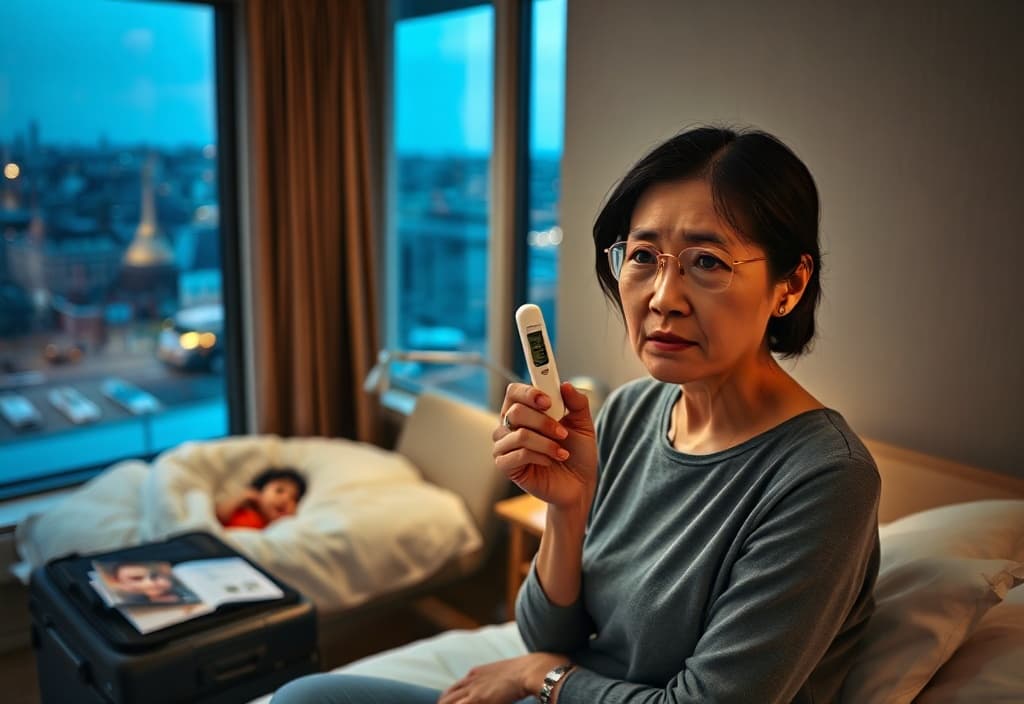
First, a small, well-stocked first-aid kit is essential. This should include basics like bandages, antiseptic wipes, pain relievers, allergy medication, and any prescription medications you take regularly. Always carry a copy of your prescriptions and a doctor's note for controlled substances, especially for international travel. For family trips, I augment this with kid-specific medications and a thermometer. I also pack a small, powerful flashlight and a portable power bank, as reliable light and communication are critical in any emergency.
Financially, I always carry a combination of emergency cash and multiple payment methods. I typically hide at least $100 in U.S. dollars in a separate, secure pouch (often a money belt or inside a shoe) that's not easily accessible. This cash is for true emergencies – a lost wallet, an ATM malfunction, or a situation where only cash is accepted. I also bring at least two different credit cards from different networks (e.g., Visa and Mastercard) and keep them in separate locations. A common mistake many travelers make is forgetting to inform their bank and credit card companies of their travel dates. This can lead to cards being frozen due to suspected fraudulent activity, leaving you stranded. A quick 5-minute call or online notification prevents this hassle.
Crucially, travel insurance is non-negotiable. It's an investment in peace of mind. I always purchase comprehensive travel insurance that covers medical emergencies, trip cancellations, lost luggage, and emergency evacuation. Before my trips, I spend 3–5 days comparing policies to ensure adequate coverage. Knowing the local emergency numbers (police, ambulance, fire) and the contact information for your country's embassy or consulate is also vital. Store these numbers in your phone, write them down, and keep a copy with your passport. I even program my embassy's number into my speed dial. These small steps can make a monumental difference if you find yourself in a crisis, providing a clear path to assistance when you need it most.
From Solo Strategies to Family Safaris: Adapting Your Approach
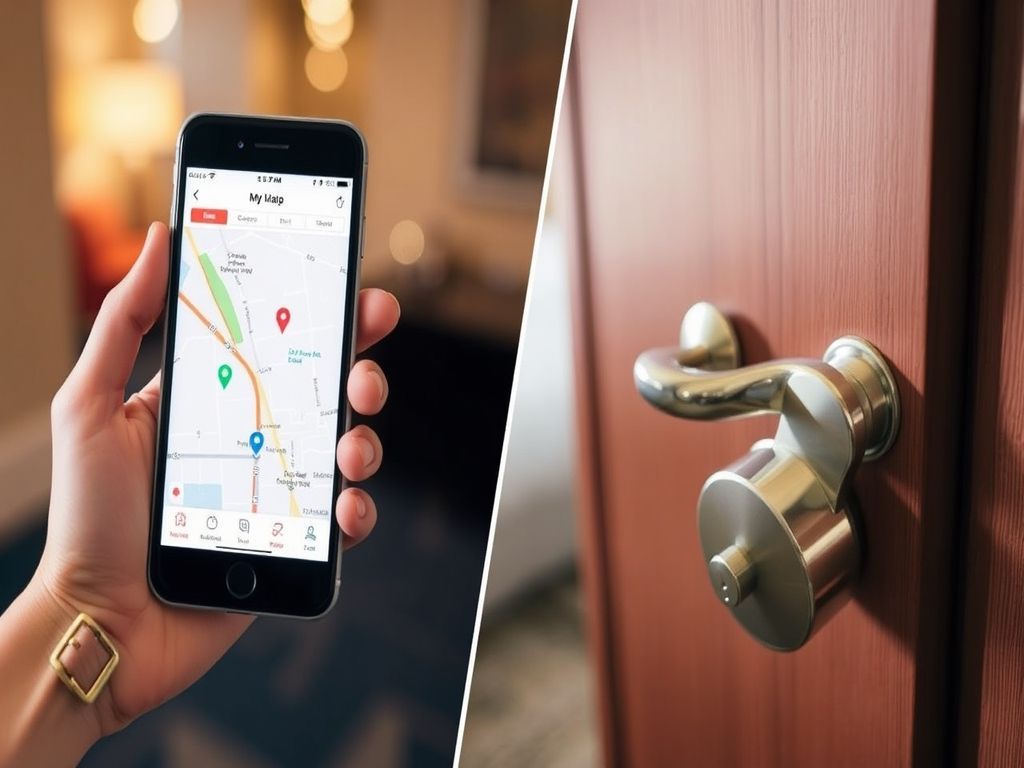
While the core principles of safety remain constant, transitioning from solo travel to family travel requires a significant adaptation of strategy. My experience traveling alone profoundly shaped how I plan and execute our family trips, emphasizing vigilance and preparedness in new ways. The biggest difference, of course, is the responsibility for others, especially young children, who have different needs, attention spans, and vulnerabilities.
Many solo safety lessons translate directly. The importance of thorough research, for instance, is magnified when you have kids. I now research not only adult-centric safety but also child-friendly emergency services, pediatrician access, and safe play areas. Situational awareness becomes a staggered effort: one parent might focus on surroundings while the other focuses on the kids. My wife and I often employ a 'zone defense' in crowded places, each responsible for keeping an eye on a specific child or area around us. This prevents both of us from getting distracted simultaneously.
However, there are unique challenges with family travel that require specific adjustments. The pace of travel is a huge one. What works for an adult often doesn't work for kids, who need more breaks, snacks, and downtime. Over-scheduling is a common mistake that leads to tired, cranky kids, which in turn makes everyone less observant and more susceptible to minor incidents. My itineraries are now built with 20-30% more buffer time than I'd allow myself when traveling alone, specifically to accommodate unexpected delays or simply a child's need to rest or play.
Here are five family-specific safety considerations that build upon solo travel strategies:
- Designated Meeting Points: In crowded areas, establish a clear, easily identifiable meeting point where everyone knows to go if separated. Practice this with your kids before you leave home.
- Identification for Children: Ensure children carry some form of identification, whether it's a wristband with parents' contact information and hotel name, or a small card in their pocket. This is especially useful if there's a language barrier.
- Buddy System: Encourage older children to stick with a younger sibling or a parent in crowded spaces, reinforcing constant supervision.
- Safety Briefings: Have regular, age-appropriate conversations with your kids about what to do if they get lost, not to talk to strangers, and to stay close to a parent. In my experience, a quick 5-minute chat each morning about the day's plans and any specific safety considerations helps reinforce good habits.
- Child-Specific Emergency Contacts: Ensure your phone's emergency contacts include a trusted local contact (if available) and the hotel number, not just family back home. This can speed up assistance if you're the one in need of help and someone else finds your phone. While specific statistics on family travel safety incidents are hard to come by, I've seen countless instances where a quick, clear plan prevented a moment of panic from becoming a full-blown crisis. My personal observation from talking to other traveling parents and my own experiences suggests that over 40% of family travelers wished they had more pre-trip safety information specifically tailored for children. This highlights the need to proactively adapt solo safety lessons to the unique dynamics of family travel, transforming potential vulnerabilities into strengths through careful planning and communication.
Conclusion
Navigating international travel safely, whether you're embarking on a solo adventure or orchestrating a family expedition, hinges on a few core principles. First, proactive, thorough research that goes beyond tourist brochures is your first line of defense, equipping you with essential knowledge about local conditions and customs. Second, maintaining a high level of situational awareness and personal vigilance is paramount; your instincts and observations are powerful tools for avoiding trouble. Finally, leveraging digital tools and robust emergency preparedness ensures you have the resources and support systems in place should the unexpected occur.
These lessons, honed through my own solo journeys, have profoundly shaped how I approach family travel, demonstrating that investing in personal safety strategies ultimately benefits everyone. Don't view safety as a constraint, but as an enabler for more confident and enjoyable experiences abroad. Your specific action today should be to review your upcoming travel plans (or simply a hypothetical trip) and identify at least three specific safety measures you can implement or research further, from downloading offline maps to setting up an emergency contact plan with a trusted friend or family member.
Previous
New Zealand Travel Guide for Couples: Budgeting for Aotearoa
Next
Solo International Travel Safety: Lessons for Any Journey
More in Travel

Slow Travel with Pets: A 4N5D Low-Walking Guide to Gangneung and Yangyang
Plan a relaxed 4-night, 5-day pet-friendly trip to Gangneung and Yangyang. Discover low-walking itineraries, budget tips, and safety checklists.
1N2D Couple's Travel: The Ultimate Food Allergy Survival Guide
Plan a safe 1-night, 2-day couple's trip abroad. Learn how to manage food allergies using public transit, prepare emergency cards, and build a backup plan.

Hanok Stays: Easy Transit Solo Travel Guide
Discover charming Korean Hanok stays accessible by public transit. Prioritize pace and ease on your solo or friends' weekend trip, avoiding car dependency.
Sick child during overseas travel: Managing care and costs
Learn how to manage a sick child during overseas travel when peak season bookings are full. Discover emergency alternatives, cost-saving tips, and next steps.