Currency Exchange Tips for Seniors: Best Travel Money Methods
Key Takeaways
Learn the best currency exchange methods for international travel. Compare cash, travel cards, and ATMs to save on fees and ensure security on your next trip.
Currency Exchange Tips for Seniors: Best Travel Money Methods
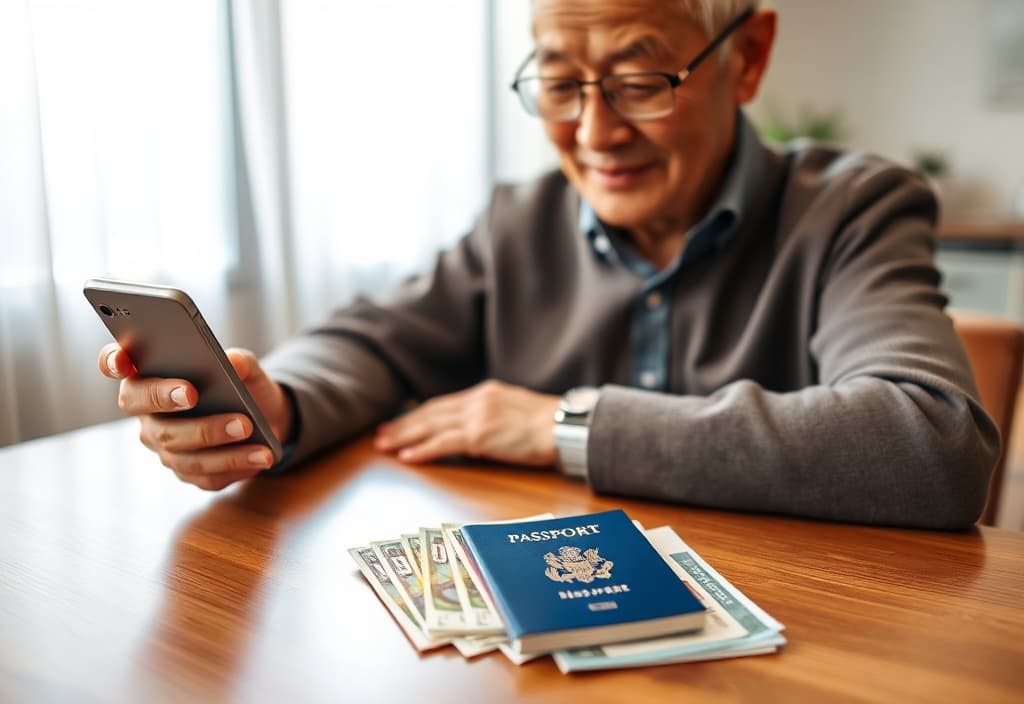
You have probably heard that the best way to handle travel money is to visit your local bank and exchange a large sum of cash before you depart for your trip. It is not quite right. While having some physical currency acts as a reliable safety net, relying solely on cash is often the most expensive and least secure way to manage your finances abroad. In my experience traveling 4–5 times a year with my family and two elementary-age kids, I have found that the traditional 'cash-first' mindset leads to higher fees and unnecessary stress. For senior travelers or those entering retirement, the landscape of global finance has shifted toward digital solutions that are safer and significantly cheaper, provided you know how to navigate the technical hurdles.
Why Currency Management Actually Matters
Ignoring the mechanics of currency exchange can have a measurable negative impact on your travel budget. Most travelers assume that a 1% or 2% difference in exchange rates is negligible, but these costs compound quickly. For a retired couple on a two-week trip to Europe or Japan, spending 5,000 USD, a poor exchange strategy can easily result in 250–400 USD in unnecessary fees. This is money that could have been spent on an extra night in a high-quality hotel or a premium dining experience.
The concrete consequence of sticking to old habits—like exchanging money at the airport—is that you are essentially paying a 'convenience tax' of 10–15% on every dollar. Furthermore, carrying large amounts of cash makes you a primary target for pickpockets. If you lose a wallet containing 1,000 USD in cash, that money is gone forever. If you lose a travel card, you can freeze it instantly from a smartphone app, protecting your retirement savings. In my years of planning itineraries, I have learned that minimizing wait times at exchange booths and reducing the physical bulk of a wallet makes the transition between cities much smoother, especially when managing children and luggage simultaneously.
How to Manage Your Travel Money Effectively
To optimize your travel funds, you need a multi-layered approach that balances cost-efficiency with accessibility. I have refined a system that works across different continents and age groups.
1. Utilize Travel-Specific Digital Cards
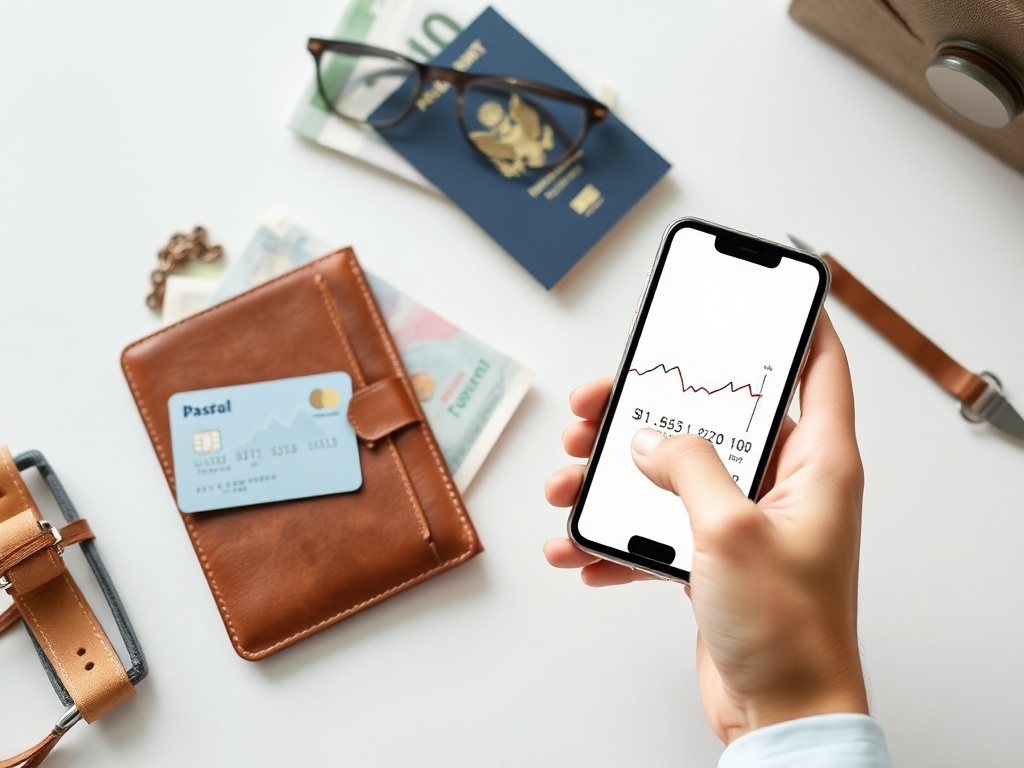
Modern travel cards, often managed via smartphone apps, offer the 'mid-market' exchange rate. This is the real rate you see on Google, without the 3–5% markup banks usually add. I recommend setting up one of these accounts at least 3 weeks before your trip. You can load your home currency and convert it to the destination currency when the rate is favorable. Specifically, look for cards that offer 0% foreign transaction fees and at least 200–300 USD in free monthly ATM withdrawals.
2. Strategic ATM Withdrawals
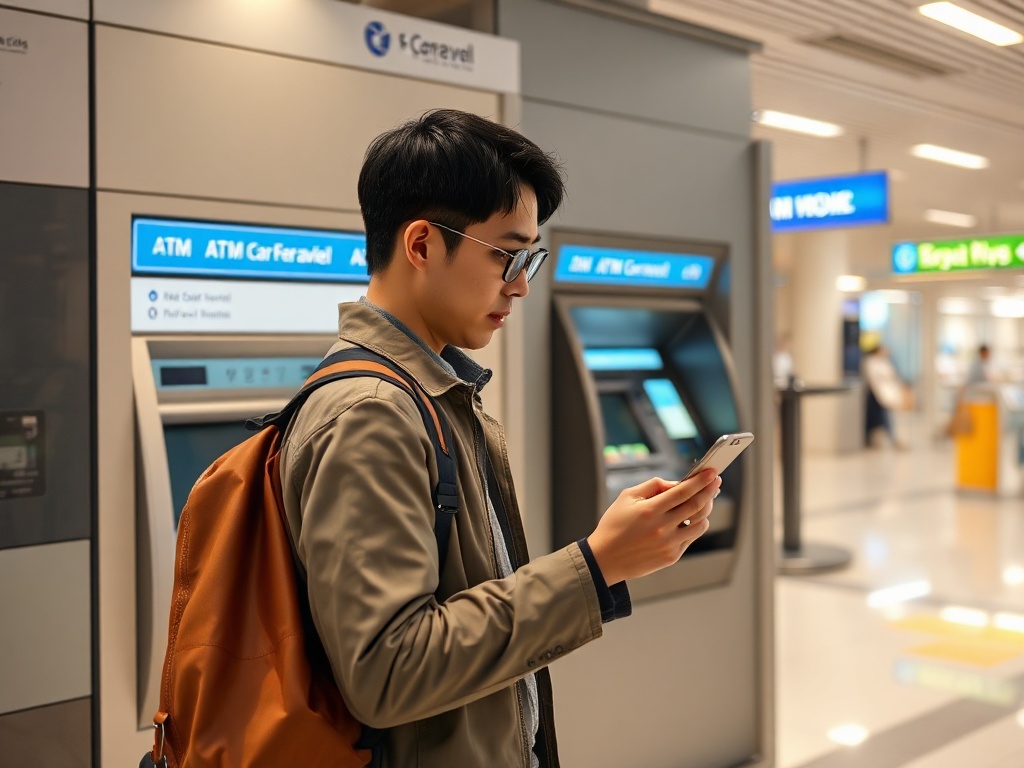
Instead of carrying all your cash from home, use local ATMs upon arrival. However, you must be careful about which ATM you choose. I always look for ATMs located inside a bank branch during business hours. If the machine eats your card, you can talk to a human immediately. When the ATM asks if you want to be charged in your 'Home Currency' or the 'Local Currency,' always choose the local currency. This prevents the ATM owner from applying their own predatory exchange rate, a practice known as Dynamic Currency Conversion (DCC).
3. Maintain an Emergency Cash Reserve
Despite the push toward a cashless society, I always carry a 'just in case' stash. I recommend 200 USD in crisp, clean 20-dollar or 50-dollar bills. This should be kept separate from your daily wallet. In many parts of the world, US dollars are the most widely accepted backup currency if a local ATM network goes down or a power outage occurs. In practice, I have used this emergency stash exactly twice in the last five years, but the peace of mind it provides when traveling with family is invaluable.
4. Know Where to Spend Cash vs. Card
Understanding the local culture of payment is essential for a smooth itinerary. For example:
- In Paris, a traditional bistro in the 6th Arrondissement may have a 30–50 EUR price point. While they accept cards for full meals, they might insist on cash for a 3 EUR espresso at the bar.
- In Kyoto, a small family-run ramen shop near the station (usually 1,000–1,500 JPY) often uses a ticket vending machine that only accepts physical yen notes and coins.
- In London, a modern cafe near the Southbank (15–25 GBP) might be entirely cashless, meaning they will refuse your physical pound notes entirely.
Common Mistakes and How to Fix Them
Mistake 1: Exchanging at Airport Kiosks
This is the single most common error. Airport booths have high rents and low competition, leading to markups of 10% or more. If you absolutely need cash for a taxi upon arrival, only exchange 20–30 USD—just enough to get to your hotel. Once you are in the city center, use a bank-affiliated ATM to get the rest of your funds at a much better rate.
Mistake 2: Falling for the 'Zero Commission' Trap
Many exchange offices display signs saying '0% Commission.' This is a marketing tactic. While they may not charge a flat fee, they hide their profit in a very poor exchange rate. Always check the current rate on a reliable app before stepping into an exchange office. If the rate they offer is more than 2% away from the market rate, walk away.
Mistake 3: Relying on a Single Card
I have seen many travelers stranded because their bank's fraud detection system flagged a legitimate international purchase and blocked their only card. To fix this, always carry at least two cards from different banking institutions. I keep one in my wallet and one in a secure pocket in my backpack. This redundancy ensures that a single technical glitch doesn't derail your entire trip.
Critical Caveats and What You Might Miss
While digital-first methods are superior, they are not a universal fit for every traveler or every destination. There are specific scenarios where the advice to rely on cards may fail.
Technical Barriers for Seniors
Many modern travel cards require two-factor authentication (2FA). This means when you try to pay or log in, the bank sends a text message to your phone. If you have swapped your home SIM card for a local one, or if you do not have an international roaming plan, you may not receive that text. This can lock you out of your own money. Before leaving, I suggest checking if your bank allows authentication via email or a dedicated physical security token.
Regional Cash Reliance
In certain countries, such as Germany or parts of Japan, cash is still king in many smaller establishments. If your itinerary involves rural areas or traditional markets, the 'card-first' strategy will struggle. Conversely, in Scandinavia, some public toilets and buses no longer accept cash at all. You must research the 'cash-to-card ratio' of your specific destination at least 2 weeks before departure.
The Skill Level Required
Using apps to manage currency requires a certain level of comfort with technology. If you find smartphone interfaces frustrating, the stress of managing a digital wallet while standing in a busy queue might outweigh the 3% savings. In this case, the best decision is to stick with a traditional credit card from a major bank and accept the small foreign transaction fee as a cost of convenience.
Decision Criteria for Your Strategy
When choosing how to handle your money, use these two criteria to decide your mix:
Risk Tolerance: If you are worried about theft, prioritize digital cards with instant-freeze features. If you are worried about technology failing, prioritize having 20% of your total budget in physical cash.
Destination Infrastructure: Use official government travel advisories or recent travel forums to check the current state of payment systems. If the destination is 90% cashless (like the UK or Sweden), don't bother with a large cash exchange. If it is a cash-heavy society (like Vietnam or parts of Italy), ensure you have a debit card with high ATM limits.
Summary of Key Points
- Avoid Airport Exchange Booths: They are the most expensive way to get local currency, often costing you 10% or more in hidden fees.
- Always Choose Local Currency: When using an ATM or card terminal, never select the 'Home Currency' option to avoid predatory Dynamic Currency Conversion rates.
- Maintain Redundancy: Carry at least two different cards and a small emergency cash stash of 200 USD kept in a separate location from your primary wallet. One specific action to take today: Check the 'Foreign Transaction Fee' policy on your primary credit card. If it is anything higher than 0%, contact your bank to see if they offer a travel-friendly version, or begin an application for a dedicated travel debit card to ensure your funds go toward your experiences rather than bank fees.
Previous
Travel Insurance for Backpackers: How to Choose the Best Policy
Next
Currency Exchange Tips for Seniors: Best Travel Money Methods
More in Travel

Slow Travel with Pets: A 4N5D Low-Walking Guide to Gangneung and Yangyang
Plan a relaxed 4-night, 5-day pet-friendly trip to Gangneung and Yangyang. Discover low-walking itineraries, budget tips, and safety checklists.
1N2D Couple's Travel: The Ultimate Food Allergy Survival Guide
Plan a safe 1-night, 2-day couple's trip abroad. Learn how to manage food allergies using public transit, prepare emergency cards, and build a backup plan.

Hanok Stays: Easy Transit Solo Travel Guide
Discover charming Korean Hanok stays accessible by public transit. Prioritize pace and ease on your solo or friends' weekend trip, avoiding car dependency.

Sick child during overseas travel: Managing care and costs
Learn how to manage a sick child during overseas travel when peak season bookings are full. Discover emergency alternatives, cost-saving tips, and next steps.