Vegetarian Japchae: A Diet-Friendly Guide to Making This Classic Dish
Key Takeaways
Learn to make delicious, diet-friendly vegetarian Japchae from scratch. Discover healthier noodle alternatives, cooking tips, and how to perfect this classic Korean dish for your plant-based diet.
Vegetarian Japchae: A Diet-Friendly Guide to Making This Classic Dish
You've probably heard that making Japchae from scratch is an all-day affair, a complicated culinary marathon reserved for special occasions and experienced chefs. It's not quite right. While it does involve a few steps, the process is far more approachable than many believe, especially when you're aiming for a healthier, vegetarian version. In my kitchen, where 'eyeballing' measurements is a common practice and 'learning from mistakes' is the unofficial motto, I've discovered that Japchae is incredibly forgiving and adaptable. It's a dish that truly shines when you understand its core components and learn how to tweak them to fit your dietary goals, whether you're a seasoned vegetarian or just looking to incorporate more plant-based meals into your routine.
How Can I Make Japchae Healthier for a Vegetarian Diet?
This section is for complete newcomers to Japchae or those looking to pivot to a healthier, vegetarian approach. We'll focus on the basics, ensuring you build a strong foundation without feeling overwhelmed.
The beauty of Japchae lies in its versatility. Traditionally, it's a mix of stir-fried glass noodles (made from sweet potato starch) and various vegetables, often with beef. But for a diet-friendly, vegetarian version, the possibilities are endless. My initial attempts at making Japchae were often too oily, too sweet, or simply didn't have that vibrant vegetable crunch. I realized that the key to a healthier version isn't just swapping out meat; it's about mindful preparation of *all
- the ingredients.
Choosing Your Noodles Wisely
The foundation of Japchae is dangmyeon, the clear, chewy sweet potato glass noodles. These are naturally gluten-free and have a wonderful texture, but they can be high in carbohydrates if consumed in large quantities. For a diet-conscious approach, portion control is key. A typical serving might use about 50–70 grams of dry noodles per person.
- Sweet Potato Noodles (Dangmyeon): The traditional choice. Look for brands with minimal ingredients. Cook them al dente – usually 6–8 minutes boiling, then drain and rinse with cold water to stop cooking and prevent sticking. This rinsing step is crucial; skip it, and you'll end up with a sticky, clumpy mess, as I learned the hard way more than once.
- Shirataki Noodles: For a very low-carb option, shirataki noodles are an excellent substitute. Made from konjac yam, they have almost no calories or carbs. They do have a unique texture and sometimes a slight odor when first opened, which disappears after a good rinse and a quick dry-fry in a hot pan for 1–2 minutes to remove excess moisture. They won't absorb flavors as readily as sweet potato noodles, so you might need to season them a bit more aggressively.
- Zucchini Noodles or Spaghetti Squash: These vegetable-based 'noodles' offer a fresh, nutrient-dense alternative. Spiralize zucchini or roast and shred spaghetti squash. They require very little cooking – just a quick toss in the hot pan with your sauce at the very end to warm through, preventing them from becoming watery and limp.
Vegetable Power: Maximize Your Greens and Colors
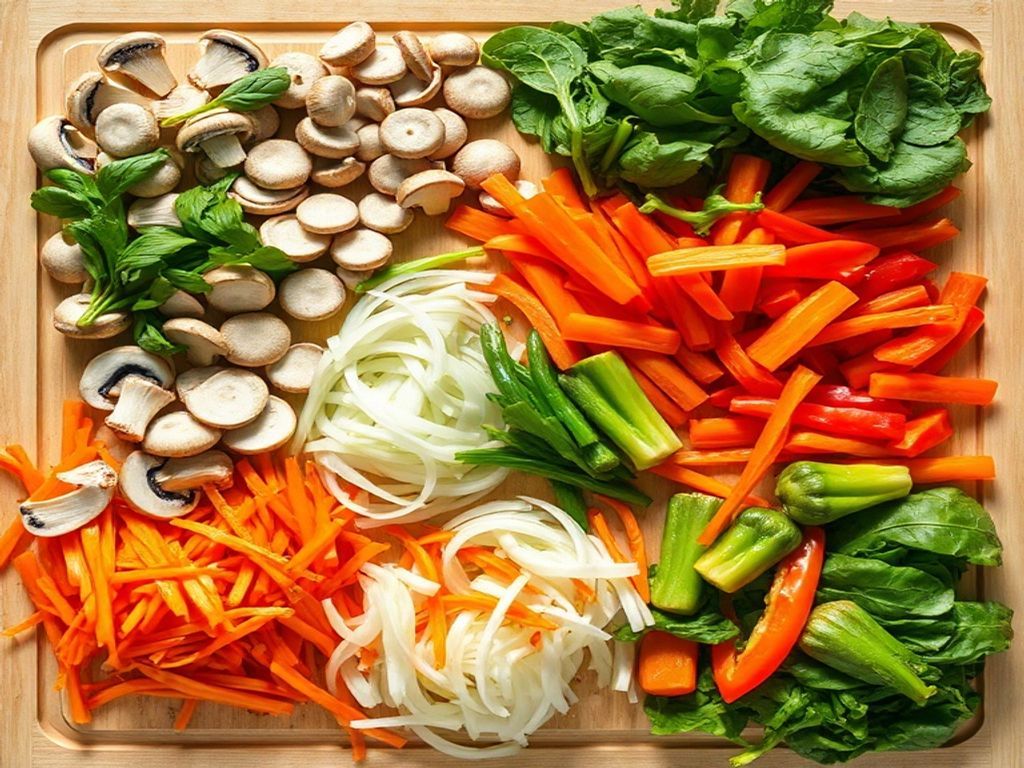
This is where your vegetarian Japchae truly shines. Aim for a rainbow of vegetables to maximize nutrient intake and visual appeal. When I first started, I'd throw everything into one big pan, leading to unevenly cooked, sometimes mushy vegetables. The secret, as I painfully discovered, is cooking them separately or in small batches.
- Spinach: Blanch briefly (about 30 seconds) and squeeze out excess water. Season with a tiny pinch of salt and a dash of sesame oil. This separate seasoning helps build layers of flavor.
- Carrots & Onions: Thinly slice or julienne. Stir-fry for 1–2 minutes until tender-crisp. Don't overcook them; they should retain a slight bite.
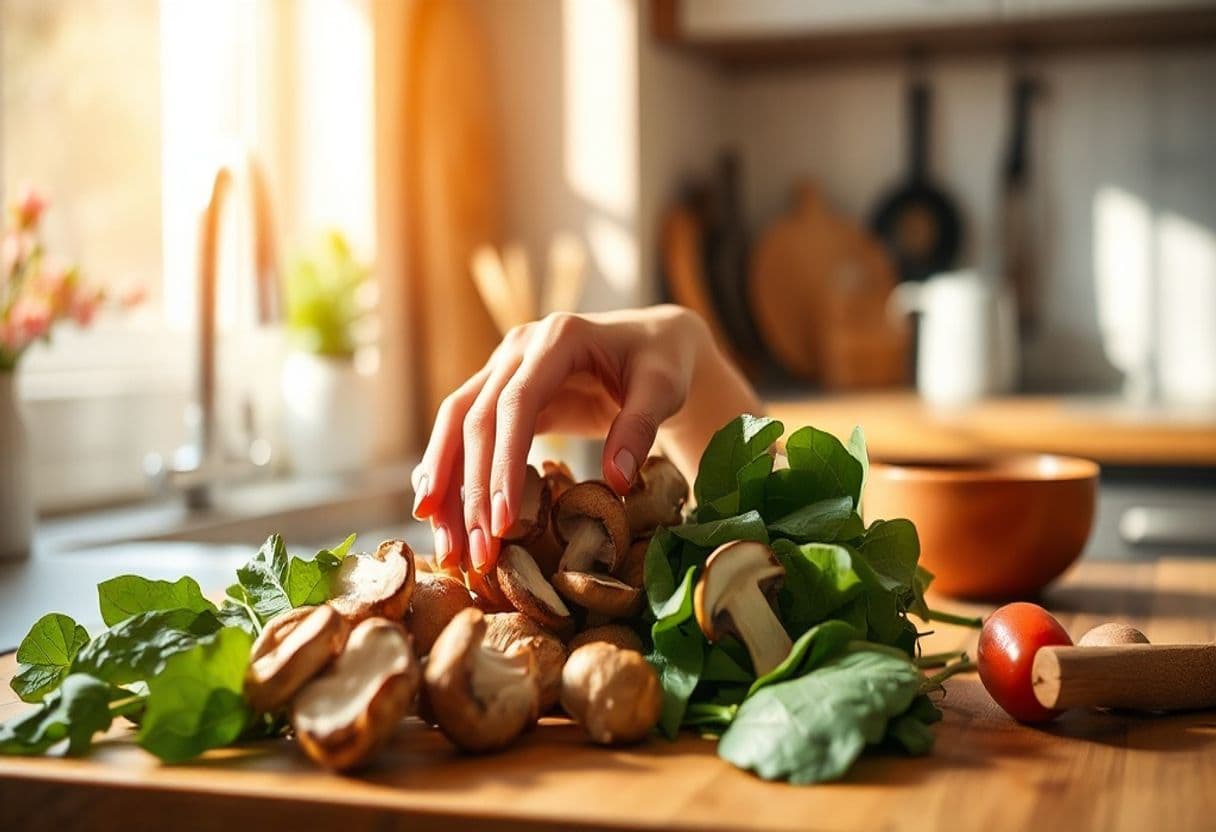
- Mushrooms: Shiitake, cremini, or oyster mushrooms work well. Slice them and stir-fry until browned and fragrant, about 3–4 minutes. Mushrooms add a wonderful umami depth that's essential in vegetarian cooking.
- Bell Peppers: Any color, thinly sliced. Add towards the end of stir-frying to keep them vibrant and crisp, cooking for just about 1 minute.
- Other great additions: Cabbage, snap peas, green beans, kale, or even thinly sliced broccoli florets. Experiment with what's in season and what you enjoy.
Lightening Up the Sauce
The sauce is the heart of Japchae, but it can quickly become a sugar and sodium bomb. Traditional recipes often call for significant amounts of sugar. My advice for a healthier version:
- Reduce Sugar: Start with half the amount of sugar (or maple syrup/agave for a vegan option) typically called for, then taste and adjust. I often find a mere 1–2 teaspoons of sweetener is enough, especially when using naturally sweet vegetables like carrots and onions.
- Low-Sodium Soy Sauce: An easy swap. If you're sensitive to sodium, you can also dilute regular soy sauce with a little water or vegetable broth.
- Garlic & Ginger: Don't skimp on fresh aromatics! Minced garlic (2–3 cloves) and grated ginger (1 teaspoon) add immense flavor without extra calories.
- Sesame Oil: A little goes a long way. Use it primarily for finishing, adding a tablespoon or two at the end for its distinctive nutty aroma, rather than cooking with it extensively. A common mistake I made was pouring all the sauce over the noodles and vegetables at once, then realizing it was too much. Instead, add about two-thirds of the sauce, toss well, then taste. You can always add more, but you can't take it away.
What Are the Best Noodle Alternatives for Lower-Carb Japchae?
This section is for those with some experience making Japchae or other stir-fries, who are ready to explore more advanced ingredient swaps and techniques for specific dietary needs, particularly focusing on carb reduction.
Once you've got the basics down, you might start thinking about how to further tailor your Japchae to fit a specific diet, such as a lower-carb or even a keto-friendly approach. The sweet potato noodles, while delicious, are still carbohydrate-dense. This is where creative substitutions come into play, allowing you to enjoy the flavors and textures of Japchae without the carb load.
Exploring Beyond Sweet Potato Noodles
Transitioning from traditional dangmyeon to lower-carb alternatives isn't just about cutting carbs; it's about understanding how these different 'noodles' behave and how to best integrate them into your dish to maintain flavor and texture.
- Kelp Noodles: These clear, crunchy noodles are made from kelp, giving them a rich mineral profile and virtually no carbs. They're sold pre-packaged and don't require cooking; just rinse them thoroughly. Their firm texture can be softened by marinating them in a mixture of lemon juice and baking soda for 15–20 minutes, then rinsing again. I once just threw them in straight, and while edible, they were a bit too 'al dente' for Japchae.
- Cabbage Noodles: Thinly shred green or napa cabbage and use it as a noodle base. Sautéing it quickly until tender-crisp offers a fantastic texture and a mild, sweet flavor. This is one of my go-to options for adding bulk and nutrients without extra carbs.
- Broccoli Slaw: Pre-packaged broccoli slaw (shredded broccoli stems and carrots) can be a surprisingly good 'noodle' substitute. It has a lovely crunch and absorbs flavors well. Quick-fry it for 2–3 minutes until just tender.
- Tofu Shirataki Noodles: A hybrid of tofu and konjac flour, these noodles are a bit softer than pure shirataki and absorb flavors a little better. They're also very low in carbs and calories. Treat them similarly to regular shirataki: rinse, drain, and dry-fry. Warning: When using very low-carb alternatives like shirataki or kelp noodles, remember they don't absorb sauce in the same way sweet potato noodles do. You might need to make your sauce a bit more concentrated or adjust seasoning after combining everything.
Advanced Vegetable & Flavor Enhancements
For those looking to deepen the flavor profile and add more nutritional punch, consider these additions:
- Smoked Tofu or Tempeh: Press and cube firm tofu or tempeh, then marinate in a mixture of soy sauce, a touch of liquid smoke (if available), garlic, and ginger before pan-frying until crispy. This adds a fantastic savory, meaty texture and protein.
- Edamame: Frozen shelled edamame can be added directly to the stir-fry towards the end, providing a pop of color and extra protein. About 1/2 cup for a recipe serving 2–3 people is usually sufficient.
- Spicy Kick: If you enjoy heat, a dash of gochugaru (Korean chili flakes) or a tiny bit of sriracha in the sauce can elevate the dish. Start with 1/2 teaspoon of gochugaru and adjust to your preference.
- Garnish for Impact: Toasted sesame seeds, finely chopped green onions, or even a sprinkle of crumbled nori (seaweed) can add visual appeal and a burst of flavor and texture. I sometimes make the mistake of forgetting garnishes, and while the dish tastes great, it just doesn't *look
- as inviting.
Why Does My Japchae Noodle Stick Together? Mastering the Art of Non-Clumpy Noodles
This section delves into the nuances of noodle preparation and advanced stir-frying techniques, ideal for cooks who want to move beyond good results to consistently excellent, restaurant-quality Japchae, especially when dealing with diet-specific adjustments.
The sticky noodle dilemma is one I've personally battled many times. You boil them perfectly, drain them, and then, inexplicably, they fuse into a giant, glistening blob. This common issue can ruin an otherwise delicious Japchae. But with a few targeted techniques, you can ensure your noodles remain separate, chewy, and perfectly coated with sauce.
The Noodle Treatment: From Boil to Bowl
Getting the noodles right is arguably the most critical step for Japchae success. This applies whether you're using traditional sweet potato noodles or any of the diet-friendly alternatives.
Boil Precisely: For sweet potato noodles, bring a large pot of water to a rolling boil. Add the dry noodles and cook according to package directions, typically 6–8 minutes. They should be tender but still have a slight chew. Avoid overcooking, as mushy noodles are more prone to breaking and sticking.
Immediate Cold Rinse: This is a non-negotiable step for sweet potato noodles. As soon as they're done, drain them in a colander and immediately rinse with cold water for 1–2 minutes. This stops the cooking process and washes away excess starch, which is the primary culprit for stickiness. For shirataki or kelp noodles, simply rinse thoroughly.
Thorough Draining and Light Drying: After rinsing, let the noodles drain for at least 5 minutes. Gently press out any remaining water. For sweet potato noodles, I sometimes even pat them lightly with a clean kitchen towel. Excess water dilutes your sauce and can make the dish watery.
Pre-Seasoning with Oil: This is my personal game-changer. Once drained, place the sweet potato noodles in a large bowl. Drizzle with 1–2 tablespoons of sesame oil and 1 tablespoon of soy sauce. Using clean kitchen shears, snip the long noodles into manageable lengths (about 6–8 inches). Toss gently with your hands or tongs until each strand is lightly coated. This creates a barrier that prevents sticking and starts building flavor *before
- the final mix. This step is less critical for shirataki or kelp, but a light toss with sesame oil still helps. Warning: Do not skip the cold rinse for sweet potato noodles. I once thought it was optional and ended up with a brick of noodle that had to be pried apart with a fork, destroying its texture.
Mastering the Stir-Fry: Building Layers of Flavor
Beyond the noodles, the stir-frying technique is crucial for achieving that vibrant, distinct Japchae flavor profile and texture. This isn't just about cooking ingredients; it's about developing them.
- Batch Cooking: As mentioned, cook your vegetables in batches. Overcrowding the pan lowers the temperature, leading to steamed, not stir-fried, vegetables. For example, stir-fry carrots for 1 minute, remove. Then onions for 1 minute, remove. Then mushrooms until browned, remove. This ensures each vegetable retains its individual texture and flavor. Use a high heat and a minimal amount of cooking oil (e.g., 1 teaspoon of avocado or grapeseed oil per batch).
- High Heat, Quick Movements: A hot wok or large frying pan is essential. Don't let your pan cool down between batches. Keep your vegetables moving constantly to ensure even cooking and prevent burning.
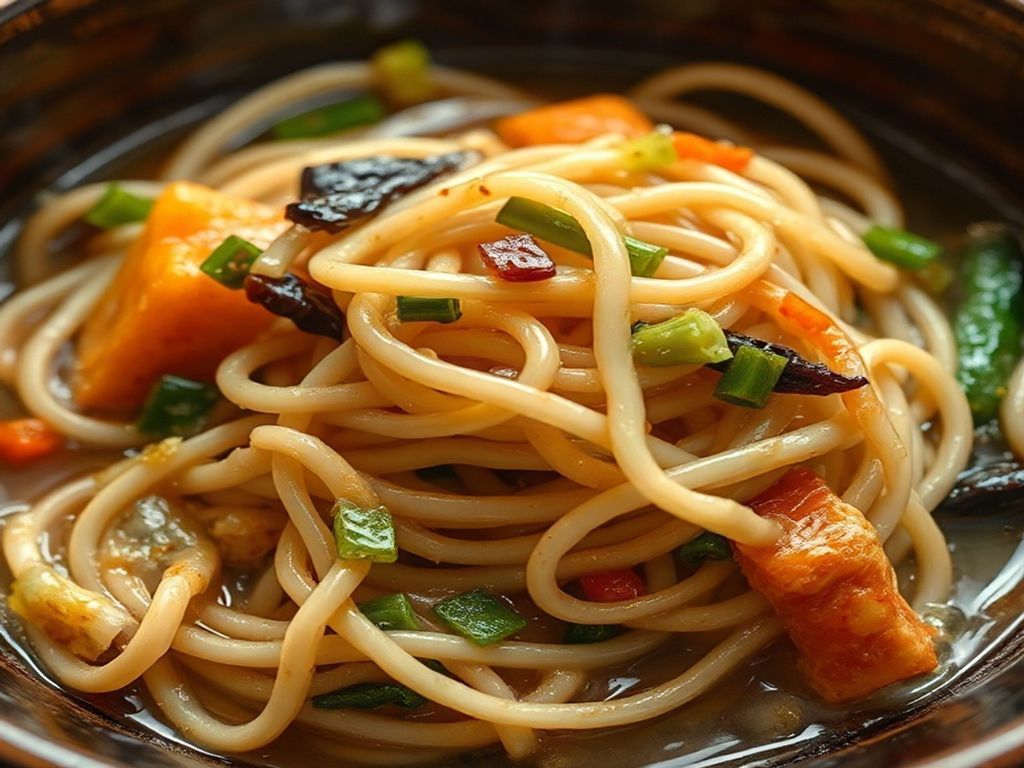
- The Final Toss: Once all your vegetables are cooked and your noodles are pre-seasoned, it's time to bring it all together. In your largest pan or wok, add the pre-seasoned noodles, all the cooked vegetables, and your prepared sauce. Toss everything quickly over medium-high heat for 2–3 minutes. The goal is to heat everything through and ensure the sauce coats every strand of noodle and every piece of vegetable evenly. This short final stir-fry allows the flavors to meld without overcooking anything.
- Taste and Adjust: This is where the 'eyeballing' cook in me thrives. Taste a mouthful. Does it need more salt? A touch more sweetness? A splash of rice vinegar for brightness? A final drizzle of fresh sesame oil? Adjust until it's perfect. This iterative process is how you truly make the dish your own. For example, I've found that sometimes after mixing, the dish might feel a little dry. Instead of adding more oil, I'll add a tablespoon or two of vegetable broth or even just water, then quickly toss it through to loosen things up and distribute the sauce more evenly.
Conclusion: Your Journey to Perfect Vegetarian Japchae
Making delicious, diet-friendly vegetarian Japchae is a rewarding culinary journey that combines careful ingredient selection with smart cooking techniques. From my own trials and errors, I've learned that consistency and attention to detail, even when 'eyeballing,' make all the difference.
Here are three key takeaways to remember:
Noodle Mastery is Key: Whether traditional sweet potato or a low-carb alternative, proper cooking, rinsing, draining, and pre-seasoning with sesame oil are crucial for preventing stickiness and building flavor.
Vegetable Variety & Batch Cooking: Embrace a rainbow of vegetables and cook them separately or in small batches to preserve their individual textures and vibrant colors. This also prevents a soggy, bland result.
Mindful Sauce & Seasoning: Reduce sugar, opt for low-sodium soy sauce, and build layers of flavor with fresh aromatics. Always taste and adjust, adding sauce incrementally to avoid over-seasoning. Your specific action to take today: Pick one new vegetable to incorporate into your next Japchae batch – perhaps some thinly sliced bell peppers or crunchy snap peas – and focus on cooking it perfectly al dente. Enjoy the process of creating a delicious and healthy meal!
Previous
Crispy Korean Pancakes: The Secret to a Perfect Crunch
Next
Vegetarian Japchae: A Diet-Friendly Guide to Making This Classic Dish
More in Recipes
Easy 5-Ingredient Pork Suyuk: The Ultimate High-Protein Diet Recipe
Discover a simple 5-ingredient Korean boiled pork (Suyuk) recipe that takes just 50 minutes. Perfect for a high-protein, low-calorie diet that keeps you full.
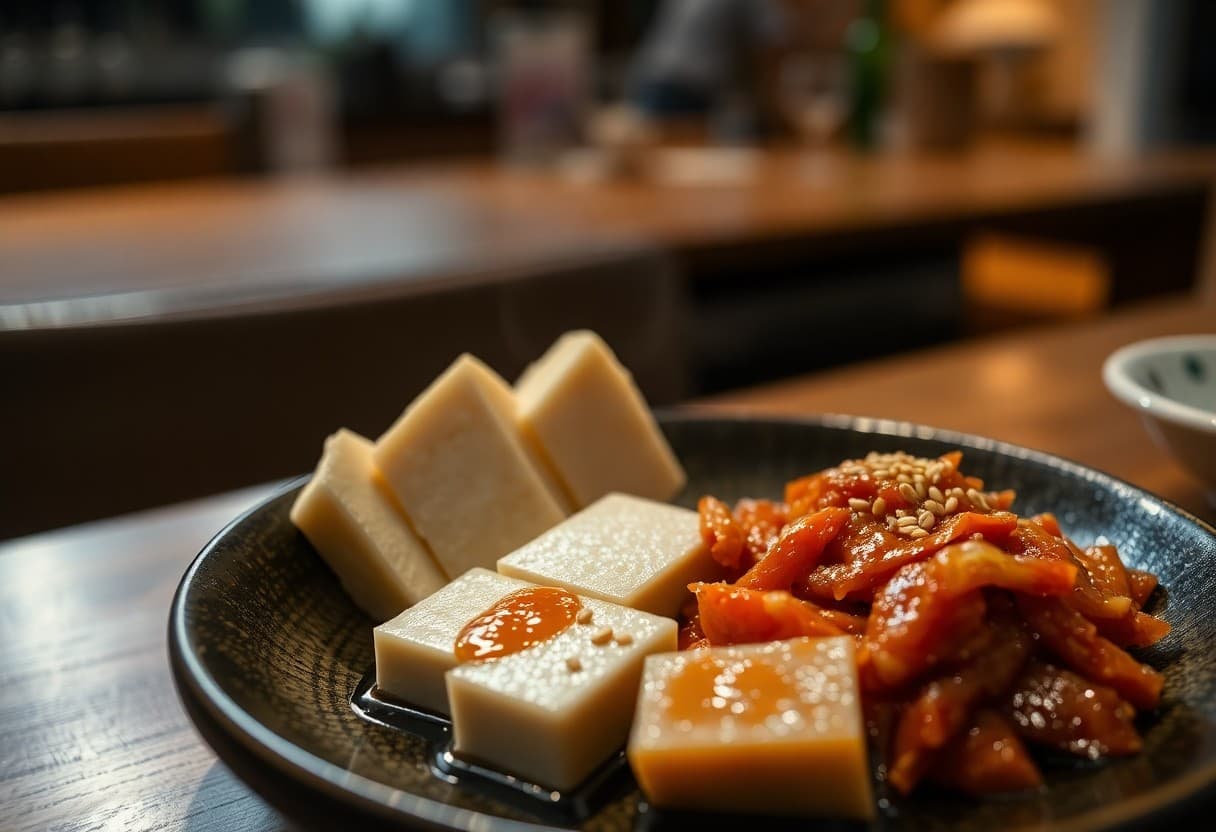
Tofu Kimchi Recipe: Quick Ways to Use Fridge Leftovers
Learn a simple Tofu Kimchi recipe to clear out your fridge. Discover freezer-friendly meal prep tips, common beginner mistakes, and quick cleanup hacks.
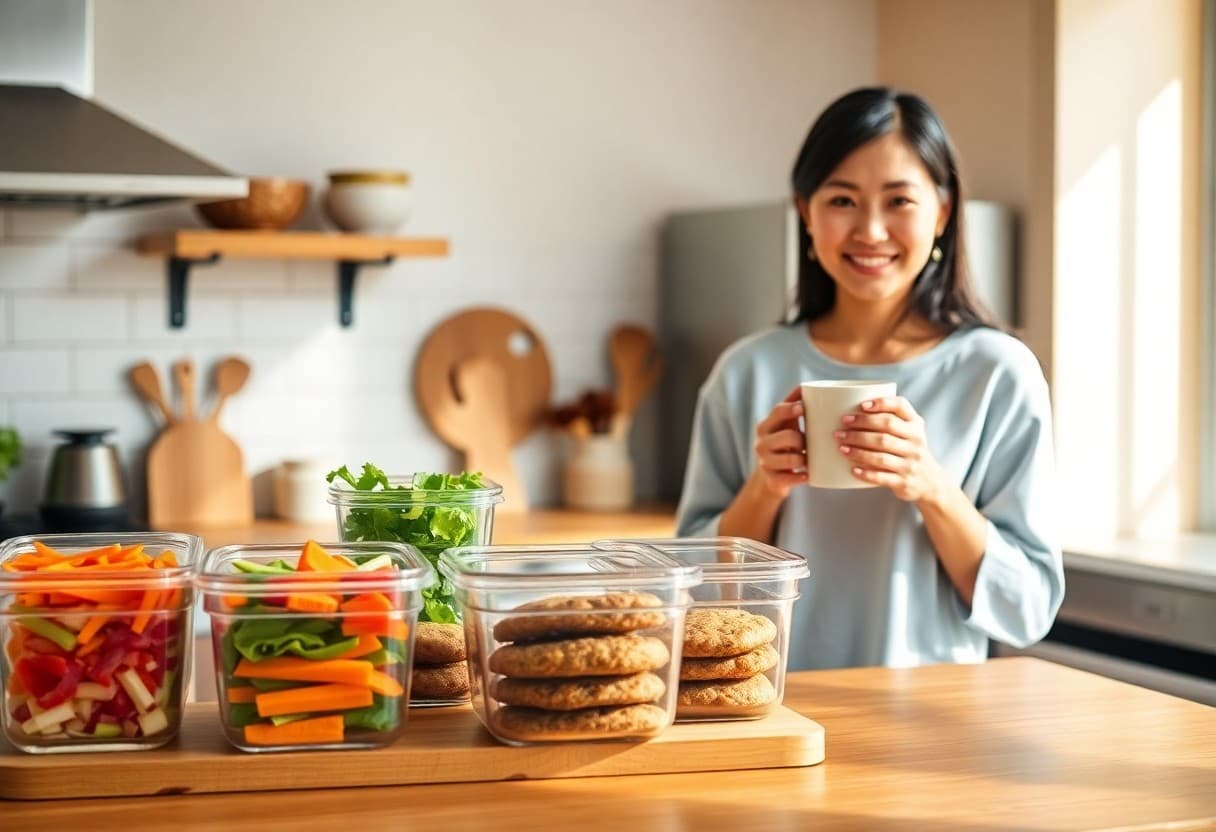
Vegetarian guest hosting recipes you can prep on weekends
Vegetarian guest hosting recipes made easy. Learn how to prep plant-based dishes on weekends, freeze them safely, and master smart ingredient substitutions.
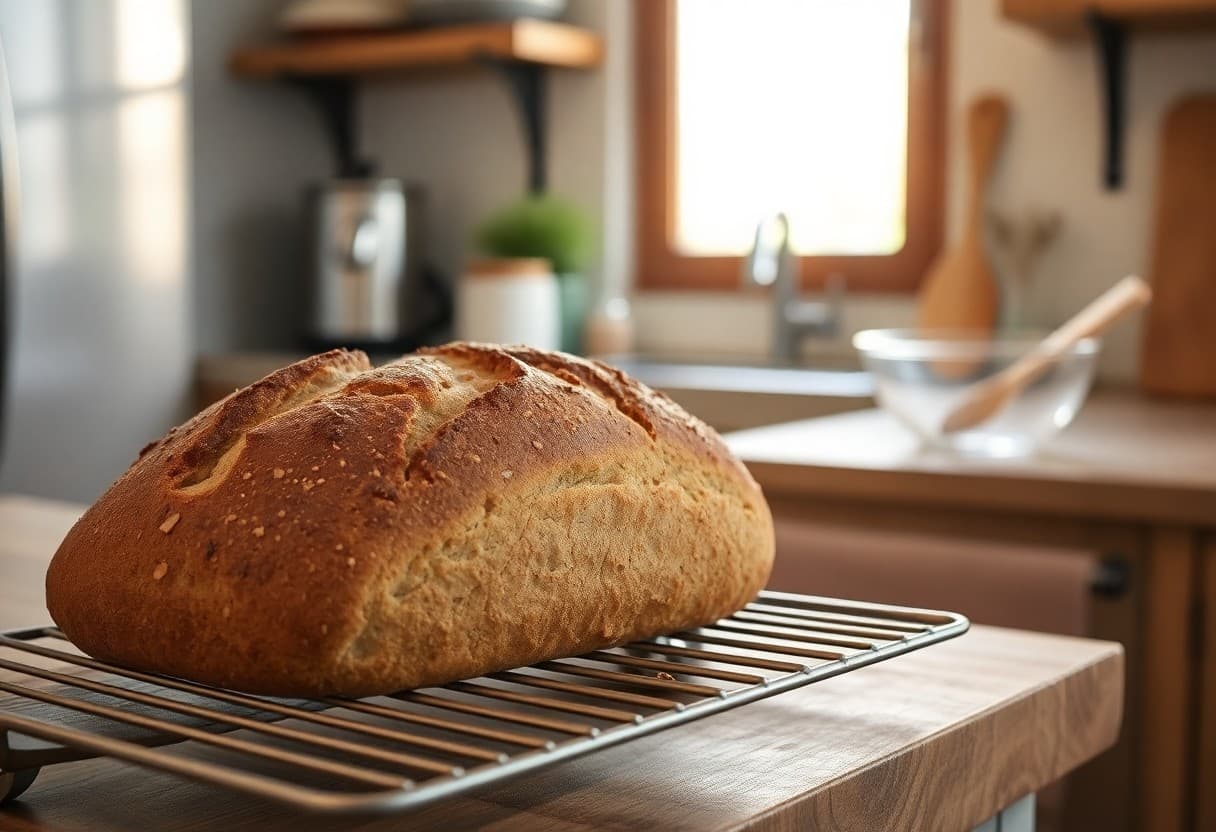
How to Bake Bread in a Small Kitchen with Minimal Cleanup
Learn how to bake homemade bread in a small kitchen with minimal cleanup. This guide covers no-knead methods, diet-friendly tips, and office lunch ideas.